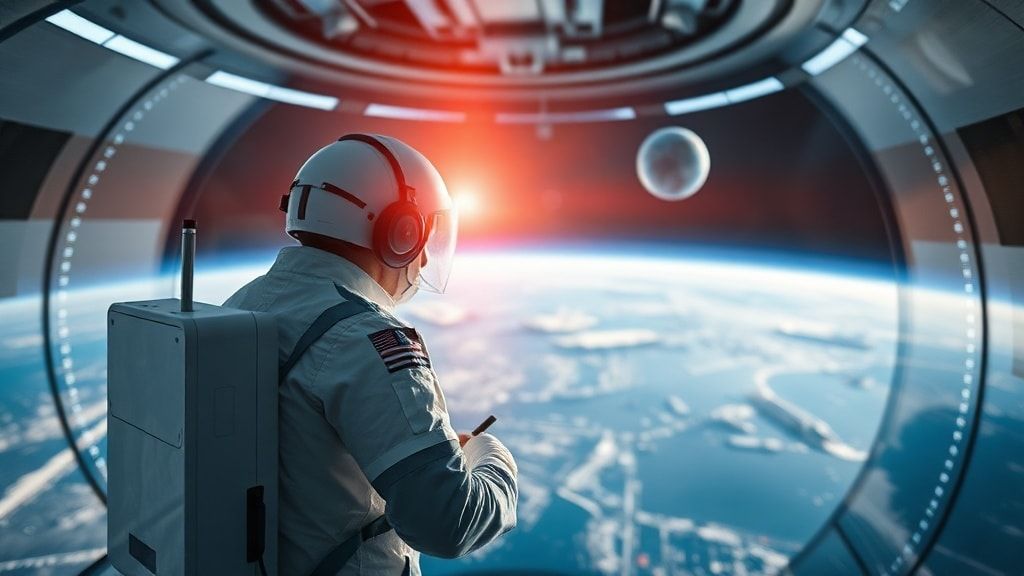
Imagine sitting in a cockpit where the vastness of space unfolds before your eyes—not through a window, but via a screen. Virtual space exploration has surged into the mainstream, captivating enthusiasts with immersive simulations that mimic the demanding conditions of real space missions. These digital voyages offer more than entertainment; they challenge endurance, sharpen focus, and test mental resilience. Platforms like OGame Online Empire exemplify how online universes can spark a fascination with cosmic adventures while fostering a community of space aspirants.
Yet, the intense engagement required to navigate these simulations carries its own set of health implications. Beyond the thrill lies a complex web of physical and psychological effects triggered by prolonged exposure to screen time, sensory overload, and the mental strain of isolation—even if simulated. As virtual astronauts push through extended missions, questions arise: How does this digital environment impact their wellbeing? What parallels exist between these simulated journeys and the real challenges faced by astronauts orbiting Earth? This article explores the health dimension of virtual space exploration, shedding light on how the dream of reaching the stars from home can come with unexpected costs—and what can be done to keep explorers well on their way.
The Thrill and Challenge of Virtual Space Missions: What Keeps Explorers Hooked
Virtual space exploration has surged in popularity, partly due to its unique blend of excitement and intellectual challenge. From strategizing interstellar missions to managing resources on distant planets, these activities mimic real-world space dynamics but in a risk-free environment. Players and enthusiasts often find themselves deeply engaged, drawn by the adrenaline rush of discovery and the complexity of navigating cosmic puzzles.
- ✅ Sharpen decision-making skills through rapid scenario planning
- ⚡ Improve multitasking by juggling mission objectives and resource constraints
- 💡 Boost problem-solving abilities by adapting to unexpected virtual space events
This thrill is a major factor behind the addictive nature of popular platforms, including OGame Sofort Spielen. The instant universe it offers creates a fast-paced setting where users must think strategically under pressure, heightening both excitement and mental engagement.
| Aspect | Real Space Missions | Virtual Space Exploration |
|---|---|---|
| Risk Level | High (physical and financial) | Low (virtual, no physical danger) |
| Accessibility | Limited (requires specialized training) | Broad (available to anyone with internet access) |
| Mental Engagement | High (complex problem solving) | Moderate to High (strategy and planning) |
Beyond the excitement, virtual space exploration offers a compelling cognitive workout. Engaging with these simulations can improve concentration, memory, and even stress management. The dynamic and often unpredictable nature of virtual space missions keeps the brain alert, stimulating neuroplasticity even during leisure.
💡 Pro Tip: To maintain mental sharpness, try scheduling short, focused sessions in virtual space exploration games. Avoid marathon periods to prevent cognitive fatigue while maximizing the benefits of strategic thinking.
How Extended Time in Virtual Space Affects Mental Health: Beyond the Screen
Spending extended periods in virtual space environments can have nuanced effects on mental health that extend far beyond simple screen fatigue. Immersive experiences—like those found in the OGame Online Galaxy—offer rich, interactive universes but often demand sustained attention and rapid decision-making, which can escalate stress and anxiety levels over time. This isn’t just about staring at pixels; it’s about how these digital realms engage the brain’s reward systems, social circuits, and cognitive load.
- ✅ Take regular breaks following the 20-20-20 rule: every 20 minutes, look at something 20 feet away for 20 seconds.
- ⚡ Use virtual experiences in moderation to prevent overstimulation and burnout.
- 💡 Engage in offline mindfulness or physical activity to restore cognitive balance.
Mental health experts warn that the immersive nature of virtual space exploration games can blur the lines between reality and simulation, sometimes intensifying feelings of isolation or detachment. While these digital worlds stimulate creativity and social interaction, they can also exacerbate tendencies toward escapism, making it harder to maintain a healthy mental equilibrium. Research suggests that users who engage excessively without balancing real-world social connections may experience increased symptoms of depression or anxiety.
| Challenge | Potential Impact | Mitigation Strategy |
|---|---|---|
| Prolonged screen exposure | Eye strain, headaches, sleep disruption | Frequent rest breaks, blue light filters |
| Social isolation | Loneliness, decreased social skills | Scheduled social interactions, mixed reality activities |
| Overstimulation | Anxiety, cognitive fatigue | Mindfulness practices, paced gameplay |
Users exploring distant galaxies or building empires in games like the OGame Instant Universe often report the exhilarating rush of quick strategic thinking. But this rapid mental pace can overload cognitive resources, leading to irritability or reduced emotional resilience. Mental health professionals emphasize the importance of self-awareness—recognizing signs of mental fatigue and adjusting engagement accordingly to safeguard emotional well-being.
💡 Pro Tip: Incorporate offline hobbies and social activities after lengthy virtual sessions to reset your mind and maintain a healthy mental state.
Physical Strains of Navigating Zero-Gravity Simulations: The Hidden Toll
Operating within zero-gravity simulations, like those found in virtual space exploration platforms such as OGame Instant Universe, demands more physical effort than one might assume. While users often perceive these experiences as purely mental or visual challenges, the reality involves a hidden physical toll. The absence of standard gravitational pull requires the body to engage stabilizing muscles constantly, often leading to muscle strain and fatigue that can accumulate over time.
- ⚡ Maintain regular stretching routines before and after sessions to alleviate muscle stiffness.
- ✅ Employ strength training focused on core and stabilizer muscles to better support these unique movements.
- 💡 Take scheduled breaks during prolonged virtual expeditions to reduce overexertion.
The repetitive motions associated with maneuvering in simulated zero-gravity environments can cause joint discomfort and increase the risk of overuse injuries, especially in the shoulders and wrists. Interestingly, integrating nutrition and hydration strategies enhances recovery and performance during these sessions. For instance, some enthusiasts turn to optimized fasting methods to support physical endurance and cellular recovery — related research can be found in resources like unlocking cosmic health benefits through fasting techniques.
| Physical Demand | Common Strain Area | Recommended Countermeasure |
|---|---|---|
| Stabilizing movements | Core muscles, lower back | Targeted core strengthening exercises |
| Hand and wrist maneuvers | Wrists, forearms | Regular wrist stretching and ergonomic setup |
| Extended periods of inactivity between bursts | Leg muscles, circulation | Frequent standing and light leg exercises |
💡 Pro Tip: Incorporate dynamic warm-ups emphasizing both flexibility and strength, aiming to reduce the hidden cumulative impact on joints and muscles that zero-gravity simulations often impose.
The Psychology of Isolation: Parallels Between Virtual Astronauts and Real Spacefarers
Isolation is a common experience for astronauts, whether real or virtual, leading to psychological challenges that can affect performance and wellbeing. In virtual space exploration games, such as the intense strategy realm of the OGame Instant Universe, players often spend hours alone managing resources, alliances, and battles. This mimics certain psychological pressures faced by real spacefarers who endure prolonged solitude and confinement. Both groups encounter stressors like loneliness, disrupted circadian rhythms, and sensory deprivation, which can trigger anxiety and depressive symptoms.
- ✅ Maintain structured routines to ease temporal disorientation
- ⚡ Engage in social interactions, even if virtual, to combat loneliness
- 💡 Use mindfulness or relaxation techniques to manage stress and improve focus
The overlap between virtual and actual astronaut isolation has practical implications. Scientists studying crewed spaceflight use simulated environments to better understand how prolonged isolation influences mental health. Virtual astronauts, though not physically confined, still experience psychological impacts that reflect the real-world challenges faced on missions. For example, the need for effective communication—whether through digital platforms in virtual games or radio contact in space—is vital to maintaining mental resilience. Players interested in optimizing their virtual experience may find strategies akin to those used by astronauts useful; tips for thriving in online space battles provide insight into teamwork and stress management that echo real space mission protocols.
| Aspect | Virtual Astronauts | Real Spacefarers |
|---|---|---|
| Isolation Duration | Hours to days | Weeks to months |
| Social Interaction | Limited to online chats/forums | Radio, video, and occasional in-person crewmates |
| Physical Confinement | None | Spacecraft or station |
| Physiological Effects | Minimal | Muscle atrophy, bone density loss |
| Psychological Stressors | Loneliness, screen fatigue | Loneliness, sensory deprivation, workload |
Understanding these parallels helps underscore the importance of mental health support in all forms of space exploration. Whether digitally defending galaxies or orbiting Earth, humans require strategies to sustain cognitive function and emotional balance over long durations. Integrating lessons from virtual space games into astronaut training programs could offer innovative ways to build psychological endurance against isolation.
💡 Pro Tip: Regular social engagement—even brief check-ins—can significantly reduce feelings of isolation, making it essential for both virtual players and astronauts to schedule consistent communication breaks.
Balancing the Cosmic Dream with Wellbeing: Strategies for a Healthy Virtual Space Journey
Virtual space exploration games like OGame Instant Universe captivate many with their promise of cosmic adventure and strategic conquest. Yet, immersing oneself in these boundless digital universes can come at a mental and physical cost if not approached mindfully. Balancing this passion with health-conscious habits ensures players don’t sacrifice wellbeing for high scores.
- ✅ Set clear time limits for gaming sessions to avoid extended sedentary periods.
- ⚡ Integrate short exercise breaks to combat the physical strain of sitting.
- 💡 Prioritize hydration and nutritious snacks over sugary or caffeinated alternatives.
- 📌 Practice eye care: follow the 20-20-20 rule (every 20 minutes, look 20 feet away for 20 seconds) to reduce digital eye strain.
Moreover, mental health deserves equal attention. Competitive virtual realms, with their fast-paced decision-making and constant activity, can induce stress or anxiety. Mindfulness techniques, such as focused breathing or brief meditation between gaming bouts, can reset the nervous system. Social connection also plays a role — engaging with community forums or friendly rivals adds value beyond pixels and points.
Interestingly, those interested in the thematic design of virtual space might appreciate how futuristic war themes are intersecting with popular culture and influencing aesthetics in surprising ways. This crossover highlights how immersive experiences like OGame Instant Universe don’t just affect players on a personal level but ripple out into broader cultural spheres.
| Health Aspect | Common Virtual Space Challenge | Effective Strategy |
|---|---|---|
| Mental Fatigue | Information Overload | Scheduled breaks & meditation |
| Physical Discomfort | Prolonged Sitting | Stretching & ergonomic setup |
| Eye Strain | Extended Screen Time | 20-20-20 visual breaks |
💡 Pro Tip: Keep a dedicated gaming log to track session lengths and physical symptoms — awareness is the first step to healthier habits.
Ultimately, the key to a fulfilling virtual space journey lies in moderation and mindfulness. By consciously integrating wellness strategies, explorers of the digital cosmos can enjoy the thrill of galactic conquest without compromising their health. OGame Instant Universe and similar platforms offer unforgettable experiences; it’s on each player to keep their mind and body aligned with those adventures.
Charting the Unknowns of Virtual Space
The allure of virtual space exploration is undeniable — it offers a thrilling frontier without the need for a spacesuit. Yet, as this journey unfolds, the mental and physical pressures become increasingly evident. Extended immersion in virtual zero-gravity, combined with the psychological weight of simulated isolation, challenges the very wellbeing of those seeking to conquer these digital cosmos. Balancing this cosmic dream with practical health strategies isn’t just advisable; it’s necessary for sustainable engagement.
As virtual space explorers continue to push boundaries, platforms like OGame Instant Universe remind us that the frontiers of space and health are deeply intertwined. The question remains: how will this blend of technology and human resilience shape our approach to both virtual and real-world exploration? Perhaps the future holds more than just new worlds — it might reveal new ways to understand ourselves amidst the stars.
Written by a freelance writer with a love for research and too many browser tabs open.
If you’re intrigued by the intersection of wellness and gaming, exploring how virtual health impacts online gaming offers evidence-based insights into maintaining mental and physical balance in digital environments.
If you’re looking to sharpen your mental agility and strategic thinking, this insightful guide on effective space strategy gameplay offers a fascinating way to boost cognitive skills while enjoying a stimulating challenge.
Healthcare professionals and wellness advocates will find valuable insights in this article discussing key legal decisions and their impact on health law, which can deepen understanding of the regulatory landscape affecting fitness and nutrition sectors. Explore the critical legal milestones in healthcare to stay informed about developments shaping mental and physical wellbeing.