
Choosing Anime Manga Daily: a health-focused guide for readers
A practical, evidence-informed look at how anime and manga daily habits affect mental health, motivation, and stress management for wellness readers.

Many readers wonder whether daily anime and manga consumption helps or harms wellbeing. This article answers with concrete steps to balance enjoyment with health goals, backed by common-sense guidance. You’ll learn how to structure time, monitor mood, and choose content that supports relaxation and resilience.
Next, we outline practical routines that fit busy lives, explain why pacing matters, and show how to avoid sleep disruption or overstimulation. The aim is to turn a leisure hobby into a healthier daily habit. Each tip includes a real-world example you can apply tonight.
Finally, we offer a clear plan for evaluating your own pattern, including warning signs to watch for and simple tweaks that keep your health priorities in view.
- Anime and manga can be integrated into wellness with mindful limits and content choice.
- Track mood and sleep to adjust habits.
- Pair viewing with relaxing activities to reduce stress.
- Use a structured plan to balance enjoyment with health goals.
Basics of mindful media use
Why daily use matters
Starting with a baseline helps you decide how much time is reasonable. Too much screen time can disrupt sleep and mood, while small, regular doses may support relaxation after stress. Track a week of viewing to see patterns and impacts on energy and focus. Anime Manga Daily
- ☐ Set a daily cap on streaming or reading
- ☐ Choose lighter content for evenings
- ☐ Keep screens out of bed
- ☐ Review mood weekly and adjust
Identify your peak times for reading or watching and plan around workouts, meals, and rest. Consistency matters more than duration if you stay aware of effects on sleep quality and daily functioning.
Pause to reflect on how different genres affect mood, motivation, and anxiety levels. Choose lighter or engaging content if fatigue or irritability rises after heavy scores of action or horror.
- Track time spent weekly
- Notice mood changes after sessions
- Match content to energy levels
- Schedule wind-down views before bed
Practical routines
Establish a simple routine that fits your schedule. A 30-minute evening window before bed can foster relaxation if you choose calm, non-stimulating material. This helps separate work or study stress from leisure time.
Pair viewing with a brief activity like stretching or journaling to reduce physical tension and reinforce mindful habits. The combination can lower perceived stress while preserving enjoyment.
Use a pre-view timer to end sessions on time, preserving sleep and morning energy. Consistency builds a dependable cue for winding down.
How anime and manga interact with mood

Mood effects
Content that is humorous or uplifting can improve mood after a stressful day, while intense or graphic material may trigger distress in some people. Observing personal responses helps you choose what to consume. A useful resource on this topic: advertise your event in the USA.
Consider how characters’ journeys mirror real-life coping strategies, offering a sense of connection without real-world consequences.
If you notice persistent irritability, fatigue, or sleep trouble after viewing, re-balance by swapping to gentler content or shorter sessions.
- Choose light titles when stressed
- Limit exposure to distressing arcs
- Monitor changes in sleep quality
- Balance solo and social viewing
Seeking support
If viewing patterns rival other activities or trigger avoidance behaviors, seek guidance from a clinician or counselor. Social support and structured limits can improve overall health outcomes without eliminating enjoyment.
Discuss boundaries with family or friends to make shared spaces healthier. Agree on screen-free times for meals and conversations.
When using digital media for mood regulation, keep realism in check and avoid using entertainment as the sole coping mechanism.
- Talk with a professional if viewing becomes problematic
- Set shared screen rules with others
- Use media as one of several coping tools
- Keep a grounded perspective about fictional content
Options for healthy engagement
Choosing content types
Different genres offer distinct benefits: light comedy supports relaxation, while adventure or fantasy can provide a safe escape from daily stress. Align choices with your current health goals, such as sleep, energy, or mood stability. A useful resource on this topic: business directory in the USA.
- Prefer shorter episodes for late-day viewing
- Mix comedy with calming dramas
- Schedule genre variation over a week
- Avoid binge patterns when sleep is a concern
Be mindful of episode length and pacing; shorter formats can reduce cognitive load and facilitate easier transitions to other activities.
Rotate genres to prevent monotony and reduce fatigue from a single style.
| Method | Pros | Cons |
|---|---|---|
| Short-form viewing | Easier to cap; less cognitive load | May limit depth of story and engagement |
| Calm content | Better sleep support | Might feel less exciting to some readers |
| Scheduled breaks | Prevents bingeing | Requires discipline |
Setting limits
Clear rules help maintain balance between leisure and responsibilities. Define a daily cap and a fixed wind-down time to prevent overuse and sleep disruption.
Use alarms or reminders to keep you on track, especially on weekdays with busy mornings.
Review limits monthly to see what works and adjust as needed.
A mindful approach means pairing viewing with journaling or brief pauses to check in with mood.
Reasons to include anime in wellness planning

Mental well-being benefits of storytelling
In wellness planning, stories from anime and manga can offer reflective prompts that support emotional regulation. Choose titles with character growth and coping strategies to model resilience. Use these narratives to discuss real feelings with a trusted friend or therapist. A useful resource on this topic: buy and sell in the USA.
- Identify one coping strategy a character uses and compare it to your own options
- Note how pacing in a scene affects your breath and heart rate
- Write a one-sentence takeaway about a moment of resilience
A mindful approach means pairing viewing with journaling or brief pauses to check in with mood. Set a specific time limit and a quiet space to minimize overstimulation. This makes the activity a tool, not a distraction.
Over time, small regular reflections from anime narratives can help identify patterns in mood shifts. This supports a healthier daily rhythm and reduces impulsive reactions in stressful moments.
- Choose calming series with clear coping themes
- Schedule short viewing blocks
- Journal after watching for mood notes
- Discuss reactions with a friend or clinician
Risks and warning signs
Recognizing overload and burnout signals
Exposure to rapid cuts, loud music, and complex plots can heighten anxiety for some readers. Notice signs like restlessness, trouble sleeping, or irritability after sessions. Set boundaries to protect sleep and daily functioning. announce a death in the USA
- Myth: Anime is always distracting and unhealthy
- Fact: Used thoughtfully, it can support mood awareness and social connection
If viewing becomes a default response to stress, replace it with a grounding activity. Try a short walk, breathing exercise, or a quick stretch before returning to entertainment. The goal is to manage stress, not intensify it.
Track patterns over a week to see whether anime use correlates with mood. If negative patterns repeat, consider pausing for a longer period or seeking professional guidance.
- Watch with a fixed end time
- Balance tense scenes with lighter content
- Avoid late-night viewing routine
- Seek support if mood worsens
Practical tips for healthful use
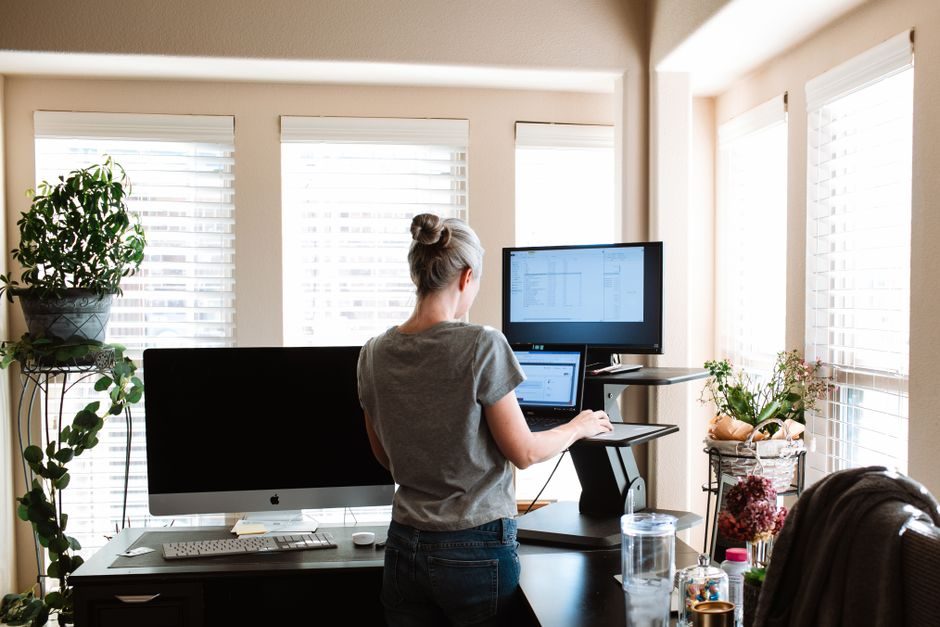
Setting boundaries for routine use
Establish a daily or weekly viewing plan that fits your energy levels and sleep needs. Having a routine reduces guilt and helps you enjoy content without it taking over time. Start with 20-minute blocks and adjust as needed.
Create a dedicated viewing space free from work tasks and devices that pull attention elsewhere. This helps you switch into a lighter headspace and signals the brain that the activity is leisure.
Pair viewing with a post-session reflection, even a single sentence about mood. This builds awareness and keeps entertainment aligned with wellness goals.
- Define fixed start and end times
- Keep a separate device for entertainment
- Note mood after each session
- Adjust blocks to avoid fatigue
Putting it into a routine
Integrating anime into a wellness plan
Incorporate anime as a complementary activity, not a centerpiece. Use it as a creative break between workouts, meals, or study periods. This helps sustain overall balance and reduces binge risk.
Select titles with lighter emotional loads during high-stress weeks and save heavier, more reflective series for lower-stress days. This keeps the activity rewarding without becoming draining.
Track how different genres affect energy and motivation, then tailor your choices. Practical notes enable sustainable use rather than sporadic, impulsive viewing.
- Schedule according to energy levels
- Rotate genres to avoid fatigue
- Keep a simple viewing log
- Review and adjust monthly
Frequently asked questions
Is anime alone enough to support mental wellbeing?No single activity guarantees wellbeing, but when used intentionally it can support mood awareness, social connection, and stress management. Pair it with physical activity, sleep hygiene, and social time for a balanced approach.
How do I know if I should cut back on anime?If viewing consistently disrupts sleep, concentration, or daily tasks, it’s a sign to reduce time or pause. Try a fixed window and note how mood changes with less exposure.
What genres are best for wellbeing?Calm, character-driven stories with clear arcs and hopeful outcomes tend to be easier on mood. Avoid titles with extreme violence or high misfortune frequency if you’re feeling emotionally vulnerable.
Can I use anime as a social activity?Yes. Watching with a friend or joining a discussion group can provide social support and accountability, turning viewing into a shared, meaningful habit.
Putting it into practice: next steps
Start by setting a 20-minute daily viewing window this week, paired with a short mood note afterward. If sleep remains steady, slowly extend the time or repeat on a weekend when energy allows.
Review your viewing log after ten days to identify patterns and adjust the content mix toward lighter, more uplifting titles during stressful periods. This keeps the routine sustainable and reduces risk of fatigue.

Add Health News as a preferred source on Google


