
Education News PL latest news for health readers: clear basics
Understand Education News PL latest news and its health relevance. Clear, evidence-based explainer for readers seeking practical implications.

Many health readers wonder how education news affects well-being. This explainer clarifies what Education News PL latest news covers, why it matters for health, and how to interpret it for personal and community wellness. You’ll learn practical steps to track developments and assess their impact on programs, schools, and families.
First, know what counts as timely education reporting and what signals to watch for in Health News coverage. Second, recognize how policy shifts, funding, and school routines can shape daily health access, nutrition, physical activity, and mental health support. Third, you’ll gain a simple method to judge the reliability and relevance of what you read.
Finally, this guide offers concrete ways to use education news in everyday health decisions, from school meals to community fitness programs. The aim is to give you tools that translate headlines into actions for better health outcomes.
- Education news affects health by shaping school meals, activity and mental health services.
- Read beyond headlines to understand policy timelines, funding and implementation.
- Use a simple method to judge reliability and connect stories to real-world health actions.
- Track local data and advocate for clear health metrics in school reporting.
Foundations: what the news covers and why it matters
What counts as education news
Education news covers policies, school budgets, classroom changes, and program evaluations. It explains how decisions at the district or national level affect students’ health resources and safety. Understanding this helps readers connect headlines to real-life health implications. Education News PL latest news
Education reporting often explains timelines, stakeholders, and accountability in plain language. You learn who decides, who is affected, and what outcomes to expect. This awareness helps you evaluate advice and warnings that appear in health-related stories.
Healthy skepticism matters: look for sources that link education decisions to concrete health effects, rather than sensational claims.
- Track which policy shifts could impact school meals and physical education
- Ask whether a study or report ties to health outcomes
- Beware headlines that omit context or stakeholder voices
How to read education news for health impact
Start with the issue's scope: does the article discuss students’ nutrition, mental health services, or physical activity? This frames what to watch for in health terms.
Look for concrete numbers, timelines, and affected groups to gauge practical impact. If a policy changes next year, plan for how that shift could influence access to services.
Consider both short-term effects and longer-term implications for families, schools, and community programs.
- Note how the news links to services students use
- Identify policy timelines and funding notes
- Assess which health outcomes are most likely affected
Practical effects: what to do with the news
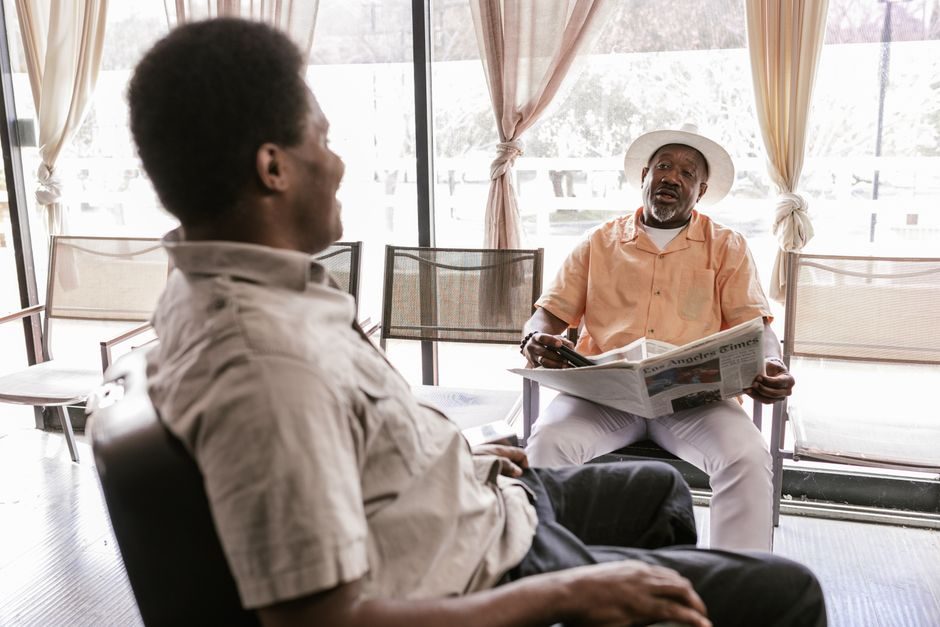
What to monitor in school health reporting
Watch for reports about school meals, physical education, student mental health programs, and safety policies. These areas most directly influence daily health behavior. When coverage mentions funding or staffing, translate that to service availability and quality. To participate effectively, you may also want to submit an event in the USA.
- Link news to concrete programs you know exist in your area
- Ask your school or local health department for clarifications when plans aren’t clear
Identify if the article discusses outcomes such as attendance, nutrition access, or stress levels. These are tangible health indicators you can compare over time.
Use published checklists to assess whether the story provides practical guidance for families or schools.
- Track changes in meal program eligibility
- Note updates to counseling or SEL services
- Watch for safety drills and vaccination reporting
Turning news into everyday health actions
Translate policy news into family routines and community choices. If a school adds more physical activity, consider household ways to support movement. If mental health resources expand, look for local support options.
Use the information to advocate for better services, safe environments, and transparent reporting in your district. Small actions, like attending school board meetings or asking for public dashboards, matter.
Document how policy news aligns with community health goals, such as reducing missed meals or improving sleep health among students.
- Plan to align family routines with school changes
- Share verified information with neighbors or caregiver groups
- Advocate for clear, accessible health metrics
Cautions: common pitfalls to avoid
Common misunderstandings in education health coverage
Readers often conflate general education policy with direct health services. Remember that not every policy change affects health equally, and delays can blur timelines. Verify what is actually funded or delivered. Businesses often want to submit your business in the USA for visibility.
Ambiguity in reporting can obscure who benefits. Look for clear statements about eligibility, service levels, and accountability.
Avoid assuming a single article provides the full picture; cross-check with district or school data when possible.
- Avoid assuming direct health impact from every education policy
- Look for explicit connections to services and outcomes
- Cross-check with multiple sources for context
| Option | Health impact | Implementation |
|---|---|---|
| Policy-positive approach | Supports services | Requires funding clarity |
| Status-quo | Limited changes | Stable but slow |
| Cautious reform | Potential improvements | Needs stakeholder input |
What to do when the news seems alarming
If a report sounds concerning, verify with official sources and local health data before reacting. Use calm, fact-based questions to assess risk and practicality.
Seek out balanced coverage that includes responses from schools, families, and health providers. Quick headlines rarely show the full picture.
When in doubt, delay major decisions until you have reliable details and a clear path to action.
- Check official district updates
- Consult local health authorities for guidance
- Avoid overreacting to initial reports
Describe potential conflicts of interest and disclose funding sources or affiliations when relevant.
Ethical frames for reporting

Standards for health reporting
Clear reporting in health journalism starts with accuracy and neutrality. Avoid sensational phrasing that skews risk perception and misleads readers about benefits or harms. Rely on transparent sourcing and cite limitations when evidence is evolving, especially on new studies that lack long-term data. If you plan to update listings, you could sell second-hand items in the USA locally
- Describe how a news item should present potential benefits and harms clearly.
- Name the population studied and why it matters for readers.
- Mention any limitations in the study design or data.
- Suggest cautious, concrete actions readers can take based on the information.
Describe potential conflicts of interest and disclose funding sources or affiliations when relevant. Provide balanced views from multiple experts and respect patient privacy in case examples. When in doubt, err on the side of caution and clarify what remains unknown.
Explain practical implications for readers, such as how a study design might affect applicability to diverse groups. Use plain language to map findings to real-life choices, like screening options or daily habits, so readers can decide with confidence.
- Avoid dramatic wording that inflates risk
- Explain study type and population
- Note any limitations or uncertainties
- Provide steps readers can take now
- Cite primary sources when possible
Health equity and access
Accessibility considerations in health news
When covering health topics, note who is included in the data and who is left out. Underrepresented groups may experience different barriers to care, access to tests, or information. Highlight practical steps readers can take to navigate access issues in their communities. USA obituaries - This year’s education stories sometimes reference broader social trends, including health and aging, which is why USA obituaries can appear in health discussions.”
Explain how cost, geography, language, and digital literacy can shape health outcomes. Offer alternatives for readers who may lack easy access to services, such as community clinics or hotlines. Ground recommendations in real-world options rather than idealized pathways.
Provide examples of how health policy changes could affect families differently, depending on income, location, or insurance status. Translate those policy shifts into concrete choices like where to seek care or how to compare options.
- Identify access barriers clearly
- Offer practical alternatives
- Explain why disparities matter to health outcomes
- Provide local resource ideas
- Encourage readers to ask providers about barrier-reducing options
Evidence and interpretation
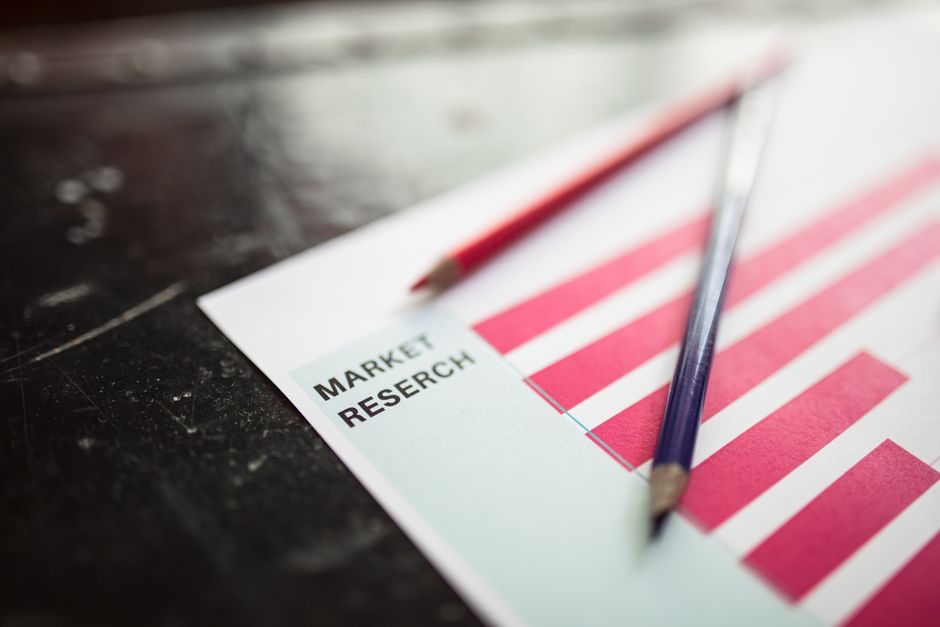
How to read medical evidence
Understanding study designs helps readers gauge relevance and reliability. Distinguish between observational data and randomized trials, and recognize when results reflect correlation rather than causation. This awareness prevents overgeneralization to everyday health choices.
- ☐ Define the study design and population briefly.
- ☐ Note limitations and what remains uncertain.
- ☐ Provide a practical takeaway for readers’ choices.
Explain margins of error, sample sizes, and the difference between statistical significance and practical importance. Translate numbers into relatable terms, like how likely a benefit is in ordinary doses or daily use. Keep explanations grounded in what readers can reasonably expect.
Offer a framework for assessing news claims: check whether findings come from peer-reviewed sources, and whether experts cited have relevant clinical experience. Encourage readers to look for replication and consensus before acting on a single study.
- Differentiate study types
- Clarify significance vs. relevance
- Encourage source transparency
- Avoid overgeneralization
- Promote cautious interpretation
Practical resources for families
Where to find reliable health information
Direct readers to trustworthy health information sources and explain how to assess their credibility. Emphasize official health agencies, non-profit organizations, and peer-reviewed journals as starting points. Give practical steps to verify guidance before making changes.
Describe how to organize information for a family: who to contact for a question, how to compare screening options, and how to track recommendations over time. Encourage creating a simple care plan that fits family routines and budget.
Provide tips for discussing news with children or caregivers, balancing reassurance with factual details. Offer age-appropriate explanations and joint decision-making strategies that respect family values.
- List credible sources by type
- Explain verification steps
- Show how to compare options
- Offer family-friendly conversation tips
Frequently asked questions
Who should read education news for health guidance?Health readers who want to understand how school policies, meals, and student support services affect daily wellness. The aim is to translate policy shifts into practical steps for families, not to replace medical advice.
How can I tell if a health claim tied to education news is reliable?Check if the claim comes from vetted sources, whether there is consensus among experts, and if the context explains limitations. Prefer balanced coverage that notes what is unknown or uncertain.
What practical actions can families take after reading education health news?Identify credible sources, compare local options for meals or health services, and discuss changes with a clinician or school nurse. Create a simple plan that fits your routine and budget.
Where can I find summaries that are easy to understand?Look for neutral briefings from recognized health organizations, patient advocacy groups, or reputable news outlets that explain both benefits and trade-offs without hype.
Conclusion: what to do next
Takeaway: education news can shape health by influencing school resources and routines. Focus on how changes impact your family’s daily health decisions and seek clear explanations from trusted sources.
Next step: identify one credible health education source to follow, then build a simple plan that covers meals, screenings, and safe physical activity for the school year ahead. Revisit this plan as guidelines update.

Add Health News as a preferred source on Google


