
How to advertise your event space effectively for health audiences
A practical, evidence-based checklist for promoting health-focused event spaces. Learn steps, options, and pitfalls to reach audiences while protecting wellbein

If you want to fill an event space, start with a clear health-focused message and a practical plan. This guide shows a simple, repeatable checklist to advertise your venue without hype or guesswork. You’ll learn what to do first, how to choose channels, and how to measure impact in a health-conscious way.
Think of your space as part of a health ecosystem: consider safety, accessibility, and how your event supports wellbeing. The steps here help you craft accurate information, reach the right people, and avoid common missteps. Use the examples as a baseline for planning your own campaign.
By following these steps, you’ll create transparent, informative content that resonates with health-minded readers. The goal is steady, practical progress: clarify your value, pick practical channels, and adjust based on feedback and basic metrics.
- Plan around health outcomes and reader needs, not marketing fluff.
- Choose channels that reach health-focused audiences and track basic engagement.
- Provide clear, actionable details about safety, accessibility, and inclusions in every listing.
- Use ready-made templates to keep messaging consistent and trustworthy.
Foundation and goals
Clarify the event purpose
Begin with a concrete purpose statement that links to health outcomes, such as promoting physical activity, nutrition education, or mental wellness. This helps you target the right audience and measure relevance. Use simple language and avoid jargon that may confuse readers. advertise your event in Aberdeen is a practical ask for organizers planning a space promotion.
Describe who benefits, what problem you solve, and how the space supports wellbeing. For example, a community health fair needs accessible entrances, clear signage, and private spaces for counseling. Align your goals with safety and inclusivity to earn trust.
- Define measurable goals (attendance, signups, or interactions)
- Identify primary audience (families, seniors, fitness enthusiasts)
- Highlight health-related features of the space
- Ensure accessibility and safety are visible in materials
- Set a reasonable, time-bound target
Audience and channels
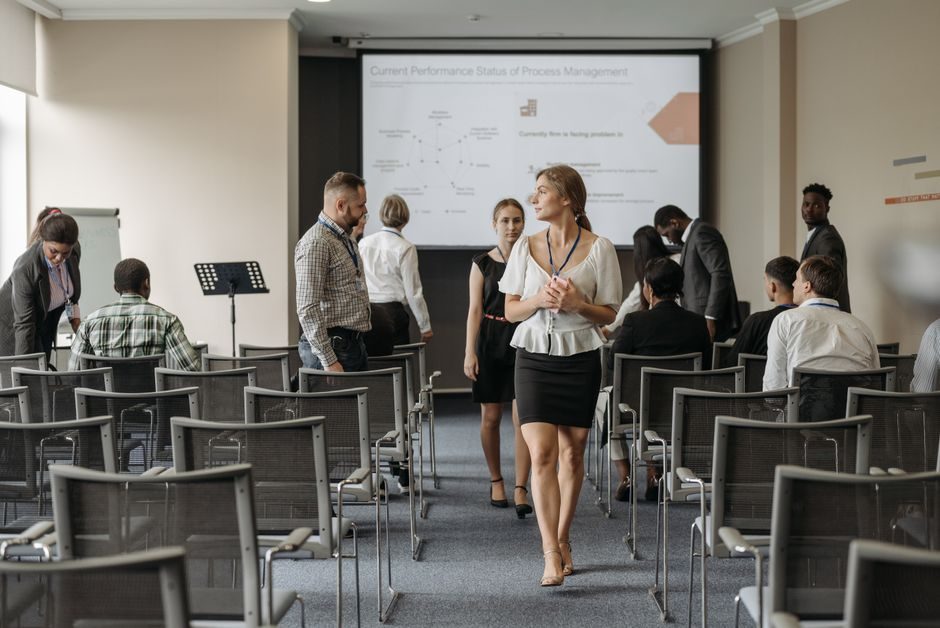
Know your readers
Map who benefits from your event: fitness groups, nutrition clinics, mental health workshops. Write from their perspective, using everyday language. Avoid clutter and promise concrete takeaways the reader can expect. aberdeennews.uk news can feature local events when they meet health relevance and accessibility.
Provide practical examples of what readers gain, such as a 60-minute wellness session, space for support groups, or discreet counseling corners.
Anticipate barriers like transportation or childcare, and mention how your venue helps reduce friction (quiet rooms, nearby parking).
Promotional options
Choose clear channels
Select channels that match your audience’s habits. Local health newsletters, community boards, and social posts that prioritize short, factual messages perform best. Track engagement through simple metrics such as clicks or inquiries. Aberdeen business listings help reach businesses seeking wellness-related venues for events.
- Overloading messages with features instead of outcomes
- Using vague terms like “great venue” without specifics
- Ignoring accessibility or safety details in the promo materials
Create a straightforward promotional sequence: save-the-date, detail sheet, and a reminder. Keep each piece focused on health outcomes and venue accessibility.
Offer a brief Q&A that addresses common concerns—safety measures, capacity, and scheduling—to reduce back-and-forth before inquiries.
- Email newsletters with a health-focused headline
- Local bulletin boards in clinics and gyms
- Short social posts with a single call to action
- A one-page event sheet for partners and sponsors
- Clarify safety protocols in every message
| Option | Pros | Cons |
|---|---|---|
| Local health newsletters | Good targeting; trusted sources | Limited reach; slower cadence |
| Community boards | High visibility in relevant spaces | Can be crowded; short-lived interest |
| Social media | Fast, scalable | Requires ongoing content and moderation |
Highlight seating layouts, emergency exits, and accessibility features in your listing so readers can assess fit.
Permits, safety, and accessibility
Satisfy basic requirements
List essential permits, insurance, and site-specific safety checks before promoting. This shows you take wellbeing seriously and reduces last-minute issues. post a job ad in Aberdeen can broaden staffing options for health-focused events, including volunteers or coordinators.
Highlight seating layouts, emergency exits, and accessibility features in your listing so readers can assess fit.
Provide a simple safety statement and a contact method for urgent questions, reinforcing trust with readers.
- Clear accessibility notes (wheelchair routes, ASL interpretation)
- Emergency exits and first-aid locations mapped
- Capacity limits and supervision requirements
- Transparent safety policies in all communications
Effective partnerships
Strategic alliances with wellness venues
Build partnerships with local health-focused venues, clinics, gyms, and wellness centers to reach health-conscious audiences. Propose reciprocal promotions, shared events, or co-hosted talks to add value for attendees and sponsors alike. Prioritize partners whose values align with health education and prevention. death notices in Aberdeen
Choose partners that can provide credibility and access to your target crowd. Offer data-friendly outcomes and practical wellness takeaways, not just branding. Develop a simple collaboration plan with timelines and shared responsibilities so both sides see tangible benefits.
Before finalizing, outline safety and accessibility considerations in the partnership agreement. Discuss ADA compliance, crowd management, and clear communications for attendees with varying needs. A well-structured agreement reduces friction and builds trust across partners.
- Co-hosted workshops
- Joint email newsletters
- Cross-promotional social posts
- Shared event branding
- Sponsor reciprocation
Measurement and tweaks
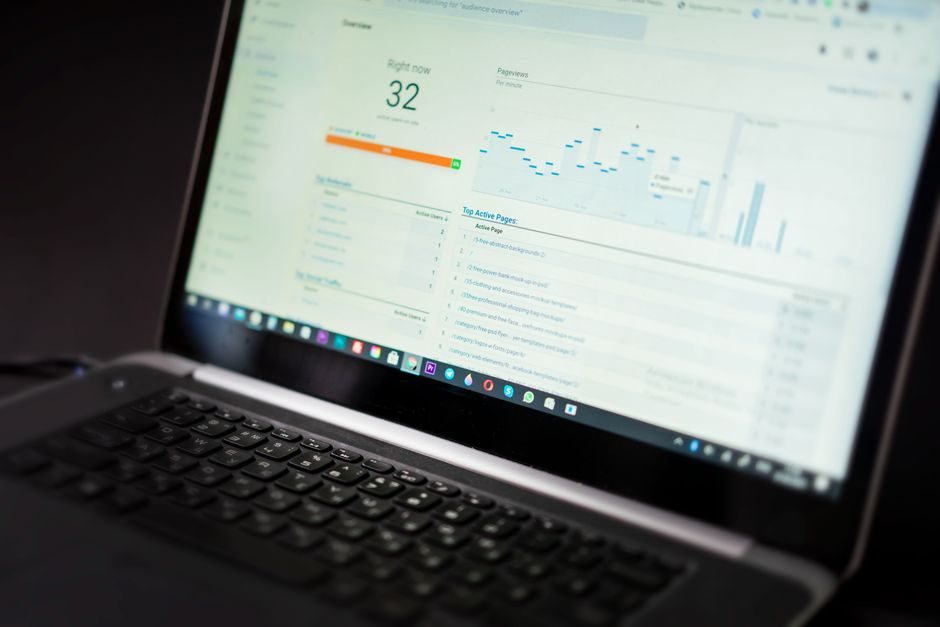
Trackable goals and simple metrics
Define clear, health-oriented goals for your event space promotion, such as attendee knowledge gain, or number of sign-ups for future events. Use simple metrics like attendance, RSVP conversion, and post-event feedback. This keeps evaluation practical and focused on wellbeing outcomes.
Collect qualitative feedback through short surveys at check-in or after the event. Ask what health topics resonated and what could improve accessibility. Summarize findings in a one-page report for stakeholders.
Regularly review results against goals and adjust messaging or channels accordingly. If a wellness audience responds better to in-person demos than online ads, shift more budget and effort there. Continuous tweaks prevent stagnation.
- Attendance rate
- Topic interest
- Accessibility feedback
- Sponsor satisfaction
- Follow-up engagement
Legal and ethical notes
Compliance and respectful outreach
Ensure all advertising materials comply with local regulations and venue rules to avoid last-minute cancellations. This includes permits for public events, safety signage, and accessibility disclosures. Clear, compliant messaging protects attendees and organizers.
Respect privacy by avoiding overly invasive data collection. Use opt-in mailing lists and transparent consent practices. Health information should be handled with care and never shared without permission.
Uphold integrity by avoiding misleading claims about health outcomes or endorsements. Provide accurate descriptions of what attendees can realistically expect and prevent any misrepresentation of the venue or programming.
Final planning steps
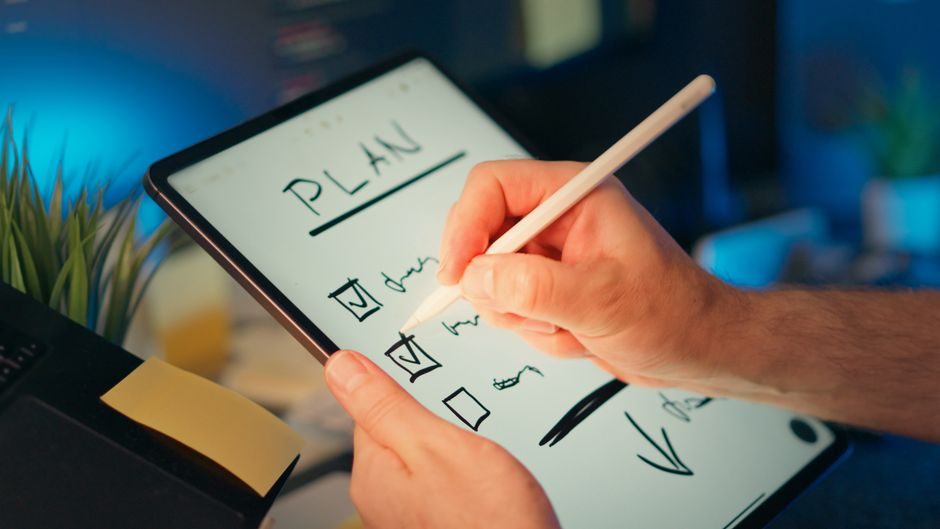
Last-minute readiness checklist
Create a concise, printable checklist covering logistics, safety, and accessibility. Include contingency plans for weather, tech failures, and low turnout. A practical checklist helps you stay calm and organized on event day.
- Confirm venue access and safety measures.
- Test tech and AV equipment.
- Brief the team and assign roles.
- Review and document outcomes.
Assign roles clearly before the event and rehearse key moments such as registration, introductions, and emergency procedures. Having a practiced team reduces confusion and improves the attendee experience.
Prepare for post-event wrap-up by collecting feedback, sending thank-you notes, and sharing takeaways with partners. This turns one-off events into ongoing wellness conversations that extend beyond a single date.
- Registration setup
- Access and safety checks
- Staff roles and call times
- Emergency procedures
- Post-event follow-up
Frequently asked questions
What audiences respond best to health eventsHealth audiences respond to practical, evidence-based content paired with clear benefits for wellbeing. Focus on actionable takeaways, realistic outcomes, and accessible formats like short workshops or demonstrations. Tie messaging to common health goals such as stress relief, nutrition, or exercise routines.
How can I advertise your event space ethicallyEthical advertising for health audiences centers on honesty, transparency, and accessibility. Provide accurate details about the space, capacity, and safety features. Avoid promising results you cannot deliver and disclose any potential limitations upfront.
What promotion channels work for wellness audiencesWellness audiences respond to a mix of in-person networking, local partnerships, and digital content that offers practical health tips. Use community boards, club newsletters, and health apps where appropriate. Align channels with the time people have for wellbeing activities.
What should be included in an event listingAn effective listing clearly states the event purpose, health focus, date, time, location, and accessibility details. Include a short agenda, registration steps, and contact options for questions. A straightforward format reduces confusion and boosts sign-ups.
Take the planning work forward by translating the checklist into a calendar with deadlines and responsible people. A disciplined timeline keeps momentum and reduces last-minute stress while ensuring safety and accessibility stay central.
Use the post-event feedback to refine future offerings and to build a simple, repeatable framework for health-focused events that support ongoing learning and community engagement.

Add Health News as a preferred source on Google


