
How to sell second-hand items in the USA: a health-focused guide
A practical explainer for readers seeking safe, responsible ways to sell used items in the USA, with health, safety, and wellness considerations.

Many readers want to declutter or fund wellness goals by selling items. This explainer focuses on the health-minded way to sell used goods in the USA, emphasizing safety, ethics, and practical steps. You’ll learn when it’s worth selling, how to prepare items, and how to choose reliable platforms that protect your health and data.
De-cluttering can reduce stress and free up space for healthier routines. The guide covers what qualifies as safe to sell, how to store items, and how to verify buyers. It also flags common risk signals and offers concrete, healthy practices for quick, low-stress transactions.
Finally, you’ll see how to plan sales with your well-being in mind, including timing, packing properly, and avoiding scams. The aim is a straightforward path from decision to payout that keeps your health front and center.
- Selling used items can support sustainable living and reduce clutter without compromising health. Prioritize safe items, clean handling, and honest listings. Choose platforms with clear protections to protect your data and wellbeing.
- Plan for both physical safety and mental well-being by arranging meetups in public places and maintaining a calm pace. Document cleaning steps, storage conditions, and buyer communications for accountability.
- Use health-conscious packing and shipping practices if needed, and stay alert to scams with a simple verification process. Align selling speed with personal energy levels to avoid stress.
Basics of selling second-hand goods
What to sell and why
Start with items you know are clean, functional, and safe. Prioritize things that don’t pose health risks, like clothing in good condition or kitchen gear that’s intact. This keeps the process simple and reduces worry about returns or complaints. A useful resource on this topic: sell second-hand items in the USA.
- Focus on items you can verify clean and safe
- Check for recalls or safety notices
- Avoid items with potential health hazards
- Focus on items you can verify clean and safe
- Check for recalls or safety notices
- Avoid items with potential health hazards
Where to start safely
Decide whether you’ll sell locally or online, based on what keeps you healthiest—local meetups reduce shipping stress. Clean, seal, and photograph items clearly to set expectations. Reading platform safety tips helps you avoid scams and keep your data safe.
A careful approach to listings reduces anxiety and returns. Use clear pictures, honest descriptions, and up-to-date contact methods. Plan pickups or drop-offs in public, well-lit areas if meeting buyers in person.
If a buyer insists on unusual payment methods or vague pickup, pause and reassess before proceeding.
Safety and health considerations

Cleaning and storage
Use non-toxic cleaners and wear gloves when handling fabrics or items with unknown origins. Store items in a clean, dry space to prevent mold and odors that can affect air quality. Document any repairs or cleaning steps to reassure buyers. A useful resource on this topic: US news news.
Keeping storage areas dry helps maintain air quality and reduces allergy triggers. Use zip bags for small parts and label boxes for easy access.
- Non-toxic cleaners only
- Label and date items
- Keep areas dry and ventilated
Handling money and data
Use traceable payment methods and avoid sharing sensitive information. Keep personal data off listings and communications to lower identity-theft risk. If a platform offers buyer protections, enable them and follow their steps carefully.
Secure handling of payments protects your financial health as well as your peace of mind. Set clear pickup rules and confirm identities when feasible.
Choosing platforms and methods
Local vs online channels
Local exchanges minimize shipping stress and make it easier to verify the buyer in person. Online channels expand reach but require clear, honest descriptions and safety planning. Balance your health preferences with the practicality of each method. A useful resource on this topic: list your event in the USA.
Most users find a mix of local and online sales works best, especially when time and energy are limited. Prepare a strong, truthful listing with multiple photos and a clear return policy.
- Local: in-person exchanges
- Online: careful descriptions
- Hybrid approach
| Method | Pros | Cons |
|---|---|---|
| Local pickup | Faster, easier to verify | Limited reach and audience |
| Online listing | Broader audience | Shipping adds cost and time |
| Hybrid model | Best balance | Requires more planning |
Choosing safe platforms
Look for platforms that have straightforward dispute resolution and buyer protections. Read reviews about transaction support and responsiveness. Favor sites with transparent policies and clear seller guidelines that reduce health-related headaches like scams or miscommunication.
Online platforms vary in how they handle returns and buyer disputes. A platform with clear steps reduces stress and helps you keep your health routine intact.
Disclose any safety concerns, especially for items like gym equipment or medical devices.
Ethical considerations in second-hand sales
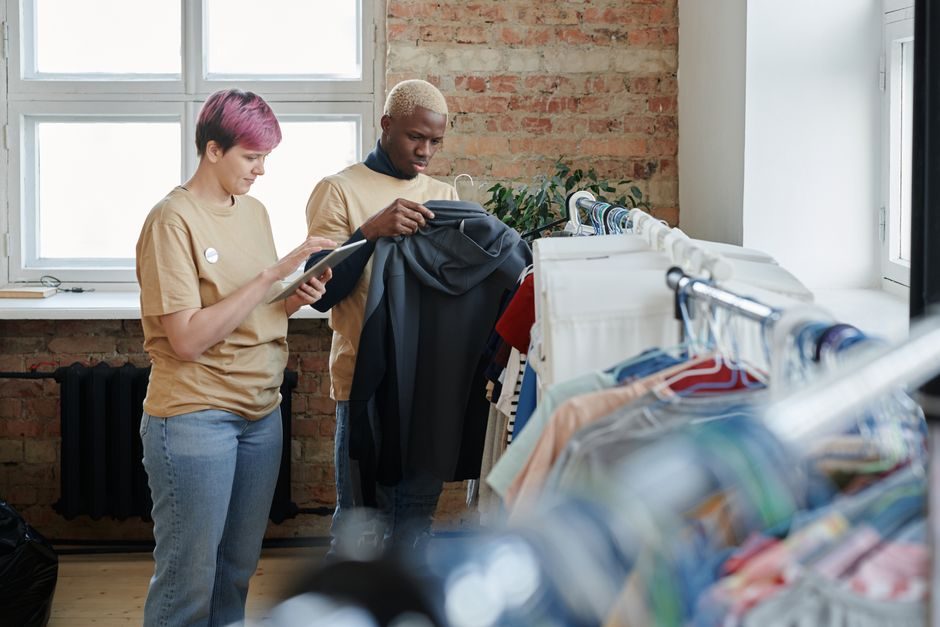
Fairness to sellers and buyers
Ethical selling starts with honesty about items’ condition and history. State clear defects and avoid misrepresentation, even if it costs a quick sale. Being transparent protects buyers and the seller’s reputation over time. A useful resource on this topic: register your company in the USA.
- State item condition accurately and document any defects.
- Offer reasonable returns or refunds when feasible.
- Respect local laws on sales and safety standards.
Disclose any safety concerns, especially for items like gym equipment or medical devices. If a product is refurbished, explain what was replaced and what remains original. A straightforward listing reduces disputes and builds trust within health-minded communities.
Consider how your choices affect others, including the impact on local communities and vulnerable buyers. Choosing to donate or recycle responsibly when an item has little resale value can be the right health-related move.
- Be accurate about condition
- Disclose safety risks
- Honor refunds if appropriate
- Avoid price gouging during shortages
- Respect local regulations
Environmental and health impact
Reducing waste and protecting health
Selling second-hand items diverts products from landfills and reduces resource use. This supports communities focused on sustainable living and public health. Each sale can delay the need for new production, which often involves energy use and pollution. place a death notice in the USA is a sensitive topic and not typically linked to consumer selling.
- Encourage repair over disposal where safe
- Explain disposal options for broken parts
- Highlight health-safety considerations in listings
Repurposing items like fitness gear or kitchen tools lowers environmental exposure to new materials and processes. Buyers should inspect items for mold, pests, or hidden corrosion which can affect indoor air quality and personal health.
Choosing to repair rather than replace keeps repair skills alive and reduces chemical use tied to manufacturing. Simple maintenance tips, such as cleaning and safe storage, protect both the buyer’s and seller’s health long term.
- Diverts waste from landfills
- Lowers production-related pollution
- Encourages safe repairs
- Promotes responsible disposal
Logistics for successful sales
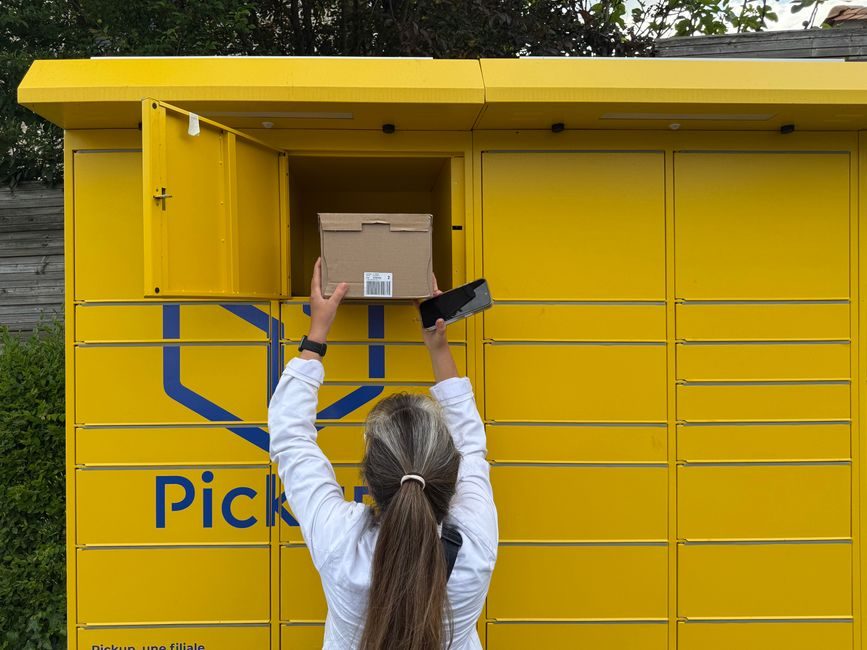
Create a smooth process for buyers
Outline a clear pickup or shipping plan to avoid delays and confusion. Specify pickup windows, accepted payment methods, and whether items require disassembly for transport. A predictable process lowers stress for both sides.
- Set clear pickup window and payment method
- Describe how to prepare item for transport
- Provide measurement details and photos
- Confirm safety considerations before handoff
Provide detailed item dimensions, weight, and any assembly steps needed on arrival. Include photos showing scale with common objects to help buyers assess practicality for their space and health needs.
Offer guidance on safe handling during pickup, such as avoiding heavy lifting without help and requesting a companion for awkward items. This reduces injury risk for everyone involved.
- Set pickup/shipping rules
- List item dimensions and weight
- Describe assembly requirements
- Suggest safe handling tips
Common scams and how to avoid them
Red flags in second-hand markets
Recognize common scam tactics such as overpayment, fake buyers, or requests for unusual payment methods. Stay aware of offers that seem too good to be true or pressure you to skip steps. These patterns protect both your money and your health privacy.
- ☐ Be cautious of unusual payment requests
- ☐ Use platform messaging for records
- ☐ Consult support when unsure
- ☐ Do not ship before payment clears
Verify buyers by exchanging contact details and confirming delivery arrangements before transferring any goods or funds. Keep communications within the platform when possible to preserve a record of transactions and terms.
Trust your instincts if a transaction feels rushed or vague. When in doubt, pause the sale, verify the item and terms, and seek a neutral third party if needed.
- Watch for overpayment
- Avoid off-platform payments
- Request verifiable contact details
- Pause if suspicious
- Keep transaction records
Frequently asked questions
Is it safe to sell medical devices second-hand?Selling used medical devices should follow safety guidelines and local rules. Only list devices that are fully functional and clean. Include any maintenance history and instructions for safe use, and avoid items that pose risk if not certified or repaired.
Can selling second-hand items impact household health?Yes. Proper cleaning, storage, and safe handling reduce exposure to allergens, mold, or pests. Listing care tips helps buyers set up a healthy space and minimizes complaints after delivery.
What should I do if a buyer requests a refund after delivery?Check your stated return policy and platform rules. If refunds are appropriate, process promptly and document the agreement. Clear communication reduces disputes and supports health-minded buyers.
Are there specific platforms for health-conscious buyers and sellers?Many mainstream marketplaces work well, but prioritize platforms that allow transparent listings, clear photos, and documented communications. Focus on items with accurate safety notes and detailed handling instructions to protect everyone’s health.
Practical next steps for health-minded sellers
Take stock of items that are safe to list, then clean and photograph them with clear safety notes.

Add Health News as a preferred source on Google


