
Medical Technology vs. Medical Laboratory Science: Key Differences
Learn how medical technology and medical laboratory science overlap, differ in training and daily work, and contribute to accurate diagnosis and patient care.

Medical technology is a broad term for tools and methods used to prevent, diagnose, monitor, or treat illness. Medical laboratory science is a specific healthcare discipline focused on analyzing patient samples, such as blood and tissue, to produce test results clinicians use. The fields overlap in laboratory testing, but one describes a wider set of technologies while the other names a profession and body of practice.
The terms can be confusing because some employers and educational programs use “medical technology” to refer to clinical laboratory work. In the United States, medical laboratory science is commonly used for the field, while medical technologist and medical laboratory scientist are job titles whose use can vary by employer.
If you are considering a healthcare career, compare the actual duties, education requirements, and credential expectations in specific job listings and programs. If you are a patient, understanding the distinction can clarify how laboratory results are produced and why testing is only one part of a diagnosis.
- Medical technology is a broad category of tools and methods used in healthcare; medical laboratory science focuses on testing patient specimens.
- Laboratory professionals use procedures and quality checks to produce results that clinicians interpret alongside other patient information.
- The fields overlap in diagnostic testing, but their roles, education, and career paths can differ.
- Check specific program curricula, job duties, and credential requirements before choosing a training path.
What medical technology means in healthcare
A broad set of clinical tools
Medical technology includes equipment, software, devices, and laboratory methods used in healthcare. Examples range from imaging systems and patient monitors to diagnostic tests and digital tools that help clinicians review information. The term describes what supports care, not one job or a single academic program, so its meaning depends on the setting.
A hospital may use the phrase for technologies that help detect a condition, guide treatment, or track a patient's response. A blood analyzer is one example, but so are an electrocardiogram system and software that organizes clinical results. These tools have different users, safety requirements, and roles in a care decision.
The technology itself does not make a diagnosis or replace clinical judgment. A device produces measurements or images, while trained professionals check the information, consider limitations, and relate findings to the patient's situation. Understanding that distinction helps explain why medical technology includes many specialties and why laboratory science is only one part of it.
Technology in everyday care
In day-to-day care, medical technology can support screening, diagnosis, treatment, and follow-up. A clinician may use an imaging system to assess an injury, a monitor to track vital signs, or a laboratory test to check for infection. Each tool answers a different question and must be chosen for the clinical need.
Many technologies work as part of a larger process rather than as stand-alone solutions. A test result may prompt a clinician to request another test, compare findings with symptoms, or adjust a care plan. Reliable use also depends on staff training, maintenance, appropriate testing procedures, and clear communication of results.
For career planning, the broad term is less useful than the specific role attached to it. Someone interested in medical technology might work with devices, health software, imaging, or laboratory diagnostics. Reviewing job duties and program curricula helps identify whether a path involves patient interaction, sample analysis, equipment support, or a combination.
How medical laboratory testing supports diagnosis
From specimen to result
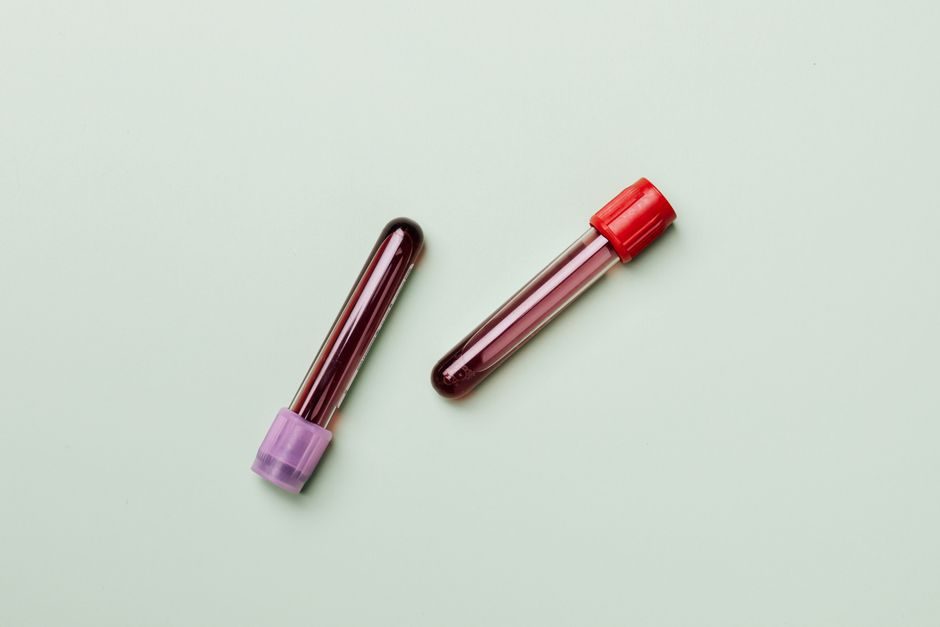
Medical laboratory testing turns patient specimens into information clinicians can use. Depending on the test, staff may analyze blood, urine, tissue, or another sample to look for cells, chemicals, microorganisms, or other indicators. The result can support a diagnosis, help assess risk, or show whether a treatment is having its intended effect.
- Laboratory tests analyze patient specimens to provide clinically useful information.
- Correct identification and handling of a sample are part of reliable testing.
- Clinicians interpret results in context rather than treating them as a diagnosis by themselves.
The process begins before analysis: a sample must be collected, identified, handled, and delivered appropriately. In the laboratory, staff follow procedures suited to the test and use instruments or manual methods to examine the specimen. They then check that results meet quality requirements before reporting them through the healthcare system.
A reported result is evidence, not a complete explanation of a patient's health. Clinicians interpret it alongside symptoms, medical history, examination findings, and other tests. A result outside a reference range does not automatically prove disease, just as a result within range cannot always rule out a condition.
Accuracy depends on quality
Laboratory quality practices help make test results dependable and comparable. Staff follow written procedures, check equipment, use controls, and investigate results that do not meet expected criteria. These safeguards matter because an error in collection, analysis, or reporting can affect the next clinical decision.
Different laboratory areas answer different questions. Hematology examines blood cells, microbiology investigates organisms that may cause infection, and clinical chemistry measures substances such as glucose or electrolytes. A laboratory professional needs to understand the methods and limitations relevant to the tests they perform, not just operate the equipment.
Some tests require quick reporting because the result may affect urgent care, while others support routine monitoring or screening. Laboratories organize work to meet clinical needs while maintaining quality checks. When a result is unexpected or a specimen is unsuitable, staff may need to repeat testing or request a new sample rather than report misleading information.
Where the two fields overlap
Shared work in diagnostics
Medical technology and medical laboratory science meet most clearly in diagnostic testing. Laboratory professionals use analyzers, test methods, and information systems to examine patient samples, while the broader technology field includes the tools and systems that make this work possible. In this setting, people and technology contribute different parts of the same testing pathway.
A clinical laboratory scientist may prepare a specimen, run an assay, review quality controls, and verify whether a result is ready to report. The analyzer supports measurement, but staff remain responsible for following procedure and recognizing problems. For example, a sample that is clotted or mislabeled may need to be rejected even if an instrument can process it.
The overlap also appears in laboratory information systems, which help manage orders, specimens, and results. These systems can support accurate communication, but they depend on correct data and appropriate access. Laboratory staff, information technology teams, and clinical users may all play a role in keeping the process safe and useful.
| Aspect | Medical technology | Medical laboratory science |
|---|---|---|
| Scope | Broad range of healthcare tools and methods | Laboratory testing and related practice |
| Examples | Monitors, imaging systems, analyzers | Blood, urine, and tissue testing |
| Work focus | Varies by technology and job | Specimens, procedures, quality, results |
| Career preparation | Depends on the specific technology role | Science coursework and laboratory training |
Different roles, connected goals
The fields share a goal of supporting safe, informed patient care, but their boundaries are not identical. Medical laboratory science centers on laboratory testing and the interpretation and reporting of results within a defined scope. Medical technology can include laboratory systems, but it also reaches into other clinical areas such as imaging and patient monitoring.
A laboratory professional typically works with specimens, testing procedures, quality controls, and result reporting. A medical technology specialist may instead focus on installing, maintaining, or evaluating equipment, depending on the job. In some settings, a role combines technical support with laboratory knowledge, so the title alone may not show the full scope.
These distinctions matter when choosing education or seeking work. A program focused on medical laboratory science prepares students for laboratory practice, while a broader medical technology program may have a different curriculum and career target. Comparing course lists, clinical placements, and employer requirements is more reliable than assuming similar terms mean identical training.
Medical laboratory science education typically combines science coursework with practical training in laboratory methods.
How training and credentials differ
Education for laboratory practice
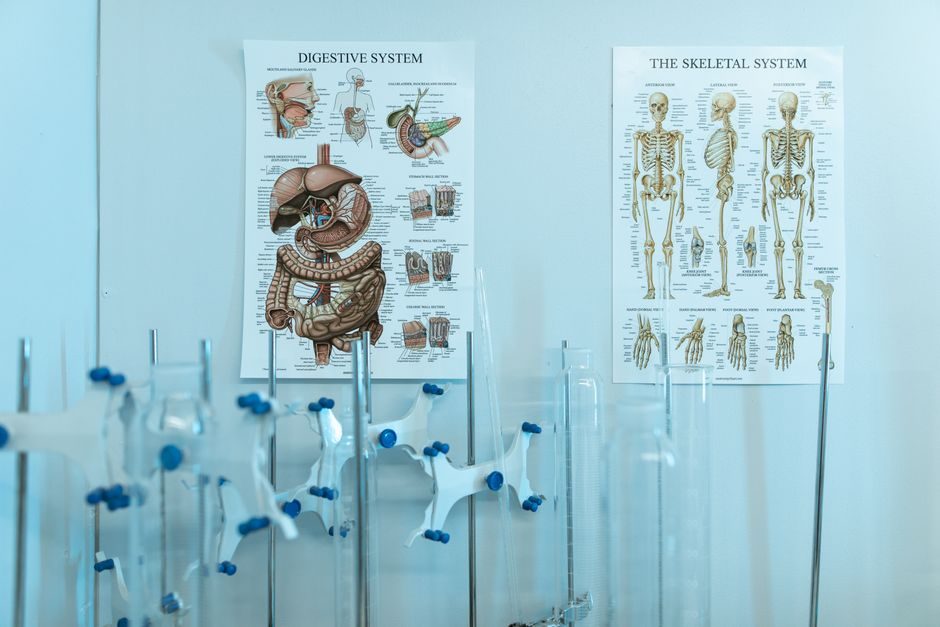
Medical laboratory science education typically combines science coursework with practical training in laboratory methods. Students study subjects such as biology, chemistry, microbiology, and hematology, then learn how to handle specimens, use testing methods, and apply quality procedures. Clinical experience helps connect classroom knowledge to work in a diagnostic laboratory.
Programs differ in structure and eligibility, so prospective students should check what each one prepares graduates to do. Some include clinical placements or a structured internship, while others may have separate arrangements. Confirming that the program meets relevant employer and certification expectations can prevent a mismatch between education and intended work.
Laboratory roles often require a strong foundation in accuracy, safety, and careful documentation. Training may cover how to recognize an unsuitable specimen, respond to an instrument issue, and follow procedures when results need review. These habits are central because a technically correct measurement still needs reliable handling and reporting.
Credentials and employer requirements
Credential expectations depend on the job, employer, and applicable state requirements. Some employers request or prefer professional certification for laboratory positions, while others specify different qualifications for entry-level or support roles. Applicants should verify current requirements directly with employers and relevant credentialing bodies rather than relying on a job title alone.
The terms medical technologist and medical laboratory scientist may be used differently across organizations and regions. A posting's duties and qualifications offer a clearer picture than its title: check whether it involves independent testing, specimen processing, quality review, or equipment support. Also confirm whether a credential must be held at application or can be obtained after hiring.
For careers outside laboratory practice, training may focus on another technology area, such as imaging equipment or clinical systems. Those paths can have distinct educational requirements and credentials, so a laboratory science degree may not be the right preparation. Before enrolling, identify the target role and compare its stated prerequisites with the program's outcomes.
Career options in hospitals and diagnostic labs
Roles across the laboratory
Medical laboratory professionals can work in hospital laboratories, independent diagnostic labs, blood centers, public health laboratories, and research settings. In hospitals, they may handle urgent samples around the clock, while reference labs often process tests sent from many clinics. The work setting affects the pace, range of testing, and amount of direct contact with clinical teams.
Job titles vary by employer, so read the duties rather than relying on the title alone. A medical laboratory scientist may perform complex testing, review results, and troubleshoot instruments; a medical laboratory technician may focus on defined testing procedures under supervision. Some employers use medical technologist for roles that overlap with scientist positions, making credential requirements especially important.
Laboratory staff usually have limited direct patient interaction, but their results guide diagnosis and treatment. A hospital may have specialized teams for blood bank, microbiology, chemistry, or hematology, while a smaller lab may ask staff to cover several areas. Compare job postings in your preferred setting to see which tasks and schedules are common locally.
- Hospital and clinic laboratories
- Independent diagnostic laboratories
- Blood centers and transfusion services
- Public health and research laboratories
Advancement and work settings
Career growth can come through deeper expertise, supervision, education, or quality management. A laboratory professional might move from general testing into microbiology or transfusion services, then take responsibility for training staff or reviewing quality procedures. Advancement often depends on experience, additional education, employer requirements, and the credential relevant to the role.
Some professionals shift into instrument support, laboratory information systems, sales, or regulatory and quality work. These positions draw on laboratory knowledge but may involve less bench testing and more communication, documentation, or troubleshooting. Ask employers what experience they expect before pursuing a transition, since job titles alone do not reveal how much laboratory practice a role requires.
When evaluating openings, compare shift patterns, supervision, testing specialties, and opportunities for continuing education. A role on evenings or weekends may offer a different routine from a weekday clinic position, even when the testing is similar. A healthcare employer may use Seo Services to make accurate laboratory career information easier for applicants to find.
Questions to ask when comparing programs
Check accreditation and clinical placements
Start by confirming that a program is recognized by the relevant accrediting bodies and meets the eligibility rules for the credential you plan to pursue. Requirements can differ by state, employer, and certification route, so verify them with the licensing authority and certifying organization rather than assuming one degree works everywhere. Ask the school to explain how its curriculum aligns with those requirements.
- Confirm the program’s accreditation and credential eligibility.
- Ask which clinical sites and laboratory departments are available.
- Review the curriculum against state and employer requirements.
- Compare completion, certification, and employment information separately.
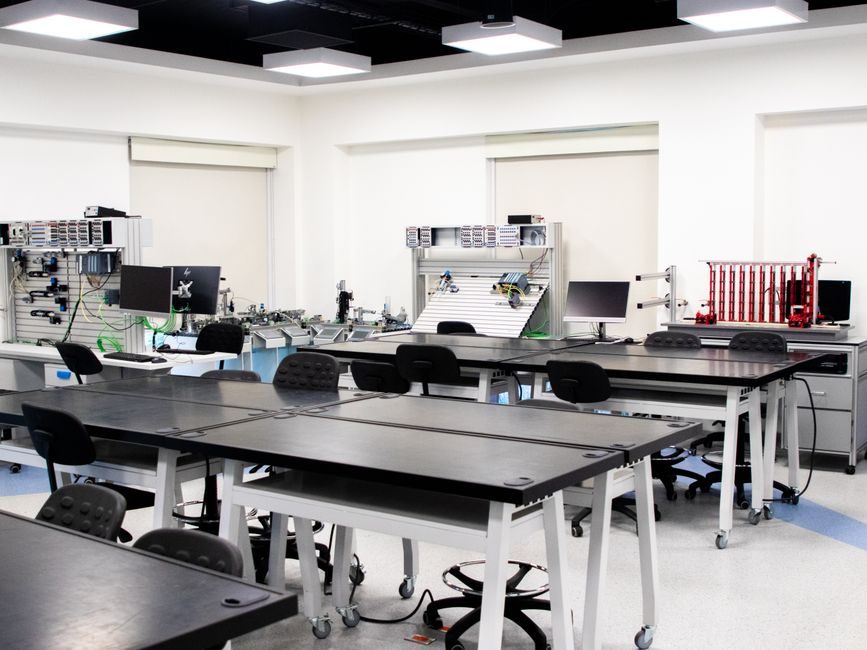
Find out where students complete clinical rotations and whether the school arranges placements. Training in a working laboratory gives students practice with specimens, instruments, safety procedures, and quality controls that classroom instruction cannot fully reproduce. Ask about the range of departments available and what happens if a placement site has limited capacity.
Compare program outcomes using clear definitions: completion, certification eligibility, and employment are not interchangeable measures. Ask how the school calculates each figure and what support it offers if a student needs help with coursework or clinical requirements. A Leicester-based provider or laboratory recruiting locally may use Leicester Seo Services to help applicants find current program or job information in its service area.
Compare learning and practical support
Review the curriculum for core subjects such as clinical chemistry, hematology, microbiology, immunology, blood banking, and laboratory operations. The exact course names vary, so focus on whether students gain knowledge across major testing areas and learn to interpret quality-control procedures. Ask how practical laboratory sessions fit alongside lectures and online coursework.
Ask about faculty access, tutoring, advising, and preparation for certification exams. These supports matter when students encounter unfamiliar concepts or must balance clinical placements with other responsibilities. Clarify whether laboratory equipment is available for practice and whether students receive feedback on technique, documentation, and safe specimen handling.
Compare the full time commitment, including commuting to clinical sites, required in-person sessions, and any prerequisite courses. A program that appears flexible online may still require substantial on-site training. Request a written course sequence and placement expectations, then compare them with your work, caregiving, and transportation needs before enrolling.
- Check course coverage across testing specialties
- Ask how clinical placements are assigned
- Confirm access to tutoring and exam preparation
- Map in-person requirements against your schedule
How laboratories explain their services to patients
Make test information understandable
Clear patient information explains what a test is for, how to prepare, and what happens when a sample is collected. A laboratory can distinguish tests that require fasting from those that do not, while directing patients to confirm instructions with the ordering clinician. Plain language and consistent wording reduce confusion before an appointment.
- Using technical test names without plain-language explanations; pair terminology with a clear purpose.
- Listing preparation rules without telling patients to confirm clinician-specific instructions; identify who can clarify them.
- Leaving outdated location or collection details online; assign a process for checking service information.
Patients also need practical details, including whether appointments are required, which locations collect particular specimens, and how results are delivered. Service pages should explain that results may need interpretation by a clinician rather than implying that a laboratory diagnosis replaces medical advice. Laboratories serving a defined community may use Local Seo Services to help patients find accurate location and service details.
Information should be reviewed when collection hours, test availability, or preparation guidance changes. Staff can compare online instructions with what patients ask at reception and update unclear wording. A concise phone number or contact route helps people resolve questions that cannot be answered safely through general instructions.
Protect privacy and set expectations
Laboratories should explain how patients can access results and what to do if a result is delayed or difficult to understand. Instructions need to distinguish the laboratory’s role from the ordering clinician’s role, since clinicians interpret findings alongside symptoms and medical history. Avoid wording that suggests every result provides a complete diagnosis.
Privacy guidance should direct patients to secure channels for questions about personal results. Staff can explain identity checks and portal access without discussing sensitive details in public areas. If a patient does not use online services, provide the appropriate alternative route rather than assuming every person can access a portal.
Good communication also makes limitations clear. A specimen may need recollection if it is insufficient, damaged, or unsuitable for a particular test, and patients should be told how they will be contacted. Give staff a consistent explanation and escalation path so that questions about urgent symptoms reach a clinician promptly.
- State how results are delivered
- Direct result interpretation questions to the ordering clinician
- Offer a secure route for personal inquiries
- Explain what happens if a sample must be recollected
What to consider before choosing a path

Match work to your strengths
Choose a path by considering whether you enjoy precise procedures, sustained concentration, and careful documentation. Laboratory work can involve repeated steps, strict safety rules, and decisions about whether a result meets quality standards. People who value evidence-based routines may find this satisfying, while those seeking frequent patient interaction may prefer a different healthcare role.
- ☐ Read several local job descriptions and note required credentials.
- ☐ Compare daily duties with your preferred work style.
- ☐ Confirm schedule and clinical placement demands.
- ☐ Verify credential eligibility with the relevant authority.
Think about the parts of the work that matter most to you: specialized testing, broad exposure, teamwork, or opportunities to move into leadership. A hospital laboratory may require shift work and rapid coordination, while another setting may offer a narrower testing focus. Talk with working professionals about an ordinary shift, not only the most interesting cases.
Check local job postings for required education, credentials, schedules, and experience before choosing a course. Requirements may vary between employers, and the same title can describe different responsibilities. Use those postings to identify gaps between your current qualifications and the roles you want, then confirm the details with employers or credentialing organizations.
Plan for changing responsibilities
Laboratory careers can change as testing methods, instruments, and healthcare needs evolve. Continuing education helps professionals maintain competence and may support movement into specialist, supervisory, or quality roles. Ask whether employers provide training time and how staff learn new procedures before they perform them independently.
Consider the practical demands of the work, including standing, handling specimens, wearing protective equipment, and following detailed protocols. These conditions vary by laboratory and department, so a workplace visit or informational interview can add useful context. Ask how teams manage workload, safety, and breaks during busy periods.
Before committing to a program, make a short plan covering prerequisites, financing, placement logistics, and the credential you intend to seek. Then check the plan with an academic adviser and a potential employer or credentialing body. This step can reveal a missing requirement early, when adjusting your course choices is easier than after graduation.
- Ask about continuing education expectations
- Find out how new procedures are introduced
- Discuss physical demands and safety practices
- Confirm a route from coursework to credential
Frequently asked questions
Are medical technology and medical laboratory science the same field?They substantially overlap and are often used to describe laboratory testing work that supports diagnosis and treatment. Medical laboratory science commonly names the discipline and its educational programs, while medical technology may refer to the work, profession, or a particular job title. Because employers use titles differently, compare the duties, credential requirements, and scope of practice in each posting.
Do laboratory professionals diagnose patients?Laboratory professionals analyze specimens and report findings, but they generally do not diagnose patients independently. A clinician interprets laboratory results alongside symptoms, examination findings, and medical history. Laboratory staff can help ensure that results are reliable and may communicate critical findings through established procedures, but questions about what a result means for an individual’s health should go to the ordering clinician.
What credentials should I check before applying to a program?Check whether the program meets eligibility requirements for the certification you plan to pursue and whether your state or prospective employers have additional rules. Confirm details directly with the relevant certifying organization and licensing authority, since requirements may change or differ by route. Also ask the school how clinical placements fit into its curriculum and whether completing the program qualifies you to apply for the credential.
Can laboratory professionals move into other healthcare roles?Yes. Laboratory experience can support moves into supervision, education, quality management, instrument support, laboratory information systems, or other related work. Each position has its own requirements, and some may call for further education or specific experience. Review job descriptions and speak with employers before planning a transition so you can identify which skills or credentials to build.
Choose a route that fits the work
Medical technology and medical laboratory science describe closely connected work, but program names, job titles, and credential routes are not always consistent. Focus on what professionals do each day, where they work, and which qualifications employers require. Laboratory results inform patient care, even when the testing professional has little direct contact with the person whose sample is being analyzed.
For a practical next step, collect several local job postings and mark the duties, credentials, schedules, and specialties that appeal to you. Compare those requirements with accredited programs and confirm eligibility with the appropriate credentialing body before enrolling. If possible, speak with a laboratory professional about a typical shift; that conversation can help you test whether the real work matches your expectations.

Add Health News as a preferred source on Google


