
Practical guide to housing for healthier living in the USA
A clear guide for health readers: how to find rooms and property to rent in the USA with safety, affordability, and well-being in mind.

People who care about health want stable, safe spaces. This guide explains how to find rooms and property to rent in the USA with practical steps that protect sleep, stress levels, and routines. You’ll learn what to check, how to compare options, and how to spot common pitfalls before you commit.
From the ethics of sharing spaces to the basics of leases, the focus is on how housing affects health. Start with clear questions about your budget, location, and safety needs. Then translate those into a practical plan you can follow this week.
Expected outcomes are concrete: you’ll know where to look, what to ask, and how to verify the quality of a rental so it supports your daily health goals.
- Choose housing that supports sleep, safety, and access to healthcare. Use a simple health rubric when touring and compare total costs, not just rent. Prepare a checklist you can reference at every viewing.
- During reviews, read leases for repair timelines and safety commitments. Prioritize options with clear maintenance processes and quiet hours.
- Plan viewings to gather concrete data: air quality, lighting, space, and safety. Talk to current tenants when possible and document concerns.
- Finally, verify costs and lease terms in writing. Confirm renewal rules, price stability, and any fees that could affect your daily routines.
Basics of finding suitable housing
What to assess before looking
Begin with your health priorities: sleep, sunlight, air quality, and noise. List non-negotiables like proximity to clinics, parks, or transit routes. This clarity speeds up decisions and reduces wasted time. rooms and property to rent in the USA
Consider seasonal needs: a quiet bedroom for nights, a dependable heater in winter, and safe walking routes at night. Your list becomes a checklist during viewings.
- Make a short health-focused requirement list
- Check safety features on sites you visit
- Ask about recent maintenance issues
How to compare options
Create a simple rubric that scores each option on health-related factors: sleep quality, air, sunlight, noise, and access to healthcare. Use this during tours to keep impressions objective.
Record concrete examples from visits, like “bedroom faces quiet courtyard” or “HVAC maintenance done last month.” These specifics help you decide when trade-offs arise.
Use a practical rule: the healthiest choice isn’t the cheapest or closest, but the one with the best balance of wellbeing factors.
How to navigate safety and legality

What to read in a lease
Leases spell out who pays for utilities, how long you stay, and what happens if you leave early. Read for health protections, like repair timelines and rights to quiet enjoyment. CTE News latest news
Note any restrictions that could affect daily life, such as pet rules or noise limitations. These details impact stress and routines.
Take notes during the review and don’t sign without understanding every clause.
Safety checks before moving
Inspect locks, lighting, and common areas during day and night to assess safety. Favor well-lit paths, secure entrances, and visible maintenance requests.
Ask about building history, recent repairs, and any safety incidents that affected tenants. Real-world details reveal ongoing risk factors.
Document concerns with photos or notes and request written responses from landlords.
Understanding costs and health impact
Budgeting for health-friendly rent
Rent is only part of the cost. Include utilities, internet, and transit to keep a true picture of monthly expenses that affect stress and health routines. post your event in the USA
- Calculate all monthly housing costs
- Prioritize affordable options with good access
Avoid places that force long commutes or expensive heating in extreme weather, which can increase fatigue and reduce activity.
Compare total costs against your health budget to avoid compromises that hurt sleep or exercise.
| Option | Health factors | Costs & terms |
|---|---|---|
| Shared room | Moderate noise, closer access to services | Lower base rent; utilities not always included |
| Studio | Good light, private space | Higher rent, potential utility costs |
| 1-bedroom | Balanced space | Moderate rent, stable terms |
Hidden costs and health impact
Some rentals appear affordable but add fees for parking, amenities, or late payments. These can disrupt routines and increase anxiety.
Ask for a breakdown of any expected increases in the first year. Stability matters for mental health and daily plans.
If a lease seems flexible, confirm how price changes are communicated and capped.
Set a routine for viewings and take notes immediately after each visit to preserve details that affect health.
Searching strategies and practical steps

Smart search habits
Use reputable rental sites and local listings to broaden your options without overwhelming yourself. Filter by health-relevant criteria like quiet hours and transit access. add your business listing in the USA
Set a routine for viewings and take notes immediately after each visit to preserve details that affect health.
Prioritize a handful of strong candidates rather than dozens of marginal options.
Managing the viewings
Treat viewings like a health assessment: test air quality by noting smells, test light levels, and space to move without feeling crowded.
Ask current residents about noise patterns, cleaning schedules, and how the building handles leaks or drafts.
Bring a friend or advisor who can provide a second health-focused perspective.
- Check air, light, and space
- Ask about noise and maintenance
- Bring a second pair of eyes
Lease safety and wellbeing
Lease terms to clarify early
A solid lease outlines duties for both landlord and tenant, reducing disputes later. Start by noting who is responsible for repairs, utilities, and security deposits. This clarity helps you avoid costly surprises when problems arise in the unit or building. place an obituary in the USA is a sensitive personal choice that might influence where you live if community support is a factor.
- ☐ Inspect the thermostat, ventilation, and smoke detectors before moving in.
- ☐ Take dated photos of any pre-existing damage and share them with the landlord.
- ☐ Secure written confirmation of all agreed repairs or accommodations.
- ☐ Store contact details for after-hours emergencies in a visible place.
Ask for the exact move-in date, the condition of appliances, and how notifications will be delivered for notices. Having these details in writing speeds up conflict resolution and keeps stress low if issues occur.
Document any agreed-upon repairs and agreed deadlines in the lease or an addendum. A signed record helps you enforce promises and protects your health-related needs, such as plumbing or heating fixes that affect comfort and safety.
- Clarify who pays for maintenance
- Record repair timelines
- Note accessibility features
- Confirm pet and noise policies
Renting for mental health
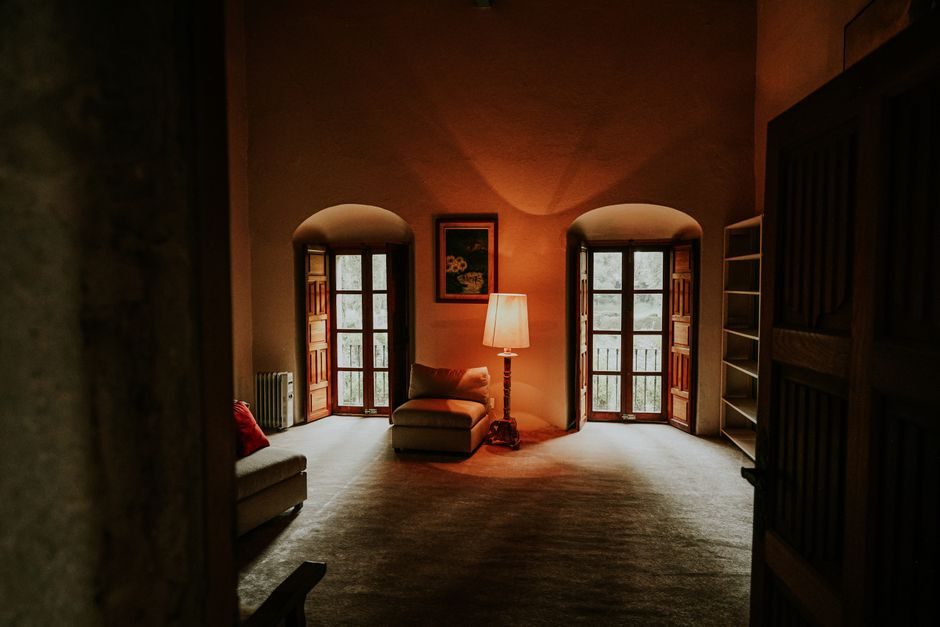
Environment that supports calm
An orderly, quiet space supports sleep, focus, and mood stability. Prioritize units with good natural light, reliable heating, and low noise from streets or neighbors. Consider a trial period to gauge how the space affects your daily routines and stress levels.
Ask about building policies that affect mental health, such as noise mitigation, late-night access, or community spaces. Knowing what to expect reduces anxiety and helps you establish a healthier daily rhythm.
If you have sensitivities or require accommodations, discuss accessibility options early. Clear communication can lead to reasonable adjustments that improve overall wellbeing in the home.
- Choose light, insulating spaces
- Ask about quiet hours and amenities
- Request reasonable accommodations
- Schedule a trial period if possible
Transit and daily routines
Proximity that supports activity
Proximity to public transit or safe walking routes can boost daily activity and reduce stress from commuting. Evaluate typical trip times to workplaces, clinics, and schools, and compare them to your current routines. Small time savings add up to better mornings and lower fatigue.
Check for grocery stores or pharmacies within easy reach to minimize last-minute rushes that raise stress or affect nutrition. Consistent routines help you keep healthier eating habits and regular sleep schedules.
Think about seasonal changes and safety when choosing a location. Well-lit sidewalks and reliable weather-related services reduce anxiety and support consistent exercise and self-care routines.
- Map daily trips and approximate times
- Evaluate nearby services
- Consider safety and lighting
- Account for seasonal changes
Final checks before signing

Documented health considerations
Before you sign, confirm that the unit meets basic health standards: clean air, functional plumbing, and safe electrical systems. Request recent inspection reports or disclosures about past issues and how they were resolved. This reduces the risk of hidden problems that affect daily wellbeing.
Verify access to medical services or clinics nearby, especially if you depend on routine care or emergency triggers. A nearby pharmacy or hospital can be a buffer during health scares or treatment cycles.
Review neighborhood safety data and local resources for mental health and wellness. Knowing where to turn for support can reduce anxiety about living in a new area.
- Air quality and ventilation
- Maintenance and past repairs
- Nearby health resources
- Safety and neighborhood wellness
Frequently asked questions
What should I look for in a lease related to health and safety?Focus on ventilation, heating reliability, water quality, and any required building repairs. Document the condition of the unit at move-in and keep copies of all notices or repair requests. Clear records reduce miscommunication and protect your wellbeing.
How can I assess a neighborhood’s suitability for mental health?Evaluate noise levels, safety, access to green spaces, and nearby services such as clinics or pharmacies. A calmer environment supports sleep, mood, and consistent routines, which are important for overall health.
What questions should I ask during a viewing about accessibility?Ask about entry ramps, elevator access, door widths, and bathroom setup. If you have mobility or sensory considerations, request any reasonable adjustments in writing and verify them before signing.
What if I need a short-term place while I search for long-term housing?Look for spaces with flexible leasing or month-to-month options. Confirm what is included in the rent (utilities, internet) and whether you can extend or terminate without penalties if your health needs change.
Next steps for healthy housing
Once you have a shortlist, schedule both a physical viewing and a quick health check of each unit. Bring a list of health-related questions and a companion to help observe sleep, light, and air quality features. This makes the decision process faster and more reliable.
After you sign, set up a simple plan for monthly maintenance requests and a health-focused routine in your new home. Keep a log of issues and how they were addressed, and update it after any major changes to support ongoing wellbeing.

Add Health News as a preferred source on Google


