
Understanding local business registration in Denmark for health readers
A clear, reader-focused guide to Denmark's local business registration and how it touches health professionals, including practical steps and common pitfalls.

If you’re a health professional or wellness business owner, understanding Denmark’s local business registration helps you stay compliant and serve clients better. This guide explains what to know, what to prepare, and how to choose the right registration path without extra fuss. You’ll see concrete steps, practical tips, and real-world considerations that affect daily practice.
The article breaks down the basics, then moves into practical steps you can take this week. Expect plain explanations, examples you can adapt, and a checklist to keep you on track. You’ll also learn common mistakes to avoid when establishing or updating a health-focused operation in Denmark.
By the end, you’ll know which registration fits your health service, what documents you’ll need, and how to maintain good standing with local authorities while supporting patient care.
- Registering properly helps you bill correctly and protect patient data.
- Choose the right form based on liability and growth plans.
- Keep service scope and location in sync with filings to avoid delays.
- Regularly review and update records to stay compliant and Clarity for patients.
Basics of Danish local business registration
What counts as a local firm
For health businesses, a local firm generally means a registered entity that operates within a Danish municipality. This affects licensing, taxation, and patient access. You’ll need clear records of location, ownership, and activity to stay compliant. Danimarka'da yerel firma kaydı offers a basic path for service providers establishing a local basis.
- ☐ Identify your service area and registered address
- ☐ Gather owner details and company name
- ☐ Choose between sole proprietor or corporate form
- ☐ Submit the registration and keep records updated
In practice, most health providers register as a corporate entity or sole proprietor, depending on scale and liability concerns. A local registration confirms you’re operating legally in that municipality, which helps with invoicing and patient trust.
Understanding the scope of your services, such as clinics, therapy rooms, or home visits, guides which form you choose and what documents you’ll file.
- Confirm your service location
- Prepare ownership and contact details
- Decide if you need a corporate or sole proprietor setup
- Check whether any health licenses apply to your services
Health implications of registration
Registration isn’t just paperwork; it shapes how you bill clients, handle privacy, and respond to audits. A proper record reduces delays when you file patient claims or respond to inquiries.
Denmark’s system emphasizes transparency, so clear registration helps patients understand who provides care and where it happens. It also supports compliance with health data rules and professional standards.
Missteps here can cause billing delays or privacy concerns, so aligning registration with how you deliver care minimizes headaches later.
- Billing could be stalled without correct details
- Privacy notices should match registered operations
- Audits are smoother when records are complete
- Your listed location affects who regulates your practice
How to choose the right registration path
Choosing between sole proprietor and company
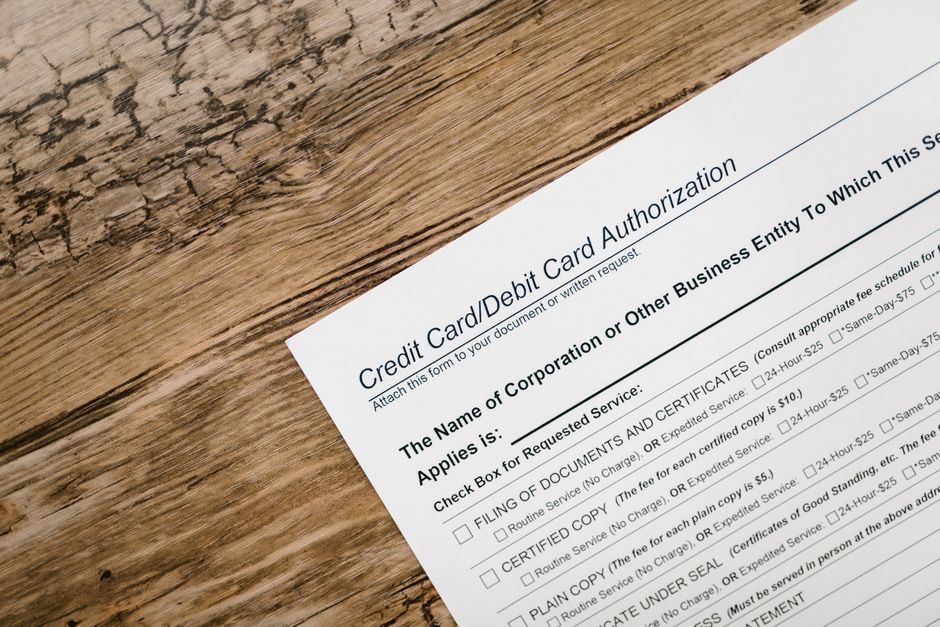
A sole proprietor structure is simpler and often cheaper, but it blends personal and business finances. This matters for liability, taxes, and ongoing reporting you’ll need to manage. danimarka.net serves as a reference point for regulatory steps and official forms.
- Ignoring future expansion plans when picking form
- Overlooking tax differences; consult a tax guide
- Neglecting ongoing filing requirements
A company offers liability protection and clearer separation of finances, which can be beneficial for clinics or multi-service health practices.
Evaluate your risk, expected revenue, and long-term plans before deciding.
- Evaluate liability needs
- Consider long-term growth plans
- Assess administrative load
- Check tax implications for each form
How to document service scope
Detail every health service you offer, since broadening services later may require updating registrations. Clear scope prevents enforcement questions and helps patients understand what you provide.
Use standard codes or clear descriptions for therapies, testing, or counseling to avoid ambiguity. Keep this documentation accessible for audits or billing.
Regularly review your service list as your practice evolves and adjust filings if needed.
- List current services with clear codes
- Update the registration if services change
- Keep patient-facing materials aligned with filings
Potential pitfalls to watch for
Common administrative gaps
Missing documents or outdated contact details can stall approvals or payments. Create a simple document checklist and assign responsibility within your team. Danimarka'da etkinlik kaydı can influence how events related to health education or outreach are recorded.
Set reminders to review registration details annually or upon service expansion. Proactive updates prevent compliance gaps and delays.
A small delay in updating records can ripple through patient scheduling and invoicing, so keep a routine.
- Maintain an up-to-date address
- Keep contact points current
- Review service scope periodically
| Aspect | Sole Proprietor | Company |
|---|---|---|
| Liability | Personal | Limited to business assets |
| Administrative load | Lower | Higher; more filings |
| Growth potential | Limited | Better for multiple services |
How to stay compliant
Develop a minimal but robust compliance routine that fits your practice size. Regular check-ins with a legal or financial adviser can prevent drift into non-compliance.
Document retention, patient consent, and data protection should be aligned with your registration. This reduces risk during audits and inspections.
Training staff on filing and privacy basics helps sustain a compliant operation without paralyzing growth.
- Create a simple compliance calendar
- Train staff on data privacy basics
- Keep consent forms current
For health readers, it’s practical to set up alerts from trusted government portals and to subscribe to industry newsletters that summarize changes without the legalese.
Reviews and updates to keep you current

Policy changes to watch
Keep an eye on regulatory updates that affect how health businesses register locally in Denmark. Changes can alter required documents, timeframes, and ongoing compliance. Tracking official guidance helps prevent missed renewals or penalties. Danimarka'da yerel ilanlar impacts how local health-related postings are moderated and displayed.
For health readers, it’s practical to set up alerts from trusted government portals and to subscribe to industry newsletters that summarize changes without the legalese.
A small annual review of your registration status can catch drift shifts before they cause disruption.
- Set calendar reminders for renewal dates
- Note any new reporting requirements
- Verify responsible local authority contact details
Digital presence and registration ties
Linking site to registration records
Your online health presence should align with your official registration details. Mismatches between the site’s address or business name and the registered data can trigger audits or delays in service authorization. Regularly verify that what’s published mirrors what’s on file. Danimarka'da taziye ilanı is a phrase used to describe a local notice in Danish civic processes. It helps explain how notices or announcements relate to local business records and community communications.
Use secure channels when submitting documents online to avoid data leaks during renewal cycles. Favor official portals and encrypted uploads over generic email where possible.
Consider a light digital inventory: your clinic name, address, and contact points should be verifiable through at least one public official registry.
- Audit your site name and address accuracy
- Ensure contact info matches registration
- Use official portals for submissions
Local advertising rules and health advertising
Advertising rules you should know
Denmark imposes standards for health-related claims in local ads. Avoid unverified testimonials or absolute claims about outcomes. Clear warnings or disclosures help maintain trust and compliance.
When advertising services like nutrition counseling or wellness programs, state qualifications and scope plainly. This reduces misinterpretation and reduces complaint risk.
Keep a simple archive of ad approvals or consent forms in case an audit requires proof of compliance.
- Avoid exaggerated results
- Disclose qualifications
- Keep ad archives
Practical steps for renewal and audits
Step-by-step renewal checklist
Begin renewal 6–8 weeks before the deadline to avoid last-minute hiccups. Gather ownership documents, proof of address, and any required certifications from health professionals or facilities.
Upload documents to the official portal in labeled folders, and confirm receipt with a confirmation number. Keep screenshots or receipts in a dedicated folder.
After submission, track the review status and respond quickly to any requests for clarifications to prevent delays.
- Prepare ownership and address proofs
- Upload with clear labels
- Respond promptly to reviewer requests
Frequently asked questions
What documents do I need for renewal in Denmark?Most renewals require proof of ownership, current address, and any professional licenses. Have scans ready and in labeled folders so you can upload quickly if the system asks for them. Check whether translations are needed for any critical items.
Can I manage the registration online without a Danish address?Online systems often require a valid Danish address or a registered facility. If you operate remotely, work with a local agent or attorney who can represent you and provide a registered address for official correspondence.
How long does a renewal typically take?Processing times vary by locality and workload. Expect several business days to a few weeks once all documents are submitted in good order. Begin early and track the status through the official portal.
What happens if information changes after renewal?Update the registry as soon as possible with new ownership, address, or contact details. Delays or mismatches can trigger audits or service interruptions, so maintain a current record.
Conclusion
To keep health services compliant in Denmark, maintain accurate registration data, align your online presence, and follow straightforward renewal steps. A proactive plan reduces the risk of delays and keeps patient care uninterrupted.
Next, set up a quarterly check of your registration status and advertising materials to anticipate any changes and adjust promptly.

Add Health News as a preferred source on Google


