The Importance of Relaxation in Modern Life
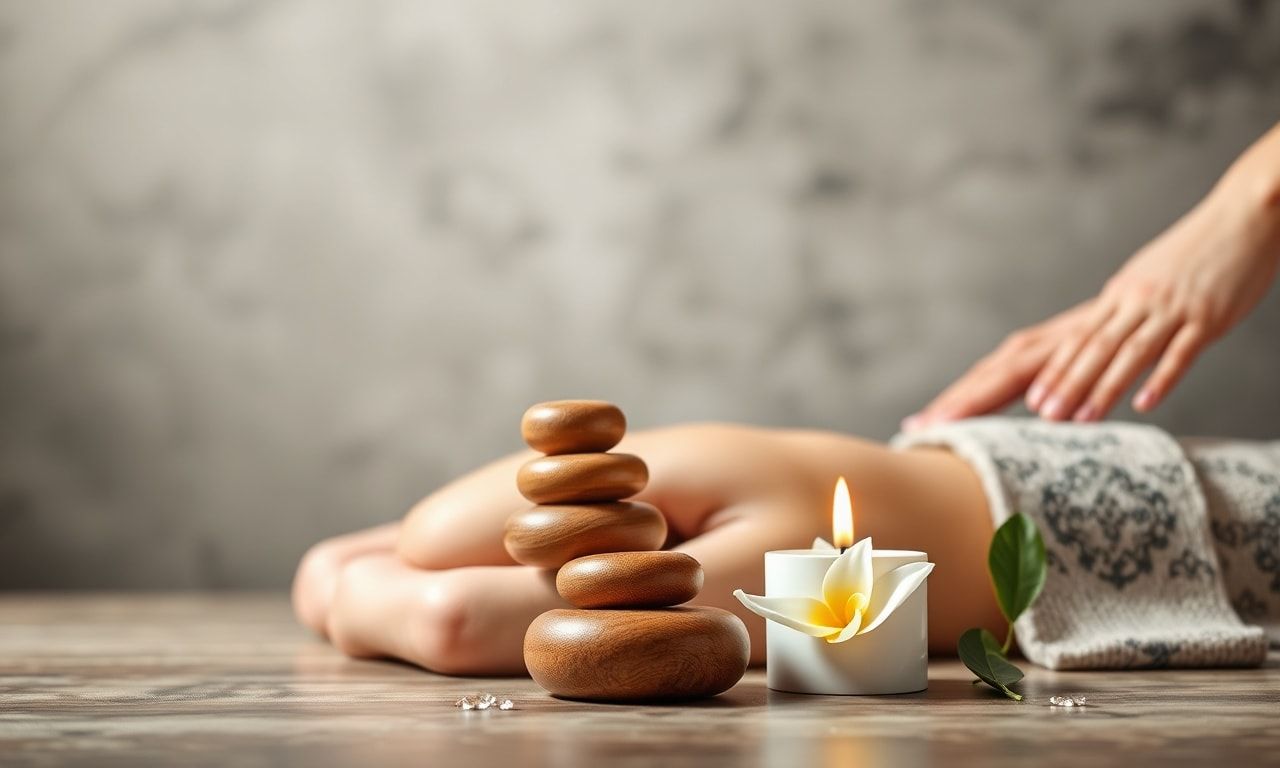
In today’s fast-paced world, relaxation is more important than ever. Chronic stress can lead to a myriad of health issues, including high blood pressure, heart disease, and mental health disorders. Incorporating relaxation techniques into your daily routine can significantly improve your overall well-being. One such technique that has gained widespread popularity is Asian massage. These practices, rooted in ancient traditions, offer a holistic approach to relaxation and healing.
The Origins and Principles of Asian Massage
Asian massage techniques have been practiced for thousands of years, with origins in countries like China, Japan, Thailand, and India. These practices are based on the principles of balancing the body’s energy flow, often referred to as ‘Qi’ or ‘Prana.’ By manipulating the body’s soft tissues, practitioners aim to release tension, improve circulation, and promote relaxation. Some of the most well-known Asian massage techniques include Shiatsu, Thai massage, and Tuina.
The Role of Tools in Asian Massage
In addition to manual techniques, many Asian massage practices incorporate specialized tools to enhance the therapeutic effects. These tools can range from simple wooden sticks to more sophisticated devices designed to target specific pressure points. For those interested in exploring the benefits of Asian massage at home, investing in the right tools can make a significant difference. According to a recent study, using the top 5 asian massage tools for relaxation can help individuals achieve deeper relaxation and better stress relief. Some popular tools include jade rollers, gua sha stones, and acupressure mats.
The Benefits of Asian Massage for Physical Health
Asian massage techniques offer a wide range of physical health benefits. Regular sessions can help alleviate muscle tension, improve flexibility, and enhance joint mobility. For instance, Thai massage, which involves passive stretching and joint mobilization, is particularly effective for improving range of motion and reducing stiffness. Additionally, these techniques can aid in pain management, making them a popular choice for individuals suffering from chronic conditions like arthritis or fibromyalgia.
Enhancing Circulation and Immune Function
The manipulation of soft tissues during Asian massage can also improve blood circulation, ensuring that oxygen and nutrients are efficiently delivered to various parts of the body. Enhanced circulation can lead to better overall health and faster recovery from injuries. Furthermore, some studies suggest that regular massage therapy can boost immune function by increasing the activity of white blood cells, which are crucial for fighting off infections and diseases.
The Mental Health Benefits of Asian Massage
Beyond physical health, Asian massage techniques offer significant mental health benefits. The relaxation response triggered by these practices can help reduce stress, anxiety, and depression. By lowering cortisol levels and increasing the production of endorphins, massage therapy can promote a sense of well-being and emotional balance. Many individuals find that incorporating regular massage sessions into their self-care routine helps them manage daily stressors more effectively.
Mindfulness and Meditation
Some Asian massage techniques, such as Shiatsu, incorporate elements of mindfulness and meditation. These practices encourage individuals to focus on their breath and body sensations, fostering a deeper connection between the mind and body. By cultivating mindfulness, individuals can enhance their overall mental clarity and emotional resilience. This holistic approach to relaxation can be particularly beneficial for those dealing with high levels of stress or anxiety.
Incorporating Asian Massage into Your Wellness Routine
Incorporating Asian massage techniques into your wellness routine can be a transformative experience. Whether you choose to visit a professional practitioner or explore self-massage techniques at home, the benefits are well worth the effort. For those new to Asian massage, it’s advisable to start with gentle techniques and gradually incorporate more advanced practices as you become more comfortable. Additionally, staying hydrated and maintaining a balanced diet can enhance the effects of massage therapy, promoting overall health and well-being.
In conclusion, Asian massage techniques offer a holistic approach to relaxation and healing, addressing both physical and mental health needs. By incorporating these practices into your wellness routine, you can experience a wide range of benefits, from improved circulation and pain management to reduced stress and enhanced emotional balance. Whether you choose to visit a professional practitioner or explore self-massage techniques at home, the key is to approach the practice with an open mind and a willingness to embrace the healing power of touch.
To enhance your overall well-being, discover effective natural methods for improving both physical and mental health in our latest article, holistic wellness techniques.
If you’re seeking ways to improve your mental well-being and overall health, consider exploring mindful living practices that can transform your daily routine.
Discover how personal style can boost your confidence and overall wellbeing with our latest guide, finding your fashion sense, and learn how to express yourself through fashion.