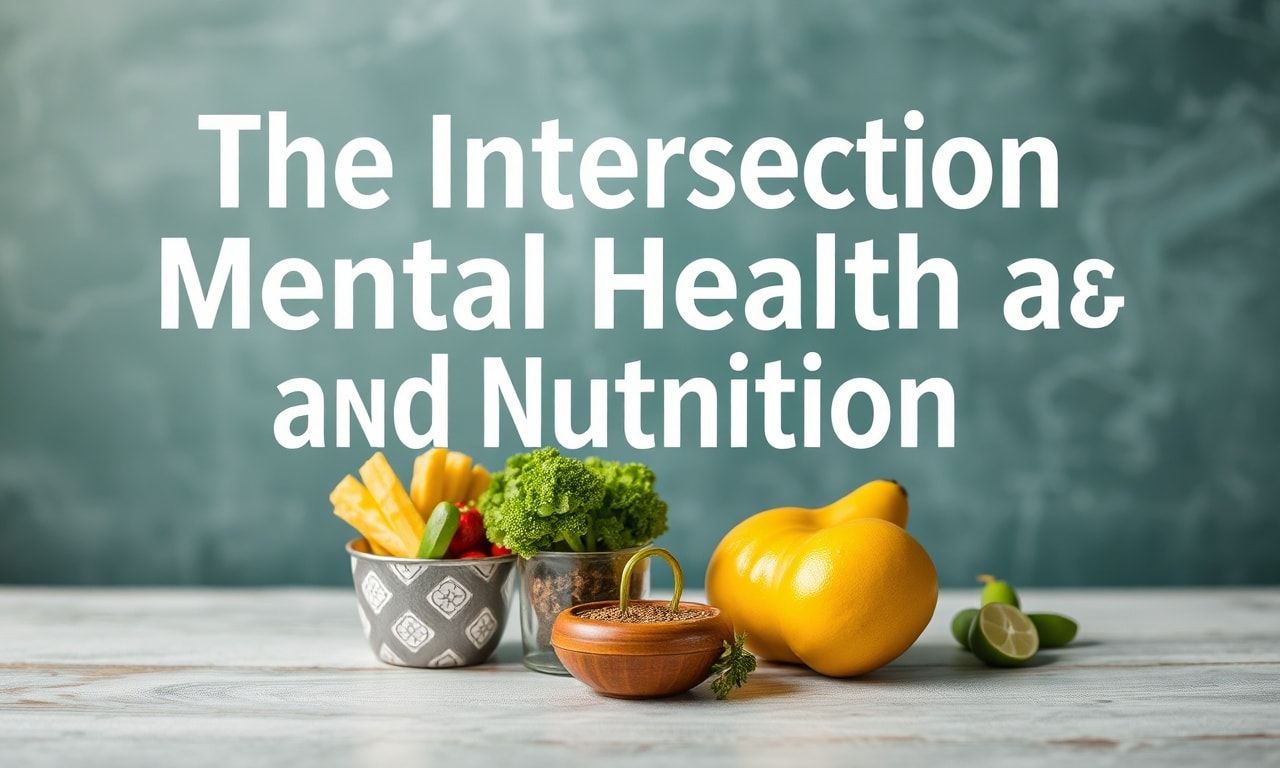
The Gut-Brain Connection
The relationship between mental health and nutrition is a burgeoning field of study, with researchers uncovering the intricate connections between the gut and the brain. This gut-brain axis is a complex communication system that links the emotional and cognitive centers of the brain with peripheral intestinal functions. Emerging evidence suggests that the composition of gut bacteria, influenced significantly by diet, can impact mental health outcomes.
For instance, a diet rich in probiotics, such as yogurt and fermented foods, can enhance gut health and potentially alleviate symptoms of anxiety and depression. Conversely, diets high in processed foods and sugars may disrupt this delicate balance, leading to inflammation and adverse mental health effects. Understanding and leveraging this connection can provide new avenues for managing mental health through dietary interventions.
Key Nutrients for Mental Well-being
Certain nutrients play a crucial role in maintaining mental health. Omega-3 fatty acids, found in fatty fish like salmon and mackerel, are essential for brain function and have been linked to reduced rates of depression. Similarly, B vitamins, particularly B6, B9 (folate), and B12, are vital for the production of neurotransmitters like serotonin and dopamine, which regulate mood.
Antioxidants, found in fruits and vegetables, help combat oxidative stress, which has been associated with various mental health disorders. Magnesium, found in leafy greens, nuts, and seeds, is another critical nutrient that supports brain function and may help reduce anxiety. Ensuring a balanced diet rich in these nutrients can be a proactive step towards maintaining mental well-being.
The Role of Hydration in Mental Health
Hydration is often overlooked but is a fundamental aspect of mental health. Dehydration can lead to reduced cognitive performance, increased fatigue, and heightened levels of anxiety. The brain is composed of about 73% water, and even mild dehydration can impair its functioning. Drinking adequate amounts of water throughout the day is essential for maintaining optimal brain function and overall mental health.
Incorporating hydrating foods like cucumbers, watermelons, and oranges into your diet can also contribute to overall hydration levels. Additionally, limiting the intake of dehydrating beverages like alcohol and caffeine can further support mental health. Staying hydrated is a simple yet effective strategy for enhancing mental clarity and emotional stability.
Mindful Eating and Mental Health
Mindful eating, a practice that involves paying full attention to the experience of eating and drinking, can have profound effects on mental health. This practice encourages individuals to eat slowly, savor each bite, and be aware of their hunger and fullness cues. Mindful eating can help reduce stress, prevent overeating, and promote a healthier relationship with food.
Research has shown that mindful eating can reduce symptoms of depression and anxiety by fostering a greater sense of self-awareness and emotional regulation. Techniques such as chewing thoroughly, avoiding distractions like television or smartphones, and eating in a calm environment can enhance the mindful eating experience. Integrating mindful eating practices into daily life can be a powerful tool for improving mental health.
Cultural Influences on Mental Health and Nutrition
Cultural practices and dietary habits can significantly influence mental health outcomes. For example, traditional diets in countries like Denmark, which emphasize whole foods, fresh produce, and balanced meals, are often associated with better mental health outcomes. The danimarka içeriği pazarlama araçları güncel reflects a cultural emphasis on health and well-being, which extends to dietary practices.
Understanding the cultural context of nutrition can provide valuable insights into how dietary habits shape mental health. For instance, the Mediterranean diet, rich in olive oil, fish, and vegetables, has been linked to lower rates of depression. Similarly, the traditional Japanese diet, which includes fermented foods and seaweed, is associated with improved cognitive function. Exploring and incorporating elements of these diets into one’s own eating habits can offer mental health benefits.
Practical Tips for Improving Mental Health Through Nutrition
Improving mental health through nutrition doesn’t have to be complicated. Here are some practical tips to get started:
- Eat a Balanced Diet: Aim for a diet rich in fruits, vegetables, whole grains, lean proteins, and healthy fats. This balanced approach ensures that you are getting a wide range of nutrients essential for mental health.
- Stay Hydrated: Drink plenty of water throughout the day and incorporate hydrating foods into your diet. Limit intake of dehydrating beverages like alcohol and caffeine.
- Practice Mindful Eating: Eat slowly, savor each bite, and be aware of your hunger and fullness cues. Avoid distractions and eat in a calm environment.
- Incorporate Probiotics: Include probiotic-rich foods like yogurt, kefir, and fermented vegetables in your diet to support gut health and mental well-being.
- Explore Cultural Diets: Learn about and incorporate elements of traditional diets known for their mental health benefits, such as the Mediterranean or Japanese diets.
By making these simple changes, you can significantly improve your mental health and overall well-being.
Delve into the fascinating connection between spirituality and physical health by exploring fasting’s impact on well-being, a practice that has been linked to improved mental clarity and overall wellness.
To support your overall wellness journey, understanding how to manage your finances effectively is crucial; discover practical strategies in maximizing your personal finances.
Discover how the latest advancements are revolutionizing the world of fitness and wellness in sports technology innovations.