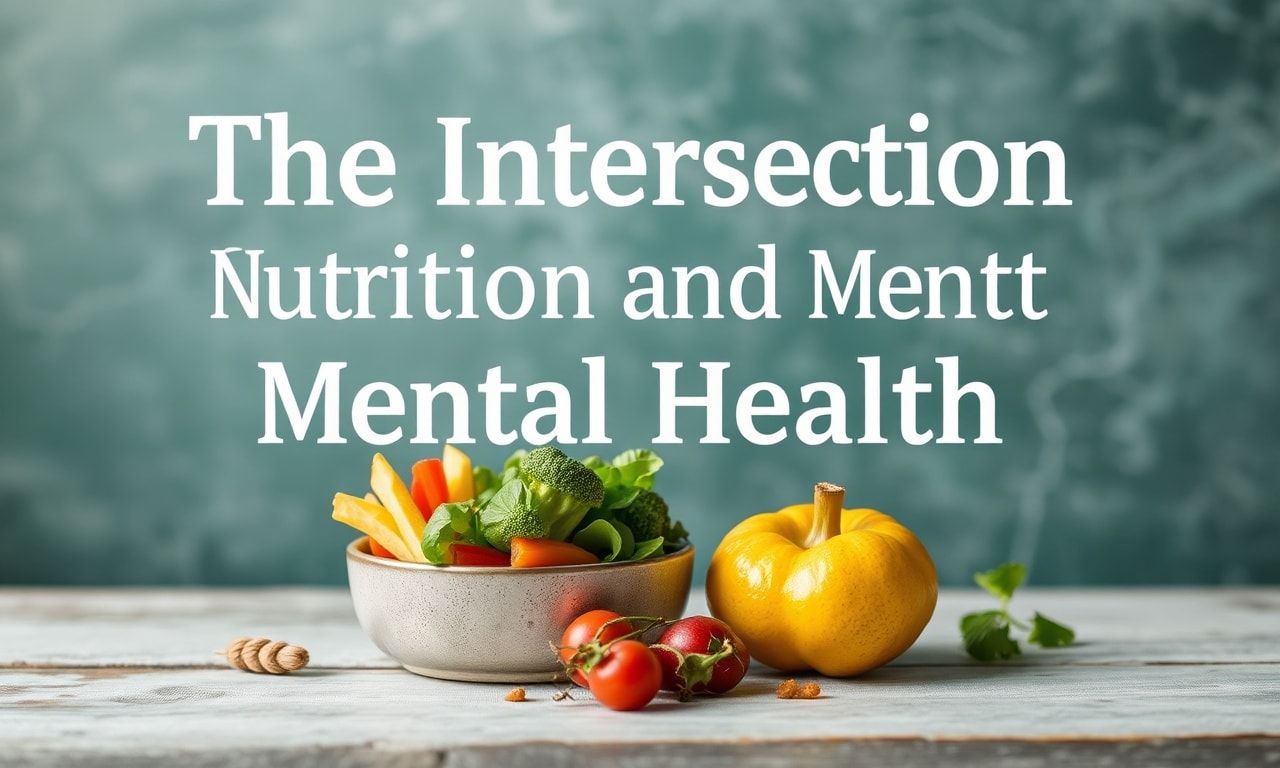
The Gut-Brain Connection
The relationship between nutrition and mental health is a burgeoning field of study, with researchers uncovering the intricate connections between the gut and the brain. Often referred to as the ‘gut-brain axis,’ this bidirectional communication system involves the central and enteric nervous systems, linking emotional and cognitive centers of the brain with peripheral intestinal functions. Understanding this connection is crucial for developing holistic approaches to mental health.
The Role of Probiotics and Prebiotics
Probiotics and prebiotics play a pivotal role in maintaining a healthy gut microbiome, which in turn influences mental health. Probiotics are live beneficial bacteria found in foods like yogurt, kefir, and sauerkraut, while prebiotics are compounds in foods like bananas, garlic, and onions that feed these beneficial bacteria. Studies have shown that a balanced gut microbiome can reduce symptoms of anxiety and depression, highlighting the importance of incorporating these foods into your diet.
For those looking to explore the best probiotic supplements, resources like ürün incelemeleri öneri rehberi can provide valuable insights and recommendations. These guides often review various products, helping consumers make informed decisions about their health.
Nutritional Deficiencies and Mental Health
Certain nutritional deficiencies have been linked to an increased risk of mental health disorders. For instance, a lack of omega-3 fatty acids, which are abundant in fish, flaxseeds, and walnuts, has been associated with higher rates of depression and anxiety. Similarly, deficiencies in vitamins B6, B12, and folate can lead to neurological and psychiatric symptoms, including irritability, fatigue, and cognitive decline.
Key Nutrients for Mental Well-being
To support mental health, it’s essential to consume a balanced diet rich in key nutrients. Here are some of the most important ones:
- Omega-3 Fatty Acids: Found in fatty fish like salmon and mackerel, as well as in plant sources like flaxseeds and chia seeds, omega-3s are crucial for brain function and reducing inflammation.
- B Vitamins: Vitamins B6, B9 (folate), and B12 are vital for the production of neurotransmitters like serotonin and dopamine, which regulate mood.
- Magnesium: This mineral is involved in over 300 biochemical reactions in the body, including those that regulate mood and stress responses. Foods rich in magnesium include leafy greens, nuts, and seeds.
- Vitamin D: Often referred to as the ‘sunshine vitamin,’ vitamin D is essential for brain health and has been linked to reduced rates of depression.
The Impact of Diet on Mood and Cognition
The foods we consume have a direct impact on our mood and cognitive function. For example, diets high in processed foods, sugars, and unhealthy fats have been linked to increased rates of depression and anxiety. Conversely, diets rich in fruits, vegetables, whole grains, and lean proteins have been shown to improve mental health outcomes.
Mediterranean Diet and Mental Health
The Mediterranean diet, which emphasizes fruits, vegetables, whole grains, legumes, nuts, and olive oil, has been extensively studied for its mental health benefits. Research suggests that adhering to this diet can reduce the risk of depression and cognitive decline. The diet’s focus on healthy fats, such as those found in olive oil and fatty fish, provides essential nutrients for brain health.
Practical Tips for Improving Mental Health Through Nutrition
Incorporating nutrient-dense foods into your diet is a practical way to support mental health. Here are some tips to get started:
- Eat a Variety of Fruits and Vegetables: Aim for a colorful plate to ensure you’re getting a wide range of vitamins and minerals.
- Choose Whole Grains: Opt for whole grains like brown rice, quinoa, and whole wheat bread over refined grains.
- Incorporate Lean Proteins: Include sources of lean protein like chicken, turkey, fish, beans, and lentils in your meals.
- Stay Hydrated: Drink plenty of water throughout the day to support overall health and cognitive function.
- Limit Processed Foods and Sugars: Reduce your intake of processed foods, sugary snacks, and beverages to support mental well-being.
By making these simple changes, you can significantly improve your mental health and overall well-being.
Discover how your mind and body connect with our latest feature, mental health and fitness benefits, offering a comprehensive guide to holistic wellness.
To enhance your sleep quality and overall wellness, consider exploring how nightwear has evolved to support better rest and relaxation.
If you’re curious about how your diet impacts your mental well-being, dive into nutrition’s role in mental health for an enlightening exploration of this crucial connection.