The Holistic Benefits of Sports on Health
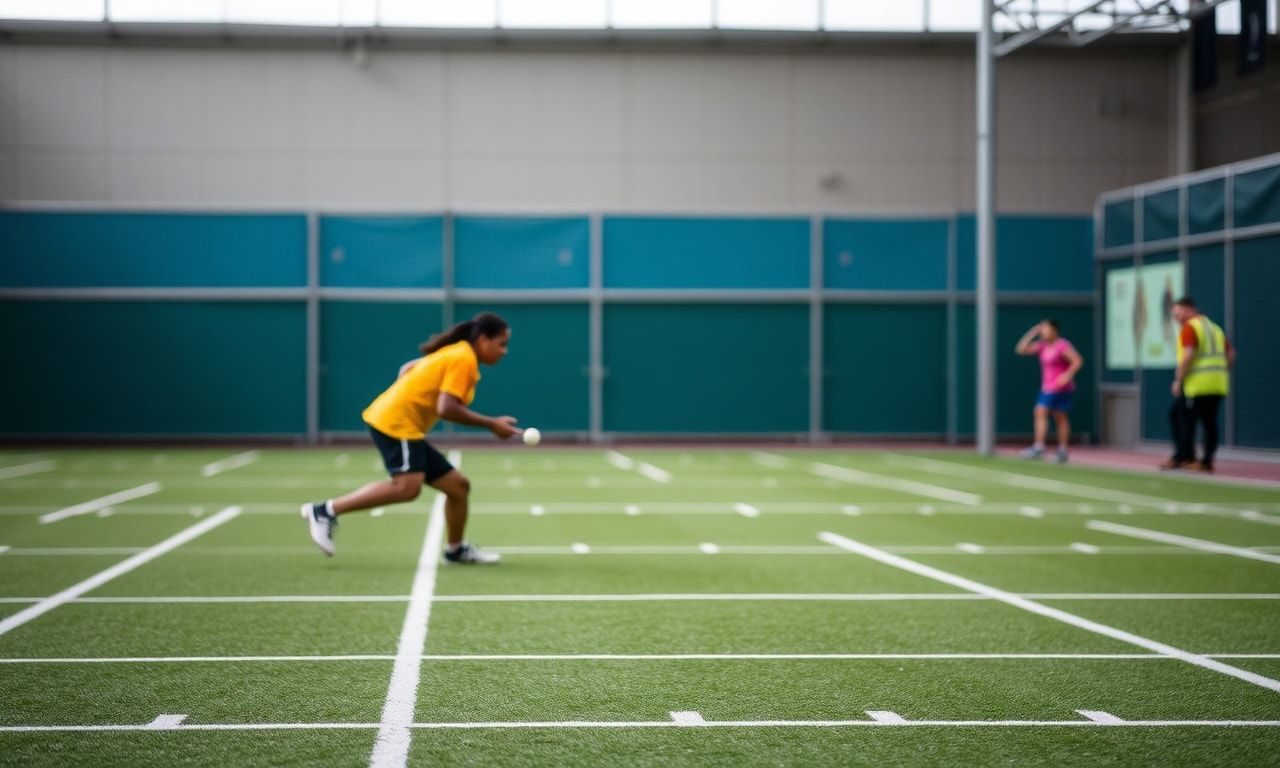
Engaging in sports activities is not just about physical fitness; it’s a comprehensive approach to enhancing overall well-being. Regular participation in sports can lead to improved cardiovascular health, increased muscle strength, and better coordination. Beyond the physical benefits, sports also play a crucial role in mental health, reducing stress and anxiety while promoting a sense of accomplishment and self-esteem.
For instance, team sports like soccer, basketball, and rugby foster social interaction and community building. These sports require collaboration, communication, and mutual support, which are essential for mental health. The camaraderie and team spirit can provide a strong support system, helping individuals cope with life’s challenges. Additionally, the routine and discipline required in sports can translate into better time management and productivity in other areas of life.
The Role of Community in Sports
Community involvement in sports is a significant factor in promoting health and well-being. Local sports clubs and events bring people together, creating a sense of belonging and shared purpose. These gatherings not only encourage physical activity but also provide a platform for social interaction and networking. For example, local football clubs often host community events that include health workshops, fitness classes, and nutritional seminars, thereby promoting a holistic approach to health.
In Dublin, the GAA (Gaelic Athletic Association) is a prime example of how sports can unite a community. The Dublin GAA match updates today are often a topic of discussion among locals, highlighting the cultural significance of sports in the region. The GAA’s emphasis on amateurism and community involvement has made it a cornerstone of Irish culture, fostering a sense of pride and identity among its participants and supporters.
Nutrition and Sports Performance
Proper nutrition is a critical component of sports performance and overall health. Athletes require a balanced diet that includes carbohydrates, proteins, healthy fats, vitamins, and minerals to fuel their bodies and aid in recovery. Carbohydrates provide the primary energy source for high-intensity activities, while proteins are essential for muscle repair and growth. Healthy fats support brain function and hormone production, and vitamins and minerals play various roles in maintaining overall health.
Hydration is equally important, as even mild dehydration can impair physical performance and cognitive function. Athletes should aim to drink water regularly throughout the day and increase their intake during and after intense physical activity. Electrolyte drinks can also be beneficial, especially during prolonged or high-intensity exercise, to replace lost minerals and maintain fluid balance.
Mental Health and Sports
The mental health benefits of sports are well-documented. Regular physical activity stimulates the production of endorphins, which are natural mood enhancers. Endorphins can reduce stress, anxiety, and depression, promoting a sense of well-being and happiness. Additionally, sports provide a healthy outlet for managing stress and can improve sleep quality, which is crucial for mental health.
Participating in sports also fosters a sense of achievement and self-confidence. Setting and reaching fitness goals, whether it’s running a marathon or mastering a new skill, can boost self-esteem and provide a sense of accomplishment. The social aspect of sports further enhances mental health by providing opportunities for friendship, support, and community involvement.
Balancing Sports and Rest
While regular physical activity is beneficial, it’s equally important to balance sports with adequate rest and recovery. Overtraining can lead to injuries, fatigue, and decreased performance. Rest days allow the body to repair and rebuild muscles, replenish energy stores, and prevent burnout. Incorporating rest days into a training schedule can help athletes maintain long-term fitness and prevent injuries.
Active recovery, such as light exercise, stretching, or yoga, can also be beneficial. These activities promote blood flow, reduce muscle soreness, and enhance flexibility. Proper sleep is another crucial aspect of recovery, as it allows the body to repair tissues, consolidate memories, and regulate hormones. Aiming for 7-9 hours of quality sleep per night can support overall health and improve sports performance.
In conclusion, sports offer a multitude of benefits for physical and mental health, as well as community well-being. By incorporating regular physical activity, proper nutrition, and adequate rest into their routines, individuals can enhance their overall quality of life and achieve their fitness goals. Whether it’s through local sports clubs, community events, or personal fitness routines, the positive impact of sports on health and well-being is undeniable.
Understanding the balance between mental health and career success is crucial for overall well-being; explore mental health and career well-being for a comprehensive guide.
To discover how cutting-edge innovations are reshaping work-life balance and mental well-being, delve into technology’s role in modern workplaces.
Delve into the fascinating connection between community development and personal well-being with our latest piece, business impact on health, and discover how local growth can influence your overall wellness.