
Practical guide to using an USA events calendar for wellness planning
Understand how a USA events calendar can support health, fitness, nutrition, and mental wellbeing with practical tips, safeguards, and planning ideas.

Readers want reliable ways to integrate activities into a healthy lifestyle. This guide explains how an events calendar can help you schedule fitness classes, health fairs, and mindfulness sessions across the United States. It covers what to look for, how to verify event quality, and how to align events with personal health goals.
Think of the calendar as a planning tool rather than a browsing page. You’ll learn to filter by location, cost, and accessibility, then translate listings into concrete weekly routines.
The aim is clear: use credible listings to improve consistency, motivation, and safety in your wellness journey. You’ll walk away with a practical approach to choosing events that fit your schedule and health needs.
- An USA events calendar can fit health goals when used with care. Start by choosing credible listings that show dates, venues, and accessibility. Align events with your weekly plan to maintain consistency and safety.
- Look for inclusive options and clear safety details, then bookmark near-by activities that match your routines. Use the calendar to track progress and refine choices.
- Always verify details before attending and consider costs, transport, and recovery when planning. Treat the calendar as a practical tool, not a promise of results.
Foundations of using event calendars
What it lists
An event calendar aggregates listings from multiple organizers, including community centers, gyms, and health nonprofits. It helps you see patterns in classes, talks, and workshops near you. Start by noting your health goals and preferred activities to guide what you read. USA events calendar
In this sub-section, you’ll learn to spot the kinds of events that support real health gains, such as continuing education for fitness professionals or beginner-friendly fitness sessions. Look for consistency in schedules and clear accessibility details.
- Regular weekly events
- Clear venue information
- Accessibility notes
- Price and registration basics
An event calendar compiles listings from various organizers so you can compare options in one place.
- Identify early-morning or evening sessions to fit your routine
- Check if events are held at reputable venues
- Note any required pre-registration
- Look for beginner-friendly descriptors
How to assess credibility
Not all listings are equally reliable. Check the source, whether it comes from a recognized health organization, a trusted fitness studio, or a community center. Favor listings that provide clear dates, times, and contact details.
When possible, cross-reference events with official websites or verified social pages to confirm accuracy. This reduces the risk of misinformation that could disrupt your wellness plan.
Compare reviews or testimonials from attendees to gauge how well an event meets safety, accessibility, and inclusivity standards.
Choosing events that support fitness goals
Matching events to routines
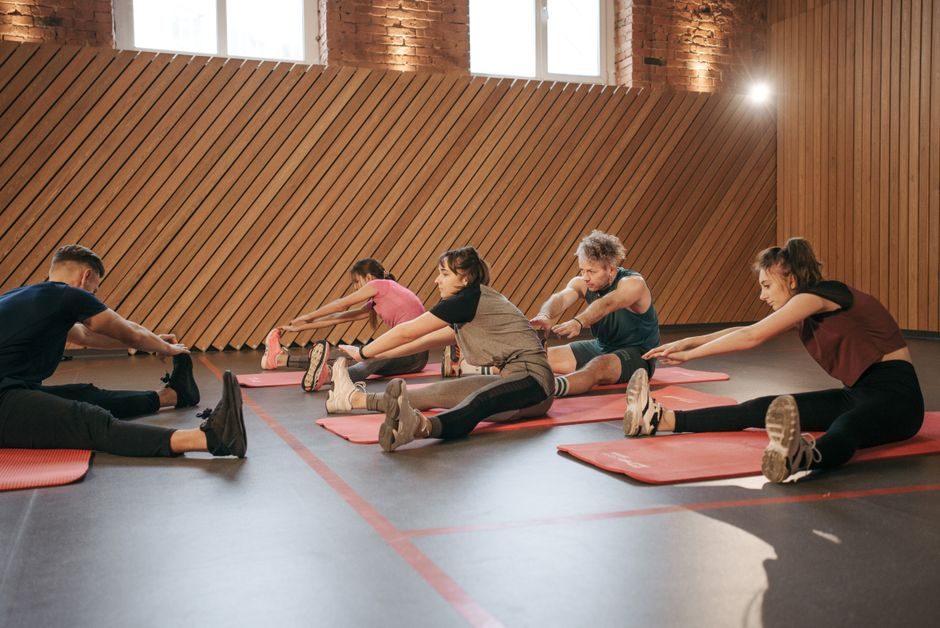
Begin with a balanced week plan that includes cardio, strength, flexibility, and rest. Look for classes or talks that fit within those zones, such as a low-impact cardio session or a mobility workshop. A useful resource on this topic: crime news.
- ☐ Identify 2-3 core activity types
- ☐ Find 1-2 events weekly for each type
- ☐ Schedule with buffer days
- ☐ Review weekly outcomes and adjust
Use the calendar to slot these activities on days with adequate recovery time. If you skip a session, replace it with a lighter option to maintain consistency.
Document your progress by marking completed events and noting how you felt afterward to refine future choices.
- Book sessions aligned with your energy patterns
- Prefer beginner-friendly options when starting
- Prioritize events offering measurable outcomes
- Balance intensity and recovery
Choosing inclusive and safe options
Look for events that specify accessibility accommodations and language options. Inclusive listings help you participate regardless of mobility or sensory needs.
Assess safety measures such as space size, equipment, and staff qualifications. If you have medical concerns, choose events with medical or fitness professional oversight.
Record any health considerations when registering and carry what you need for comfort and safety.
- Check accessibility notes
- Look for trained staff
- Ask about medical oversight
- Bring needed equipment or aids
Avoiding common pitfalls
Overbooking and fatigue
Quitting a busy schedule can backfire by increasing stress and reducing adherence. Space out high-effort events and include lighter activities to sustain momentum. A useful resource on this topic: local business directory in the USA.
Use the calendar as a flexible guide, not a rigid timetable. Allow for days when energy or health limits participation.
Track how calendar choices affect mood, sleep, and energy to spot burnout early.
- Limit back-to-back hard workouts
- Include rest days
- Match intensity to recovery
- Reassess weekly
| Option | Accessibility | Cost |
|---|---|---|
| Nearby gym classes | High | Often paid |
| Community mobility workshops | Medium | Low |
| Online wellness series | Low barriers | Low or free |
Cost and access barriers
Some health-focused events may have fees or require travel. plan for costs by prioritizing nearby, no-cost, or donation-based options when possible.
Ask about scholarships, sliding scales, or community partnerships. Many venues offer reduced rates for students, seniors, or those facing financial hardship.
If transportation is a barrier, look for virtual or hybrid options that still support your wellness goals.
- Seek near-by options
- Look for free or low-cost events
- Check for discounts or community programs
- Consider virtual participation
Set a small, specific goal for each event, such as trying a new movement or meeting a health coach.
Tips for getting the most from events
Preparing for attendance
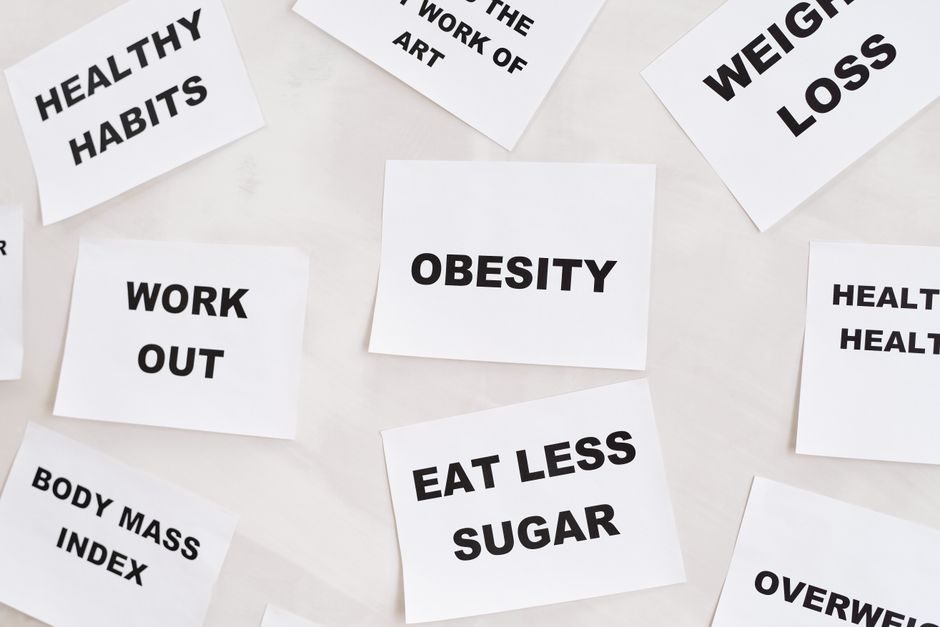
Review event details ahead of time to avoid surprises. Bring any required forms, water, and a plan for arrival to reduce stress. A useful resource on this topic: USA classified ads.
- Choose 1 goal per event
- Prepare materials in advance
- Arrive early
- Debrief after the event with notes
Set a small, specific goal for each event, such as trying a new movement or meeting a health coach. This helps you stay focused and motivated.
Arrive early to acclimate to the environment and meet staff, which can improve comfort and participation.
- Read the schedule in advance
- Set a concrete objective
- Arrive early
- Ask organizers about accessibility
Bringing health information into the calendar
Use the calendar to coordinate with your healthcare provider, especially for activities that affect heart rate, blood pressure, or medications. Bring a current list of medications and any allergies.
Record exercise types, durations, and perceived exertion to share with your clinician. This helps with safety and future planning.
If you notice unusual symptoms, pause activity and seek medical advice before continuing with events.
- Share activity plans with your clinician
- Log exertion levels
- Carry medical information
- Seek adjustments when needed
Your local options and updates
Tailoring to your wellness goals
Start by listing your current wellness priorities—soothing activities for stress, cardio for heart health, or strength training for mobility. Look for local events that align with those goals to avoid overcommitting. A focused approach helps you build consistency and see real benefits from participation. how to place an obituary in the USA
- Identify two to three wellness aims you want to support through local events.
- Pair each goal with a nearby event that fits your schedule.
- Review your calendar monthly to adjust commitments as needed.
Check neighborhood calendars for ongoing programs, such as weekly outdoor walks or community fitness classes, rather than one-off events. Consistency matters more than intensity when forming lasting habits. If you miss a session, substitute with a quick home routine to stay on track.
Consider accessibility factors like distance, timing, and cost before you commit. Choose options that slot easily into your routine so you don’t create friction. Tracking attendance over four weeks can reveal patterns that support sustainable changes.
Digital tools and privacy
Choosing the right app features
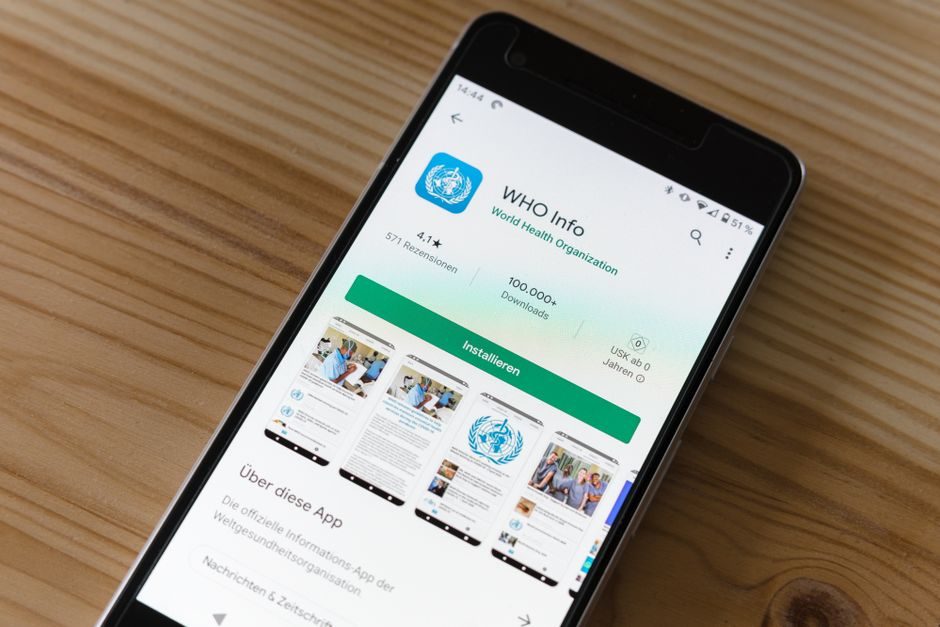
Look for calendars that allow you to filter by activity type, distance, and schedule. A good filter helps you avoid events that don’t fit your time or fitness level. This saves you from signing up for something you won’t attend.
Prioritize platforms that let you save preferred venues and set reminders without sharing unnecessary personal data. Privacy controls matter because wellness tracking can reveal sensitive information. Review app permissions and disable location sharing when possible.
Test a few options for a month to see which tool reduces friction in your routine. If an interface is confusing, try a simpler app or a basic calendar to keep you consistent. The goal is ease of use, not feature bloat.
Staying safe online
Be mindful of scams or misleading promotions that promise rapid results. Stick to reputable community organizers or official city sites. If something feels off, skip it and move on to a verified option.
Protect your personal data by using strong passwords and avoiding shared devices in public spaces. Log out after checking event details and clear any saved login credentials on shared tablets or kiosks. Privacy isn’t optional when wellness data is at stake.
Set privacy boundaries for your profile, such as limiting what you share publicly about health goals or routines. You don’t need to disclose every detail to participate. A minimal, safe footprint still supports your wellness journey.
Event etiquette and safety
Respecting capacity and space
Arrive on time and check in with the organizer when required. This helps events stay within capacity and reduces crowding. A punctual arrival also shows respect for volunteers and other participants.
Follow venue rules about equipment, noise, and sharing stations. If a class requires mats or water, bring your own to minimize cross-contact. Being prepared demonstrates consideration for others.
Energize inclusivity by welcoming newcomers and offering help if someone is unsure about a move. Simple gestures create a supportive environment that encourages ongoing participation.
Safety basics during events
Warm up before activities to reduce risk of injury, even for low-intensity group sessions. A five-minute ramp-up primes joints and muscles for movement. If you feel pain, pause and reassess your effort.
Stay hydrated and dress for weather conditions if events are outdoors. Bring a small first-aid kit for minor issues like blisters or insect bites. Know the location of first-aid stations or staff contact numbers before starting.
Respect your limits and choose options that match your current fitness level. Progress gradually and avoid pushing through sharp pain. Listening to your body beats rushing toward goals.
Resource checklist for health readers
What to gather before you go
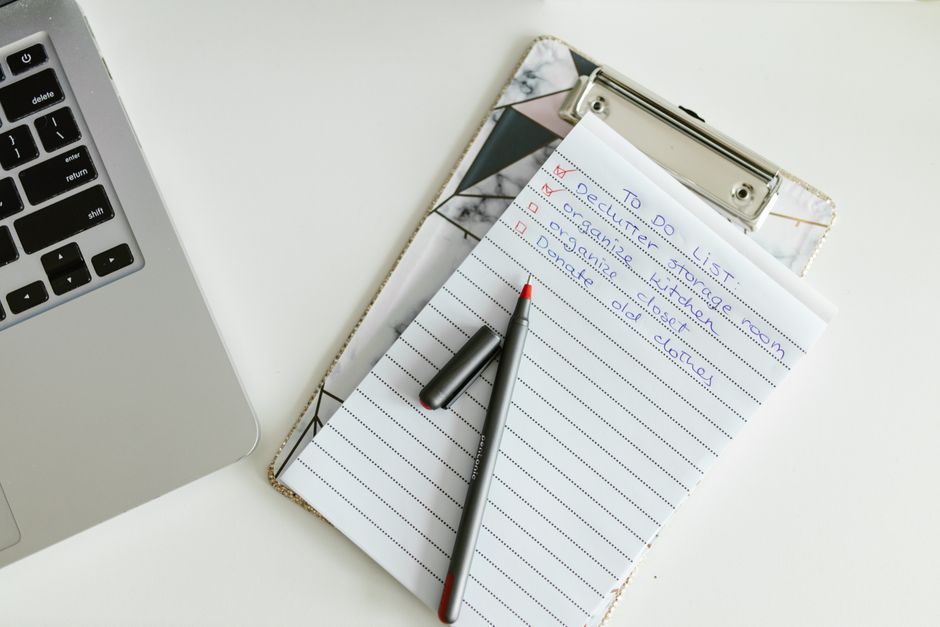
Prepare a simple health brief for organizers: any conditions, medications, or allergies. Keep this concise so it’s easy to share when needed. A quick note can prevent uncomfortable moments or incorrect assistance.
Bring a basic kit: water, sunscreen, a small towel, and a mask if required. A compact setup reduces the chance you skip an event because you’re unprepared. You’ll stay consistent when you’re not scrambling.
Have a backup plan for transportation and timing. If you’re delayed, know who to contact and what the closest alternative option is. A reliable plan protects your routine from small hiccups.
Optimizing attendance and follow-up
Set a realistic attendance goal for the month and schedule reminders that align with your energy cycles. Consistency matters more than occasional bursts of activity. Review what worked each week and adjust.
After events, jot down one concrete change you’ll implement in your routine. This could be a new stretch, a hydration habit, or a walk with a friend. Small, measurable steps compound over time.
Use a single wellness journal to track mood, sleep, and energy alongside events. Seeing patterns helps you choose future activities that support your wellbeing. A simple log keeps motivation grounded.
- Monthly goal and reminder system
- Post-event action step
- Simple wellbeing log
Frequently asked questions
How reliable are local event calendarsMost calendars pull from a mix of volunteers and city programs, so reliability varies by organizer. Cross-check with official sites and direct contacts to confirm dates and details. This helps you avoid wasted trips or missed activities.
What should I do when events collide with my planPrioritize activities that fit your main wellness goals and consider rotating between options. If a clash occurs, switch to a backup session or reschedule nonessential items. Flexibility protects your routine.
How can I tell if an event improves my healthLook beyond calories and consider social interaction, stress relief, and skill development. Track changes in sleep, energy, and mood after events to gauge real impact. A broad view helps you choose consistently beneficial options.
Is it safe for someone with mobility limits to participateYes, many events offer low-impact or chair-friendly options. Check activity levels and ask organizers about adaptations or equipment if needed. Preparation and clear communication pave the way for safe participation.
Practical next steps for ongoing wellness
Use your local options to build a regular rhythm that supports your health priorities, and document what works in a simple journal. The goal is steady, sustainable engagement rather than perfect attendance. Start with one reliable weekly activity and expand thoughtfully.
Choose digital tools with privacy in mind, and set boundaries on data sharing to protect your health information. Practice a short, repeatable setup—filtering, reminders, and a check-in note—to keep the process manageable. Then review monthly and adjust for better fit.

Add Health News as a preferred source on Google


