
Submit health events in the USA: a practical guide
Clear, step-by-step guide to submitting health-related events in the USA, with tips to reach audiences and avoid common pitfalls for wellness professionals.

If you want your wellness event to reach health-minded readers, you need a straightforward submission path for the USA. This guide explains what to prepare, where to publish, and how to present evidence-based details so audiences understand the value. You’ll learn practical steps, common missteps, and tips to improve visibility without overselling.
First, confirm the event aligns with wellness principles and public health interests. Then gather essential information: date, location, target audience, and a brief evidence-based description. Finally, choose credible channels and tailor your message to health readers who value clarity and relevance.
Expect practical steps you can implement quickly. The goal is a shareable, accurate listing that supports informed health decisions and avoids hype or generic promotion.
- This guide explains how to submit a health-focused event listing in the USA with clear, evidence-based language.
- It covers choosing the right platform, writing precisely, and avoiding hype or false claims.
- Readers will learn practical steps, from planning to publication and updates, to keep listings trustworthy and useful.
Basics of listing health events
Purpose and scope
The first step is to define what makes your event healthy and informative. Describe the focus, whether it’s nutrition, exercise, mental health, or preventive care, and specify the target audience. submit an event in the USA
Provide a concise description that highlights evidence-based content and practical takeaways. Include who should attend and what attendees will learn.
- Identify the event’s health angle
- State the learning outcomes
- Clarify the audience reach
- Verify credible speakers
- Provide accessible registration details
Where to publish
Choose platforms that health readers trust, such as medical or wellness portals, local health networks, and community calendars. Prioritize spaces that allow a short, clear abstract and a direct link for more details.
Avoid venues that require heavy jargon or promotional language. Readers respond to neutral, informative descriptions with practical benefits.
The section helps you decide where your listing will be seen by people seeking trustworthy health content.
- Opt for reputable health sites
- Use a plain, factual tone
- Include a direct registration link
- Attach evidence-based sources
- Check posting guidelines
How to craft the event listing

Evidence and clarity
Write a direct description of the event’s content, avoiding hype. State the objectives, methods, and expected outcomes in plain language. A useful resource on this topic: latest news USA.
Include the scientific basis in brief terms and cite sources or organizers without overlong references.
The goal is a listing that helps readers judge relevance and quality at a glance.
- Describe the session format
- Note any required materials
- Mention credentialed speakers
- Provide clear time and location
- Link to registration
Ethics and accessibility
Ensure the description respects privacy, avoids exaggeration, and uses inclusive language. Mention accessibility options and translation services if available.
If health claims are made, frame them within established guidelines and avoid implying medical advice.
This builds reader trust and broadens participation.
- State accessibility options
- Avoid unverified claims
- Respect privacy and consent
- Provide translations if possible
Options for different venues
Online vs in-person
Online events reach broader audiences but require clear technical details. Provide platform, time zone, and access requirements. A useful resource on this topic: USA business listings.
- Choose format
- Specify access details
- Publish platform info
- Confirm scheduling
In-person events offer tangible interaction but may have regional limitations. Include venue amenities and accessibility notes.
Knowing the format helps readers decide if participation fits their needs.
- List tech requirements
- Include time zone and access details
- Describe venue accessibility
- Offer hybrid options
| Option | Pros | Cons |
|---|---|---|
| Online | Broader reach | Tech barriers |
| In-person | Tangible engagement | Geographic limits |
| Hybrid | Best of both | Complex logistics |
Partnerships and sponsors
Identify collaborators who add credibility and reach. Mention sponsors transparently and avoid hidden endorsements.
Share roles clearly (speakers, partners, funders) to prevent conflicts of interest and maintain neutrality.
Clear disclosures support reader confidence and ethical listing practices.
- State partner roles
- Disclose sponsorships
- Ensure content independence
- Provide contact for inquiries
Stick to measurable outcomes, such as skills learned or topics covered, without promising cures or quick fixes.
Common pitfalls and how to avoid them

Red flags to watch
Avoid vague descriptions, exaggerated benefits, or unverified health claims. Readers penalize listings that promise results without evidence. A useful resource on this topic: sell second-hand items in the USA.
- Overpromising outcomes
- Omitting sources
- Using vague language
Stick to measurable outcomes, such as skills learned or topics covered, without promising cures or quick fixes.
This vigilance protects readers and maintains listing quality.
- Avoid hype
- Limit medical claims
- Provide verifiable details
- Offer a realistic outcome
Maintenance tips
Keep listings up to date by revising dates, locations, and speaker panels as changes occur. Small updates prevent confusion and cancellations.
Set reminders to verify links and accessibility information before publication.
Regular checks sustain reader trust and engagement.
- Update promptly
- Verify links
- Reconfirm accessibility
- Archive outdated listings
Choosing a credible health calendar
Assess calendar authority and scope
Choose calendars that focus on health topics and avoid generic event boards. Look for clear editorial standards, moderation processes, and visible sources for listings. Compare how often listings are updated and whether the calendar verifies details like dates and venues. publish a death notice in the USA
- ☐ Start with health-focused calendars that use editors or reviewers.
- ☐ Check if events are cross-listed with official health organizations.
- ☐ Note any disclaimers about event accuracy and updates.
Quality calendars publish event details in full: title, time, location, and contact. Prefer platforms with searchable filters such as by topic, location, and date range. If verification seems rushed or vague, treat listings with extra caution.
- Check for editorial guidelines
- Look for event verification
- Verify date and venue details
- Prefer calendars with filter tools
- Avoid pay-to-list schemes without transparency
Maximizing reach for wellness events

Target audience and channels
Identify who benefits most from the event, such as patients, caregivers, or professionals. Use channels your audience trusts, like local health centers, university programs, and community centers. Tailor the event title and description to address their needs and questions.
- Draft a short, clear headline for the event.
- Include a concise description with benefits to attendees.
- Provide at least two trusted contact options for questions.
Segment your message for accessibility: provide plain language summaries and optional materials in large print or multiple languages. Include practical details like parking, transit, and accessibility features.
Think about timing that works for attendees with busy schedules, such as early evenings or weekends. A brief social post can drive interest, followed by a longer, content-rich listing.
- Define primary audience
- Choose trusted channels
- Offer accessible materials
- Provide practical logistics
- Schedule with audience in mind
Evaluating reader feedback on listings
Interpreting comments and metrics
Read comments for recurring questions about location, accessibility, or content relevance. Track questions that appear across multiple events to improve future listings. Use feedback to refine your event’s title and summary for clarity.
Notice patterns without overreacting to a single negative review. Distinguish technical issues from content gaps and address each specifically. Maintain a record of changes made in response to feedback so readers can see improvements.
Use simple surveys after events to gather specific input on what helped attendees and what could improve. Share you plan to adjust listings based on this feedback in a transparent way.
- Look for recurring themes
- Differentiate issues from content
- Document changes made
- Share improvements transparently
Sustainability of health event listings
Long-term maintenance and updates
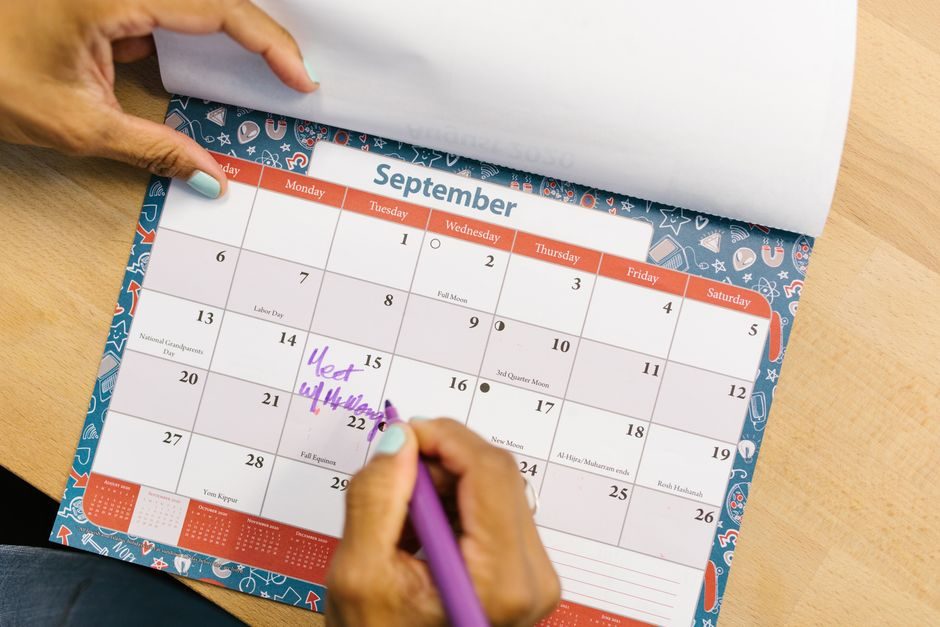
Sustaining health event listings requires ongoing updates and periodic audits. Establish a routine for checking dates, places, and speakers. Negotiate with organizers to obtain timely corrections when details shift.
Create a lightweight review cycle: quarterly checks for top calendars, monthly checks for niche ones. Keep a relaxed workflow so editors aren’t overwhelmed. Consistency beats intensity in long-term upkeep.
Build a small, reliable intake process for new events: collect essential data upfront and set expectations about post-publication updates. This helps reduce last-minute changes and keeps listings trustworthy.
- Set regular update cadence
- Audit key listings
- Streamline data collection
- Communicate changes clearly
- Prioritize consistency over frequency
Frequently asked questions
How should I judge a listings credibility?Look for clear sources, up-to-date details, and a visible policy on corrections. Compare multiple calendars if you’re unsure, and contact the organizer for confirmation if a detail seems off. Credible listings explain how they verify information and what readers should do if something changes.
What makes an event suitable for health readers?Events that address health topics, provide practical guidance, and offer accessibility features fit well. Clarity of purpose, realistic expectations, and evidence-based content help readers decide whether to attend.
How do I report incorrect information?Use the calendar’s reporting mechanism or contact form. Provide the exact listing URL, the incorrect detail, and the correct information if you have it. Editors will typically acknowledge receipt and update the listing if warranted.
Can listings include paid promotions?Some calendars include sponsored placements. Look for disclosure notes and separate sections that distinguish paid listings from editorial content. Readers should treat sponsored listings with the same need for verification as unpaid ones.
Conclusion
This practical guide helps health readers and organizers use credible calendars to plan wellness activities with confidence. Start with complete details, check accessibility, and verify with organizers when possible. A well-maintained listing saves time and reduces confusion.
Use feedback to improve listings over time, and establish a steady update cycle that readers can rely on. The next step is to set up a simple, repeatable process for verifying dates, venues, and accessibility options, then publish with clear notes about changes.

Add Health News as a preferred source on Google


