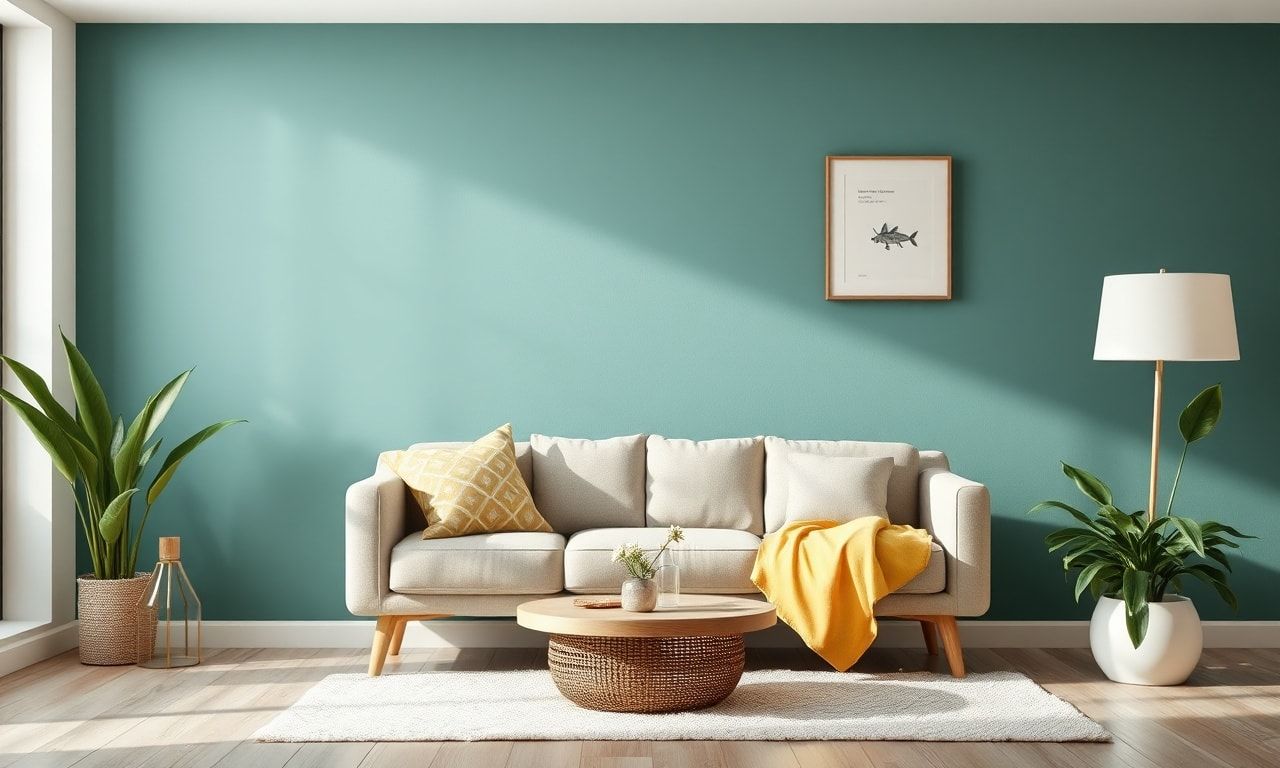
The Connection Between Home Environment and Mental Health
In today’s fast-paced world, our homes have become more than just a place to live; they are sanctuaries that significantly influence our mental well-being. The environment we create within our living spaces can either promote relaxation and positivity or contribute to stress and anxiety. Understanding the impact of our home environment on mental health is the first step towards creating a space that fosters tranquility and supports overall well-being.
Decluttering: The First Step to a Healthier Mind
Clutter can be a significant source of stress and anxiety. Studies have shown that a cluttered environment can lead to feelings of overwhelm and make it difficult to focus. Decluttering your home can have a profound impact on your mental health. Start by identifying items that no longer serve a purpose or bring you joy. Consider donating or selling these items to create a more organized and peaceful living space. For more ideas on how to declutter, you can explore home organization tips for the kitchen and apply similar principles to other areas of your home.
The Benefits of a Decluttered Space
A decluttered space offers numerous benefits, including:
- Reduced stress and anxiety
- Improved focus and productivity
- Enhanced sense of calm and relaxation
- Increased feelings of happiness and contentment
The Role of Color in Mental Well-being
Color psychology plays a crucial role in shaping our moods and emotions. Different colors can evoke various feelings and reactions. For instance, blue is often associated with calmness and tranquility, while green is linked to nature and growth. Incorporating these colors into your home decor can create a soothing and restorative environment. Consider painting your walls in soft, calming shades or adding accents through furniture, textiles, and artwork.
Color Recommendations for Different Spaces
Here are some color recommendations for different areas of your home:
- Bedroom: Soft blues, lavenders, and greens to promote relaxation and sleep
- Living Room: Warm neutrals, soft greens, and muted blues to create a welcoming atmosphere
- Kitchen: Bright whites, light yellows, and soft greens to stimulate appetite and energy
- Home Office: Light blues, greens, and neutrals to enhance focus and productivity
The Importance of Natural Light
Natural light is essential for our mental and physical health. Exposure to natural light helps regulate our circadian rhythms, which in turn improves sleep, mood, and overall well-being. Maximizing natural light in your home can create a brighter, more inviting space that promotes positivity and reduces feelings of depression. Open your curtains and blinds during the day, and consider adding mirrors to reflect light and create a sense of spaciousness.
Tips for Maximizing Natural Light
Here are some tips to help you make the most of natural light in your home:
- Use sheer curtains or blinds to allow light to filter through
- Position mirrors strategically to reflect light
- Choose light-colored paint and furniture to enhance brightness
- Keep windows clean to maximize light intake
Creating a Relaxing Atmosphere with Scents
Aromatherapy has been used for centuries to promote relaxation and improve mood. Incorporating pleasant scents into your home can create a calming atmosphere that supports mental well-being. Essential oils such as lavender, chamomile, and eucalyptus are known for their soothing properties. Use a diffuser, candles, or room sprays to infuse your home with these relaxing fragrances.
Essential Oils for Mental Well-being
Here are some essential oils and their benefits for mental health:
- Lavender: Promotes relaxation and reduces anxiety
- Chamomile: Calms the mind and improves sleep
- Eucalyptus: Enhances focus and mental clarity
- Peppermint: Boosts energy and improves mood
Conclusion
Creating a home environment that supports mental well-being is an ongoing process. By decluttering, incorporating calming colors, maximizing natural light, and using soothing scents, you can transform your living space into a sanctuary that promotes relaxation and positivity. Remember, a healthy home environment is not just about aesthetics; it’s about creating a space that nurtures your mind, body, and soul.