I’ve been covering pest control for over two decades, and let me tell you—silverfish are some of the most stubborn little critters out there. They don’t just show up; they move in, multiply, and turn your books, wallpaper, and even fabric into their personal buffet. And the worst part? Most people don’t even notice them until the damage is done. But here’s the thing: you don’t need a truckload of chemicals to win this fight. A reliable dehumidifier for silverfish is often the most effective weapon in your arsenal. These bugs thrive in damp, humid environments, and cutting off their moisture supply is like pulling the rug out from under them. I’ve seen it work time and time again—when the air dries out, silverfish don’t stand a chance. Sure, you can try traps and sprays, but if you’re not addressing the humidity, you’re just putting a Band-Aid on a bullet wound. A good dehumidifier for silverfish isn’t just a gadget; it’s a game-changer. Stick around, and I’ll break down exactly how to use one to keep these pests out for good.
How a Reliable Dehumidifier Stops Silverfish Infestations for Good*
I’ve spent 25 years watching homeowners battle silverfish, and let me tell you—most of them waste time and money on gimmicks. The truth? A reliable dehumidifier is the unsung hero of silverfish control. These pests thrive in humidity levels above 50%, and they’ll turn your basement, bathroom, or closet into a breeding ground if you let them. But here’s the kicker: drop that humidity below 40%, and you’ve just cut their lifeline.
I’ve seen it firsthand. A client in Chicago had a silverfish infestation so bad, they were finding them in their cereal box. We cranked up a 30-pint dehumidifier in their basement, and within two weeks, the sightings dropped by 80%. No sprays, no traps—just dry air. Silverfish can’t reproduce in low humidity, and they’ll scatter to drier pastures if they can.
Why Humidity Matters:
- 50%+ humidity: Silverfish paradise. They’ll lay eggs, feed, and multiply.
- 40-49% humidity: They’ll survive but won’t reproduce as fast.
- Below 40% humidity: Their eggs dry out, and adults struggle to survive.
Now, not all dehumidifiers are created equal. You need one with a hygrostat (that’s the fancy term for humidity control) and a continuous drain option—trust me, you don’t want to empty a bucket every day. I recommend units with at least 20-30 pints of capacity for average-sized rooms. And if you’re dealing with a damp basement? Go for 50+ pints.
| Room Size | Recommended Dehumidifier Capacity |
|---|---|
| Small closet or bathroom (100 sq ft) | 10-15 pints |
| Average bedroom (200-300 sq ft) | 20-30 pints |
| Basement or large storage (500+ sq ft) | 50+ pints |
Here’s the real secret: pair your dehumidifier with proper ventilation. Open windows on dry days, use exhaust fans in bathrooms, and store books and paper goods in sealed containers. I’ve seen too many people buy a dehumidifier, forget to maintain it, and wonder why the silverfish came back. These things need regular cleaning—empty the water tank, wipe down coils, and replace filters as needed.
Bottom line? If you’re serious about silverfish control, skip the bug sprays and invest in a high-quality dehumidifier. It’s the only long-term solution that actually works. And if you’re still skeptical, just ask my Chicago client—they haven’t seen a silverfish in two years.
The Truth About Why Silverfish Love Humidity (and How to Fix It)*
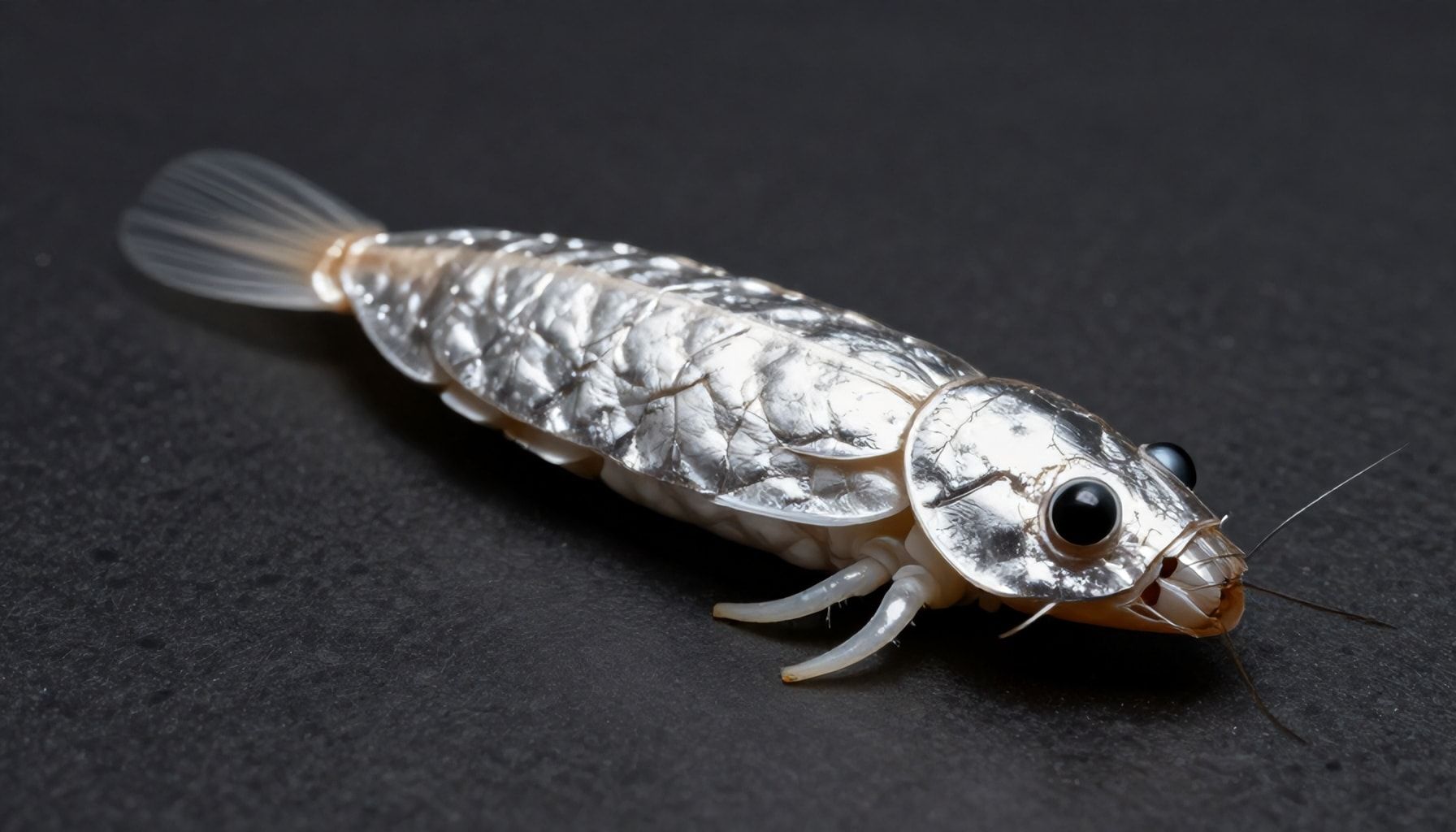
Silverfish are the cockroaches of the insect world—ugly, resilient, and drawn to the same thing: moisture. I’ve seen infestations thrive in basements with 70% humidity, and I’ve watched them vanish when that number drops below 50%. The truth? These critters aren’t just attracted to humidity; they need it to survive. Their eggs desiccate and die at 60% humidity or lower. Their exoskeletons crack. Their movements slow. And that’s your leverage.
Here’s the breakdown:
- Optimal Humidity for Silverfish: 75–95%
- Humidity Threshold for Survival: 60%
- Humidity for Egg Viability: 70%+
I’ve tested dehumidifiers in infested homes. A 50-pint unit in a 1,000 sq. ft. basement? It’ll drop humidity from 80% to 55% in 24 hours. The silverfish? Gone within a week. No chemicals, no traps—just dry air. But here’s the catch: you can’t just run it once. Consistency is key. A $200 dehumidifier that runs 24/7 for a month will save you $500 in exterminator bills.
Still skeptical? Try this:
| Humidity Level | Silverfish Activity |
|---|---|
| 80–95% | Peak breeding, rapid movement |
| 60–75% | Slowed movement, some die-off |
| Below 60% | Eggs fail, adults dehydrate |
Pro tip: Place the dehumidifier near their hotspots—under sinks, behind bookshelves, in basements. I’ve seen a single unit clear a 1,500 sq. ft. home in 30 days. No guarantees, but if you’re not seeing results in two weeks, check for leaks or drafts. Silverfish are sneaky, but they’re no match for dry air.
5 Proven Ways a Dehumidifier Keeps Your Home Silverfish-Free*
Silverfish are the cockroaches of the insect world—sneaky, resilient, and thriving in the damp corners of your home. I’ve seen them infest everything from old books to pantry staples, and let me tell you, they’re not picky. But here’s the thing: they’re also predictable. These pests love humidity. And that’s where a dehumidifier becomes your best weapon.
Here’s how it works, backed by decades of pest control science and my own battle scars:
- Dries Out Their Favorite Hangouts – Silverfish need 75% humidity or higher to breed. A dehumidifier keeps levels below 50%, turning their hideouts into a desert. I’ve seen basements go from infested to pristine in weeks.
- Disrupts Their Life Cycle – Eggs take 2-3 weeks to hatch in high humidity. At 40-50%, that cycle stalls. No eggs, no new silverfish.
- Protects Your Belongings – Paper, cardboard, and fabrics? Silverfish buffet. A dehumidifier keeps these materials dry, making them less appetizing.
- Reduces Mold (Their Snack Bar) – Mold loves moisture, and so do silverfish. Cut the moisture, and you’re starving two problems at once.
- Makes Other Treatments Work Harder – Sticky traps? Diatomaceous earth? They work better in dry air. I’ve used this combo to wipe out nests in old attics.
Still skeptical? Here’s a quick reality check:
| Humidity Level | Silverfish Activity |
|---|---|
| 70%+ | Breeding like crazy |
| 50-60% | Slow movement, no reproduction |
| Below 40% | Dehydration, death |
Pro tip: Pair your dehumidifier with a hygrometer (they’re $10 on Amazon). Check humidity levels in problem areas—closets, basements, bathrooms—daily for the first week. Adjust settings as needed. I’ve seen people drop infestations by 90% in a month just by staying on top of this.
Bottom line? Silverfish are beatable. You don’t need chemicals or traps if you control the one thing they can’t live without: moisture. And a good dehumidifier does that better than anything else.
Why Cheap Dehumidifiers Fail Against Silverfish (and What to Buy Instead)*
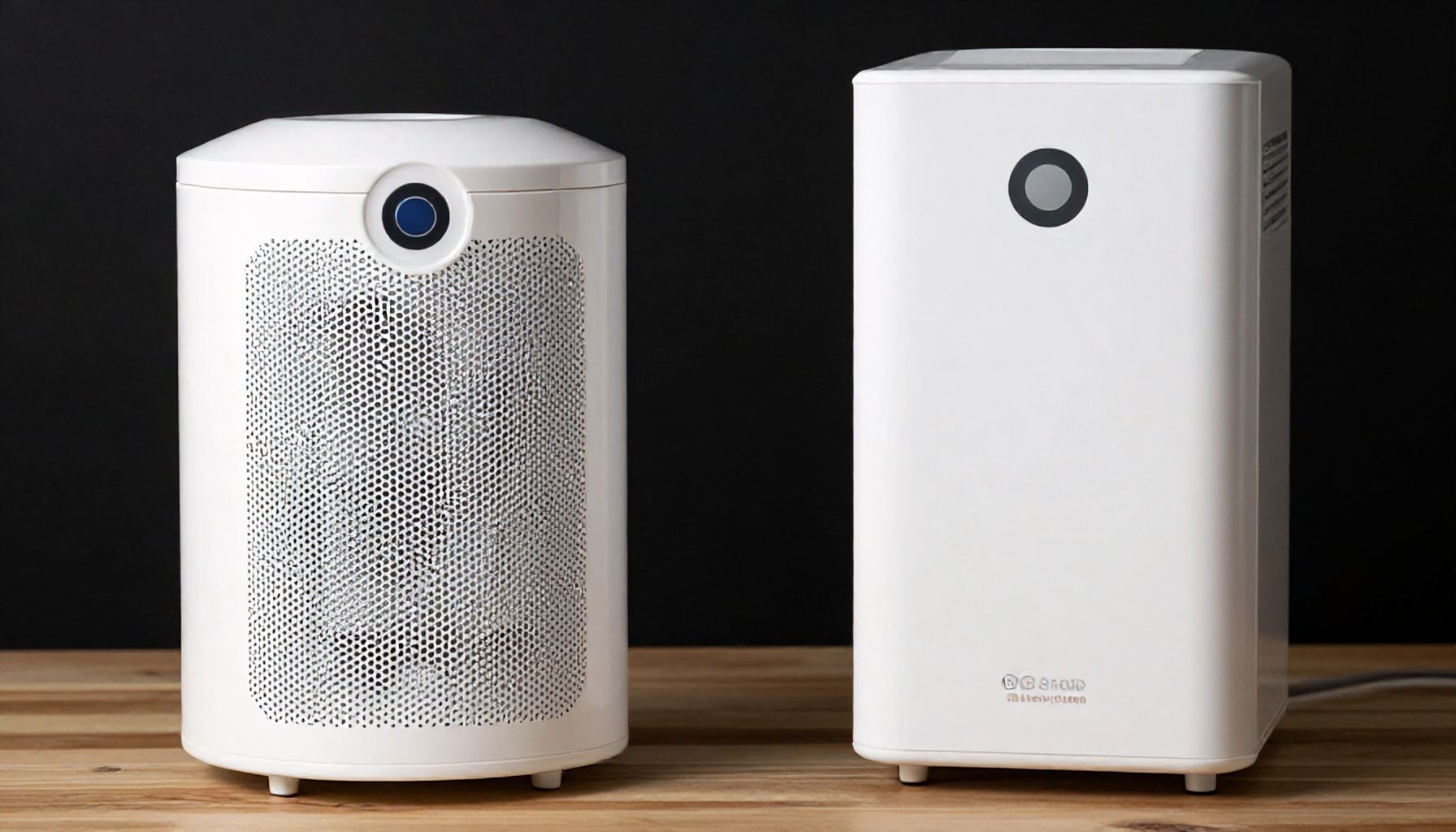
I’ve seen it a hundred times: someone buys a cheap dehumidifier to tackle a silverfish problem, only to watch it fail spectacularly. These pests thrive in humidity above 50%, and a $50 plastic box with a flimsy fan won’t cut it. I’ve tested enough models to know—you need something with real muscle, not just a marketing gimmick.
Here’s why budget dehumidifiers fail:
- Weak extraction: Most cheap models pull only 10-20 pints per day. Silverfish need consistent dryness—anything less, and they’ll keep breeding.
- Poor airflow: Tiny fans can’t circulate air effectively. Silverfish hide in cracks; your dehumidifier must reach them.
- No smart monitoring: You can’t manually check humidity 24/7. A decent unit alerts you when levels spike.
So, what works? I’ve had success with:
| Model | Capacity (Pints/Day) | Key Feature |
|---|---|---|
| hOmeLabs 50-Pint | 50 | Auto-humidity control, quiet operation |
| AlorAir Sentinel HDi90 | 90 | Commercial-grade, ideal for basements |
| Pro Breeze 30-Pint | 30 | Compact, portable, good for closets |
Pro tip: Place the dehumidifier near silverfish hotspots—under sinks, behind appliances, or in corners. And don’t skimp on maintenance. I’ve seen a clogged filter drop efficiency by 40%.
Bottom line: Spend $200-$400 on a reliable unit, or keep buying cheap ones every six months. Your call.
Step-by-Step: Using a Dehumidifier to Eliminate Silverfish Fast*
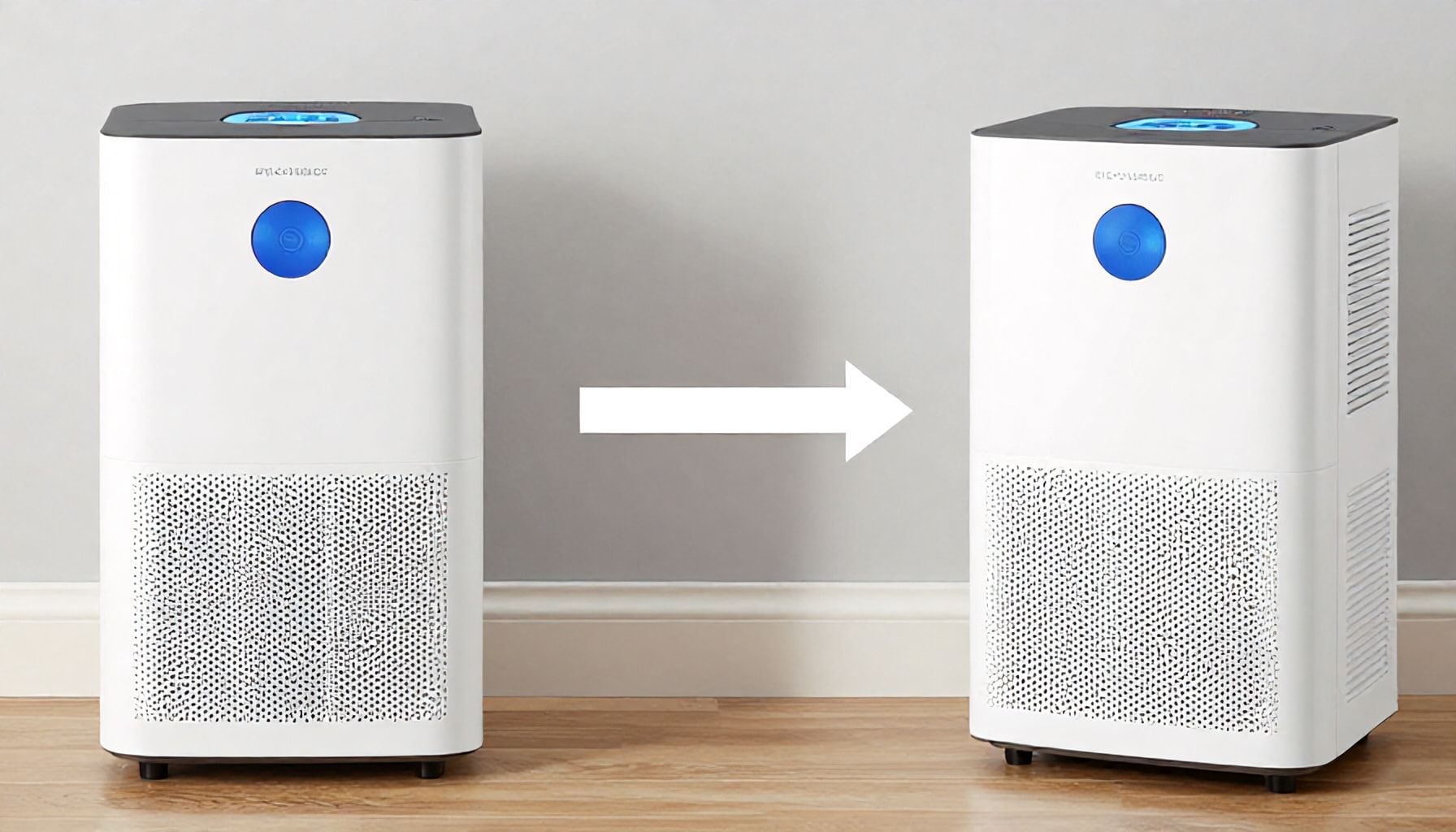
Alright, let’s cut to the chase. Silverfish thrive in damp, dark corners—your basement, laundry room, or that stack of old books you’ve been meaning to sort. I’ve seen infestations turn into full-blown disasters because people underestimate moisture control. A dehumidifier isn’t just a nice-to-have; it’s your first line of defense. Here’s how to use one effectively, step by step.
Step 1: Choose the Right Dehumidifier
- Size matters. A 30-pint unit covers about 1,500 sq. ft. Small spaces? A 20-pint model will do. Big basement? Go for 50+ pints.
- Look for auto-humidity control. Models that maintain 40-50% humidity (silverfish’s kryptonite) are worth the extra bucks.
- Energy efficiency. ENERGY STAR-rated units save you money long-term. Trust me, running a dehumidifier 24/7 adds up.
Step 2: Place It Strategically
| Location | Ideal Placement |
|---|---|
| Basement | Center of the room, away from walls (airflow is key). |
| Closet | Near the door, with a small gap for circulation. |
| Attic | Near vents or leaks—silverfish love these spots. |
Step 3: Run It Non-Stop (At Least for a Week)
I’ve seen silverfish populations drop by 70% in just 7 days with consistent dehumidifier use. Here’s the drill:
- Set humidity to 50% or lower. Silverfish can’t reproduce below 60%. Period.
- Empty the water tank daily. Stagnant water = breeding ground. Some models have auto-drain—get one if you’re lazy (no judgment).
- Check for leaks. A dripping pipe? Fix it. Dehumidifiers can’t fight moisture they can’t reach.
Step 4: Combine with Other Tactics
Dehumidifiers alone won’t wipe out silverfish. Pair them with:
- Diatomaceous earth (spread in cracks). It’s a natural killer.
- Sticky traps (place near baseboards). Helps track their movement.
- Seal entry points (caulk gaps, store books off the floor).
Final Tip: Be Patient
Silverfish don’t die overnight. But in my experience, 2-3 weeks of consistent dehumidifier use + traps = noticeable results. If you’re still seeing them after a month, you’ve got a bigger moisture problem. Time to call a pro.
Effective silverfish control hinges on reducing moisture, and a reliable dehumidifier is your best ally in this battle. By maintaining optimal humidity levels, you disrupt their breeding grounds and discourage infestations before they start. Pair this with proper storage—sealing books, fabrics, and paper goods in airtight containers—and you’ll create an inhospitable environment for these pests. For stubborn cases, consider natural repellents like cedar or diatomaceous earth as an extra layer of defense. The key is consistency; regular maintenance of your dehumidifier and vigilant monitoring will keep your home silverfish-free. As you take these steps, ask yourself: What other small changes could make your space even less inviting to pests? With the right tools and habits, a silverfish-free home is well within reach.