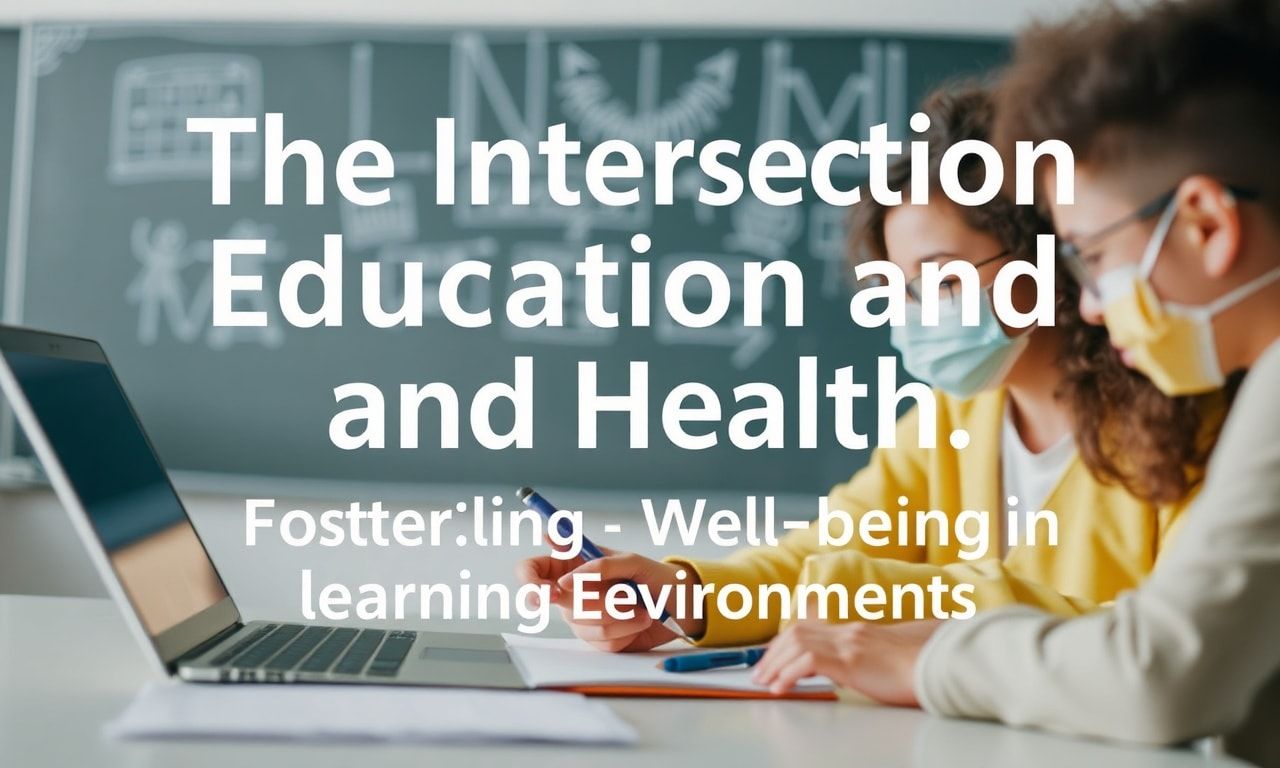
The Importance of Health in Educational Settings
Health and education are intrinsically linked, with each significantly influencing the other. A healthy student is better equipped to absorb information, engage in classroom activities, and perform well academically. Conversely, educational institutions play a crucial role in promoting health and wellness among students. This article explores the various ways in which health and education intersect, highlighting the importance of fostering a healthy learning environment.
Physical Health and Academic Performance
Physical health is a cornerstone of academic success. Regular physical activity, a balanced diet, and adequate sleep are essential for optimal cognitive function. Studies have shown that students who engage in regular physical activity tend to have better concentration, memory, and problem-solving skills. Additionally, proper nutrition is vital for brain development and overall health. Schools can promote physical health by incorporating physical education into the curriculum, providing nutritious meals, and encouraging healthy lifestyle choices.
Mental Health and Educational Outcomes
Mental health is equally important for academic achievement. Stress, anxiety, and depression can significantly impact a student’s ability to learn and perform well in school. Educational institutions can support mental health by providing counseling services, promoting mindfulness and stress management techniques, and creating a supportive and inclusive environment. Teachers and staff should be trained to recognize signs of mental health issues and provide appropriate support.
For the latest updates on school admissions news, which can often be a source of stress for students and parents alike, you can visit latest updates on school admissions news. Staying informed about admission processes and requirements can help alleviate some of the anxiety associated with this critical period.
The Role of Nutrition in Learning
Nutrition plays a pivotal role in a student’s ability to learn and retain information. A diet rich in fruits, vegetables, whole grains, and lean proteins provides the necessary nutrients for brain function and overall health. Schools can promote healthy eating habits by offering nutritious meal options in the cafeteria, educating students about the importance of a balanced diet, and involving parents in nutrition-related initiatives. Additionally, schools can partner with local farmers and community organizations to provide fresh, locally sourced produce.
Creating a Healthy Learning Environment
A healthy learning environment encompasses more than just physical and mental health. It also includes factors such as air quality, lighting, and classroom design. Poor air quality, for example, can lead to respiratory issues and decreased concentration. Natural light has been shown to improve mood and cognitive function, while ergonomic furniture can reduce physical discomfort and promote better posture. Schools should prioritize creating a learning environment that supports the health and well-being of students and staff.
Promoting Health Education
Health education is an essential component of a well-rounded curriculum. By teaching students about the importance of physical activity, nutrition, mental health, and overall well-being, schools can empower them to make informed decisions about their health. Health education can be integrated into various subjects, such as science, physical education, and social studies, to provide a comprehensive understanding of health-related topics. Additionally, schools can invite guest speakers, such as healthcare professionals and nutritionists, to share their expertise and provide practical advice.
In conclusion, the intersection of health and education is a critical area that deserves attention and investment. By promoting physical and mental health, providing nutritious meals, creating a healthy learning environment, and integrating health education into the curriculum, schools can support the well-being of their students and enhance academic outcomes. A holistic approach to health and education is essential for nurturing the next generation of healthy, successful individuals.
To delve deeper into the essentials of a healthy lifestyle, consider exploring foundations of a balanced life, a comprehensive guide on nutrition, physical activity, and mental well-being.
To advance your career in wellness and fitness, consider exploring essential skills and courses that can help you grow professionally in this dynamic field.
To understand how digital education can impact your personal growth and mental well-being, delve into education’s digital transformation and its potential benefits.