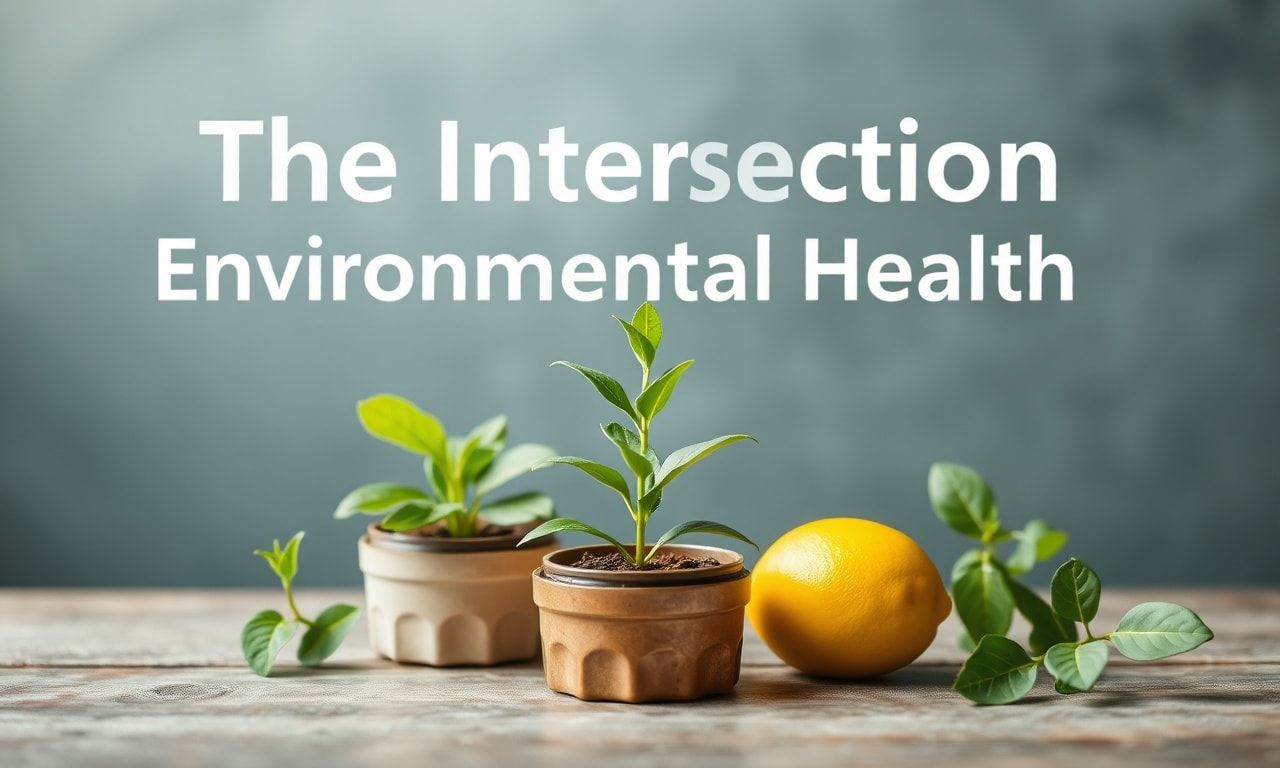
The Link Between Environmental Health and Personal Wellbeing
In recent years, the conversation around health has expanded beyond the confines of personal habits and genetics to include the broader environment. Environmental health, which focuses on how the environment influences human health and disease, is a critical component of overall wellness. Understanding this connection can empower individuals to make informed choices that enhance their well-being and contribute to a healthier planet.
Environmental factors such as air quality, water purity, and exposure to toxins can significantly impact physical health. For instance, poor air quality is linked to respiratory diseases like asthma and chronic obstructive pulmonary disease (COPD). Similarly, contaminated water sources can lead to gastrointestinal illnesses and other health issues. By being aware of these environmental influences, individuals can take proactive steps to mitigate risks and protect their health.
The Role of Nutrition in Environmental Health
Nutrition plays a pivotal role in both personal health and environmental sustainability. A diet rich in whole foods, such as fruits, vegetables, and lean proteins, not only supports physical health but also reduces the environmental footprint. Industrial agriculture, which often relies on chemical fertilizers and pesticides, can degrade soil quality and contribute to water pollution. In contrast, sustainable farming practices promote biodiversity and reduce environmental harm.
Incorporating locally sourced and seasonal produce into your diet can also have a positive impact. Local food systems reduce the carbon emissions associated with transportation and support local economies. Additionally, choosing plant-based proteins over animal products can lower greenhouse gas emissions and conserve natural resources. By making mindful dietary choices, individuals can enhance their personal health while contributing to a healthier environment.
Environmental Impact on Mental Health
The environment also plays a crucial role in mental health. Access to green spaces, such as parks and forests, has been shown to reduce stress levels and improve mood. Natural environments provide opportunities for physical activity, social interaction, and relaxation, all of which are beneficial for mental well-being. Studies have found that spending time in nature can lower symptoms of anxiety and depression, enhance cognitive function, and promote overall mental resilience.
Conversely, environmental degradation and pollution can have detrimental effects on mental health. Living in areas with high levels of air pollution or noise pollution can increase stress and anxiety. Exposure to environmental toxins, such as lead and mercury, can also impact neurological function and contribute to mental health disorders. Addressing these environmental challenges is essential for promoting mental health and well-being.
Fitness and Environmental Sustainability
Fitness routines can also be adapted to align with environmental sustainability. Outdoor activities like hiking, cycling, and running not only improve physical fitness but also reduce the carbon footprint associated with indoor gyms. Engaging in outdoor exercise allows individuals to connect with nature, which can enhance the mental health benefits of physical activity.
For those who prefer indoor workouts, choosing eco-friendly fitness equipment and practices can make a difference. For example, using energy-efficient exercise machines or participating in virtual fitness classes can reduce energy consumption. Additionally, opting for sustainable fitness gear, such as clothing made from recycled materials, supports environmental conservation efforts.
Incorporating environmental awareness into fitness routines can also inspire others to adopt healthier and more sustainable lifestyles. By sharing experiences and knowledge, individuals can create a ripple effect that promotes both personal well-being and environmental health.
Global Environmental Health Initiatives
Several global initiatives aim to address environmental health challenges and promote sustainable practices. Organizations like the World Health Organization (WHO) and the United Nations Environment Programme (UNEP) work to raise awareness about the impact of environmental factors on health and advocate for policies that protect both human health and the environment.
For instance, the WHO’s Global Air Quality Guidelines provide evidence-based recommendations for reducing air pollution and its health impacts. Similarly, UNEP’s Clean Seas campaign aims to reduce marine pollution and protect ocean health. These initiatives highlight the importance of collective action in addressing environmental health challenges and promoting sustainable development.
Staying informed about these initiatives and supporting environmental health efforts can have a positive impact on both personal well-being and the planet. For the latest updates on environmental health in the Arab world, visit أحدث أخبار البيئة في العالم العربي.
Practical Tips for Enhancing Environmental Health
Incorporating environmental health into daily life can be achieved through simple yet effective practices. Here are some practical tips to enhance environmental health and personal well-being:
- Reduce, Reuse, Recycle: Minimize waste by reducing consumption, reusing items, and recycling materials. This practice not only reduces environmental pollution but also conserves natural resources.
- Choose Sustainable Transportation: Opt for walking, cycling, or using public transportation to reduce carbon emissions. Carpooling and using electric vehicles are also eco-friendly alternatives.
- Support Sustainable Agriculture: Purchase locally sourced and organic produce to support sustainable farming practices. Choosing plant-based meals can also reduce the environmental impact of food production.
- Conserve Water and Energy: Implement water-saving techniques, such as fixing leaks and using low-flow fixtures. Energy-efficient appliances and practices, like turning off lights and unplugging electronics, can also reduce energy consumption.
- Engage in Community Efforts: Participate in local environmental initiatives, such as community clean-up events and tree-planting activities. Supporting environmental organizations and advocating for policies that protect the environment can have a broader impact.
By adopting these practices, individuals can contribute to a healthier environment while enhancing their personal well-being. The connection between environmental health and personal wellness underscores the importance of a holistic approach to health that considers both individual and planetary well-being.
To enhance your overall well-being and create a healthier lifestyle, consider exploring tips for a captivating home life that promotes fitness, nutrition, and mental health.
Incorporating timeless accessories can enhance your overall well-being and confidence; discover the enduring appeal of pearl necklaces as fashion staples and how they can elevate your personal style.
Discover how technology is revolutionizing sports and fitness in our latest feature, transforming favorite athletic pursuits, and learn how these innovations can enhance your wellness journey.