The Importance of a Healthy Home Environment
A healthy home environment is pivotal for overall well-being, influencing both physical and mental health. The spaces we inhabit can either contribute to our stress levels or provide a sanctuary for relaxation and rejuvenation. Research has shown that a well-organized and aesthetically pleasing home can significantly reduce anxiety and improve mood. For instance, incorporating elements of nature, such as plants and natural light, can enhance mental health by creating a calming atmosphere.
Moreover, the layout and functionality of a home can impact daily routines and stress levels. A clutter-free and efficiently designed space can streamline daily tasks, reducing the time and effort required for household chores. This can free up more time for self-care and activities that promote mental well-being. For those looking to enhance their living spaces, resources like Kodin korjausvinkit Espoossa 2026 offer practical tips and ideas for home improvement projects that can contribute to a healthier living environment.
The Role of Lighting in Mental Health
Lighting plays a crucial role in regulating mood and sleep patterns. Natural light is particularly beneficial, as it helps regulate the body’s internal clock and promotes the production of serotonin, a neurotransmitter associated with happiness and well-being. Conversely, poor lighting can lead to eye strain, headaches, and increased stress levels. To maximize the benefits of natural light, consider arranging furniture to allow for ample sunlight exposure and using light-colored curtains or blinds.
Artificial lighting should also be carefully considered. Warm, soft lighting can create a cozy and inviting atmosphere, while bright, cool lighting is better suited for task-oriented areas like kitchens and home offices. Implementing dimmable lights can provide flexibility, allowing you to adjust the lighting to suit different activities and moods throughout the day.
The Impact of Color on Mental Health
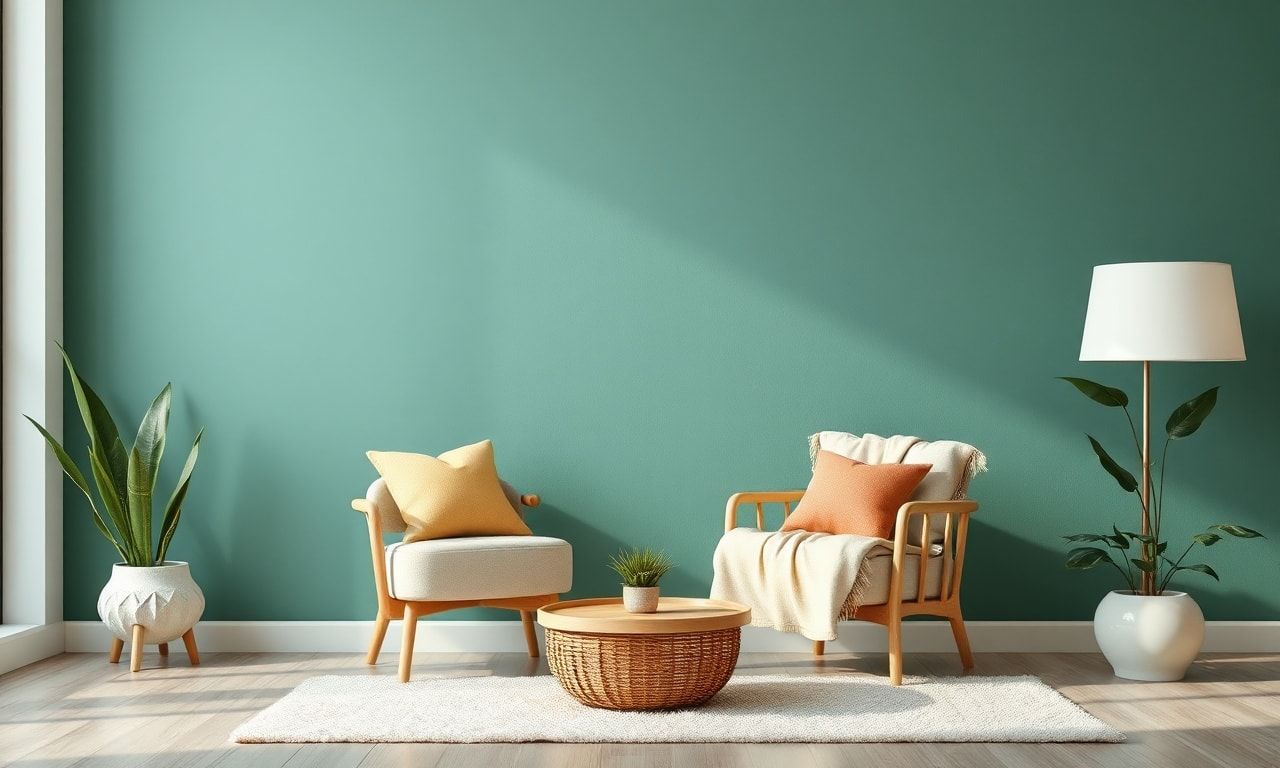
The colors we surround ourselves with can have a profound impact on our emotions and mental state. Different colors evoke different emotional responses, and choosing the right palette for your home can contribute to a more harmonious and calming environment. For example, blues and greens are often associated with tranquility and relaxation, making them ideal choices for bedrooms and living areas.
On the other hand, vibrant colors like red and orange can stimulate energy and creativity, making them suitable for spaces like home offices or workout areas. It’s essential to strike a balance and choose colors that align with the intended purpose of each room. Additionally, incorporating accent colors through decorative elements like throw pillows, artwork, and rugs can add visual interest without overwhelming the space.
Creating a Clutter-Free and Organized Space
Clutter can be a significant source of stress and anxiety, making it difficult to relax and focus. A clutter-free and organized home can promote a sense of calm and control. To achieve this, start by decluttering each room, donating or discarding items that no longer serve a purpose. Invest in storage solutions that maximize space and keep items neatly tucked away when not in use.
Implementing a system for organizing belongings can also help maintain a tidy home. For example, using labeled bins or baskets for toys, books, and other items can make it easier to put things away. Additionally, creating designated zones for different activities, such as a reading nook or a workout area, can help streamline daily routines and reduce clutter.
The Benefits of Indoor Plants for Mental Health
Indoor plants not only enhance the aesthetic appeal of a home but also offer numerous mental health benefits. Studies have shown that interacting with plants can reduce stress, anxiety, and depression. The act of caring for plants can provide a sense of purpose and accomplishment, while the presence of greenery can create a calming and soothing atmosphere.
Choosing the right plants for your home is essential. Some low-maintenance options include snake plants, pothos, and spider plants, which are easy to care for and thrive in various conditions. Placing plants in areas where you spend the most time, such as the living room or home office, can maximize their positive impact on your mental health. Additionally, incorporating plants into your home decor can add a touch of nature and create a more inviting and relaxing space.
Conclusion
Creating a healthy home environment is a multifaceted process that involves considering various elements, from lighting and color to organization and indoor plants. By thoughtfully designing and maintaining your living space, you can create a sanctuary that promotes mental well-being and enhances your overall quality of life. Whether you’re looking to make small improvements or undertake a significant home renovation, prioritizing your mental health should be at the forefront of your decision-making process.
To enhance your overall well-being, consider exploring personal growth in daily life, a comprehensive guide on integrating wellness practices into your routine.
If you’re looking to enhance your fitness journey, consider diving into advanced athletic techniques and strategies that can significantly improve your performance and overall well-being.
If you’re curious about the potential benefits of water fasting for your overall well-being, check out the science behind fasting in our detailed guide.