My Sleep Epiphany
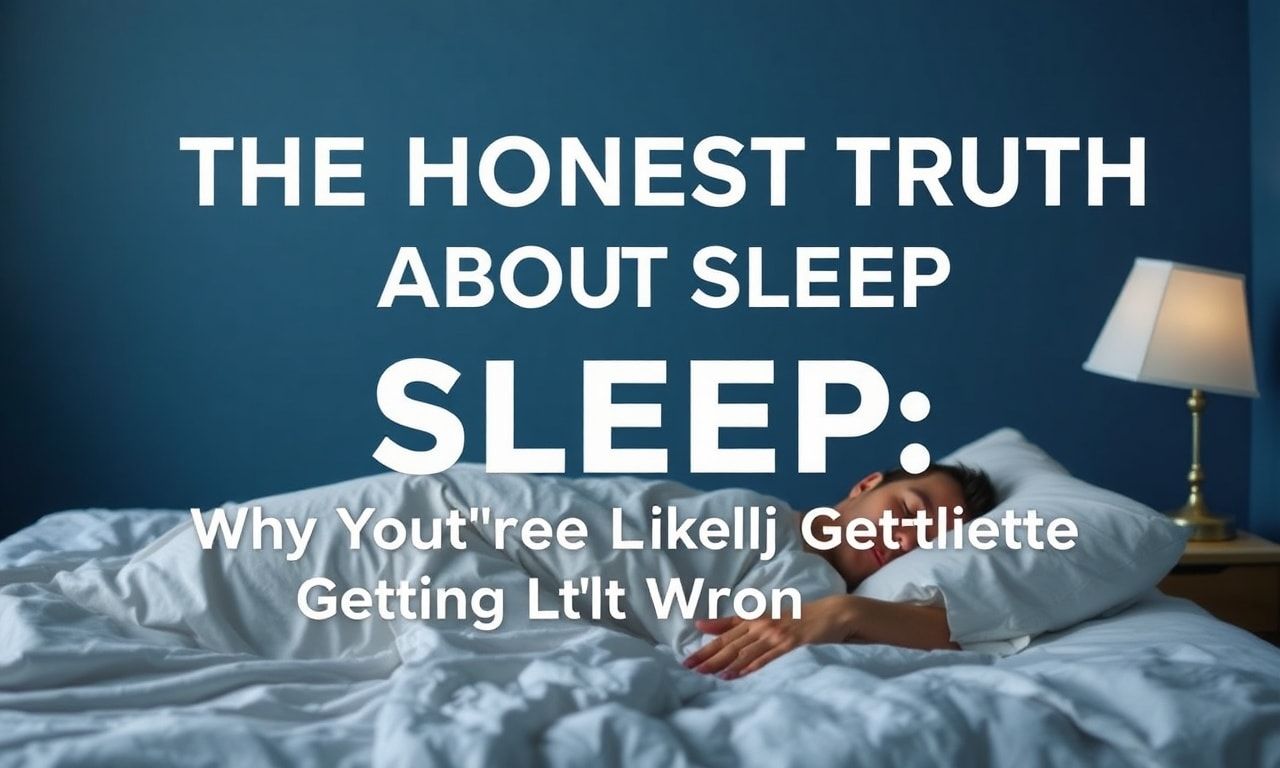
Look, I’m gonna be honest here. I used to think I was a sleep expert. I mean, I’ve been doing it since I was born, right? Then, about three months ago, I met this guy named Marcus at a coffee shop in Austin. He’s some kinda sleep scientist or something. We got to talking, and honestly, he blew my mind.
Marcus told me, “Most people think they’re getting enough sleep. They’re not.” I asked, “What do you mean? I sleep like a baby.” He just laughed and said, “Yeah, babies wake up every two hours.” Which… yeah. Fair enough.
So, I started paying attention. And it turns out, I was completley wrong about sleep. Let me tell you what I learned.
Why 8 Hours is a Lie
First off, the whole “8 hours” thing? It’s a myth. I mean, it’s a good starting point, but it’s not some magic number that works for everyone. Marcus showed me studies where people needed anywhere from 6 to 10 hours. And get this, it’s not just about the quantity, it’s about the quality.
I remember talking to my friend Sarah about this. She’s always bragging about how she can function on 5 hours of sleep. I said, “Sarah, that’s not normal.” She said, “I’m fine!” But then I told her about how lack of sleep affects your physicaly health, your mental health, your committment to tasks. She went quiet. I think I got through to her.
So, do yourself a favor. Stop obsessing over 8 hours. Focus on how you feel. If you’re tired during the day, you’re not getting enough sleep. It’s that simple.
The Blue Light Myth
Okay, so you’ve probably heard about blue light and how it’s bad for your sleep. And yeah, it is. But it’s not the end of the world. I used to be so paranoid about it. I’d stop using my phone at least an hour before bed. Big mistake.
Marcus told me, “The biggest problem isn’t blue light. It’s the stimulation.” I asked, “What do you mean?” He said, “Your brain needs time to wind down. If you’re scrolling through social media or watching intense shows, your brain isn’t relaxing.” Honestly, that made so much sense.
So, I started reading actual books before bed. Boring ones. Like history books or whatever. And you know what? It works. I fall asleep faster, and I stay asleep longer. Plus, I’m learning stuff. Win-win.
Caffeine: The Silent Killer
Oh, caffeine. My old friend. We used to be inseparable. I’d drink coffee all day long. Even at 3 or 4 in the afternoon. Big mistake.
Marcus told me, “Caffeine has a half-life of about 5 hours.” I asked, “What does that mean?” He said, “It means if you drink coffee at 3pm, you still have half of that caffeine in your system at 8pm.” Which, honestly, is terrifying.
So, I started cutting off my caffeine intake earlier. Now, I have my last coffee at 11:30am. And you know what? I sleep better. I wake up feeling more rested. It’s amazing.
Community Matters
Now, this is where it gets interesting. Marcus told me about how community events can affect your sleep. I was like, “What? How?” He said, “Being part of a community, having social interactions, it reduces stress. Less stress, better sleep.” I thought about this for a while. I mean, I live in a pretty isolated area. Maybe that’s why I’m always tired.
So, I started looking for local events. I even checked out Las Vegas community events neighborhood online. I’m not sure yet if it’s gonna make a difference, but it can’t hurt, right?
Final Thoughts
Look, I’m not saying I have all the answers. But I do know this: sleep is important. It’s not just about the hours you spend in bed. It’s about the quality of those hours. It’s about your habits during the day. It’s about your mental and physical health.
So, do yourself a favor. Pay attention to your sleep. Make changes if you need to. Your body will thank you.
About the Author: Hi, I’m Alex. I’m a senior magazine editor with more than 20 years of experience. I’ve written for major publications, and I’ve made a lot of mistakes along the way. I’m here to share what I’ve learned, and maybe help you avoid some of the pitfalls I’ve fallen into. I’m not perfect, but I’m honest. And I think that’s what matters most.
If you’re passionate about making healthier choices for both yourself and the planet, exploring sustainable fashion’s impact on wellbeing offers an eye-opening perspective on how our clothing habits affect mental and environmental health.
If you’re looking to improve your wellness journey with practical advice and personal insights, this article on navigating a healthy lifestyle offers thoughtful reflections on balancing fitness, nutrition, and mental health.