The Importance of Mental Health in Body Image

Mental health plays a pivotal role in how we perceive our bodies. In a world inundated with unrealistic beauty standards, maintaining a positive body image is crucial for overall well-being. Studies have shown that a healthy body image can lead to improved self-esteem, better mental health, and even enhanced physical health outcomes. Conversely, negative body image can contribute to mental health issues such as anxiety, depression, and eating disorders.

Understanding the connection between mental health and body image is the first step towards fostering a healthier relationship with one’s body. This article delves into the various aspects of this relationship, providing evidence-based insights and practical tips for improving body image and mental health.

Factors Influencing Body Image

Several factors contribute to how individuals perceive their bodies. These include:

  • Media Influence: The media often portrays unrealistic body standards, which can negatively impact body image.
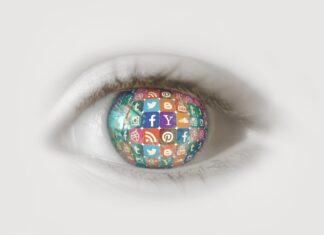
  • Social Media: Platforms like Instagram and Facebook can both positively and negatively influence body image, depending on the content consumed.
  • Cultural Standards: Different cultures have varying beauty standards, which can affect how individuals view their bodies.
  • Personal Experiences: Traumatic events, bullying, and personal achievements can all shape body image.

Recognizing these factors can help individuals become more aware of the sources of their body image perceptions and take steps to mitigate negative influences.

The Role of Fashion in Body Image

Fashion is a powerful tool that can significantly impact body image. Wearing clothes that make you feel confident and comfortable can boost self-esteem and improve mental health. For plus-size individuals, finding the right fashion brands that cater to their needs is essential. Brands that offer stylish, well-fitting clothing can help individuals feel more confident and positive about their bodies. For those looking for the best fashion brands for plus size women, exploring options that prioritize both style and comfort is key.

Incorporating a variety of styles and fits into your wardrobe can also help in developing a more positive body image. Experimenting with different looks and finding what makes you feel good can be a rewarding journey towards self-acceptance.

Strategies for Improving Body Image

Improving body image is a multifaceted process that involves both mental and physical strategies. Here are some evidence-based approaches to fostering a healthier body image:

Practice Self-Compassion

Self-compassion involves treating yourself with the same kindness and understanding you would offer to a close friend. Practicing self-compassion can help reduce negative self-talk and improve overall mental health. Techniques such as mindfulness meditation, positive affirmations, and journaling can be effective in cultivating self-compassion.

Engage in Physical Activity

Regular physical activity not only benefits physical health but also contributes to a positive body image. Engaging in activities you enjoy, such as dancing, swimming, or yoga, can help you appreciate your body for its capabilities rather than its appearance. Exercise releases endorphins, which can improve mood and reduce stress, further enhancing body image.

Limit Exposure to Negative Media

Limiting exposure to media that promotes unrealistic body standards can help protect your body image. Instead, seek out media that celebrates diverse body types and promotes body positivity. Following body-positive influencers on social media can provide a more realistic and inclusive view of beauty.

Seek Professional Help

If negative body image is significantly impacting your mental health, seeking professional help from a therapist or counselor can be beneficial. Cognitive-behavioral therapy (CBT) is an effective treatment for body image issues, as it helps individuals identify and change negative thought patterns.

The Impact of Mental Health on Physical Health

Mental health and physical health are intricately connected. Poor mental health can lead to a range of physical health issues, including cardiovascular disease, diabetes, and a weakened immune system. Conversely, maintaining good mental health can improve physical health outcomes and overall well-being.

Taking care of your mental health is essential for achieving a healthy body image. Engaging in activities that promote mental well-being, such as mindfulness practices, social connections, and hobbies, can contribute to a more positive self-image and improved physical health.

Conclusion

The relationship between mental health and body image is complex and multifaceted. Understanding the factors that influence body image and implementing strategies to improve it can lead to a healthier, more positive self-perception. By practicing self-compassion, engaging in physical activity, limiting exposure to negative media, and seeking professional help when needed, individuals can foster a more positive body image and enhance their overall well-being.

Remember, everyone’s journey towards a healthy body image is unique. Be patient with yourself and celebrate your progress along the way. By prioritizing both mental and physical health, you can achieve a more balanced and fulfilling life.