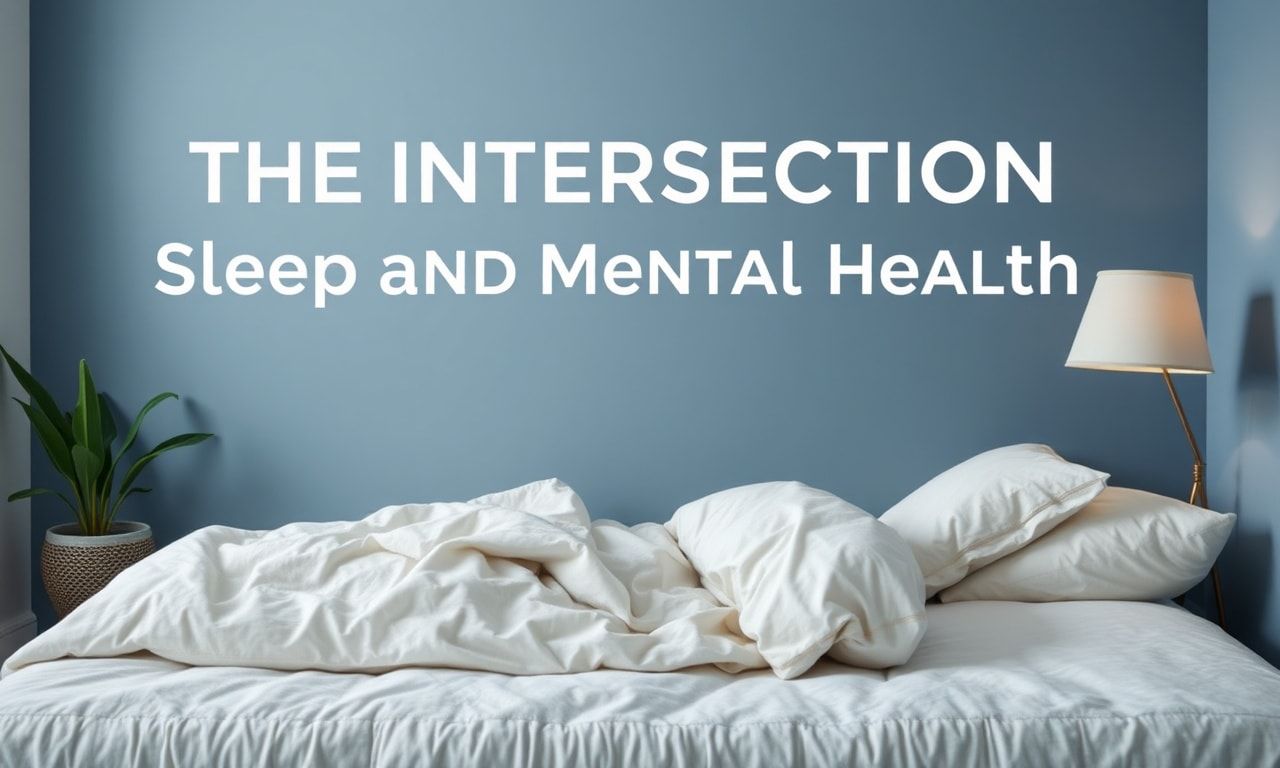
The Importance of Sleep for Mental Well-being
Sleep is a fundamental pillar of overall health, yet its impact on mental health is often underestimated. Quality sleep is essential for cognitive function, emotional regulation, and stress management. Chronic sleep deprivation has been linked to a higher risk of developing mental health disorders such as anxiety and depression. Understanding the intricate relationship between sleep and mental health is the first step toward creating a restorative sleep environment that promotes well-being.
Designing a Sleep Sanctuary
Creating a sleep sanctuary involves more than just having a comfortable bed. It encompasses the entire sleep environment, including lighting, temperature, and ambiance. A well-designed sleep space can significantly improve sleep quality and, consequently, mental health. Consider incorporating elements that promote relaxation and tranquility, such as soft lighting, calming colors, and comfortable bedding. Additionally, understanding how to style for different trends can help you create a space that is both aesthetically pleasing and conducive to restful sleep. For inspiration, explore various design ideas and tips on how to style for different trends.
The Role of Lighting
Lighting plays a crucial role in regulating the body’s internal clock, or circadian rhythm. Exposure to bright light in the evening can disrupt sleep patterns, making it harder to fall asleep and stay asleep. To create an optimal sleep environment, consider using dimmable lights or warm-toned bulbs in the evening. Blackout curtains or shades can also help block out external light sources, ensuring a dark and restful sleep environment. Additionally, incorporating natural light during the day can help regulate your sleep-wake cycle, promoting better sleep at night.
Temperature and Humidity
The ideal sleep environment should be cool, quiet, and dark. The recommended room temperature for optimal sleep is between 60-67 degrees Fahrenheit (15-19 degrees Celsius). Maintaining this temperature range can help facilitate the body’s natural cooling process, promoting deeper and more restful sleep. Humidity levels should also be considered, as both high and low humidity can disrupt sleep. Aim for a humidity level between 30% and 50% to create a comfortable and restorative sleep environment.
The Impact of Stress and Anxiety on Sleep
Stress and anxiety are common culprits of sleep disturbances. The body’s natural response to stress involves the release of hormones such as cortisol and adrenaline, which can make it difficult to fall asleep and stay asleep. To mitigate the impact of stress and anxiety on sleep, consider incorporating relaxation techniques into your bedtime routine. Practices such as meditation, deep breathing, and progressive muscle relaxation can help calm the mind and body, promoting better sleep. Additionally, creating a consistent sleep schedule and avoiding stimulating activities before bed can help reduce stress and improve sleep quality.
The Role of Nutrition
Diet and nutrition also play a significant role in sleep quality and mental health. Consuming a balanced diet rich in nutrients such as magnesium, calcium, and vitamin B6 can promote relaxation and improve sleep. Foods such as bananas, almonds, and cherries are known for their sleep-inducing properties and can be incorporated into a bedtime snack. Conversely, consuming caffeine, alcohol, and heavy meals close to bedtime can disrupt sleep and negatively impact mental health. By making mindful food choices, you can support better sleep and overall well-being.
Creating a Consistent Sleep Routine
Consistency is key when it comes to improving sleep quality and mental health. Establishing a regular sleep schedule by going to bed and waking up at the same time every day can help regulate the body’s internal clock and promote better sleep. Additionally, creating a relaxing bedtime routine that includes activities such as reading, taking a warm bath, or listening to calming music can signal to the body that it is time to wind down and prepare for sleep. By prioritizing consistency and relaxation, you can create a sleep routine that supports both physical and mental health.
Conclusion
The intersection of sleep and mental health is a complex and multifaceted relationship. By understanding the impact of sleep on mental well-being and creating a restorative sleep environment, you can significantly improve your overall health. Incorporating elements such as proper lighting, temperature control, stress management techniques, and a consistent sleep routine can help you create a sleep sanctuary that promotes relaxation and rejuvenation. Prioritizing sleep is not only essential for physical health but also crucial for maintaining optimal mental health and well-being.
To delve deeper into the interconnectedness of physical and mental well-being, explore a holistic health approach that combines nutrition, fitness, and mindfulness.
You may also find The Intersection of Fashion and Entertainment: helpful as it covers related aspects of this subject.
Readers interested in this subject may also want to explore The Intersection of Nature and Wellness: for additional perspectives.