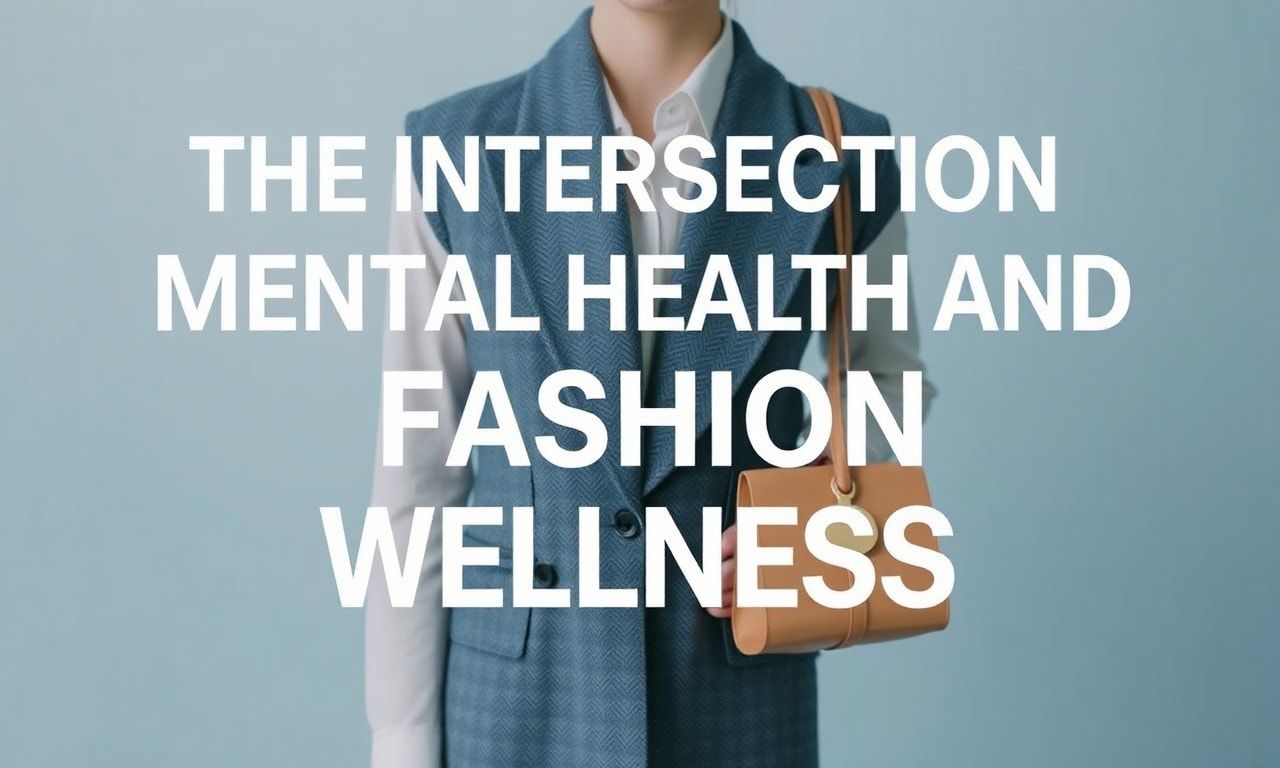
The Power of Clothing on Mental Health
Clothing is more than just a means to cover our bodies; it is a form of self-expression and can significantly impact our mental health. The concept of ‘dressing for success’ is well-known, but the role of fashion in overall wellness is often overlooked. Research has shown that what we wear can influence our mood, confidence, and even cognitive functions. Understanding this connection can help us make more informed choices about our attire, promoting better mental health.
The Psychology of Color
Colors have a profound effect on our emotions and behaviors. Different hues can evoke various feelings and reactions. For instance, blue is often associated with calmness and tranquility, making it a popular choice for those seeking to reduce stress. On the other hand, red can stimulate energy and excitement. Incorporating a variety of colors into your wardrobe can help you manage your emotions and enhance your overall well-being. Experimenting with different color palettes can be a fun and therapeutic way to explore your emotional landscape.
When selecting colors, consider the message you want to convey and the emotions you wish to evoke. For example, if you’re feeling down, opt for brighter colors to uplift your mood. Conversely, if you’re feeling anxious, choose soothing colors to promote relaxation. Remember, the key is to find a balance that resonates with your personal style and emotional needs.
The Role of Texture and Fabric
The texture and fabric of your clothing can also impact your mental state. Soft, comfortable fabrics like cotton and linen can provide a sense of security and comfort, while rough or itchy materials can cause discomfort and irritation. Choosing fabrics that feel good against your skin can enhance your overall sense of well-being. Additionally, the texture of your clothing can influence your tactile experiences, which can be particularly beneficial for those with sensory processing disorders.
When selecting fabrics, consider the season and the activities you have planned. For example, lightweight fabrics are ideal for summer, while heavier materials are better suited for winter. Opt for natural fibers whenever possible, as they are breathable and gentle on the skin. Remember, the goal is to create a wardrobe that not only looks good but also feels good.
The Influence of Style on Confidence
Our style can significantly impact our confidence levels. Wearing clothes that make us feel good about ourselves can boost our self-esteem and improve our overall mental health. Conversely, wearing clothes that we don’t feel comfortable in can have the opposite effect. Finding a style that resonates with you and makes you feel confident is essential for maintaining good mental health.
Experiment with different styles to find what works best for you. Don’t be afraid to try new trends or mix and match different pieces to create a unique look. Remember, fashion is about self-expression, so choose styles that reflect your personality and make you feel good. If you’re looking for inspiration, consider exploring different fashion trends, such as kimono fashion for different grunge styles, to find what resonates with you.
The Importance of Comfort
Comfort is a crucial aspect of mental health. Wearing comfortable clothes can help reduce stress and anxiety, allowing you to focus on other aspects of your life. Conversely, wearing uncomfortable clothes can cause discomfort and distraction, negatively impacting your mental state. Prioritizing comfort in your wardrobe is essential for maintaining good mental health.
When selecting clothes, consider the fit, fabric, and design. Opt for pieces that fit well and are made from comfortable fabrics. Additionally, choose designs that are practical and functional for your lifestyle. Remember, comfort is key to feeling good, so prioritize it when building your wardrobe.
Conclusion
The connection between fashion and mental health is undeniable. What we wear can influence our mood, confidence, and overall well-being. By understanding this connection, we can make more informed choices about our attire, promoting better mental health. Whether it’s experimenting with different colors, textures, or styles, the key is to find what works best for you and makes you feel good. So, go ahead, explore your wardrobe, and dress for wellness.