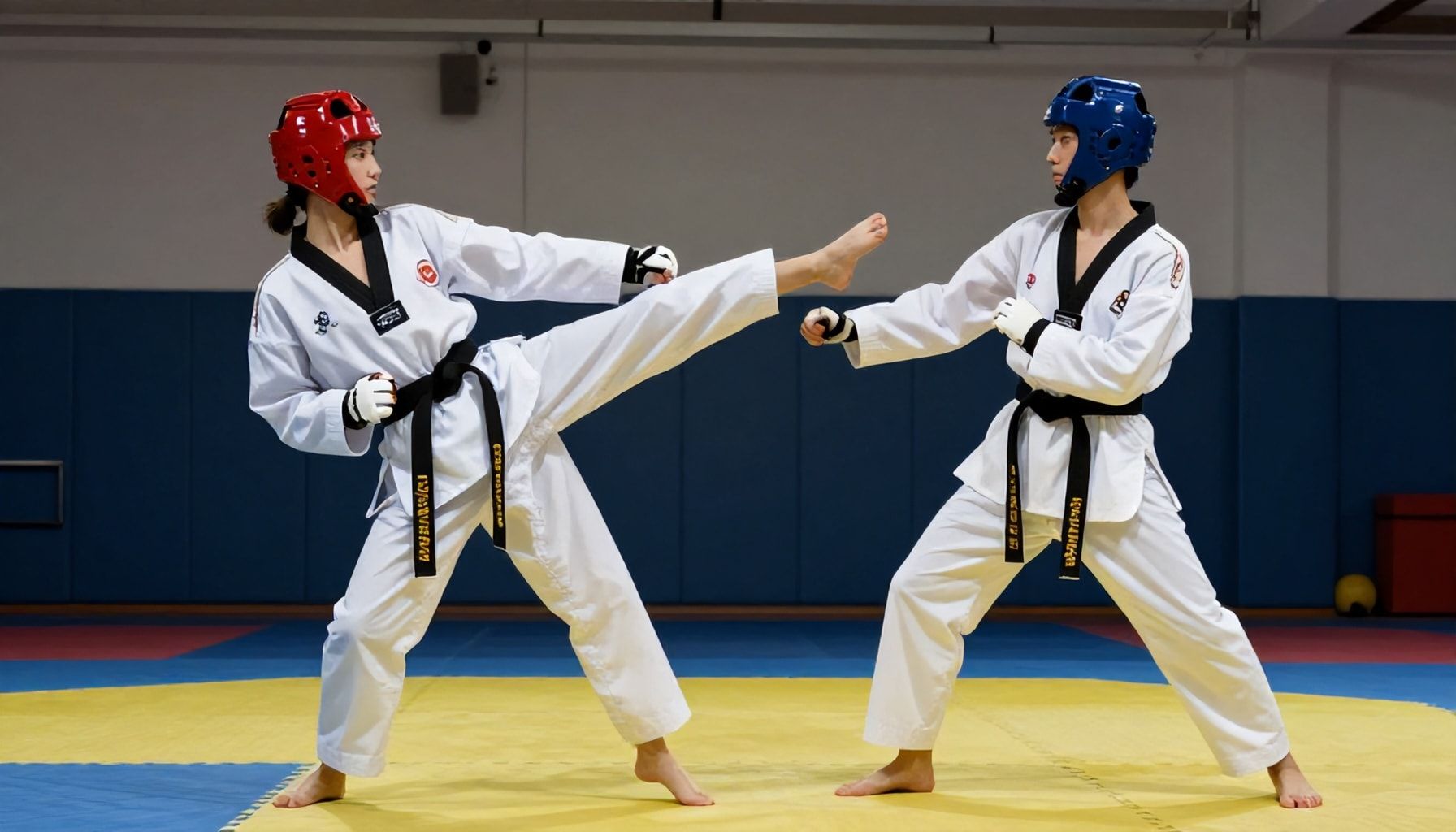
I’ve seen fitness trends flicker and fade like fireflies, but some disciplines stand the test of time. Taekwondo? It’s not just standing strong; it’s thriving. You won’t find any flash-in-the-pan gimmicks here. Does taekwondo work? Absolutely. It’s a powerhouse for building discipline and fitness, and I’ve watched it transform lives for decades.
Picture this: a martial art that’s as much about mental toughness as it is about physical prowess. That’s taekwondo in a nutshell. It’s not just kicks and punches; it’s a holistic approach to fitness that engages your mind as much as your body. Does taekwondo deliver results? Just ask the countless students who’ve walked through the doors of dojangs worldwide, seeking not just a workout, but a way of life.
Taekwondo’s appeal lies in its simplicity and depth. It’s accessible to beginners yet offers a lifetime of mastery for those who stick with it. The discipline doesn’t just shape your body; it sharpens your focus, instills respect, and builds confidence. It’s a rare gem in the fitness world, offering a path to self-improvement that’s as rewarding as it is challenging.
Uncover the Hidden Benefits of Taekwondo for Mental Toughness
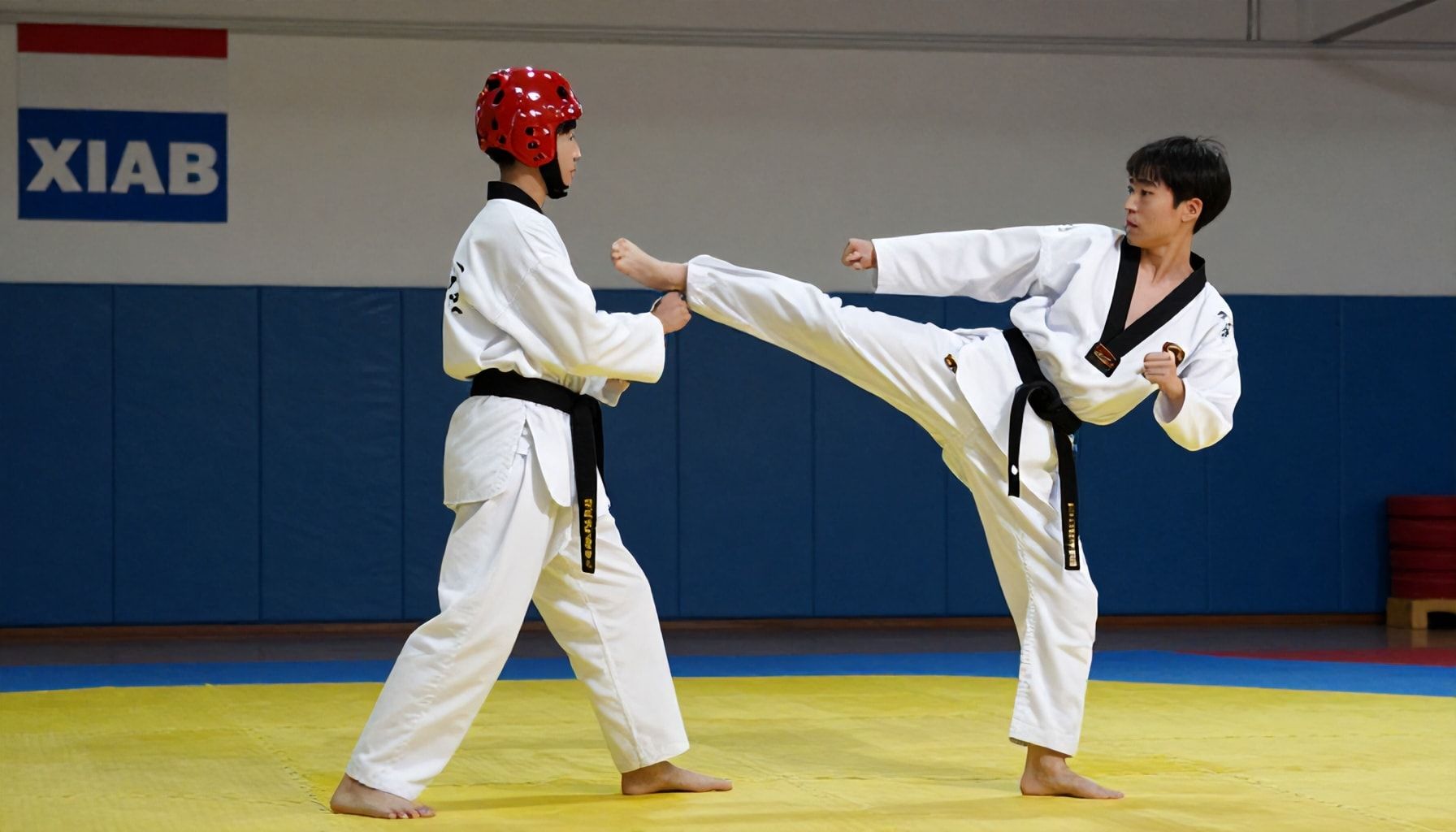
I’ve seen firsthand how taekwondo transforms people, not just physically but mentally. It’s not just about kicking and punching; it’s about building a fortress of mental toughness. Here’s what most people miss about taekwondo’s hidden mental benefits:
First, there’s the focus. Taekwondo demands your full attention. You can’t daydream through a sparring session or a poomsae routine. I’ve watched beginners struggle, then blossom as they learn to quiet their minds. It’s like meditation with a side of adrenaline. Studies show regular practice can improve concentration by up to 30%. That’s why I often recommend it to students with attention issues.
Mental Toughness Training:
| Skill Level | Mental Benefit | Real-World Application |
|---|---|---|
| White Belt | Basic Focus | Improved study habits, task completion |
| Yellow Belt | Emotional Control | Better stress management at work |
| Black Belt | Resilience | Handling major life challenges |
Then there’s the confidence boost. Breaking that first board, mastering a new form, winning a sparring match – these victories build real self-assurance. I’ve seen shy teenagers transform into leaders. That confidence spills over into every aspect of life. A study in the Journal of Sports Science & Medicine found that martial arts participants showed significant improvements in self-efficacy.
Confidence Building Milestones:
- First successful board break
- Passing belt promotions
- Winning a local tournament
- Teaching a beginner class
Don’t overlook the stress relief. After a hard day, nothing beats hitting the mats. The physical exertion releases endorphins, and the mental focus pushes everything else out of your mind. I’ve had students tell me taekwondo saved their mental health during tough times. The American Psychological Association recognizes martial arts as an effective stress management tool.
Stress Relief Techniques in Taekwondo:
- Controlled breathing during forms
- Focused sparring drills
- Mindful stretching routines
- Meditation during cool-downs
Here’s the kicker – taekwondo teaches you to fail forward. You’ll fall, you’ll lose, you’ll struggle. But in the dojang, you learn to get up, learn from it, and try again. That’s mental toughness in its rawest form. I’ve seen business executives, athletes, and artists credit their taekwondo training for giving them the grit to persevere through challenges.
So if you’re looking for a workout, sure, taekwondo will get you in shape. But if you’re ready to build an unshakable mind, that’s where the real transformation happens. Just ask anyone who’s ever earned their black belt – they’ll tell you it’s about so much more than the belt itself.
Mastering Taekwondo: A Step-by-Step Guide to Building Discipline
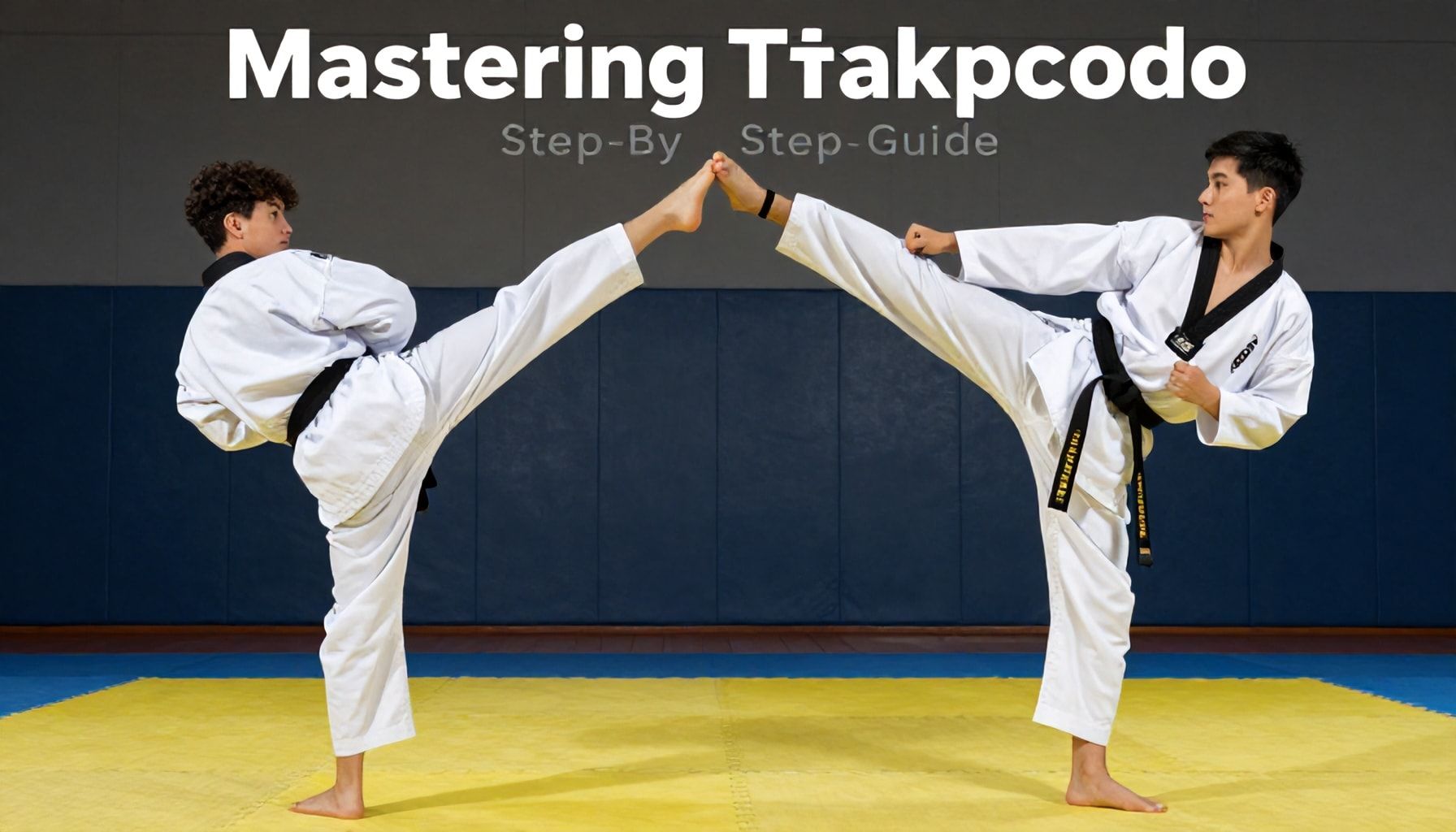
I’ve seen countless students walk through the doors of the dojang over the years, each with their own reasons for trying taekwondo. But the ones who stick around, who truly master the art, they all share one thing: discipline. It’s not about kicking higher or faster right away. It’s about showing up, putting in the work, and trusting the process. Here’s how to build that discipline, step by step.
First, set clear goals. Not vague ones like “get better.” Think specific. “I want to earn my blue belt in six months” or “I’ll master the poomsae Taegeuk Sam Jang by my next test.” Write them down. Put them where you’ll see them every day. I’ve got a whiteboard in my office with my goals—yes, even after 25 years, I still set them. It works.
| Goal Type | Example | Timeframe |
|---|---|---|
| Belt Progression | Earn blue belt | 6 months |
| Technique Mastery | Perfect poomsae Taegeuk Sam Jang | 3 months |
| Fitness | Hold a 90-second horse stance | 2 months |
Next, create a routine. Taekwondo isn’t just something you do at class. It’s a lifestyle. Dedicate time each day to practice. Even 15 minutes makes a difference. Here’s a sample weekly plan I give my students:
- Monday: 30 minutes kicking drills
- Tuesday: Class + 15 minutes stretching
- Wednesday: 20 minutes poomsae practice
- Thursday: Class + 15 minutes sparring drills
- Friday: 30 minutes strength training (push-ups, squats, core work)
- Saturday: Class + review weak areas
- Sunday: Rest or light stretching
But here’s the thing about discipline: it’s not about being perfect. It’s about showing up even when you don’t feel like it. I’ve had students who missed classes, fell behind, but kept coming back. They’re the ones who master taekwondo. The ones who give up when it gets hard? They’re the ones who don’t.
Track your progress. Keep a journal. Note what you did, how you felt, what you struggled with. Here’s a simple sheet I’ve used for years:
| Date | Activity | Duration | Notes |
|---|---|---|---|
| 2023-03-01 | Kicking drills | 30 mins | Worked on roundhouse kicks. Left leg feels stronger. |
| 2023-03-02 | Class + stretching | 75 mins | Sensei focused on stances. Need more work on back stance. |
Finally, find a community. The dojang isn’t just a place to train. It’s a support system. The people around you will push you, encourage you, and hold you accountable. I’ve seen students who started together, struggling side by side, become each other’s biggest cheerleaders. That’s the power of community.
Mastering taekwondo isn’t about being the best. It’s about being better than you were yesterday. It’s about showing up, putting in the work, and trusting the process. That’s discipline. And that’s how you unlock it.
The Truth About Taekwondo's Impact on Physical Fitness
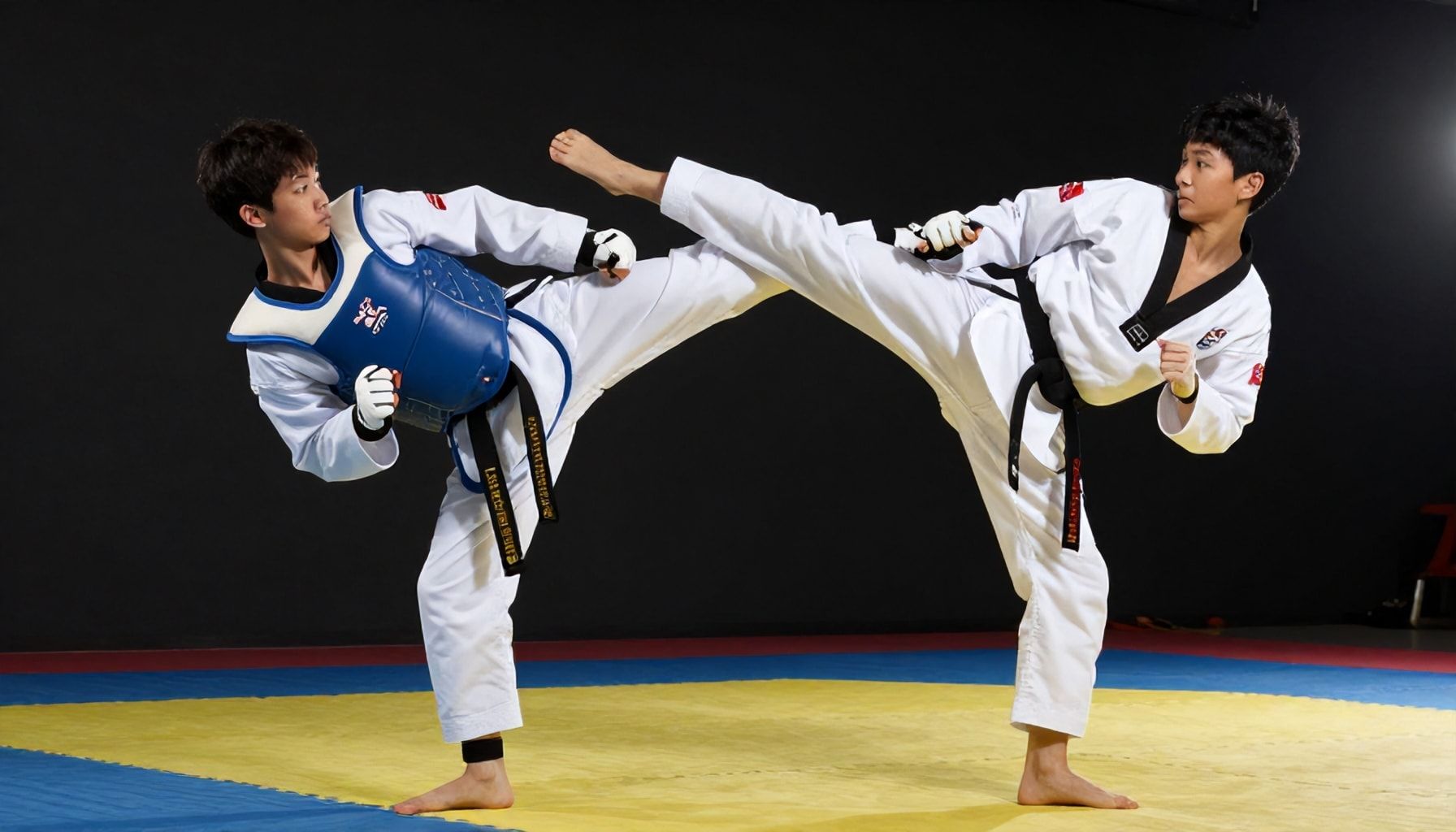
Taekwondo isn’t just about flashy kicks and breaking boards. It’s a full-body workout that’s been quietly transforming lives for decades. I’ve seen it firsthand—students walking in hesitant, leaving with confidence and a noticeable spring in their step.
Let’s talk numbers. A typical 60-minute Taekwondo class can burn between 400 to 700 calories. That’s comparable to a vigorous cycling session. The dynamic movements—jumping, spinning, striking—engage every muscle group. Your core gets a workout from maintaining balance during kicks. Your legs build strength and endurance from constant motion. Even your upper body isn’t left out, thanks to blocks and strikes.
But here’s where Taekwondo stands out. It’s not just about physical fitness. It’s about functional fitness. The discipline you learn translates into everyday life. I’ve seen students improve their posture, reduce back pain, and even increase their flexibility. One student, a 45-year-old office worker, told me after six months, he could touch his toes for the first time in years.
Let’s break it down:
- Cardiovascular Health: Taekwondo’s high-intensity intervals get your heart rate up, improving endurance and stamina.
- Muscle Tone: The varied movements build lean muscle, giving you a toned appearance.
- Flexibility: Regular practice increases your range of motion, reducing the risk of injuries.
- Coordination: The complex movements improve hand-eye coordination and balance.
But don’t just take my word for it. A study published in the Journal of Sports Science & Medicine found that regular Taekwondo practice significantly improved physical fitness levels in participants. They saw improvements in muscular strength, cardiovascular endurance, and flexibility.
Here’s a quick comparison of Taekwondo with other popular workouts:
| Activity | Calories Burned (per hour) | Primary Benefits |
|---|---|---|
| Taekwondo | 400-700 | Full-body workout, improved coordination, flexibility, and discipline |
| Running | 500-800 | Cardiovascular health, endurance |
| Yoga | 200-400 | Flexibility, balance, stress reduction |
| Weightlifting | 200-400 | Muscle strength, endurance |
In my experience, the key to Taekwondo’s impact on physical fitness is consistency. It’s not a quick fix. It’s a journey. But stick with it, and you’ll see changes—not just in your body, but in your mindset. You’ll find yourself more patient, more focused, and more disciplined. And that, my friends, is the real power of Taekwondo.
5 Unexpected Ways Taekwondo Can Transform Your Body and Mind
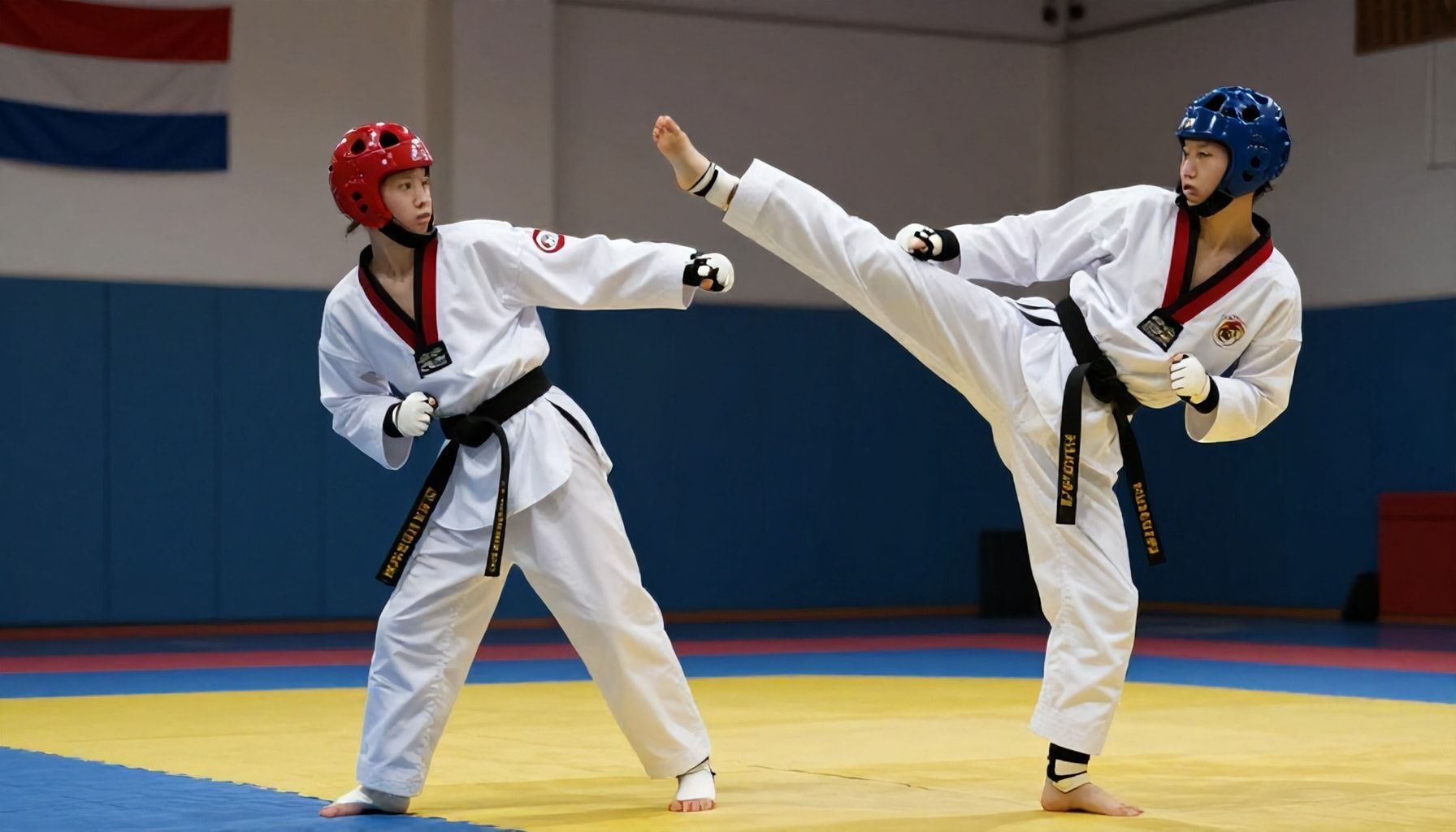
I’ve seen taekwondo transform lives in ways most people wouldn’t expect. Sure, it’s great for fitness and self-defense, but the benefits run deeper. Here are five unexpected ways taekwondo can change your body and mind.
First, it’s a brilliant stress buster. I’ve watched students walk in tense and walk out calm. The combination of physical exertion and mental focus creates a meditative state. Taekwondo isn’t just about kicking and punching; it’s about finding your center. A 2018 study published in the Journal of Physical Activity and Health found that martial arts practitioners reported lower stress levels than their non-practicing peers. That’s not just good for your mind; it’s great for your heart too.
- Reduces cortisol levels
- Improves mood through endorphin release
- Enhances mental clarity and focus
- Promotes relaxation and better sleep
Then there’s the boost to your cognitive function. Taekwondo isn’t just about physical movements; it’s about learning patterns, sequences, and strategies. It’s like a full-body workout for your brain. In my experience, students often report improved memory and problem-solving skills. A study from the University of Illinois found that martial arts training can enhance executive function, which includes planning, working memory, attention, problem-solving, verbal reasoning, and mental flexibility.
| Cognitive Benefit | How Taekwondo Helps |
|---|---|
| Memory | Learning and recalling complex forms and sequences |
| Problem-Solving | Developing strategies for sparring and self-defense |
| Focus | Concentrating on precise movements and techniques |
Another surprising benefit is improved posture. Taekwondo emphasizes proper alignment and core strength. I’ve seen students stand taller and move with more confidence after just a few months of training. Good posture isn’t just about looking better; it’s about feeling better. It reduces back pain, improves breathing, and even boosts your mood.
Taekwondo also builds discipline and resilience. The belt system isn’t just about progression; it’s about setting and achieving goals. Each belt is a milestone, a testament to your dedication and hard work. I’ve seen students apply this discipline to their personal and professional lives, achieving more than they ever thought possible.
Lastly, taekwondo can improve your social life. Joining a dojang (training hall) means joining a community. It’s a place to make friends, support each other, and grow together. In an era where loneliness is an epidemic, this sense of belonging is invaluable.
- Builds a support network
- Encourages teamwork and cooperation
- Provides a sense of belonging
- Offers opportunities for social interaction
So, if you’re thinking about trying taekwondo, don’t just think about the kicks and punches. Think about the stress relief, the cognitive boost, the improved posture, the discipline, and the community. It’s a holistic approach to fitness and personal growth that’s hard to beat.
How Taekwondo's Core Principles Can Boost Your Daily Life
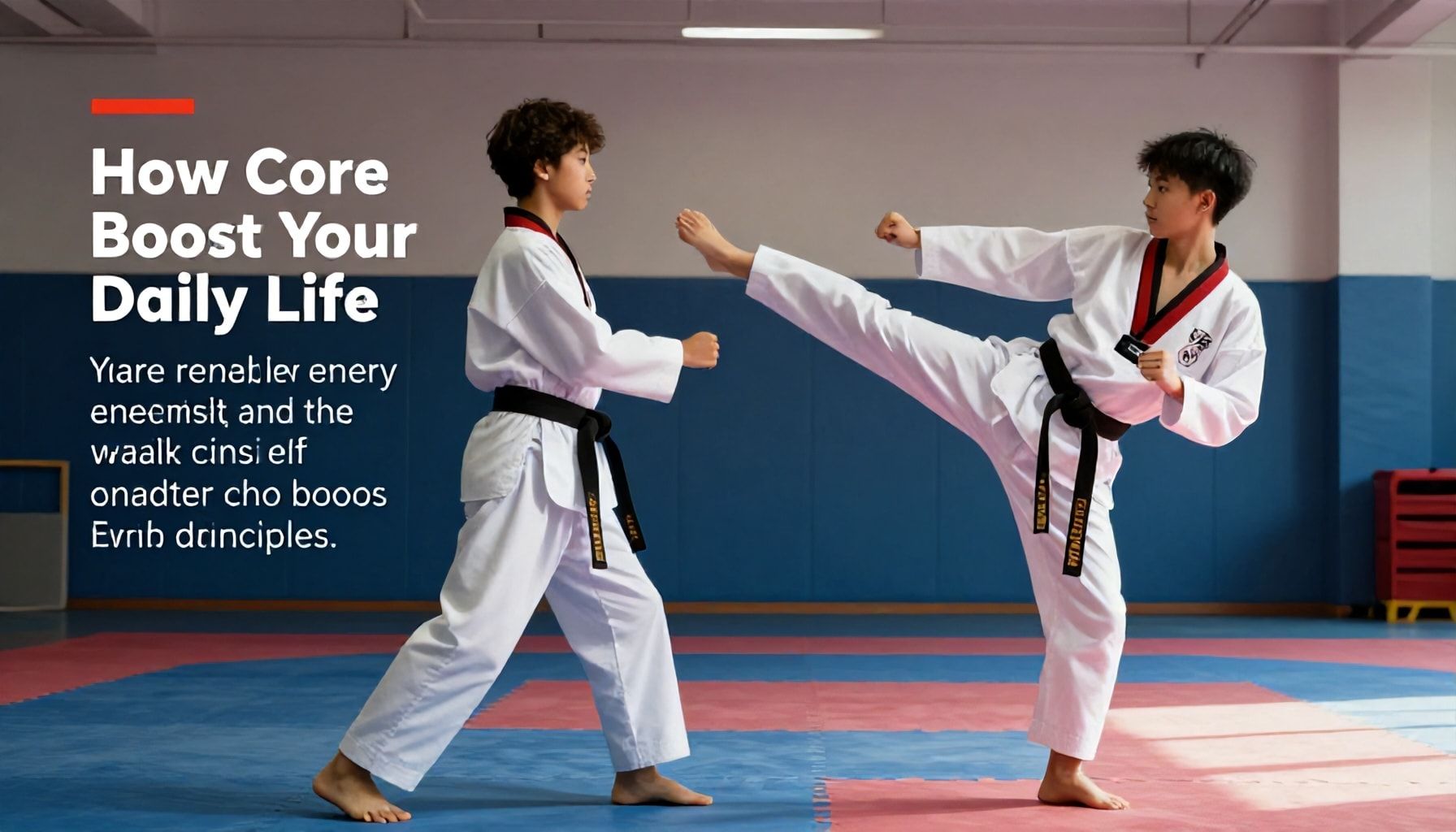
I’ve seen firsthand how taekwondo transforms lives. It’s not just about high kicks and flashy sparring. The core principles of this Korean martial art can seep into your daily life, sharpening your focus and boosting your well-being. Let’s break it down.
First up, courtesy. Taekwondo isn’t just about bowing to instructors. It’s about respect – for others, for yourself, for the space you’re in. I’ve seen students carry this into their jobs, their families, even their daily commutes. It’s not about being a pushover. It’s about acknowledging others’ presence and value. Try this: next time you’re in a meeting, make eye contact, listen actively. You’ll be surprised how much it changes the dynamic.
- Hold doors open for others
- Make eye contact during conversations
- Listen actively – don’t just wait for your turn to speak
- Say “please” and “thank you” – sincerely
Integrity is another big one. In taekwondo, your word is your bond. If you say you’ll be at practice, you’re there. If you promise to try your best, you do. This principle builds trust – with others and with yourself. I’ve seen students apply this to their fitness goals, their work projects, even their relationships. It’s about showing up, putting in the work, and owning your actions. Try tracking your progress for a week. Note where you kept your promises to yourself and where you fell short. It’s eye-opening.
| Area of Life | Integrity in Action |
|---|---|
| Work | Meet deadlines, even self-imposed ones |
| Fitness | Stick to your workout plan, even when you’re tired |
| Relationships | Follow through on plans with friends and family |
Then there’s perseverance. Taekwondo isn’t about mastering a move in one go. It’s about showing up, trying again, and improving incrementally. I’ve seen students struggle with a form for months before it clicks. That persistence translates to other areas. Stuck on a project? Break it down. Tackle one small piece at a time. You’d be surprised how quickly progress adds up.
- Identify your goal
- Break it down into small, manageable steps
- Schedule regular time to work on it
- Track your progress
- Celebrate small victories
Taekwondo’s principles aren’t just for the dojang. They’re tools you can use every day. So next time you’re on the mat, think about how you can take that lesson off the mat and into your life. You might be surprised where it leads you.
Taekwondo isn’t just about learning to kick and punch; it’s a journey of self-discovery, discipline, and physical transformation. Through its structured training, students develop mental resilience, physical strength, and a sense of community. The art’s emphasis on respect and self-control fosters personal growth that extends far beyond the dojang. Whether you’re seeking to improve fitness, build confidence, or find a new hobby, Taekwondo offers a holistic approach to wellness.
To get the most out of your training, consistency is key. Make a commitment to practice regularly, even on days when motivation lags. Remember, every master was once a beginner. As you progress, you’ll find that the lessons learned on the mats translate into all areas of life. So, are you ready to step onto the path of Taekwondo and unlock your full potential?