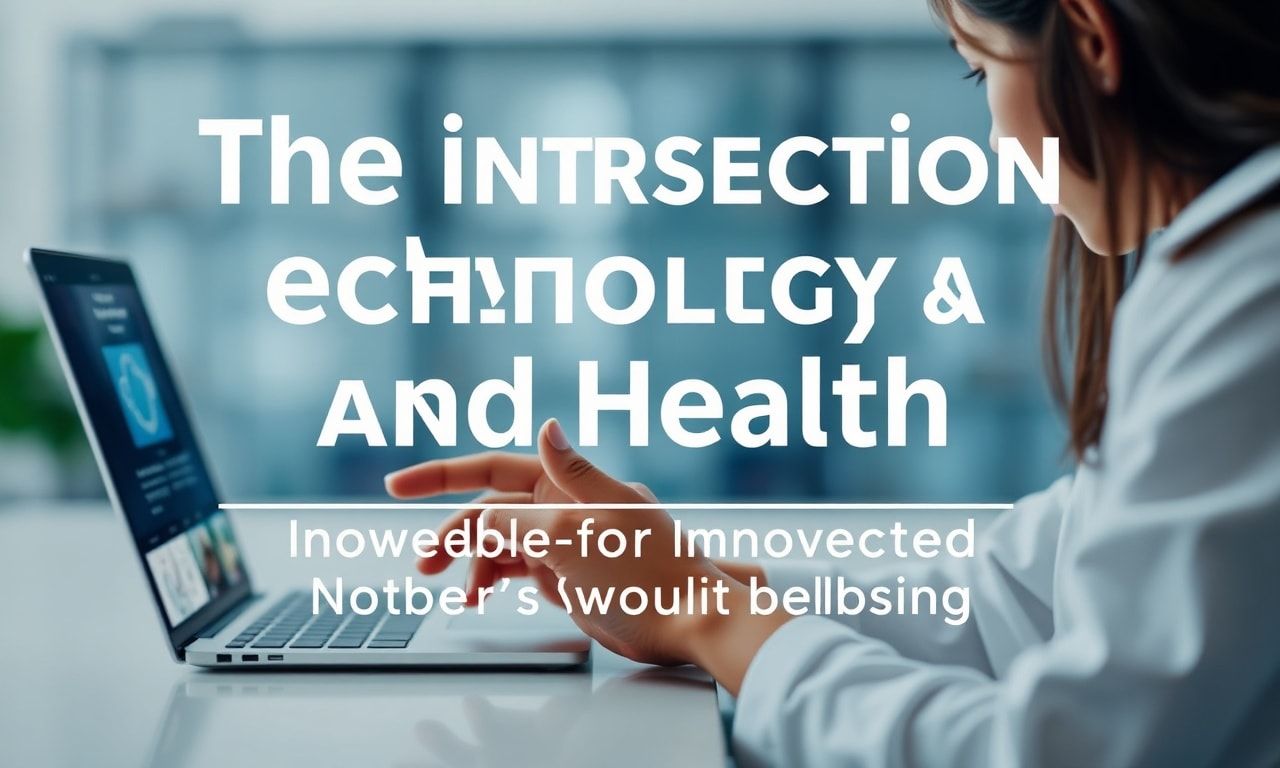
The Digital Transformation of Health and Wellness
The health and wellness industry is undergoing a significant transformation, driven by rapid advancements in technology. From wearable fitness trackers to telemedicine platforms, technology is reshaping how we approach our well-being. These innovations are making healthcare more accessible, personalized, and efficient, ultimately empowering individuals to take control of their health.
The Role of Wearable Technology in Health Monitoring
Wearable technology has become a cornerstone of modern health monitoring. Devices like smartwatches and fitness bands track various health metrics, including heart rate, sleep patterns, and physical activity. These tools provide real-time data, enabling users to make informed decisions about their lifestyle and fitness routines. For instance, a study published in the Journal of Medical Internet Research found that wearable devices significantly improved physical activity levels and weight management in users.
Moreover, the integration of artificial intelligence (AI) into wearable technology has enhanced its capabilities. AI algorithms can analyze data patterns and offer personalized health insights and recommendations. This level of customization helps individuals tailor their wellness strategies to their specific needs, leading to better health outcomes.
The Impact of Telemedicine on Healthcare Accessibility
Telemedicine has revolutionized healthcare delivery, particularly in remote and underserved areas. By leveraging digital platforms, healthcare providers can offer consultations, diagnoses, and treatment plans without the need for in-person visits. This has been particularly beneficial during the COVID-19 pandemic, ensuring that patients receive timely medical attention while minimizing the risk of virus transmission.
According to a report by the American Medical Association, telemedicine usage surged by over 50% in 2020. This surge highlights the growing acceptance and reliability of virtual healthcare services. Telemedicine not only improves access to healthcare but also reduces costs and enhances convenience for patients. As technology continues to evolve, telemedicine is expected to become an integral part of the healthcare ecosystem.
Mental Health Apps: A Digital Lifeline
Mental health has gained significant attention in recent years, and technology has played a crucial role in supporting mental well-being. Mental health apps offer a range of services, from meditation and mindfulness exercises to cognitive-behavioral therapy (CBT) techniques. These apps provide users with accessible and affordable tools to manage stress, anxiety, and depression.
For example, apps like Headspace and Calm have gained popularity for their guided meditation and relaxation techniques. Research published in the Journal of Clinical Psychology found that mindfulness-based interventions delivered through apps significantly reduced symptoms of anxiety and depression. These findings underscore the potential of digital mental health tools to improve psychological well-being.
Additionally, the rise of virtual support groups and online therapy platforms has created a sense of community and connection for individuals struggling with mental health issues. Platforms like BetterHelp and Talkspace offer professional counseling services through secure digital channels, making mental health support more accessible than ever before.
The Future of Health Technology
The future of health technology is bright, with ongoing advancements promising even greater benefits for well-being. Emerging technologies such as virtual reality (VR), augmented reality (AR), and the Internet of Things (IoT) are set to transform healthcare delivery and patient outcomes. For instance, VR is being used to treat phobias and post-traumatic stress disorder (PTSD) through exposure therapy, while AR enhances surgical precision and medical training.
Furthermore, the integration of big data and machine learning into healthcare systems enables predictive analytics, allowing for early detection and prevention of diseases. This proactive approach to health management can lead to better health outcomes and reduced healthcare costs. As technology continues to evolve, it is essential to stay informed about the latest developments. For those interested in the latest tech news, visiting teknoloji güncel gelişmeler günün son dakika can provide valuable insights into the ever-changing landscape of health technology.
In conclusion, the intersection of technology and health is paving the way for a future where wellness is more accessible, personalized, and effective. By embracing these innovations, individuals can take proactive steps towards improving their overall well-being and leading healthier lives.