The Gut-Brain Connection
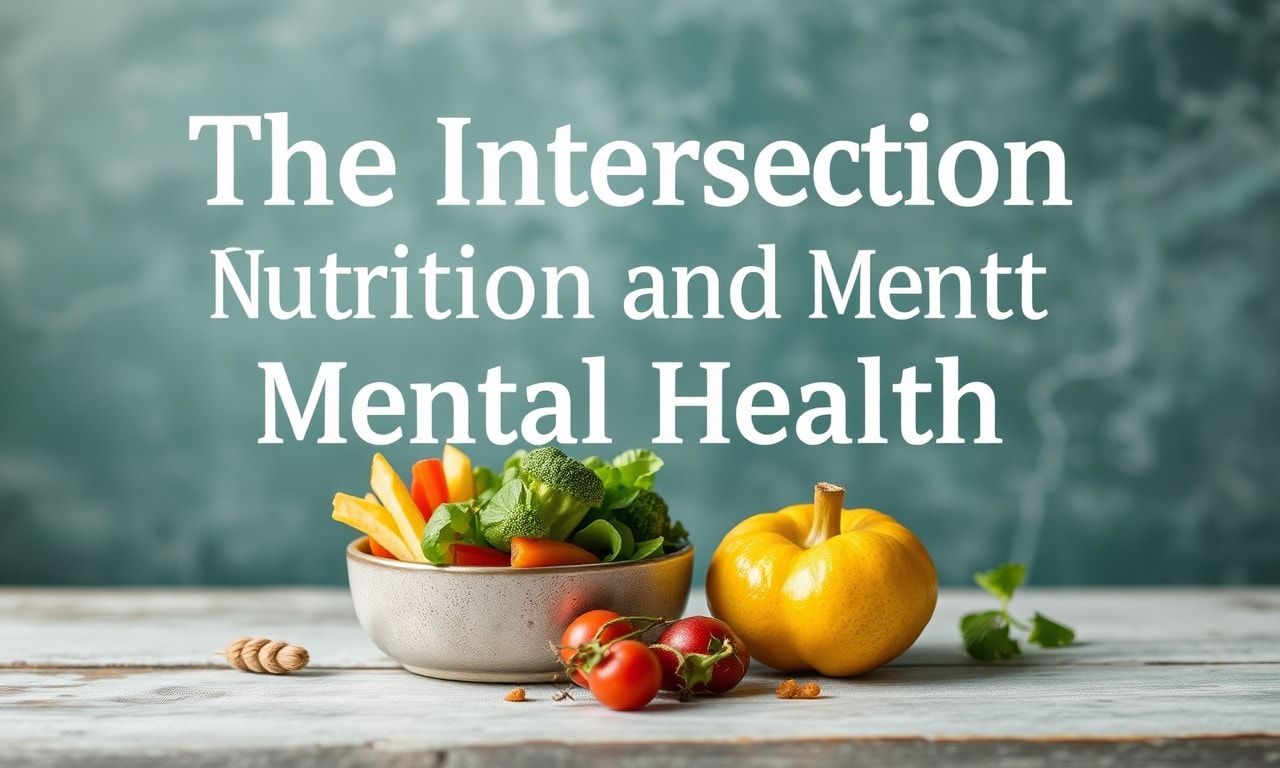
The relationship between nutrition and mental health is a burgeoning field of research that has gained significant attention in recent years. Emerging evidence suggests that the gut-brain axis, a complex communication system that links the emotional and cognitive centers of the brain with peripheral intestinal functions, plays a crucial role in mental health. This connection is facilitated by the vagus nerve, which directly connects the brain to the gut, and by the immune system, which is influenced by the gut microbiota.
Understanding this connection is essential for developing effective strategies to improve mental health through dietary interventions. For instance, a diet rich in probiotics and prebiotics can promote a healthy gut microbiome, which in turn can positively influence mood and cognitive function. Conversely, a diet high in processed foods and sugars can disrupt the gut microbiome, potentially leading to inflammation and mental health issues such as anxiety and depression.
Key Nutrients for Mental Health
Certain nutrients are particularly important for maintaining optimal mental health. Omega-3 fatty acids, found in fatty fish like salmon and mackerel, are known for their anti-inflammatory properties and their role in brain function. Studies have shown that omega-3 supplements can reduce symptoms of depression and anxiety. Similarly, B vitamins, particularly B6, B9 (folate), and B12, are essential for the production of neurotransmitters like serotonin and dopamine, which regulate mood and emotions.
Vitamin D, often referred to as the ‘sunshine vitamin,’ is another critical nutrient for mental health. Low levels of vitamin D have been linked to an increased risk of depression, especially in regions with limited sunlight. Incorporating foods rich in vitamin D, such as fortified dairy products and egg yolks, or considering supplements can be beneficial for those at risk of deficiency. Additionally, antioxidants like those found in berries, nuts, and leafy greens can help reduce oxidative stress, which is associated with mental health disorders.
The Role of a Balanced Diet
A balanced diet is the cornerstone of good mental health. The Mediterranean diet, which emphasizes fruits, vegetables, whole grains, legumes, and healthy fats, has been shown to reduce the risk of depression and cognitive decline. This diet is rich in nutrients that support brain health and reduce inflammation. Conversely, diets high in processed foods, sugars, and unhealthy fats can contribute to inflammation and oxidative stress, which are linked to mental health issues.
For those looking to improve their mental health through diet, it’s important to focus on whole, nutrient-dense foods and to limit processed and high-sugar foods. Incorporating a variety of fruits and vegetables, lean proteins, whole grains, and healthy fats can provide the necessary nutrients to support brain function and emotional well-being. Additionally, staying hydrated is crucial, as even mild dehydration can affect mood and cognitive performance.
Lifestyle Factors and Mental Health
While nutrition plays a significant role in mental health, it’s not the only factor to consider. Lifestyle choices, such as regular exercise, adequate sleep, and stress management, also have a profound impact on mental well-being. Regular physical activity has been shown to reduce symptoms of depression and anxiety by increasing the production of endorphins, which are natural mood enhancers. Exercise also promotes the growth of new brain cells and improves cognitive function.
Adequate sleep is another critical factor for mental health. Poor sleep quality or insufficient sleep can lead to mood swings, irritability, and increased stress levels. Establishing a consistent sleep routine, creating a relaxing bedtime environment, and avoiding screens before bed can help improve sleep quality. Managing stress through techniques such as mindfulness, meditation, and deep breathing exercises can also support mental health by reducing the body’s stress response.
The Impact of Social Connections
Social connections are also vital for mental health. Strong social support networks can provide emotional comfort, reduce stress, and improve overall well-being. Engaging in social activities, spending time with loved ones, and participating in community events can all contribute to a sense of belonging and purpose. Conversely, social isolation and loneliness can increase the risk of mental health issues, including depression and anxiety.
For those struggling with mental health, seeking support from friends, family, or mental health professionals can be beneficial. Joining support groups or engaging in group activities can provide a sense of community and reduce feelings of isolation. Additionally, practicing self-care and setting boundaries can help manage stress and improve mental well-being.
Emerging Research and Future Directions
The field of nutritional psychiatry is rapidly evolving, with new research continually shedding light on the complex relationship between diet and mental health. For example, studies are exploring the potential benefits of ketogenic diets, intermittent fasting, and personalized nutrition based on genetic and microbiome profiles. These approaches aim to tailor dietary interventions to individual needs, potentially offering more effective solutions for mental health issues.
One interesting area of research is the use of psilocybin, a compound found in certain mushrooms, for treating depression and anxiety. While still in the early stages, preliminary studies suggest that psilocybin-assisted therapy may offer significant benefits for those with treatment-resistant mental health conditions. However, more research is needed to fully understand the potential risks and benefits of this approach. For more interesting facts knowledge guide on emerging mental health treatments, staying informed through reputable sources is essential.
As our understanding of the gut-brain axis and the role of nutrition in mental health continues to grow, it’s clear that dietary interventions can play a crucial role in supporting mental well-being. By focusing on a balanced diet, staying physically active, prioritizing sleep, and fostering social connections, individuals can take proactive steps to improve their mental health and overall quality of life.
To guide you on your journey to a healthier lifestyle, consider exploring our comprehensive guide on steps towards a healthier life, covering essential aspects of wellness, fitness, and nutrition.
To complement your wellness journey, consider exploring art’s impact on mental health, a topic that beautifully intertwines creativity and personal growth.
To further support your journey towards holistic well-being, delve into enhancing personal safety daily for practical tips on integrating safety and wellness into your routine.