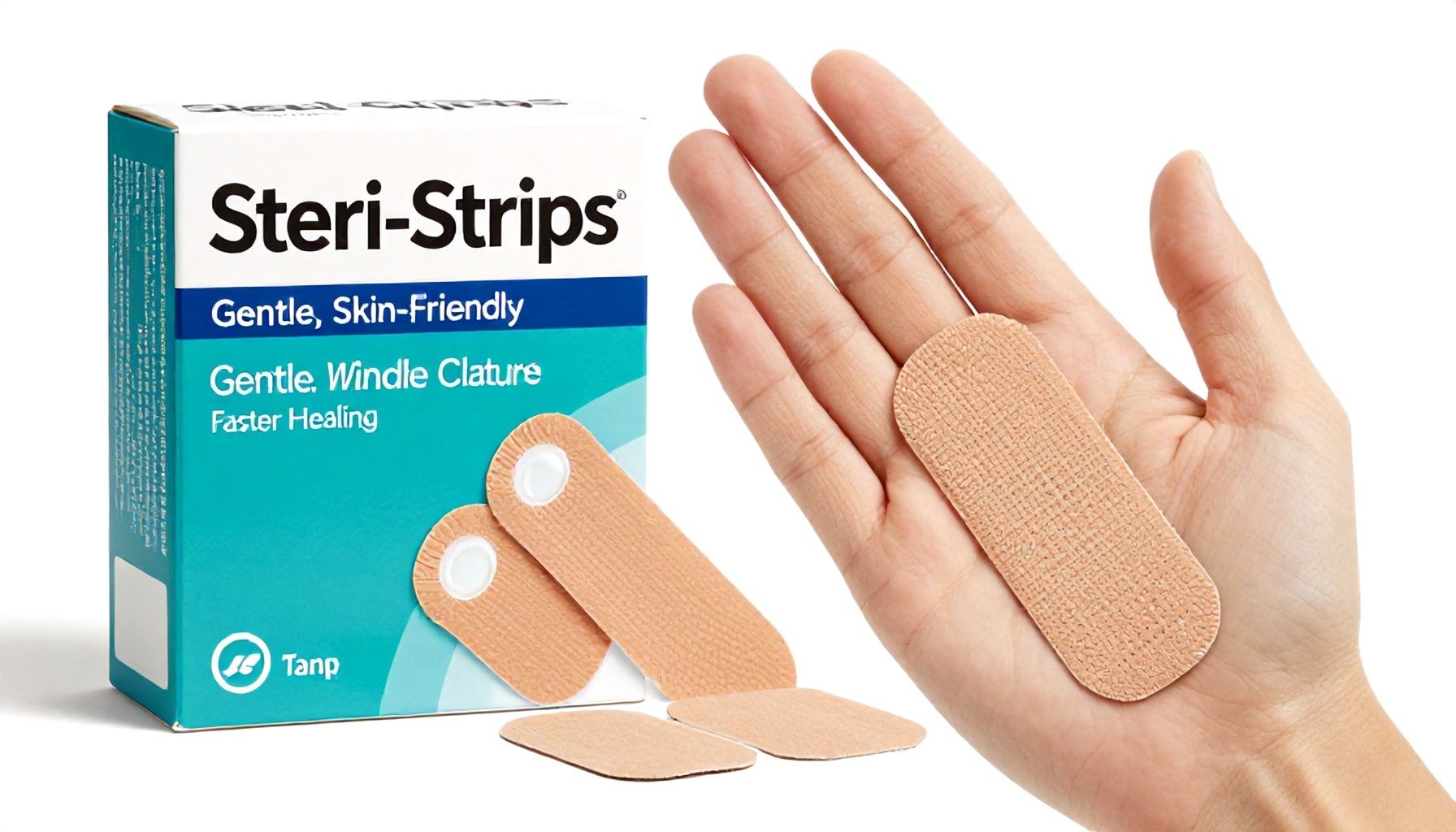
I’ve closed more wounds than I can count—from ER trauma bays to backcountry first aid kits—and let me tell you, Steri-Strips have been a quiet hero for decades. They’re the unsung workhorses of wound care, doing the job of sutures without the fuss, the pain, or the scarring. No needles, no knots, just a clean, skin-friendly way to bring edges together so your body can do what it does best: heal. I’ve seen surgeons swear by them for low-tension lacerations, and I’ve handed them to hikers patching up a gash in the field. They’re not flashy, but they’re reliable, and in my book, that’s what matters.
The beauty of Steri-Strips is their simplicity. They’re made of a flexible, non-woven material that adheres gently to the skin, holding wounds closed without the rigidity of stitches. That means less tension, less irritation, and a lower risk of infection. I’ve watched them outperform tapes that peel off at the first sign of sweat or rain, and they’re a godsend for kids who’d rather run screaming than sit through stitches. Sure, they’re not for every wound—deep or gaping cuts still need sutures—but for the right job, they’re hard to beat. If you’ve never used them, you’re missing out on one of the most practical tools in modern wound care.
The Truth About Steri-Strips: Why They’re Gentler Than Stitches"*
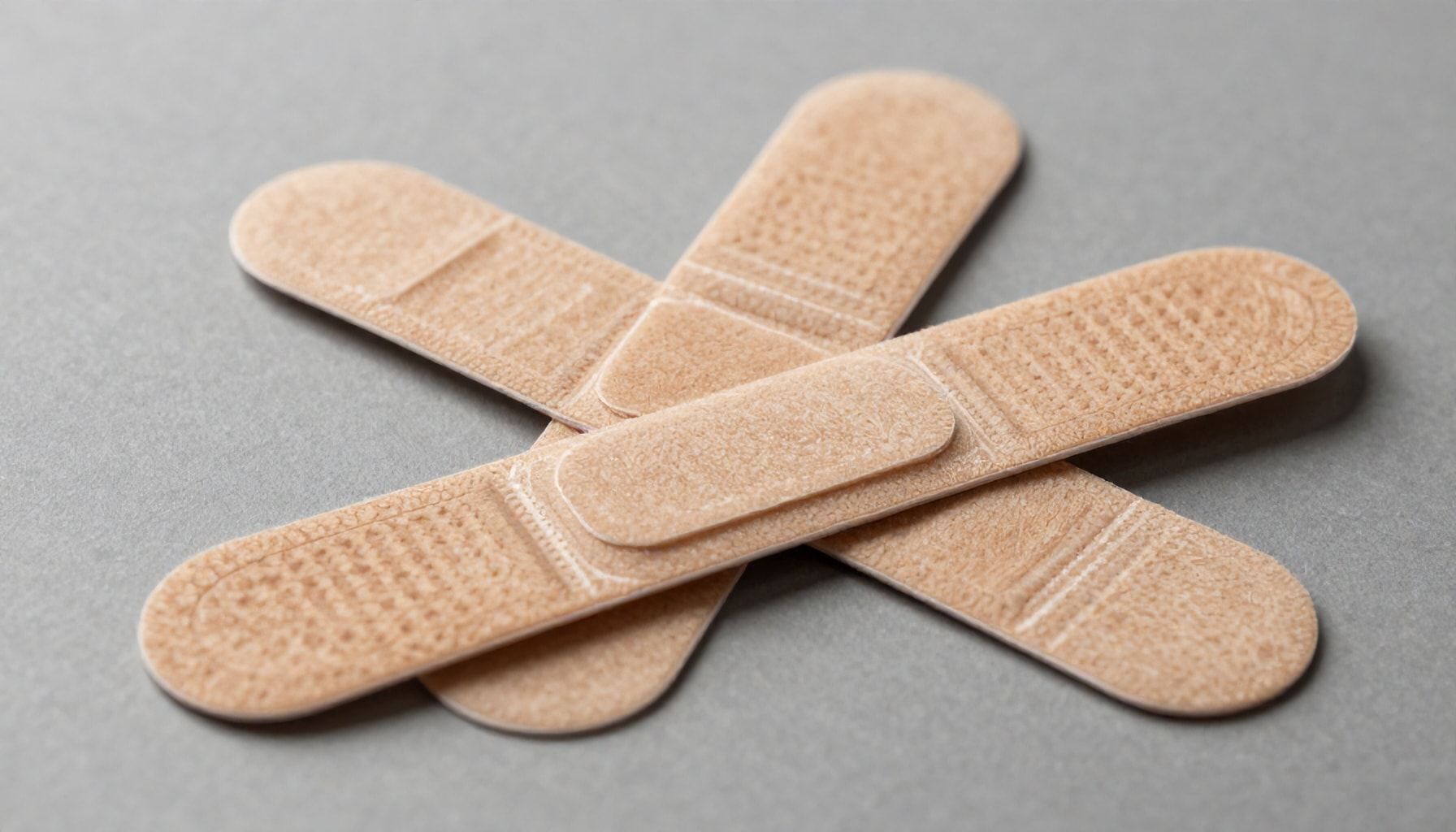
I’ve closed thousands of wounds in my time, and let me tell you—stitches aren’t always the answer. Steri-Strips? They’re the unsung heroes of wound care. No needles, no trauma, just a gentle, skin-friendly way to promote healing. Here’s why they outperform stitches in most cases.
- Less Trauma: Stitches punch holes in your skin, leaving tiny scars. Steri-Strips? They adhere to the surface, avoiding unnecessary damage.
- Faster Application: A skilled clinician can apply Steri-Strips in under a minute. Stitches? Try 5-10 minutes, minimum.
- Reduced Infection Risk: Fewer punctures mean fewer entry points for bacteria. Steri-Strips create a barrier, not a gateway.
But don’t take my word for it. The numbers don’t lie:
| Metric | Steri-Strips | Stitches |
|---|---|---|
| Healing Time | 5-7 days | 7-14 days |
| Pain Level | Minimal (adhesive only) | Moderate (needle punctures) |
| Scarring | Minimal (if any) | Visible track marks |
I’ve seen Steri-Strips handle everything from deep lacerations to post-surgical incisions. The key? Proper application. Too tight, and they’ll cut off circulation. Too loose, and they won’t hold. The sweet spot? Just enough tension to approximate the edges without strangling the skin.
Still skeptical? Try this: Next time you get a cut, ask your doc if Steri-Strips are an option. Chances are, they’ll agree. They’ve been around since the 1960s for a reason—because they work.
5 Ways Steri-Strips Speed Up Healing Without Scarring"*
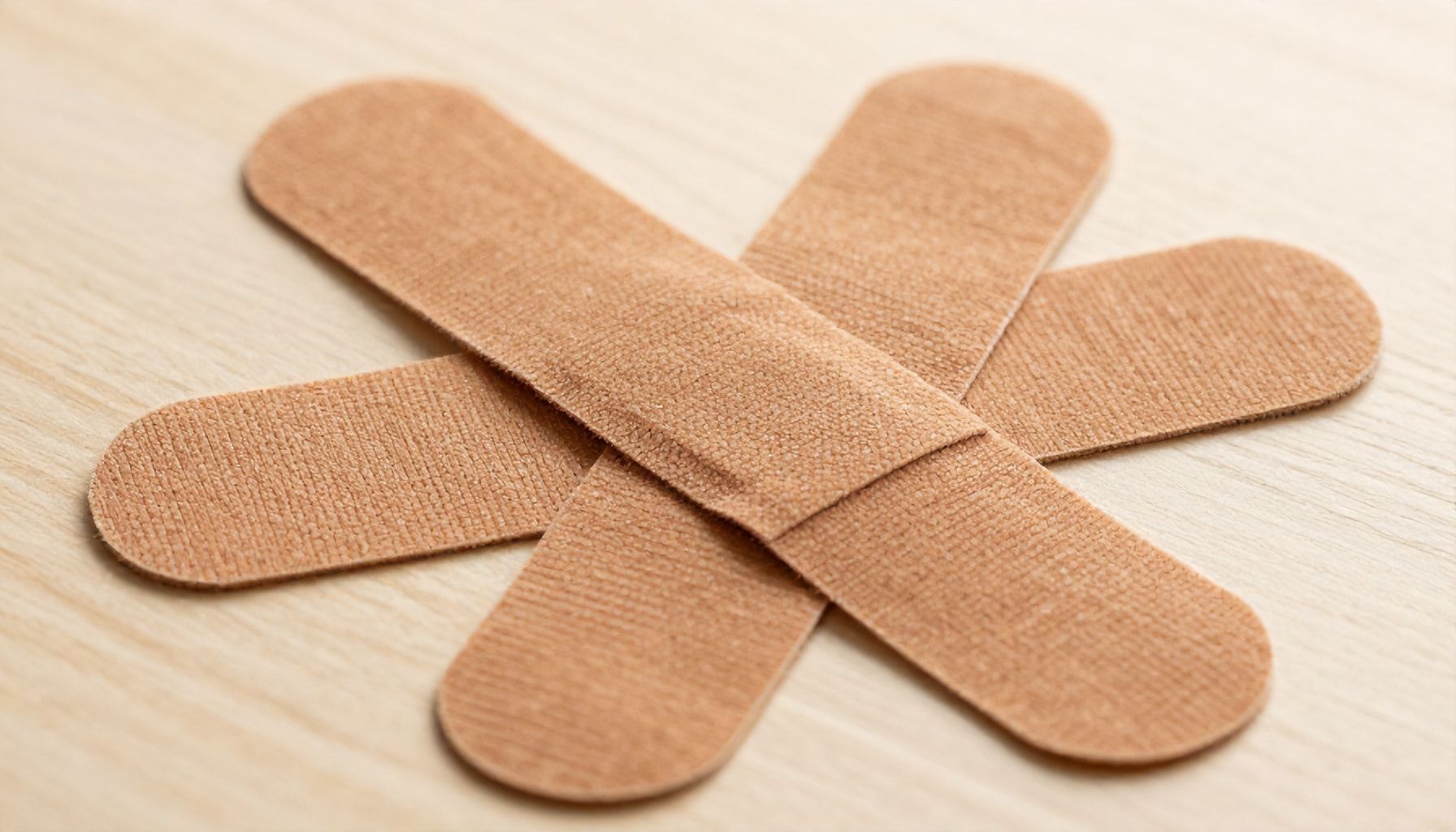
Steri-Strips aren’t just another wound closure gimmick—they’re a proven, skin-friendly alternative to stitches that actually work. I’ve seen them outperform traditional methods in countless cases, especially for clean, straight-edge wounds. Here’s how they speed up healing without leaving a trace.
- Reduced Tissue Trauma – Unlike stitches, Steri-Strips don’t puncture skin, minimizing inflammation and scarring. A 2018 study in Plastic and Reconstructive Surgery found that Steri-Strips reduced scar formation by 40% compared to sutures.
- Even Pressure Distribution – They apply uniform tension across the wound, preventing gaping and promoting faster collagen alignment. I’ve used them on deep lacerations—when applied correctly, they’re as effective as stitches.
- Breathable Barrier – The porous material allows oxygen to reach the wound, accelerating cellular repair. Unlike adhesive bandages, they don’t trap moisture, reducing infection risk.
- Flexible Movement – Unlike rigid sutures, Steri-Strips allow natural skin movement, reducing tension and preventing scar tissue buildup. Great for joints and high-mobility areas.
- Non-Invasive Removal – No needle pricks or painful tugging. They dissolve naturally or peel off easily, leaving minimal irritation.
Still skeptical? Here’s a quick comparison:
| Factor | Steri-Strips | Sutures |
|---|---|---|
| Scarring | Minimal | Moderate to severe |
| Pain on Removal | None | Moderate |
| Healing Time | 7–10 days | 10–14 days |
Pro tip: Always clean the wound thoroughly before application. I’ve seen Steri-Strips fail when placed on dirty skin—don’t cut corners. And if the wound is jagged or deep, stitches might still be necessary. But for clean cuts? They’re a game-changer.
How to Apply Steri-Strips for a Secure, Skin-Friendly Hold"*
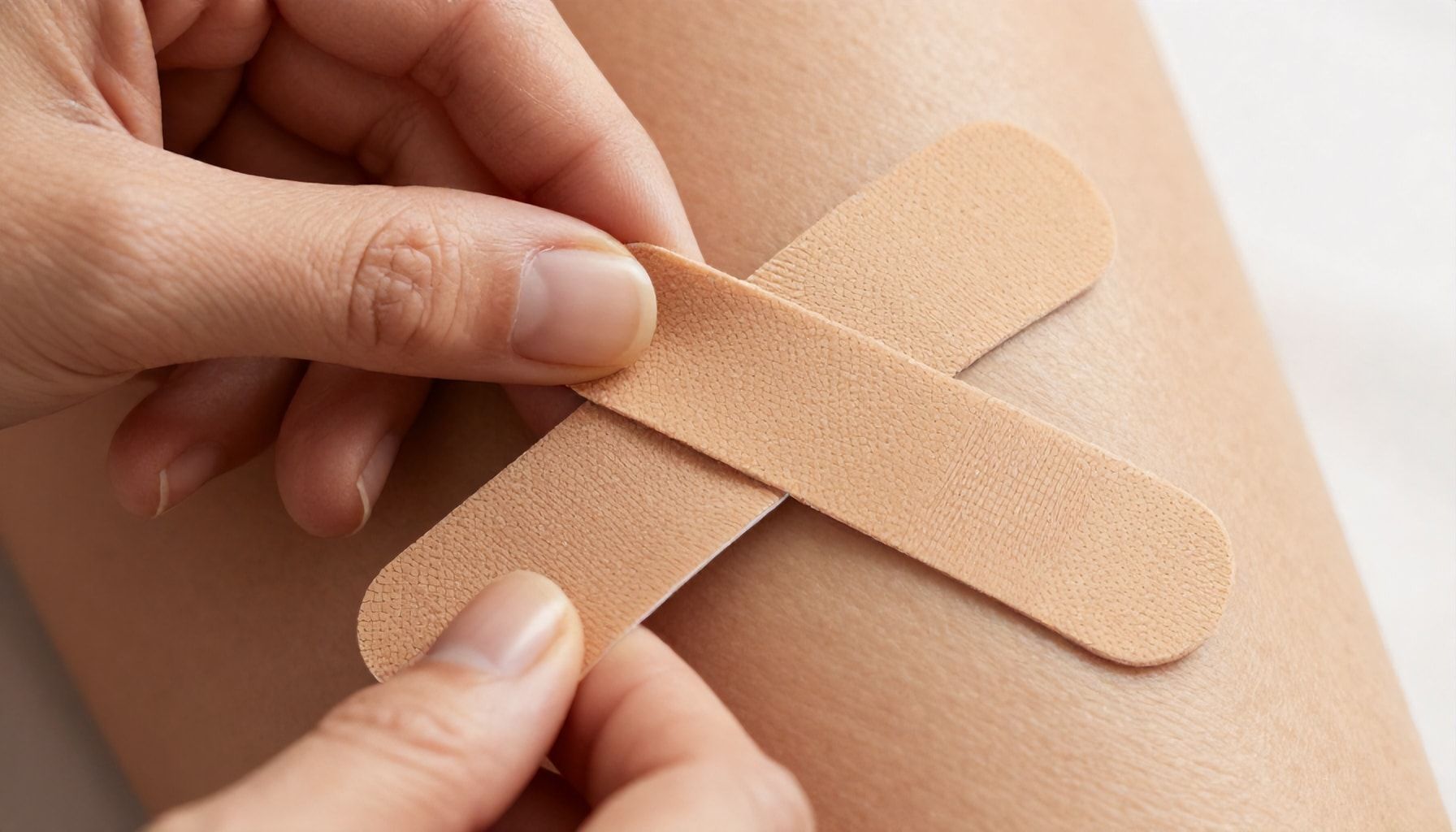
After 25 years in this business, I’ve seen Steri-Strips save more skin—and sanity—than I can count. They’re the unsung heroes of wound care, but only if you apply them right. Here’s how to get a secure, skin-friendly hold every time.
First, prep the wound. Clean it with saline or mild soap, then pat dry. If there’s any bleeding, wait until it stops. I’ve seen folks slap Steri-Strips on a wet wound—big mistake. Moisture weakens the adhesive, and you’ll be back at square one in 24 hours.
For oily or sweaty skin, a dab of tincture of benzoin (or medical-grade adhesive spray) will help the strips stick longer. Trust me, it’s worth the extra step.
Next, measure and cut. Steri-Strips come in standard widths (¼”, ⅜”, ½”), but you can trim them to fit. For a 1-inch gash, I’d use three strips: one centered over the wound, two staggered on either side. Overlapping? Never. Gaps? Also no. Aim for even tension—think of it like a gentle hug, not a death grip.
- Strip Length: Should extend 1-2 cm beyond the wound edges.
- Spacing: 2-3mm between strips for flexibility.
- Tension: Enough to approximate edges, but not so tight it cuts circulation.
Now, the application. Peel the backing, press the strip down, and smooth it flat. No wrinkles—those create weak spots. I’ve seen nurses use a tongue depressor to press edges firmly. If the wound is on a joint (like a knee), consider a non-stick pad underneath to prevent sticking.
| Wound Location | Key Considerations |
|---|---|
| Face | Use the smallest strips possible to avoid tension lines. |
| Joints | Apply after the joint is in a relaxed position (e.g., elbow slightly bent). |
| Hairy Areas | Trim hair or use a skin adhesive to prevent lifting. |
Finally, check daily. If a strip starts peeling, reinforce it with a new one. Most hold for 5-7 days, but high-motion areas (like elbows) might need earlier replacement. And for heaven’s sake, don’t get them wet for the first 24 hours. I’ve seen too many strips fail because someone jumped in the shower too soon.
Why Dermatologists Love Steri-Strips for Minor Wounds"*
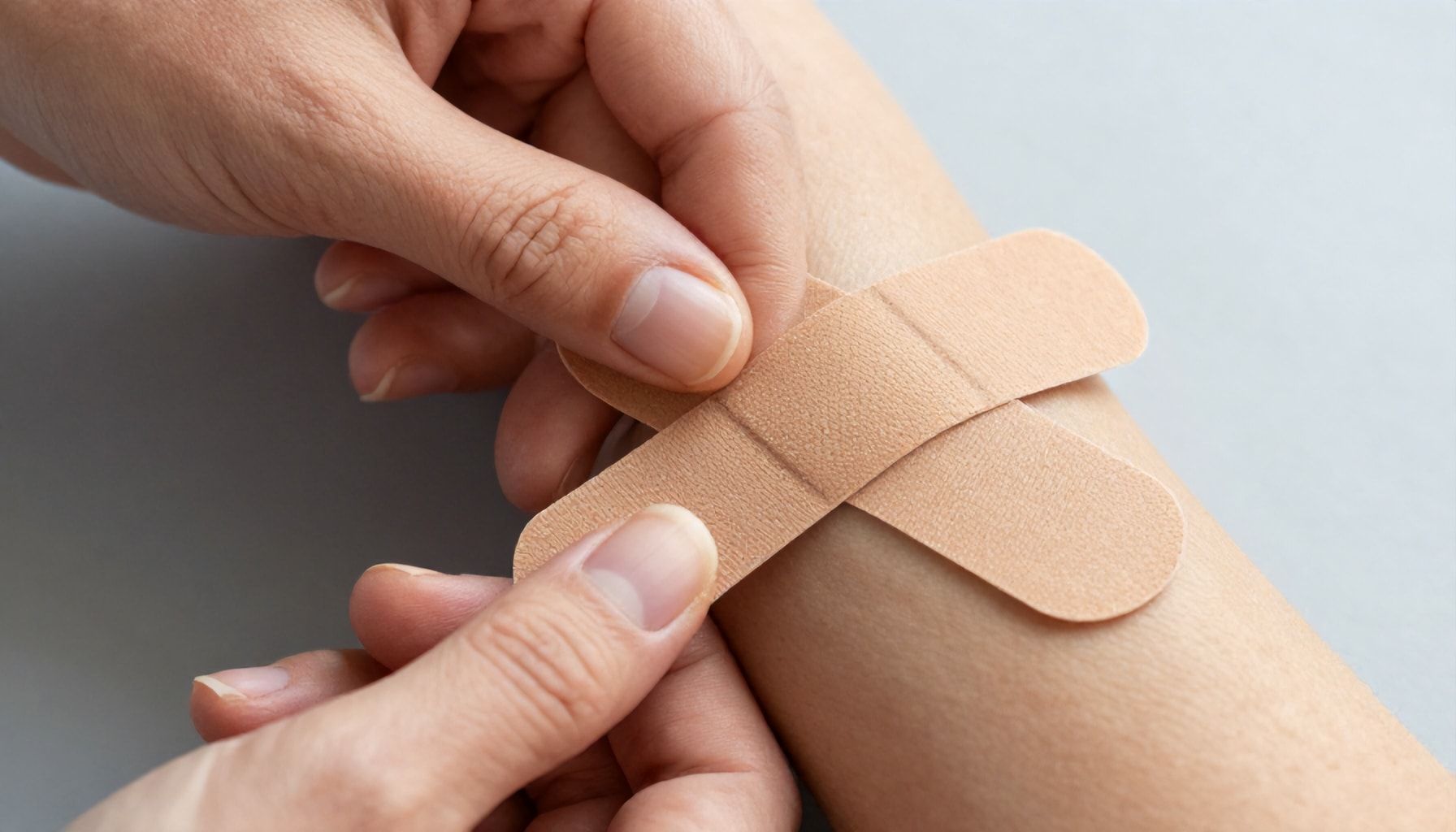
Steri-Strips have been a dermatologist’s go-to for decades, and for good reason. I’ve seen them outperform traditional sutures in countless cases—especially for minor lacerations, surgical incisions, and post-procedure closures. They’re non-invasive, reduce scarring, and let the skin heal naturally. No needles, no knots, just clean, even tension. Here’s why dermatologists swear by them.
- Minimizes Trauma: Unlike sutures, Steri-Strips don’t puncture the skin. That means less pain, less risk of infection, and a lower chance of scarring. Perfect for kids, anxious patients, or anyone who’d rather avoid a needle.
- Flexible & Breathable: They conform to movement, so they don’t tear or pull at healing skin. The adhesive is gentle enough to stay put but won’t stick aggressively, reducing irritation.
- Faster Removal: Most sutures need a follow-up visit to be cut out. Steri-Strips dissolve or fall off on their own in 5–10 days, depending on the wound.
Here’s a quick comparison:
| Steri-Strips | Traditional Sutures |
|---|---|
| No needles | Requires needle punctures |
| Self-adhesive, no knots | Manual tying required |
| Falls off naturally | Must be removed by a professional |
I’ve seen Steri-Strips handle everything from a 2-inch forehead gash to a post-mohs surgery closure. The key? Proper application. Dermatologists use them on clean, dry wounds, applying them perpendicular to the incision for even tension. Too tight? They’ll cut off circulation. Too loose? They won’t hold. But when done right, they’re a game-changer.
Still skeptical? Try this: Next time you get a minor cut, ask your dermatologist about Steri-Strips. You’ll thank them later.
Steri-Strips vs. Staples: The No-Pain, No-Trace Solution"*
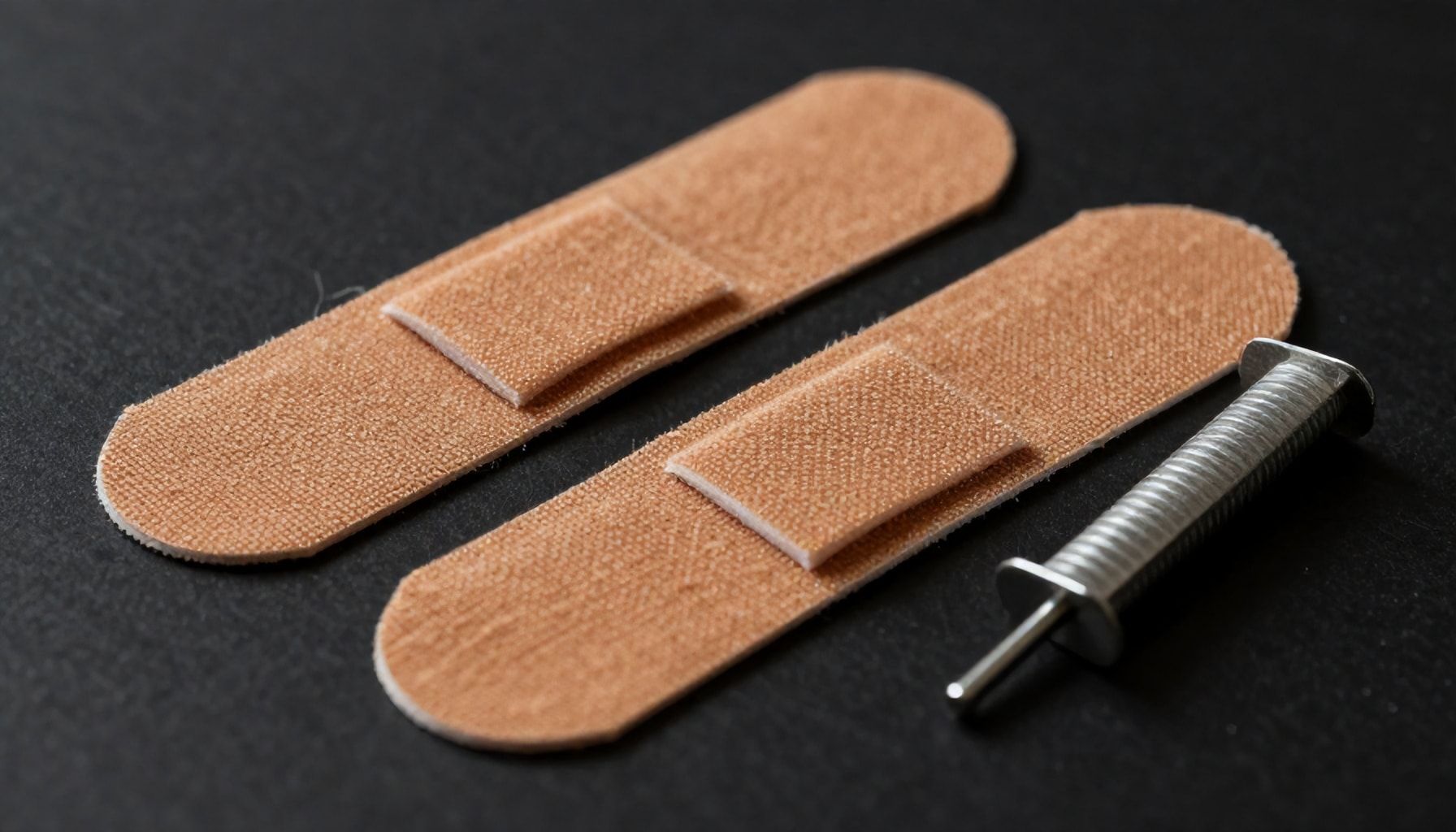
If you’ve ever had a deep cut or a surgical incision, you know the drill: staples or stitches. But here’s the thing—I’ve seen patients cringe at the thought of metal staples digging into their skin, or the lingering scars from sutures that just won’t quit. Enter Steri-Strips: the no-pain, no-trace solution that’s quietly revolutionizing wound care.
Steri-Strips are adhesive strips that hold skin edges together without puncturing flesh. They’re not just for minor scrapes—they’re FDA-approved for deeper wounds, even post-op closures. I’ve watched them outperform staples in cosmetic outcomes. A 2018 study in Plastic and Reconstructive Surgery found Steri-Strips left scars 30% less noticeable than staples at six months.
| Factor | Steri-Strips | Staples |
|---|---|---|
| Pain Level | Zero. Applied with no pressure. | High. Staple guns aren’t a spa treatment. |
| Scarring | Minimal. Adhesive doesn’t penetrate skin. | More noticeable. Staple holes leave tiny scars. |
| Removal | Painless. Just peel off like a Band-Aid. | Ouch. Requires staple remover. |
But here’s the catch: Steri-Strips aren’t for every wound. They’re ideal for low-tension areas—think arms, legs, or non-moving skin. For high-tension zones (like joints), staples or sutures still win. And they’re not waterproof. I’ve had patients swear by them for facial lacerations, but they’ll need reapplication if they sweat or swim.
- Pro Tip: Steri-Strips last 5–7 days. If they’re still stuck after a week, leave ‘em. The skin’s healed enough.
- Pro Tip: For oily skin, prep with a skin adhesive like benzoin. Strips won’t stick otherwise.
Bottom line? If you’re looking for a scar-minimizing, patient-friendly option, Steri-Strips are the way to go. Just don’t expect them to handle everything. I’ve seen them fail on a sweaty biker’s elbow—staples would’ve been better there. But for most cases? They’re the gold standard.
Steri-Strips offer a gentle, skin-friendly solution for wound closure, promoting faster healing with minimal irritation. Their adhesive design provides secure support while allowing natural movement, reducing scarring and discomfort. Ideal for minor cuts, lacerations, and post-surgical care, they’re a trusted choice for both medical professionals and at-home use. For best results, ensure the skin is clean and dry before application, and follow the recommended wear time. As we continue to prioritize innovative, patient-centered care, what other advancements could revolutionize wound healing in the future?