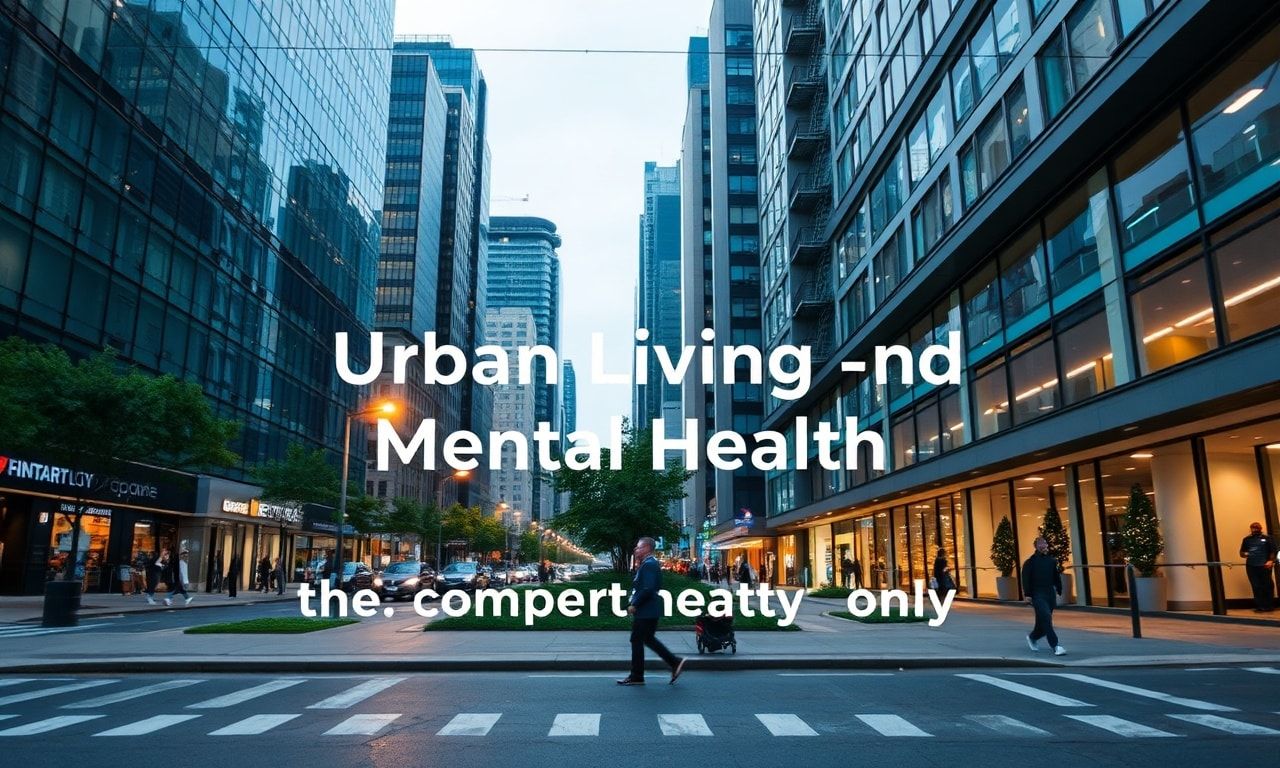
The Impact of Urban Living on Mental Health
Urban living offers numerous advantages, including access to amenities, job opportunities, and cultural experiences. However, the fast-paced lifestyle and constant stimulation can also take a toll on mental health. Research has shown that city dwellers are at a higher risk of developing anxiety and mood disorders compared to their rural counterparts. The reasons for this are multifaceted and include factors such as noise pollution, air pollution, and the pressure to maintain a certain lifestyle.
One of the most significant stressors for urban residents is the daily commute. Long hours spent in traffic or crowded public transportation can lead to chronic stress, which has been linked to a variety of health issues, including cardiovascular disease and depression. For those living in cities like Munich, staying informed about the München Verkehr Fahrplan aktuell can help mitigate some of the stress associated with commuting by providing up-to-date information on public transportation schedules and potential delays.
The Role of Physical Activity in Urban Mental Well-being
Regular physical activity is a well-known antidote to stress and anxiety. In urban environments, however, finding the time and space for exercise can be challenging. Despite these obstacles, incorporating physical activity into daily routines is crucial for maintaining mental health. Studies have shown that even moderate exercise, such as walking or cycling, can significantly improve mood and reduce symptoms of depression.
Urban planners are increasingly recognizing the importance of green spaces in promoting mental well-being. Parks, gardens, and other natural areas provide opportunities for physical activity and relaxation, which can help counteract the negative effects of urban living. Encouraging the use of these spaces through community programs and events can further enhance their benefits.
Nutrition and Mental Health in the City
Diet plays a critical role in mental health, and urban living can present both challenges and opportunities in this area. On one hand, cities offer a wide variety of food options, making it easier to maintain a balanced diet. On the other hand, the prevalence of fast food and processed foods can make it difficult to make healthy choices. Nutritionists recommend focusing on whole foods, such as fruits, vegetables, lean proteins, and whole grains, to support mental health.
Additionally, urban residents may benefit from exploring local farmers’ markets and community-supported agriculture programs. These initiatives not only provide access to fresh, nutritious food but also foster a sense of community, which is essential for mental well-being. By supporting local farmers and producers, city dwellers can contribute to a healthier, more sustainable food system.
Strategies for Managing Stress in Urban Environments
Managing stress is a critical aspect of maintaining mental health in urban environments. Techniques such as mindfulness meditation, deep breathing exercises, and yoga can help individuals cope with the demands of city life. These practices have been shown to reduce stress hormones, improve mood, and enhance overall well-being.
Another effective strategy for managing stress is to cultivate a strong social support network. Friends, family, and community groups can provide emotional support and a sense of belonging, which are essential for mental health. Engaging in social activities, such as joining a club or volunteering, can help urban residents build these connections and reduce feelings of isolation.
The Importance of Sleep in Urban Mental Health
Sleep is a fundamental aspect of mental health, and urban living can disrupt sleep patterns in several ways. Noise pollution, light pollution, and the constant stimulation of city life can make it difficult to get a good night’s sleep. Poor sleep has been linked to a range of mental health issues, including anxiety, depression, and cognitive impairment.
To improve sleep quality, urban residents can take several steps. Creating a relaxing bedtime routine, such as reading or taking a warm bath, can signal to the body that it’s time to wind down. Additionally, minimizing exposure to electronic devices before bed and ensuring that the sleeping environment is dark, quiet, and cool can promote better sleep. For those who struggle with sleep issues, consulting a healthcare professional can provide personalized strategies and treatments.
In conclusion, urban living presents unique challenges and opportunities for mental health. By understanding the factors that contribute to stress and anxiety in city environments, individuals can take proactive steps to protect their mental well-being. Incorporating physical activity, maintaining a balanced diet, managing stress, and prioritizing sleep are all essential components of a healthy lifestyle in the city. With the right strategies and support, urban residents can thrive and enjoy the many benefits that city living has to offer.
If you’re looking to enhance your overall well-being, consider exploring steps for a healthier lifestyle to guide your journey towards improved fitness, nutrition, and mental health.