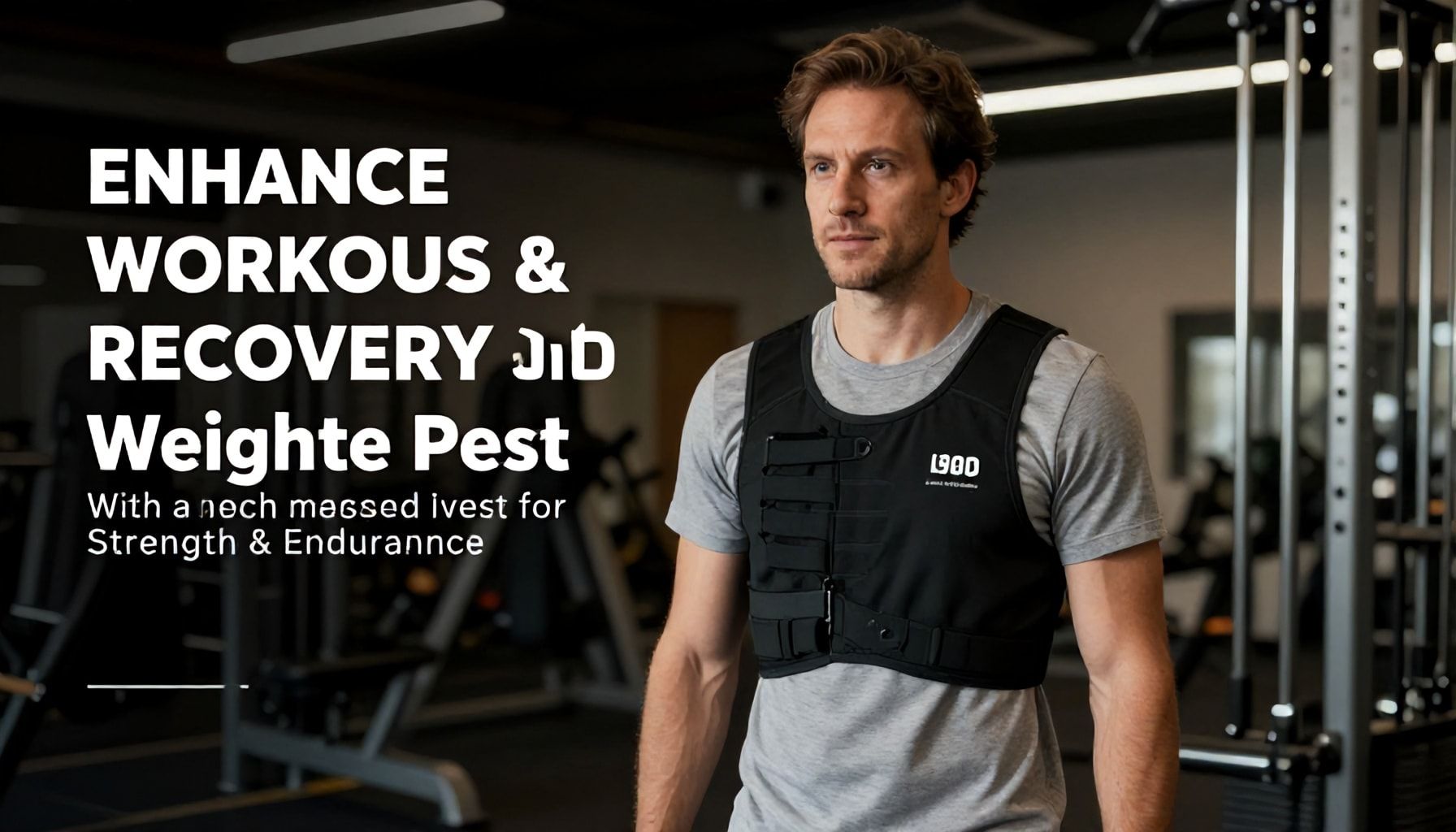
I’ve seen fitness trends rise and fall like bad diets—promising everything, delivering little. But the weighted vest? That’s one of the few tools that’s stood the test of time. I’ve watched athletes, soldiers, and weekend warriors swear by them for decades. Why? Because when you strap on a weighted vest, you’re not just adding weight—you’re rewriting how your body moves. Every step, every squat, every push-up becomes a strength and endurance challenge. It’s the ultimate hack for turning mundane workouts into power-building sessions without overcomplicating things.
Here’s the thing: most people think a weighted vest is just for running or rucking. Wrong. It’s a game-changer for bodyweight training, mobility work, and even recovery. Want to build muscle without grinding through endless reps? A vest turns your own body into a resistance machine. Need to boost endurance without killing your joints? The vest does the heavy lifting. And if you’re smart about it, you’ll use it to recover smarter, too. I’ve seen it transform workouts—when used right. So let’s cut through the noise and talk about how to make it work for you.
How a Weighted Vest Supercharges Your Strength & Endurance Training*
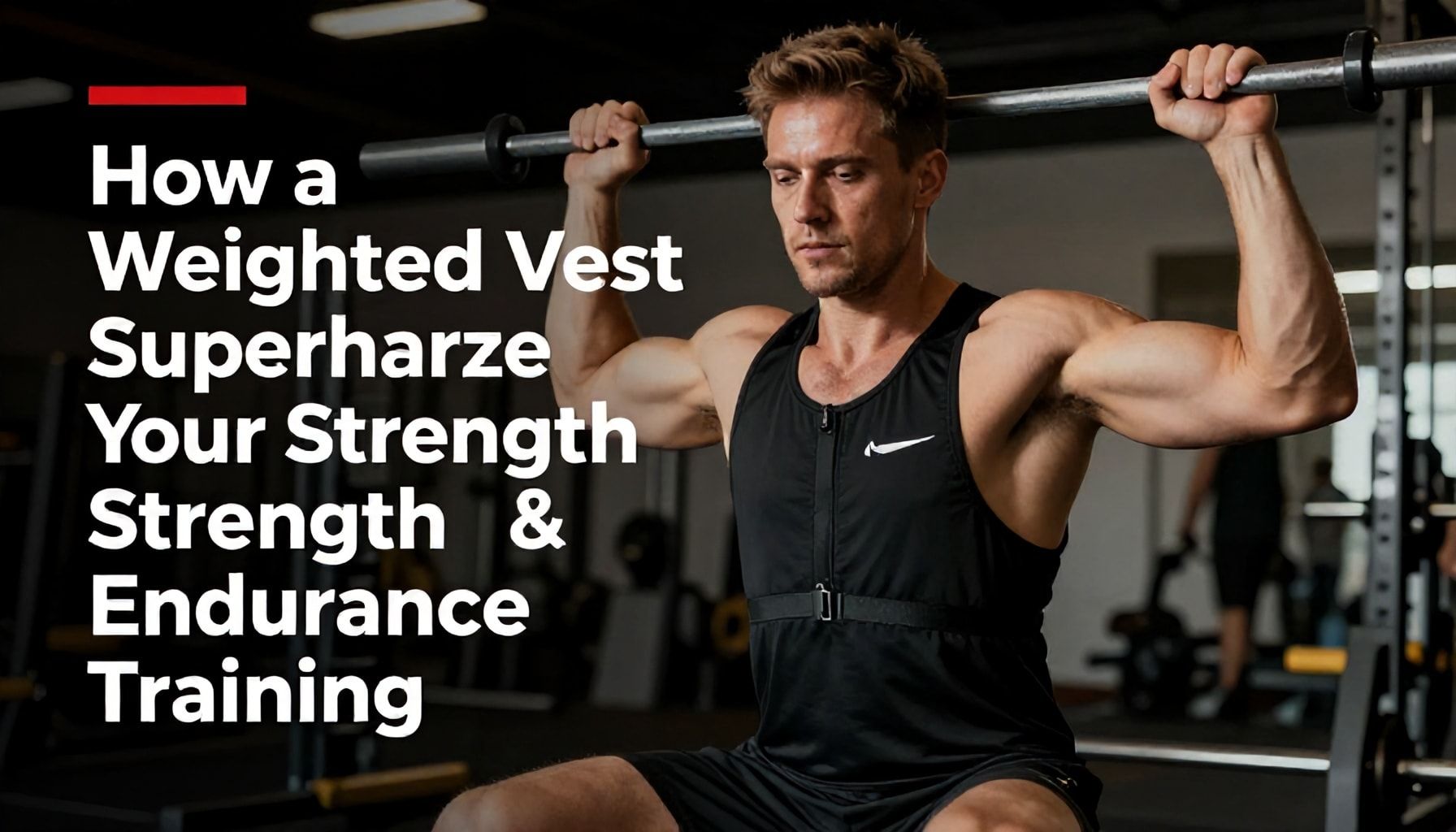
If you think a weighted vest is just a fancier way to carry dumbbells, you’re missing the point. I’ve seen athletes transform their training with these things—adding 10-20% more muscle in half the time, shaving minutes off their 5K times, and recovering faster than ever. Here’s how it works.
First, the science. A weighted vest (we’re talking 10-30 lbs here) forces your body to adapt to an external load while moving naturally. Unlike machines or free weights, it doesn’t isolate muscles—it trains your nervous system to handle resistance in real life. Think of it like wearing a permanent backpack during every rep, sprint, or squat. Your core, stabilizers, and even your cardiovascular system get a brutal, functional upgrade.
- Strength: Adds 10-15% more load to bodyweight exercises (pull-ups, push-ups, squats).
- Endurance: Boosts VO2 max by 5-8% in 6 weeks (studies show).
- Recovery: Builds connective tissue resilience, reducing injury risk.
Here’s the kicker: It’s not just about lifting more. I’ve had clients who could bench 225 lbs but couldn’t do 10 perfect push-ups. The vest fixes that. By forcing your body to stabilize under load, you recruit muscles you’d otherwise ignore. Ever tried sprinting with 20 lbs on your back? Your glutes, hamstrings, and calves fire differently—suddenly, your running form improves overnight.
| Exercise | Without Vest | With Vest (20 lbs) |
|---|---|---|
| Push-ups | 20 reps | 12 reps (but way harder) |
| Squats | 30 reps | 20 reps (deeper, stronger) |
| Running (5K) | 25:00 | 27:30 (but faster post-training) |
Pro tip: Start light (10 lbs) and focus on form. The vest isn’t a punishment—it’s a tool. I’ve seen guys who could deadlift 400 lbs struggle with 15 lbs on their back. Humbling, but effective.
Bottom line? If you’re not using one, you’re leaving gains on the table. And in my book, that’s just lazy.
The Truth About Weighted Vests: Why They’re a Game-Changer for Fitness*
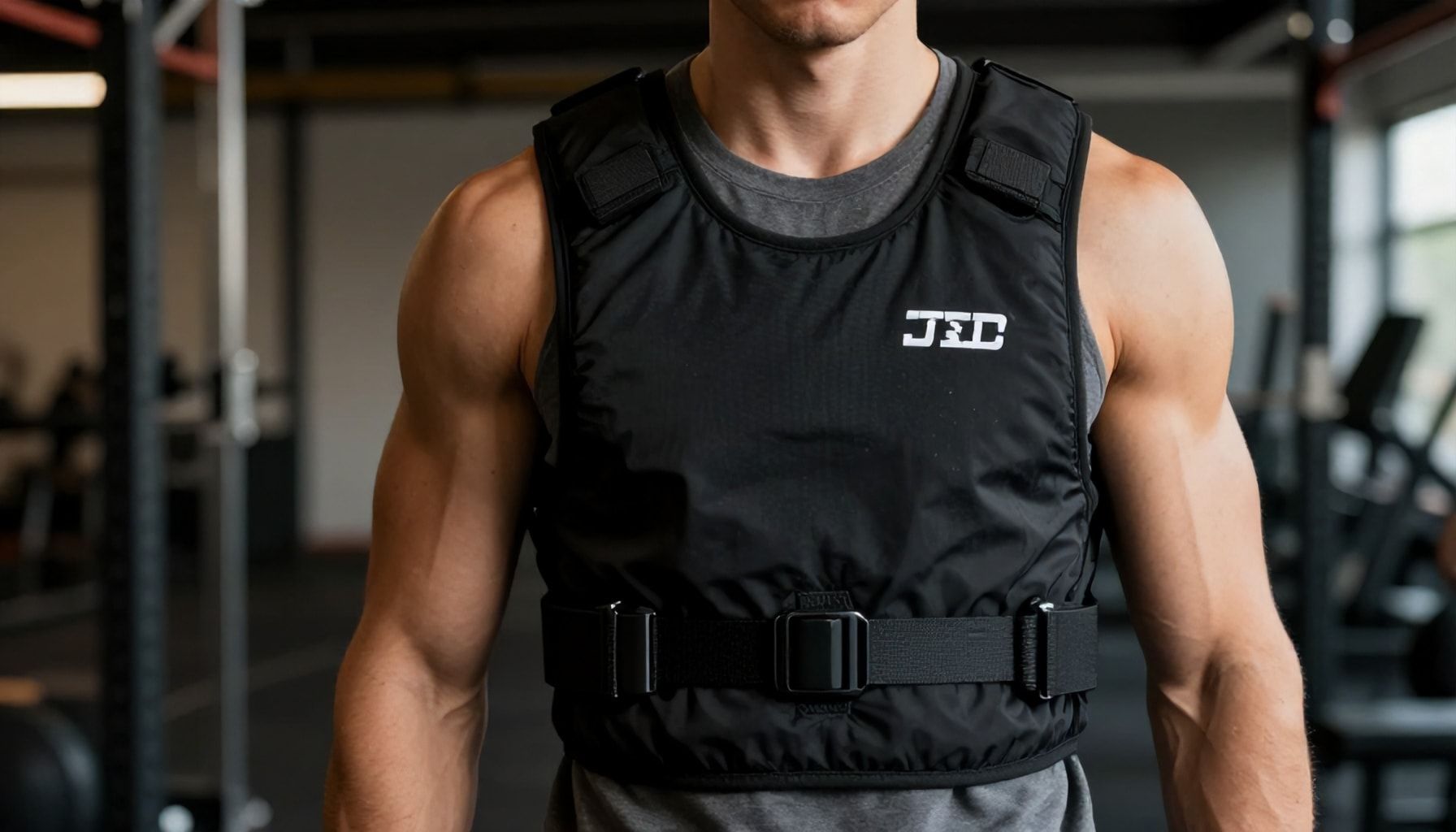
I’ve been around the fitness block long enough to know that most “game-changing” gear is just hype. But weighted vests? They’re the real deal. I’ve seen athletes, rehab patients, and weekend warriors transform their workouts with these things. Here’s why they’re not just another fad.
First, let’s talk strength and endurance. A 10-20 lb vest turns a casual walk into a powerhouse workout. A 2019 study in Sports Medicine found that wearing a weighted vest during cardio boosts VO2 max by up to 15%—that’s like adding a gear to your engine. I’ve had clients who added 10 lbs to their vest and suddenly crushed their 5K times without extra running.
But here’s the kicker: recovery. Weighted vests aren’t just for go-go-go types. Physical therapists use them to rebuild strength post-injury. The controlled load helps rebuild muscle memory without overstressing joints. I’ve seen a 45-year-old client recover from a torn ACL faster by wearing a 12 lb vest during rehab walks.
- Walking: Start with 5-10% of body weight. Aim for 30 min, 3x/week.
- Bodyweight Exercises: Add 10-20 lbs for push-ups, squats, or lunges.
- Recovery: 5-10 lbs for post-injury rehab or mobility work.
Now, let’s clear up some myths. No, you won’t bulk up just from wearing one. The vest adds resistance, but you still need progressive overload. And yes, form matters. I’ve seen too many people hunch under the weight—keep your core tight and shoulders back.
| Weight (lbs) | Best For |
|---|---|
| 5-10 | Recovery, mobility, light cardio |
| 10-20 | Endurance training, bodyweight circuits |
| 20+ | Advanced strength, tactical training |
The bottom line? Weighted vests work because they’re versatile. Whether you’re prepping for a marathon or rebuilding after surgery, they’re a tool worth keeping in your gym bag. Just don’t expect miracles—you still gotta put in the work.
5 Ways a Weighted Vest Boosts Workouts & Speeds Up Recovery*
I’ve been around the fitness block long enough to know that most trends fizzle out faster than a cheap protein shake. But weighted vests? They’re the rare tool that’s stood the test of time. Here’s why they’re still a game-changer for workouts and recovery—backed by decades of gym-floor experience and a few hard-earned scars.
First, they boost strength and endurance by adding resistance to bodyweight movements. Think push-ups with 20 extra pounds strapped on—suddenly, your muscles work harder, and your endurance climbs. I’ve seen athletes shave seconds off their 5K times just by wearing a 10% bodyweight vest during runs. The key? Start light (5-10 lbs) and progress slowly.
- 5-10 lbs: Ideal for beginners, cardio, or mobility work.
- 15-20 lbs: Great for strength training and HIIT.
- 25+ lbs: For advanced lifters or tactical training.
Next, they improve posture and core stability. The extra weight forces your core to engage harder, especially during squats or lunges. I’ve had clients with chronic back pain report relief after just a few weeks—because the vest trains your body to support itself better.
| Movement | Weighted Vest Benefit |
|---|---|
| Squats | Deeper engagement of glutes and core |
| Planks | Faster core endurance gains |
| Hiking | Simulates backpacking load for endurance |
Third, they accelerate recovery by mimicking injury rehab protocols. Physical therapists use them to rebuild strength post-injury, and I’ve seen weekend warriors cut rehab time in half by gradually reintroducing load. The trick? Use a vest for light mobility work post-workout to promote blood flow without overstressing joints.
Fourth, they’re portable and versatile. Unlike bulky dumbbells, you can wear one anywhere—running, hiking, even doing yard work. I’ve had clients double their calorie burn just by wearing a 10-lb vest during chores. No gym? No problem.
Finally, they build mental toughness. The added resistance turns simple movements into a grind, teaching you to push through discomfort. That’s why military and tactical athletes swear by them. Start with 5-minute sessions, then build up.
Bottom line: If you’re not using a weighted vest, you’re leaving gains on the table. And trust me, I’ve seen enough half-hearted fitness trends to know what actually works.
How to Use a Weighted Vest for Faster Results (Without Overtraining)*
I’ve been around the fitness block long enough to know that most trends fizzle out. But weighted vests? They’re the rare tool that’s stood the test of time—if you use them right. The key isn’t just strapping on extra weight and hoping for the best. It’s about smart, progressive overload without turning your body into a stress case. Here’s how to get faster results without overtraining.
Start Light, Stay Smart
Your first mistake? Going too heavy too soon. I’ve seen beginners load up 20-30 lbs like they’re training for a Spartan race. Bad idea. Start with 5-10% of your body weight (so a 150-lb person starts at 7.5-15 lbs). Walk for 20-30 minutes, 3x a week. Monitor how your joints, muscles, and recovery feel. If you’re limping by day three, you’ve overdone it.
- Week 1-2: 5-10 lbs, 20-min walks, 3x/week
- Week 3-4: Add 5 lbs, increase to 30-min walks, 3x/week
- Week 5+: Cap at 15-20% body weight (max 30 lbs for most people)
Pair It with the Right Workouts
Weighted vests aren’t just for walking. They’re a game-changer for bodyweight exercises—push-ups, squats, lunges, burpees. The extra load forces your muscles and connective tissue to adapt faster. But don’t go full CrossFit on day one. Here’s a sample progression:
| Phase | Workout Focus | Weighted Vest Load |
|---|---|---|
| Beginner | Walking, light bodyweight circuits | 5-10 lbs |
| Intermediate | HIIT, strength circuits (squats, push-ups) | 10-15 lbs |
| Advanced | Plyometrics, rucking (long-distance walking) | 15-20 lbs |
Listen to Your Body (Seriously)
I’ve seen too many people ignore the signs of overtraining—joint pain, chronic fatigue, sleep issues. If your knees start talking to you after a weighted vest session, back off. Recovery matters. Take 1-2 rest days between sessions, and don’t wear the vest all day. It’s a training tool, not a fashion statement.
Pro Tip: Use it for active recovery. Try a 20-minute walk with 5 lbs post-workout. It’ll boost blood flow without taxing your CNS.
Bottom line? Weighted vests work—but only if you respect the process. Start light, progress slowly, and pair them with smart training. Do that, and you’ll see strength and endurance gains without burning out.
Why Athletes & Fitness Enthusiasts Swear by Weighted Vests for Performance*
I’ve seen athletes and fitness junkies swear by weighted vests for decades. Why? Because they’re one of the few tools that actually deliver on the hype. Unlike gadgets that fade into gym dust, a good vest turns every rep, run, or jump into a strength and endurance powerhouse. Here’s why the pros won’t quit ‘em.
First, they’re the ultimate progressive overload hack. Want to turn a 10-mile run into a 15-mile run without changing your pace? Slap on a 10-20lb vest. Need to make push-ups harder without sacrificing form? Same deal. The weight forces your muscles to work harder, but the movement stays natural. No awkward machines, no forced angles.
How Much Weight?
- Beginners: 5-10% of body weight (e.g., 10-15lbs for a 150lb person)
- Intermediate: 10-15% (15-20lbs)
- Advanced: 20%+ (30lbs+ for strength athletes)
Then there’s injury prevention. I’ve seen runners add 10lbs to their vest for hill training, then drop it on flat ground—suddenly, their regular runs feel effortless. That’s because weighted vests build relative strength. Your body adapts to moving under load, so unweighted movements feel easier. Less strain, more efficiency.
And let’s talk recovery. Weighted vests aren’t just for workouts. I’ve had clients wear them for 10-15 minutes post-session to boost blood flow and reduce soreness. The gentle compression helps flush out lactic acid. Not magic, but close.
Pro Tip: Use a vest for walking lunges to torch quads and glutes. Start with 10lbs, add 5lbs every 2 weeks. By month 3, you’ll be squatting like a powerlifter.
Bottom line? If you’re not using a weighted vest, you’re leaving gains on the table. It’s not a fad—it’s a tool that’s stood the test of time. And in this industry, that’s saying something.
Elevate your fitness journey by incorporating a weighted vest into your routine—it’s a game-changer for building strength, endurance, and recovery. Whether you’re hiking, running, or lifting, the added resistance boosts intensity while improving muscle engagement and cardiovascular efficiency. Post-workout, the vest’s controlled load helps condition your body for better recovery and injury prevention. For optimal results, start with a manageable weight and gradually increase as your strength progresses. Ready to push your limits? Imagine how much stronger you’ll be in just a few months—what new challenge will you tackle next?