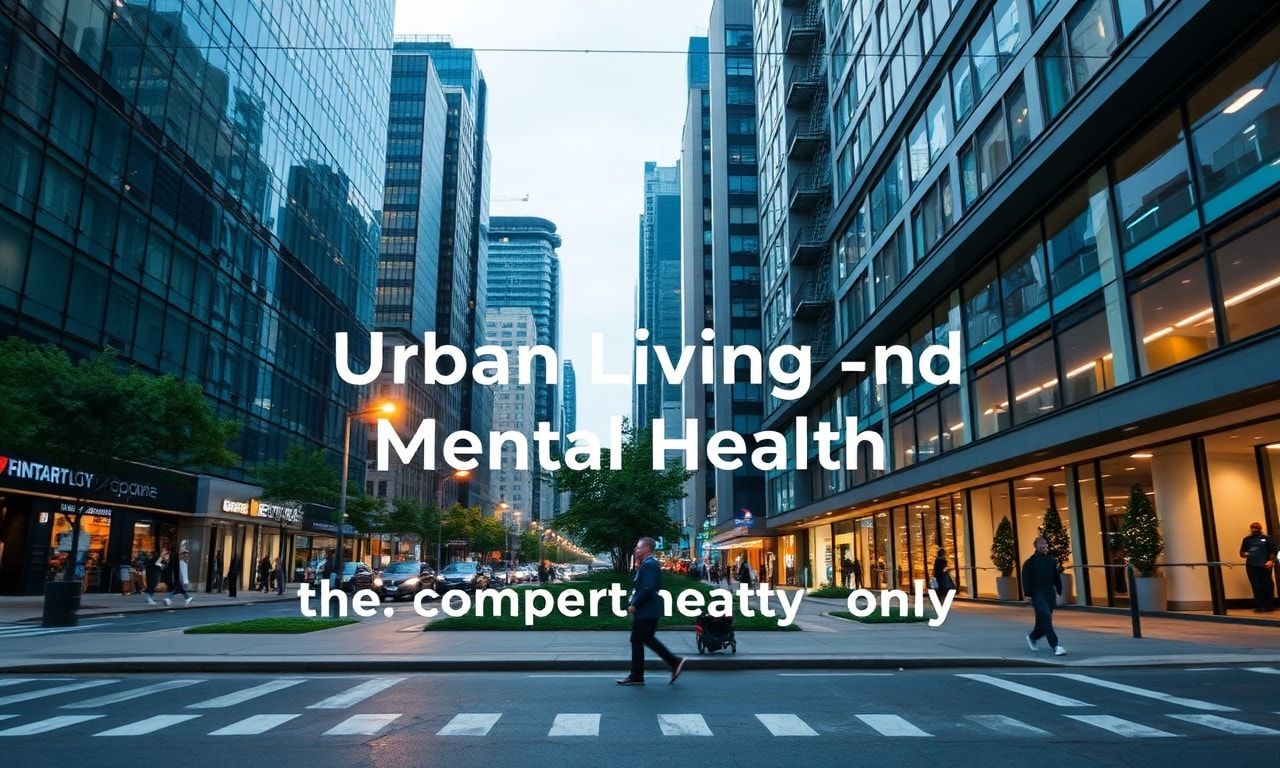
The Impact of Urban Environments on Mental Health
Urban living has become the norm for a significant portion of the global population. The hustle and bustle of city life, while offering numerous opportunities, can also take a toll on mental health. The fast-paced nature of urban environments, coupled with high population density and constant stimulation, can lead to increased stress levels, anxiety, and even depression. Understanding the interplay between urban living and mental health is crucial for developing strategies to mitigate these negative effects.
Research has shown that urban dwellers are at a higher risk of developing mental health issues compared to those living in rural areas. Factors such as noise pollution, air pollution, and the lack of green spaces contribute to this disparity. Additionally, the competitive nature of urban environments can lead to feelings of isolation and loneliness, further exacerbating mental health problems. It is essential to recognize these challenges and seek ways to create a healthier urban living experience.
The Role of Green Spaces in Urban Mental Health
One of the most effective ways to combat the negative impacts of urban living on mental health is to incorporate more green spaces into city planning. Parks, gardens, and other natural areas provide a much-needed respite from the concrete jungle. Studies have demonstrated that spending time in green spaces can reduce stress, lower blood pressure, and improve overall mood. These natural environments offer a sense of tranquility and can serve as a refuge from the constant stimulation of city life.
Urban planners and policymakers are increasingly recognizing the importance of green spaces in promoting mental well-being. Initiatives such as the creation of urban parks, community gardens, and green roofs are gaining traction. These efforts not only enhance the aesthetic appeal of cities but also contribute to the mental and physical health of their residents. Encouraging the development of more green spaces should be a priority for any city aiming to improve the quality of life for its inhabitants.
The Influence of Urban Lifestyle on Physical Health
The urban lifestyle is often characterized by a sedentary routine, with long hours spent commuting and working in office settings. This lack of physical activity can lead to a range of health issues, including obesity, cardiovascular disease, and diabetes. The fast-paced nature of city life also means that many people resort to quick, unhealthy food options, further compromising their physical health.
To counteract these trends, it is essential to promote a more active lifestyle within urban environments. Encouraging walking and cycling as modes of transportation, creating accessible fitness facilities, and promoting healthy eating habits are all steps in the right direction. Employers can also play a role by offering wellness programs and flexible work arrangements that allow for more physical activity throughout the day.
The Economic Aspects of Urban Living and Health
The economic aspects of urban living also play a significant role in mental and physical health. The cost of living in cities can be prohibitively high, leading to financial stress and anxiety. Housing prices, in particular, can be a major source of concern for urban residents. For instance, the Shanghai property market prices 2026 are expected to continue rising, reflecting the broader trend of increasing housing costs in major cities. This financial burden can have a detrimental impact on mental health, contributing to feelings of insecurity and despair.
Addressing the economic challenges of urban living requires a multifaceted approach. Policymakers can implement measures to make housing more affordable, such as subsidized housing programs and rent control policies. Additionally, promoting financial literacy and providing access to mental health resources can help individuals better manage the financial stresses associated with urban living.
Strategies for Maintaining Mental Well-being in Urban Environments
While the challenges of urban living are significant, there are several strategies that individuals can employ to maintain their mental well-being. Prioritizing self-care, such as getting adequate sleep, eating a balanced diet, and engaging in regular exercise, can help mitigate the negative effects of city life. Practicing mindfulness and meditation can also provide a sense of calm and reduce stress levels.
Building a strong social support network is another crucial aspect of maintaining mental health in urban environments. Connecting with friends, family, and community groups can combat feelings of isolation and loneliness. Engaging in social activities and hobbies can also provide a sense of purpose and fulfillment, contributing to overall mental well-being.
In conclusion, the intersection of urban living and mental health is a complex issue that requires attention and action from both individuals and policymakers. By recognizing the challenges and implementing strategies to promote mental well-being, we can create healthier, more vibrant urban communities. Prioritizing green spaces, promoting physical activity, addressing economic concerns, and fostering social connections are all steps in the right direction towards a healthier urban lifestyle.
Discover the interconnectedness of health, fitness, and community in our latest feature, embracing a holistic wellness journey, and learn how to nurture your mind, body, and social connections for overall well-being.
Discover how urban living can boost your personal growth and daily well-being with our latest article, city life’s impact on wellness, offering evidence-based tips for a healthier, happier lifestyle.
Discover how AI transforms health tech innovations and its potential impact on wellness, fitness, and mental health.