Understanding the Importance of Sun Protection
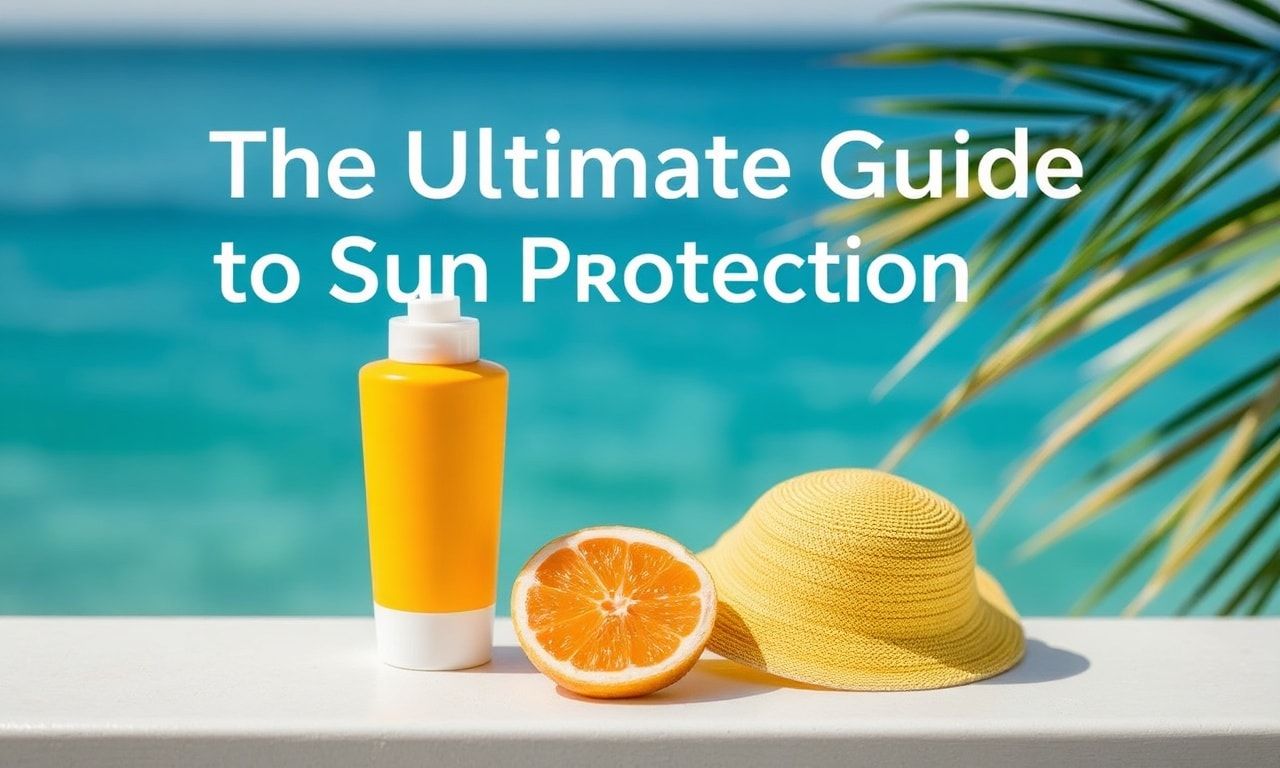
Sun protection is a critical aspect of maintaining overall health. Prolonged exposure to the sun’s ultraviolet (UV) rays can lead to a myriad of health issues, including skin cancer, premature aging, and eye damage. Understanding the importance of sun protection is the first step towards safeguarding your health.
UV rays are categorized into UVA and UVB rays. UVA rays penetrate deeply into the skin, causing aging and wrinkles, while UVB rays are responsible for sunburns. Both types of rays can cause skin cancer. Therefore, it’s essential to protect your skin from both UVA and UVB rays.
Many people believe that sun protection is only necessary on sunny days. However, UV rays can penetrate clouds and cause damage even on overcast days. Additionally, UV rays can reflect off surfaces like water, sand, and snow, increasing your exposure.
The Role of Diet in Sun Protection
While topical sunscreens are essential, diet also plays a significant role in sun protection. Certain foods can enhance your skin’s natural defense mechanisms against UV damage. For instance, foods rich in antioxidants, such as fruits and vegetables, can help neutralize free radicals caused by UV exposure.
Omega-3 fatty acids, found in fish like salmon and mackerel, can also help protect your skin. These healthy fats can reduce inflammation and improve your skin’s ability to heal. Additionally, foods rich in vitamin C, like citrus fruits and bell peppers, can boost collagen production, helping to keep your skin firm and youthful.
Hydration is another crucial aspect of sun protection. Drinking plenty of water helps keep your skin moisturized and can enhance its ability to repair itself. Dehydration can make your skin more susceptible to damage from UV rays.
Foods to Eat for Better Sun Protection
Here are some foods that can help enhance your skin’s natural defense mechanisms:
- Fruits and vegetables rich in antioxidants, such as berries, leafy greens, and carrots.
- Fatty fish like salmon, mackerel, and sardines, which are rich in omega-3 fatty acids.
- Foods high in vitamin C, like oranges, strawberries, and bell peppers.
- Nuts and seeds, which are rich in vitamin E, another powerful antioxidant.
- Foods rich in lycopene, like tomatoes and watermelons, which can help protect your skin from UV damage.
Incorporating these foods into your diet can complement your sun protection routine and enhance your overall health.
The Science Behind Sun Protection
Sun protection involves more than just slathering on sunscreen. Understanding the science behind sun protection can help you make informed decisions about how to protect your skin effectively.
Sunscreen works by absorbing or reflecting UV rays. There are two main types of sunscreen: chemical and physical. Chemical sunscreens absorb UV rays and convert them into heat, which is then released from the skin. Physical sunscreens, on the other hand, contain minerals like zinc oxide or titanium dioxide, which reflect UV rays away from the skin.
When choosing a sunscreen, look for one that offers broad-spectrum protection, meaning it protects against both UVA and UVB rays. The American Academy of Dermatology recommends using a sunscreen with an SPF of at least 30. SPF, or Sun Protection Factor, indicates how well a sunscreen protects against UVB rays. However, no sunscreen can block 100% of UV rays, so it’s essential to combine sunscreen with other protective measures.
In addition to sunscreen, wearing protective clothing, such as long-sleeved shirts, pants, and wide-brimmed hats, can help shield your skin from UV rays. Seeking shade, especially during peak sun hours (between 10 a.m. and 4 p.m.), can also reduce your exposure to harmful UV rays.
Natural Sun Protection Tips
While sunscreen is an essential part of sun protection, there are other natural ways to protect your skin:
- Wear protective clothing that covers your skin.
- Seek shade, especially during peak sun hours.
- Wear a wide-brimmed hat to protect your face, neck, and ears.
- Wear sunglasses to protect your eyes from UV rays.
- Use a natural sunscreen that contains ingredients like zinc oxide or titanium dioxide.
Incorporating these natural sun protection tips into your routine can help enhance your overall sun protection strategy.
The Impact of Sun Exposure on Mental Health
While excessive sun exposure can have detrimental effects on your physical health, moderate sun exposure can have positive effects on your mental health. Sunlight is a natural source of vitamin D, which is essential for brain health. Vitamin D deficiency has been linked to various mental health issues, including depression and anxiety.
Sunlight exposure can also help regulate your circadian rhythm, which is your body’s internal clock. This regulation can improve your sleep quality, which is crucial for overall mental health. Additionally, sunlight exposure can boost your mood by increasing the production of serotonin, a neurotransmitter that helps regulate mood.
However, it’s essential to strike a balance between reaping the mental health benefits of sun exposure and protecting your skin from harmful UV rays. Spending 10-15 minutes in the sun, two to three times a week, is usually enough to maintain adequate vitamin D levels without causing significant skin damage.
For those who are concerned about their vitamin D levels, consulting with a healthcare provider about supplementation may be a good idea. However, it’s always best to get your vitamin D from natural sources, like sunlight and food, whenever possible.
Balancing Sun Exposure and Sun Protection
Balancing sun exposure and sun protection is crucial for maintaining both physical and mental health. Here are some tips to help you achieve this balance:
- Spend 10-15 minutes in the sun, two to three times a week, to maintain adequate vitamin D levels.
- Use a broad-spectrum sunscreen with an SPF of at least 30 to protect your skin from harmful UV rays.
- Wear protective clothing, such as long-sleeved shirts, pants, and wide-brimmed hats, to shield your skin from UV rays.
- Seek shade, especially during peak sun hours, to reduce your exposure to harmful UV rays.
- Incorporate foods rich in antioxidants, omega-3 fatty acids, and vitamin C into your diet to enhance your skin’s natural defense mechanisms.
By following these tips, you can enjoy the mental health benefits of sun exposure while protecting your skin from harmful UV rays.
Conclusion
Sun protection is a critical aspect of maintaining overall health. Understanding the importance of sun protection, the role of diet in sun protection, the science behind sun protection, and the impact of sun exposure on mental health can help you make informed decisions about how to protect your skin effectively.
Incorporating natural sun protection tips into your routine, such as wearing protective clothing, seeking shade, and using a natural sunscreen, can enhance your overall sun protection strategy. Additionally, balancing sun exposure and sun protection is crucial for maintaining both physical and mental health.
Remember, while sun exposure can have positive effects on your mental health, it’s essential to protect your skin from harmful UV rays. By following the tips outlined in this article, you can enjoy the benefits of sun exposure while safeguarding your health.
For more information on sun protection and how to incorporate it into your daily routine, check out this informative article on güneş kremi güneşlenme öncesi nasıl yumurta yer.
To enhance your wellness routine, discover the benefits of sun exposure and how it contributes to a healthier lifestyle in our detailed guide, sunlight’s impact on health.
To complement your wellness journey, consider exploring summer’s trendiest outfits that can boost your confidence and style while you maintain an active and healthy lifestyle.
To enhance your outdoor fitness journey while prioritizing safety and enjoyment, consider exploring essential outdoor sports tips that combine performance and fun.