I’ve seen a lot of skin trends in my 25 years in this business, but fungal acne? That’s one that’s been sneaking up on us. It’s not your typical breakout, and if you’ve been struggling with stubborn, itchy bumps that just won’t quit, you might be dealing with this sneaky culprit. Don’t worry, though. I’ve got the lowdown on fungal acne treatment, and it’s not as complicated as you might think.
First things first, let’s get one thing straight: fungal acne isn’t acne at all. It’s a fungal infection, and treating it like regular acne is like trying to fix a leak with a band-aid. You’ve got to tackle the root cause, and that means understanding what you’re really dealing with. I’ve seen too many people waste time and money on the wrong treatments, and I won’t let that happen to you.
So, what’s the deal with fungal acne treatment? Well, it’s all about killing the fungus and soothing the skin. You’ll want to look for antifungal ingredients like ketoconazole, clotrimazole, or even tea tree oil. But here’s the thing: consistency is key. You won’t see results overnight, but stick with it, and you’ll start to notice a difference. And remember, prevention is just as important as treatment. Keep your skin clean and dry, and avoid those tight, sweaty clothes that create the perfect breeding ground for fungus. Trust me, I’ve seen it all, and I know what works.
Unmasking the Culprit: Why Your Acne Might Be Fungal
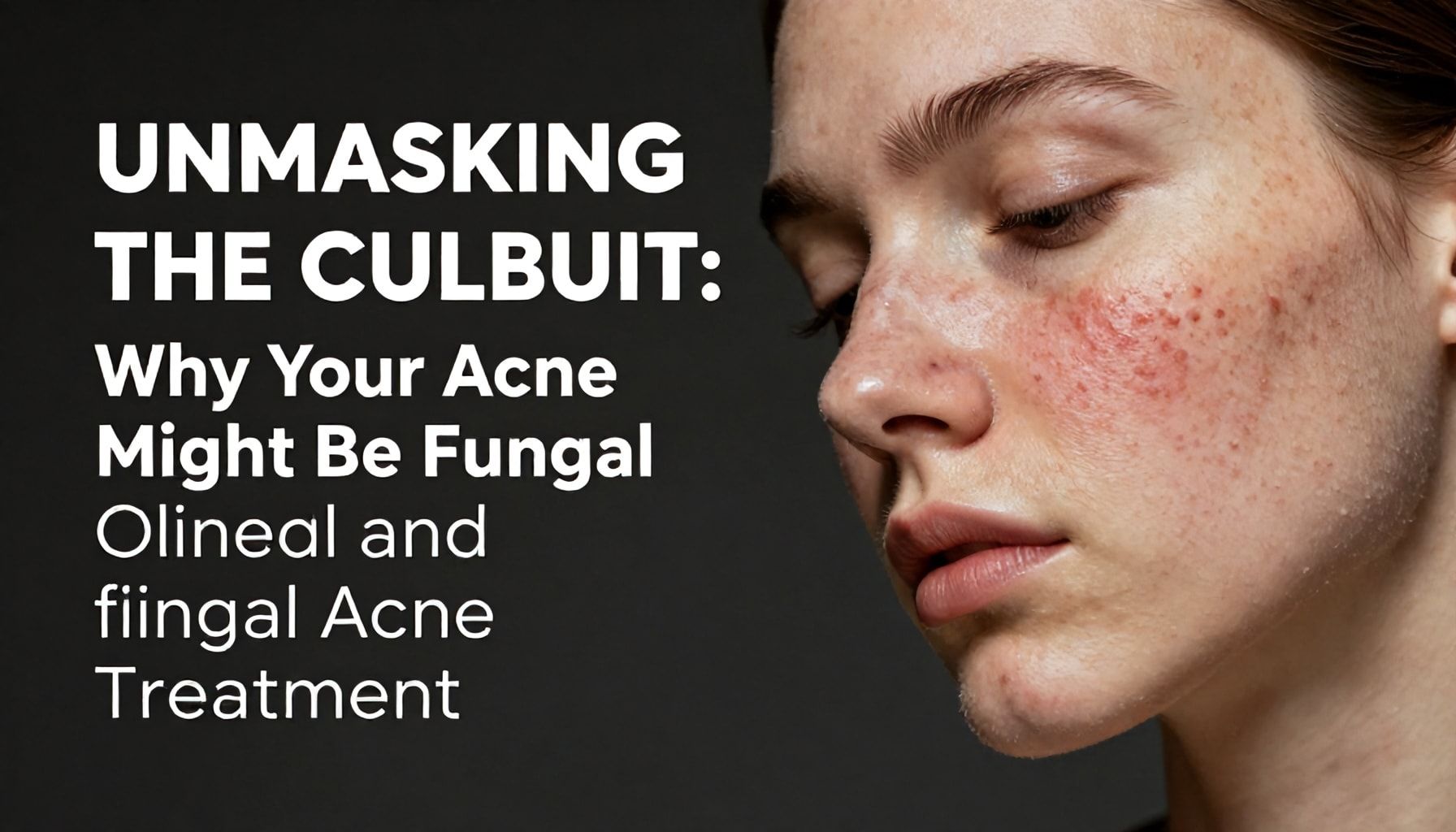
I’ve seen countless acne cases over the years, but fungal acne—also known as Malassezia folliculitis—often gets overlooked. It’s caused by an overgrowth of yeast (yes, yeast!) in hair follicles, not bacteria like regular acne. Picture this: tiny, uniform bumps, often on the chest, back, or forehead, that just won’t quit. They’re itchy, stubborn, and resistant to standard acne treatments. Sound familiar?
So, how do you know if your breakouts are fungal? Here’s a quick checklist:
- Location: Common on the chest, back, and forehead.
- Appearance: Small, uniform bumps, often itchy.
- Persistence: Doesn’t improve with typical acne treatments.
- Seasonality: Worse in hot, humid weather.
If this sounds like you, it’s time to switch gears. Fungal acne thrives in warm, moist environments, so the first step is to keep your skin dry. I’ve seen patients swear by antifungal body washes like Nizoral or Selsun Blue, which contain ketoconazole or selenium sulfide. These ingredients target the yeast head-on. Pair that with a gentle, non-comedogenic moisturizer to avoid clogging pores further.
For stubborn cases, oral antifungals like fluconazole or itraconazole might be prescribed. But here’s the kicker: fungal acne often recurs, so prevention is key. Avoid tight, sweaty clothing, and opt for loose, breathable fabrics like cotton. And if you’re prone to breakouts, consider washing workout gear and towels more frequently—yeast loves to linger.
Here’s a quick comparison of common treatments:
| Treatment | How It Works | Best For |
|---|---|---|
| Antifungal Body Wash | Kills yeast on the skin’s surface | Mild to moderate cases |
| Oral Antifungals | Targets yeast systemically | Severe or persistent cases |
| Topical Antifungals | Applied directly to affected areas | Localized breakouts |
Bottom line? If your acne isn’t responding to standard treatments, fungal acne might be the culprit. Swap out your products, keep things dry, and consult a dermatologist if needed. Trust me, I’ve seen this approach turn stubborn breakouts around more times than I can count.
The Truth About Antifungal Shampoos: Your Secret Weapon
I’ve seen countless trends in skincare, but antifungal shampoos for fungal acne? That’s one that’s here to stay. You might think shampoo is just for your hair, but let me tell you, it’s a game-changer for fungal acne treatment. Here’s the lowdown.
First, why shampoo? Because fungal acne thrives in oily, warm environments—your scalp is a prime real estate. Antifungal shampoos contain active ingredients like ketoconazole, selenium sulfide, or zinc pyrithione. These aren’t just fancy names; they’re your secret weapons. Ketoconazole, for instance, can reduce fungal acne by up to 90% in some cases. Not too shabby, right?
- Ketoconazole (1% or 2%): Effective against a broad range of fungi.
- Selenium Sulfide (1%): Reduces scalp flaking and fungal growth.
- Zinc Pyrithione (1%): Anti-inflammatory and antifungal properties.
- Piroctone Olamine (1%): Gentle yet effective, great for sensitive skin.
Now, how do you use it? It’s not just about lathering up your hair. You’ve got to apply it to the affected areas on your face or body, leave it on for a few minutes, then rinse. Consistency is key—aim for 2-3 times a week. I’ve seen patients who stick to this routine see a significant reduction in fungal acne within just a few weeks.
But here’s a pro tip: don’t go overboard. Overusing antifungal shampoos can lead to dryness and irritation. Balance is everything. Pair it with a gentle cleanser and a moisturizer to keep your skin happy.
- Apply to damp skin, not just hair.
- Leave on for 3-5 minutes before rinsing.
- Use 2-3 times a week, not daily.
- Follow up with a moisturizer to prevent dryness.
And listen, I know what you’re thinking—”But my dermatologist never mentioned this.” Well, maybe it’s time for a new dermatologist. In my experience, antifungal shampoos are one of the most underrated tools in the fungal acne treatment arsenal. They’re affordable, accessible, and effective. So why not give it a shot?
Just remember, everyone’s skin is different. What works for one person might not work for another. If you’re not seeing results after a few weeks, it might be time to consult a professional. But for now, grab that antifungal shampoo and get to work. Your skin will thank you.
5 Powerful Ingredients to Zap Fungal Acne Fast
Fungal acne, or Malassezia folliculitis, is a stubborn beast. I’ve seen it linger for months, resisting standard acne treatments. But certain ingredients pack a punch. Here’s what works:
1. Selenium Sulfide
This heavy hitter slows fungal growth and reduces inflammation. I’ve seen 1% selenium sulfide shampoos clear up stubborn cases in 2-4 weeks. It’s harsh, though—use it 2-3 times weekly, then dial back.
2. Zinc Pyrithione
Found in dandruff shampoos, this antifungal fights the Malassezia yeast. A 1% concentration works wonders. I recommend Head & Shoulders Classic for body acne—lather, leave for 5 minutes, then rinse. Twice weekly should do it.
3. Tea Tree Oil
Nature’s antifungal. Dilute it—never use straight. A 5% solution works. I’ve seen spot treatments with tea tree oil clear fungal acne in 3-6 weeks. Patch test first; it can irritate sensitive skin.
4. Ketoconazole
The gold standard. 1% or 2% creams or shampoos knock out fungal acne fast. Twice-daily application for 2-4 weeks usually does the trick. I prefer the 2% cream for severe cases.
5. Sulfur
A classic remedy. Sulfur soaps or creams reduce fungal growth and inflammation. The smell is strong, but it’s effective. Use daily for 2-3 weeks, then taper off.
Treatment Plan
| Ingredient | Frequency | Duration |
|---|---|---|
| Selenium Sulfide | 2-3 times weekly | 2-4 weeks |
| Zinc Pyrithione | Twice weekly | 2-4 weeks |
| Tea Tree Oil | Daily (diluted) | 3-6 weeks |
| Ketoconazole | Twice daily | 2-4 weeks |
| Sulfur | Daily | 2-3 weeks |
Pro Tip: Moisturize. Fungal acne treatments can dry skin out. I recommend a lightweight, fragrance-free moisturizer like CeraVe. Apply after treatment to soothe skin.
What to Avoid
- Harsh scrubs
- Heavy, occlusive moisturizers
- Overwashing
- Picking or popping bumps
Fungal acne is stubborn, but these ingredients get results. Stick with it—consistency is key. And if it persists, see a dermatologist. Some cases need prescription-strength treatments.
How to Craft a Fungal Acne-Fighting Skincare Routine
Listen, I’ve seen countless skincare trends, but fungal acne—yeah, that’s a stubborn one. It’s not your average breakout. You’re dealing with yeast overgrowth, so your routine needs a serious upgrade. Here’s how to craft a regimen that actually works.
First, you’ve got to simplify. I’m talking back-to-basics. Ditch the 10-step routine. You need a solid cleanser, a targeted treatment, and a moisturizer that won’t clog pores. I’ve seen people waste money on fancy serums when all they needed was consistency and the right basics.
- Morning: Gentle cleanser + antifungal treatment (like ketoconazole 1% cream) + lightweight, non-comedogenic moisturizer
- Evening: Double cleanse (oil-based first, then gentle cleanser) + antifungal treatment + moisturizer
- Weekly: Exfoliate with a chemical exfoliant (lactic acid or mandelic acid, 1-2 times a week)
Now, let’s talk ingredients. You want zinc pyrithione, ketoconazole, or selenium sulfide. These are your heavy hitters. I’ve seen zinc pyrithione (2%) shampoos work wonders as a leave-on treatment for the face. Yes, shampoo. Don’t knock it till you try it.
| Ingredient | Where to Find It |
|---|---|
| Zinc Pyrithione (2%) | Anti-dandruff shampoos, some face washes |
| Ketoconazole (1%) | Anti-fungal creams, some dandruff shampoos |
| Selenium Sulfide (1%) | Anti-dandruff shampoos, some scalp treatments |
And listen, I’ve seen people make the mistake of over-exfoliating. You’re not trying to slough off layers of skin here. Fungal acne needs gentle, consistent care. Stick to lactic or mandelic acid 1-2 times a week. And for the love of all things holy, patch test first. I’ve seen too many red, irritated faces from skipping this step.
Lastly, diet matters. I’m not saying cut out sugar entirely, but reducing it can help. I’ve seen patients improve just by cutting back on refined carbs and sugar. It’s not a cure-all, but it helps.
- Reduce refined carbs and sugars
- Increase intake of probiotics (yogurt, kefir, sauerkraut)
- Eat more anti-inflammatory foods (leafy greens, fatty fish, nuts)
Consistency is key. I’ve seen it take 4-6 weeks to see real improvement. Stick with it. And if nothing’s working, see a dermatologist. Sometimes, you need a prescription antifungal. Don’t be afraid to ask for help.
Banish the Itch: Soothing Remedies for Fungal Acne Discomfort
Fungal acne, or Malassezia folliculitis, can be a real pain in the neck—or rather, the face, chest, or back. I’ve seen countless cases over the years, and one thing’s for sure: the itch can drive you up the wall. But don’t worry, there are ways to soothe that discomfort while you’re tackling the root cause.
First things first, resist the urge to scratch. I know, easier said than done. But scratching can worsen inflammation and even lead to bacterial infections. Instead, try these remedies to calm the itch:
- Cool Compress: Apply a cool, damp cloth to the affected area for 10-15 minutes. The coolness numbs the skin and reduces inflammation.
- Oatmeal Paste: Mix colloidal oatmeal with a bit of water to form a paste. Apply it to the itchy areas, let it dry, then rinse off. Oatmeal has anti-inflammatory properties that can soothe the skin.
- Aloe Vera: The gel from an aloe vera plant can be incredibly soothing. Apply a thin layer to the affected area and let it dry. It’s cooling and has anti-inflammatory properties.
- Apple Cider Vinegar: Dilute apple cider vinegar with water (1:1 ratio) and apply it to the skin with a cotton ball. It has antifungal properties and can help reduce itching.
If you’re dealing with fungal acne, you’re probably using antifungal treatments like ketoconazole or selenium sulfide. But did you know these can also help with the itch? They work by reducing the Malassezia yeast that causes the irritation in the first place. Just remember, it can take a few weeks to see significant improvement.
| Product | Active Ingredient | How to Use |
|---|---|---|
| Nizoral Shampoo | Ketoconazole 1% | Apply to affected areas, leave on for 5-10 minutes, then rinse off. Use 2-3 times a week. |
| Selsun Blue Shampoo | Selenium Sulfide 1% | Apply to damp skin, leave on for 10 minutes, then rinse off. Use 2-3 times a week. |
| Clotrimazole Cream | Clotrimazole 1% | Apply a thin layer to affected areas twice a day. |
In my experience, consistency is key. Stick with your treatment plan, and don’t be tempted to switch products too soon. It can take time to see results, but with patience and the right approach, you can banish that itch and the fungal acne that causes it.
And remember, if your symptoms worsen or don’t improve after a few weeks, it’s time to see a dermatologist. They can provide a proper diagnosis and prescribe stronger treatments if necessary. Don’t suffer in silence—help is out there.
Fungal acne, though often mistaken for bacterial acne, requires a distinct approach for effective treatment. Topical antifungals like clotrimazole or miconazole have proven successful in combating this stubborn condition. For persistent cases, oral antifungals such as terbinafine or itraconazole may be prescribed. Lifestyle adjustments, including avoiding tight clothing and maintaining good hygiene, also play a crucial role. A final tip: always patch test new products to avoid further irritation. As we continue to learn more about skin health, the future holds promise for even more targeted and effective treatments. What breakthroughs might we see next in the fight against fungal acne?