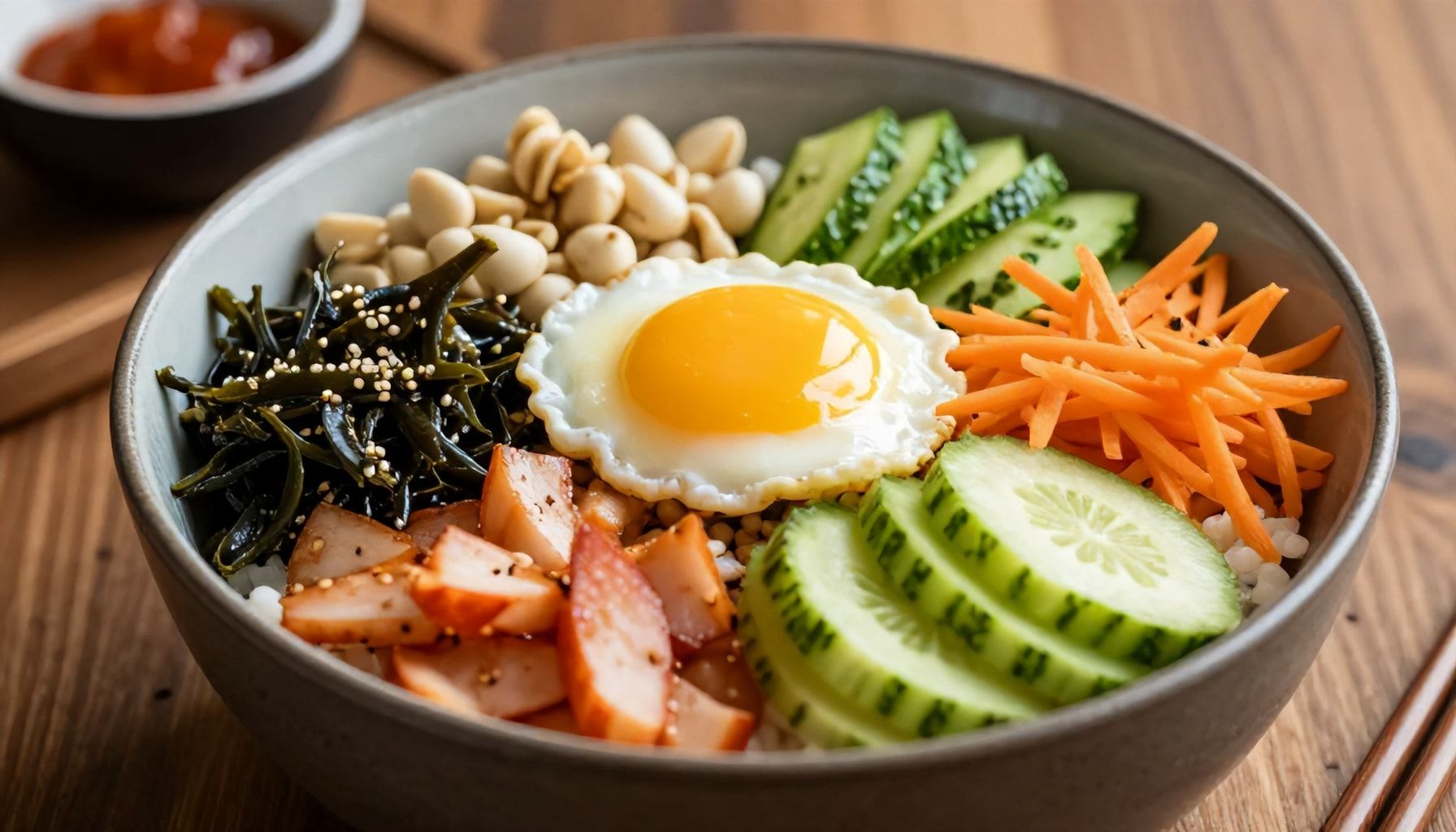
I’ve seen food trends explode and fizzle like cheap champagne. But poke? Poke’s got legs. It’s not just another health food fad that’ll disappear by next season. This Hawaiian staple’s here to stay, and I’ll tell you why. Poke—pronounced “POH-keh,” not “POK-ee”—isn’t some newfangled diet craze. It’s raw fish salad, a traditional Hawaiian dish that’s been around for centuries. The name comes from the Hawaiian word for “to slice,” and that’s exactly what you get: fresh, diced raw fish, usually ahi tuna or salmon, marinated in a savory sauce.
What makes poke special? It’s simple, fresh, and packed with flavor. The fish is the star, but it’s the marinade that makes it sing. Classic Hawaiian poke features soy sauce, sesame oil, and seaweed, but these days, you’ll find all kinds of variations. Spicy mayo, wasabi, even tropical fruits—chefs are getting creative. But don’t let the trendy toppings fool you. At its heart, poke is about quality ingredients, minimal prep, and big taste. It’s healthy, it’s easy, and it’s delicious. That’s why it’s taken over lunch counters and dinner tables alike.
The Truth About Poke: A Hawaiian Classic with Global Appeal
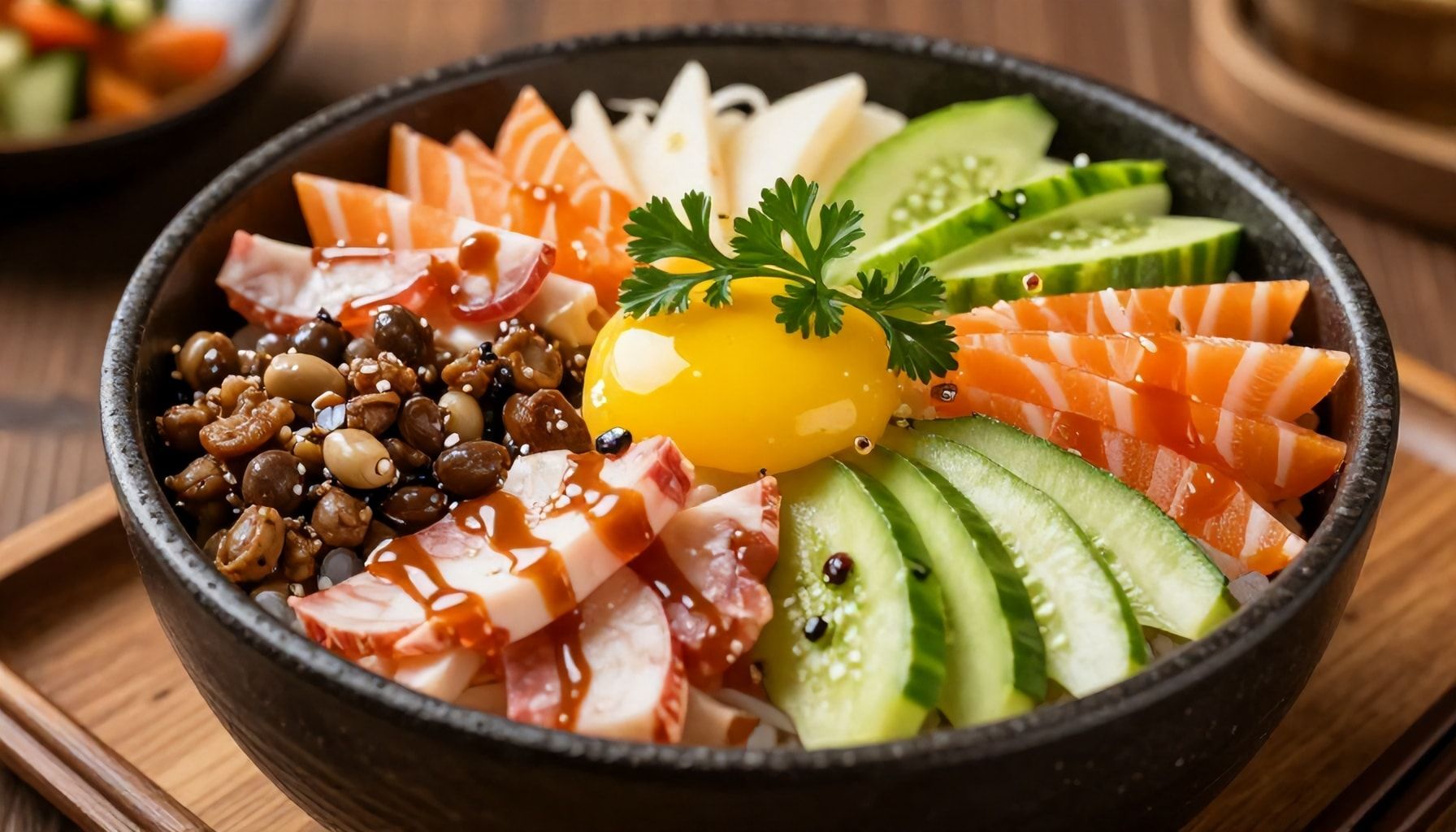
Poke—pronounced “poh-kay”—isn’t just another food trend that’ll fade into obscurity. I’ve seen fads come and go, but this Hawaiian staple has staying power. It’s simple, really: fresh, raw fish marinated in a savory sauce, typically served over rice. But don’t let its simplicity fool you. Poke is a culinary chameleon, adapting to global tastes while staying true to its roots.
Poke’s origins trace back to ancient Hawaii, where fishermen would salt-cure their catch to preserve it. Today, it’s a cornerstone of Hawaiian cuisine, with each island offering its own twist. In my experience, Oahu’s poke is often more refined, while the Big Island leans toward heartier, bolder flavors.
- Traditional Base: Ahi (yellowfin tuna) or mahi-mahi
- Classic Seasoning: Sea salt, seaweed (limu), and sometimes roasted kukui nuts
- Serving Style: Often scooped with the hands, straight from the bowl
But poke’s global appeal lies in its versatility. From the spicy mayo-laden bowls of California to the soy sauce-infused versions in Japan, poke has evolved while keeping its core identity. I’ve seen high-end restaurants charge $25 for a single bowl, while food trucks in Hawaii serve it for half that price. The key? Freshness. Poke is all about the quality of the fish and the balance of flavors.
| Region | Signature Twist | Popular Additions |
|---|---|---|
| Hawaii | Minimalist, seaweed-forward | Roasted nuts, green onions |
| California | Spicy mayo, avocado | Cucumber, edamame |
| Japan | Soy sauce-heavy, sesame oil | Pickled ginger, wasabi |
Poke’s rise in popularity isn’t just about taste. It’s also about health. Packed with protein and omega-3 fatty acids, poke is a nutritious choice. And with customizable bowls, it’s become a favorite among health-conscious eaters. But here’s the thing: not all poke is created equal. I’ve had bowls that were lackluster, where the fish was overpowered by sauces or the rice was mushy. The best poke? It’s all about balance—fresh fish, a light hand with the seasoning, and quality ingredients.
- Fish First: Opt for sushi-grade fish. Ahi tuna or salmon are classic choices.
- Sauce Lightly: A little goes a long way. Start with a small amount and adjust to taste.
- Rice Matters: Use short-grain rice for authenticity, but jasmine or brown rice work too.
- Garnish Generously: Toppings like green onions, sesame seeds, and macadamia nuts add texture and flavor.
Poke’s journey from Hawaiian shores to global menus is a testament to its enduring appeal. It’s more than just a dish; it’s a culinary experience. And whether you’re enjoying it in a high-end restaurant or a local food truck, the best poke bowls share one thing in common: they’re made with care and respect for the ingredients. That’s the secret to poke’s global success.
Why Poke Bowls Are Taking the Health Food Scene by Storm
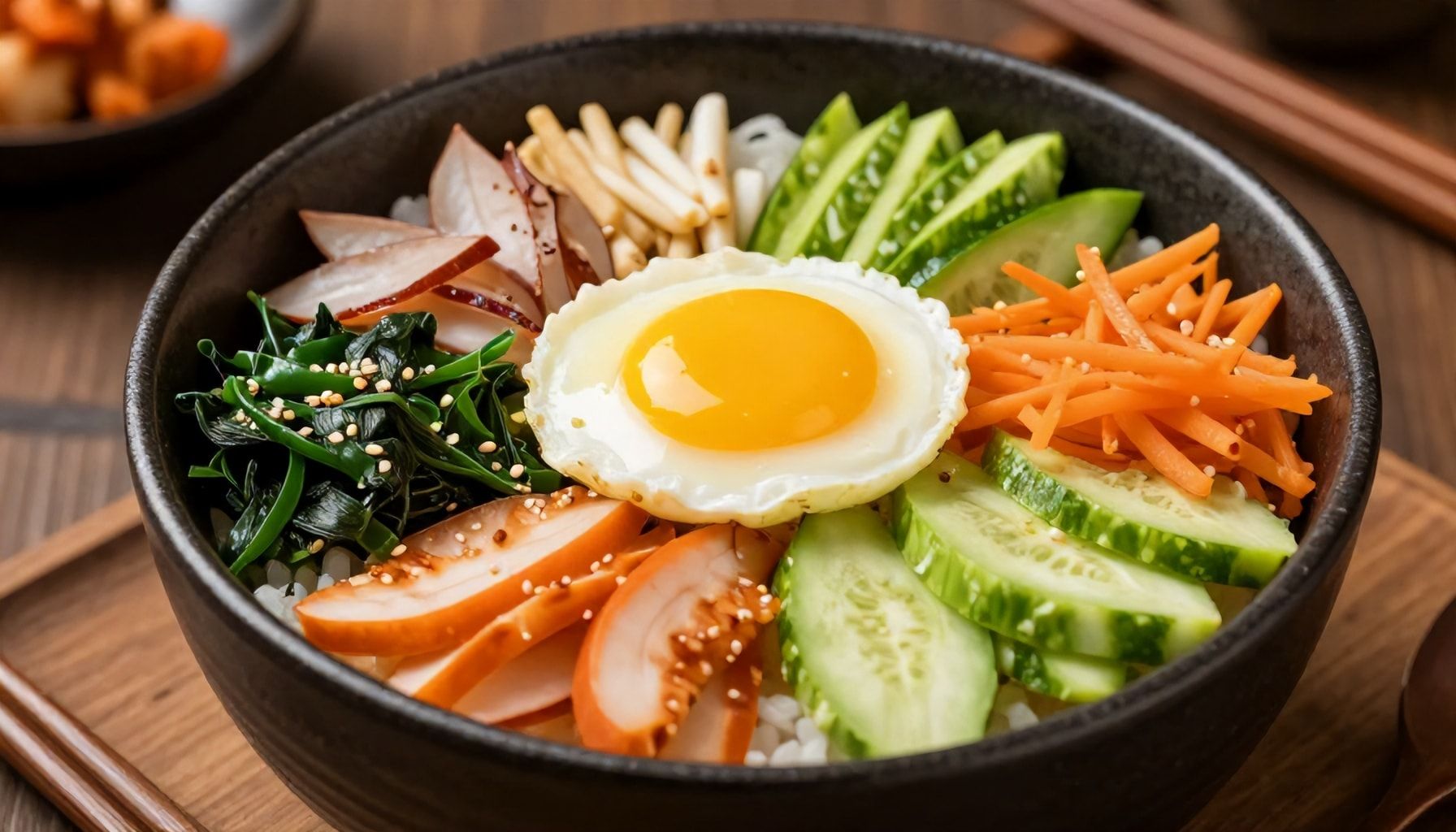
The health food scene moves fast, but poke bowls? They’re here to stay. I’ve seen fads come and go, but the poke bowl trend has legs. Why? Because it’s not just a meal—it’s an experience. A symphony of fresh, vibrant ingredients that work together in perfect harmony. Let’s break it down.
First, the protein. Traditionally, poke is made with raw, marinated fish—usually ahi tuna or salmon. But modern poke bowls have evolved. You’ll find grilled chicken, tofu, or even shrimp. The key is quality. I’ve tasted poke bowls that were mediocre, and it always comes down to the freshness of the ingredients. A good poke bowl starts with the best protein you can find.
- Raw Ahi Tuna
- Salmon
- Grilled Chicken
- Tofu
- Shrimp
Next, the base. Rice is classic, but quinoa, mixed greens, or even sweet potato hash are popular choices. The base sets the foundation for the rest of the bowl. It’s the canvas, if you will. I’ve seen bowls that are so packed with toppings, you can’t even see the base. That’s a mistake. The base matters.
Now, the toppings. This is where poke bowls get fun. Avocado, cucumber, edamame, radish, green onions—the list goes on. The key is balance. You want a mix of textures and flavors. Crunchy, creamy, tangy, sweet. It’s a dance party in your mouth, and every ingredient should bring something unique to the table.
- Avocado
- Cucumber
- Edamame
- Radish
- Green Onions
- Mango
- Pickled Ginger
And the sauce. This is where poke bowls can go from good to great. A simple soy sauce and sesame oil dressing is classic, but spicy mayo, wasabi cream, or even a tangy ponzu can take your bowl to the next level. I’ve had bowls that were drowning in sauce, and others that were dry as a desert. The secret? Less is more. Drizzle, don’t drown.
Finally, the presentation. Poke bowls are as much about looks as they are about taste. A well-arranged bowl is a feast for the eyes. I’ve seen bowls that looked like a child’s finger painting, and others that were so beautiful, I almost didn’t want to eat them. Almost.
- Start with a base layer of your chosen grain or greens.
- Add your protein in the center, slightly off-center for visual appeal.
- Arrange toppings around the protein, grouping similar items together.
- Drizzle sauce in a zigzag pattern or a thin line across the bowl.
- Garnish with sesame seeds, nori strips, or a sprinkle of furikake.
Poke bowls are more than just a trend. They’re a testament to the power of fresh, quality ingredients. They’re a celebration of balance and harmony. And in a world full of fast food and processed meals, poke bowls are a breath of fresh air. So, if you haven’t tried one yet, what are you waiting for? Your taste buds will thank you.
10 Ways to Customize Your Perfect Poke Bowl
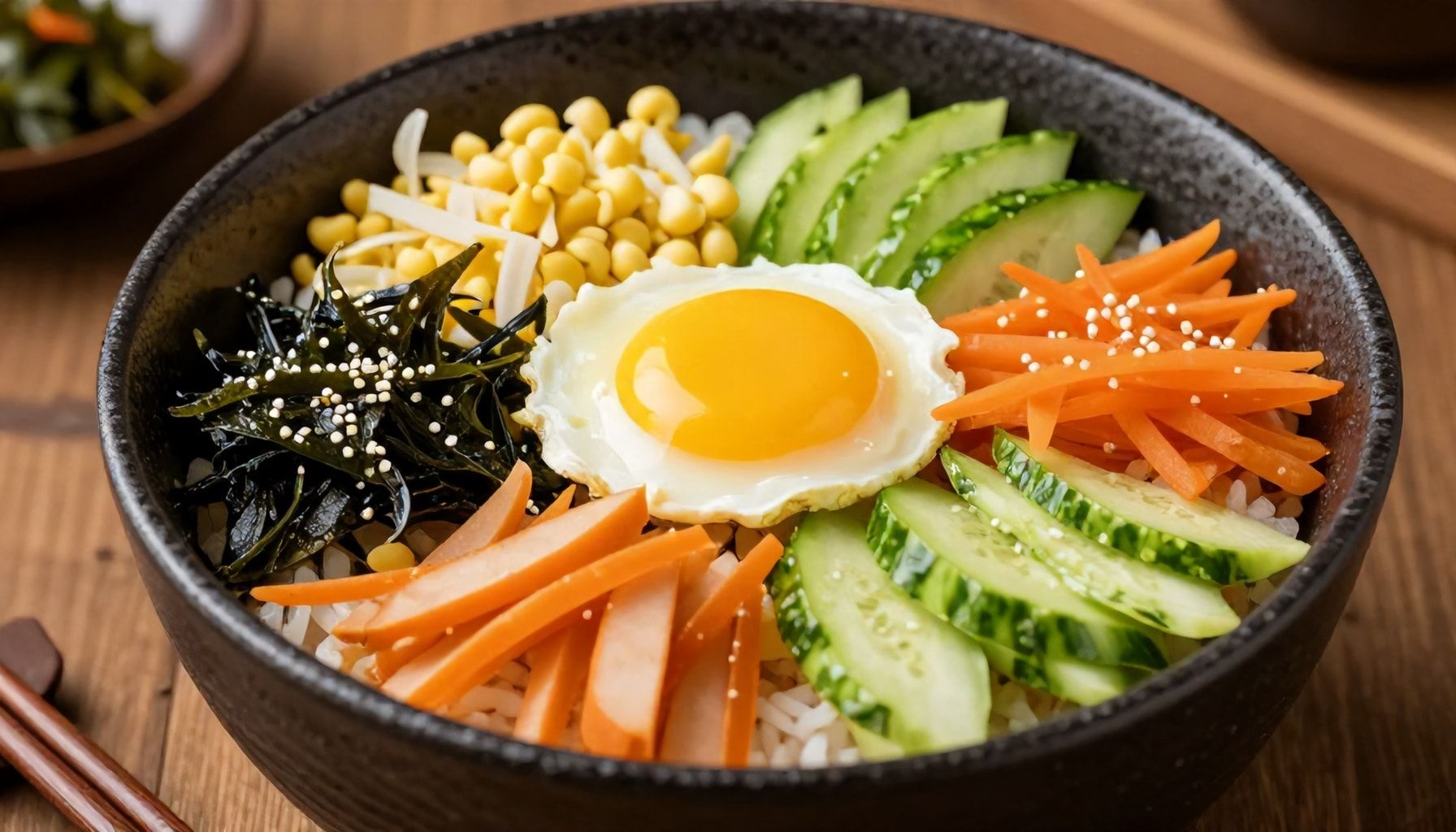
The beauty of poke bowls lies in their versatility. You can tailor them to your taste, dietary needs, or just your mood. I’ve seen people create masterpieces with just a few simple ingredients, and others go all out with a dozen toppings. Here are 10 ways to customize your perfect poke bowl.
- Protein Power: Start with your protein. Classic choices include ahi tuna, salmon, or octopus. But don’t stop there. I’ve seen chicken poke bowls that are just as satisfying. For a vegetarian twist, try tofu or marinated tempeh.
- Rice or No Rice: Traditional poke bowls come with white rice, but you can switch it up. Brown rice, quinoa, or even cauliflower rice can add a nutritious twist. I’ve even seen poke bowls served over greens for a lighter option.
- Veggie Load: Pile on the veggies. Avocado, cucumber, edamame, and seaweed are staples. But don’t be afraid to get creative. I’ve tried poke bowls with roasted sweet potatoes and grilled asparagus that were out of this world.
- Saucy Situation: The sauce makes the bowl. Classic shoyu, spicy mayo, or ebi sauce are all great choices. But why not make your own? I’ve experimented with sriracha-lime creations that added a kick.
- Crunch Factor: Add some texture with toppings like crispy onions, sesame seeds, or furikake. I’ve seen poke bowls topped with crushed nuts for an unexpected crunch.
| Topping | Flavor Profile | Nutritional Boost |
|---|---|---|
| Avocado | Creamy, rich | Healthy fats, fiber |
| Edamame | Earthy, nutty | Protein, iron |
| Seaweed | Briny, umami | Iodine, vitamins |
| Crispy Onions | Crunchy, savory | Fiber, antioxidants |
Don’t be afraid to break the rules. I’ve seen poke bowls with mango, pickled ginger, and even a drizzle of truffle oil. The key is to balance flavors and textures. Sweet, salty, creamy, crunchy—it’s all about what makes your taste buds happy.
Pro tip: If you’re new to poke, start with a classic combination. Ahi tuna, avocado, cucumber, and edamame over white rice with a drizzle of shoyu sauce. Once you’ve mastered the basics, let your imagination run wild. I’ve found that the best poke bowls are the ones that reflect your personal taste.
How to Build a Balanced Poke Bowl at Home
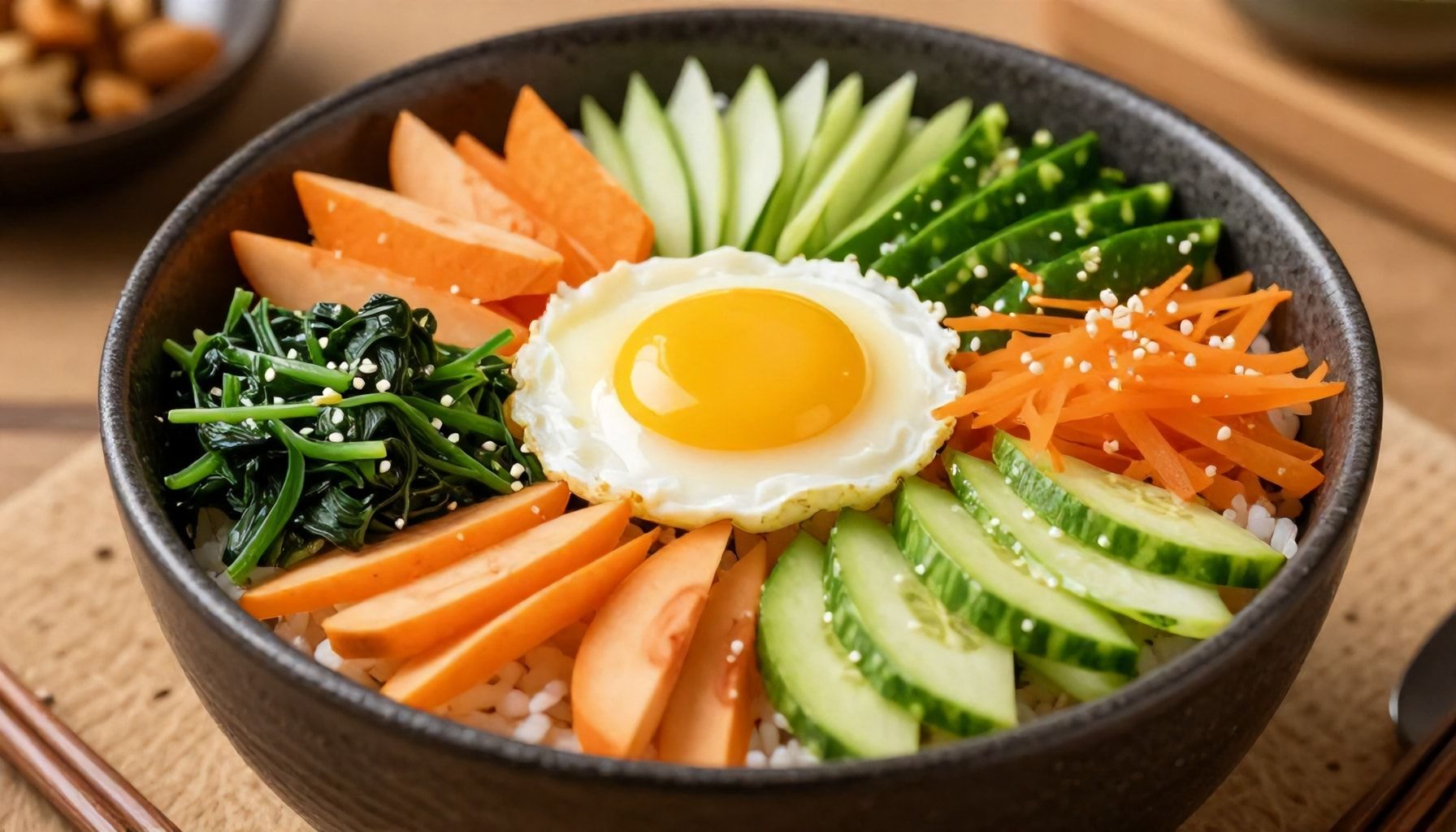
Building a Balanced Poke Bowl at Home
Start by selecting a variety of ingredients, but don’t overdo it – a typical poke bowl has 5-7 components, so limit yourself to 3-4 types of protein, 2-3 vegetables, and a sprinkle of garnishes. In my experience, a well-rounded bowl balances flavors, textures, and colors. Here’s a breakdown of what you’ll need:
Poke Bowl Essentials
- Protein (3-4 options):
- Sushi-grade tuna (ahi)
- Salmon
- Shrimp
- Edamame
- Vegetables (2-3 options):
- Pickled ginger
- Cucumber slices
- Wilted spinach
- Grilled pineapple
- Garnishes:
- Sesame seeds
- Diced green onions
- Thinly sliced daikon
- Seaweed salad
Next, assemble your poke bowl by layering the ingredients. Start with a scoop of steamed rice, then add the protein, vegetables, and garnishes. Don’t be afraid to get creative – but remember, balance is key. I’ve seen poke bowls with a dozen different toppings, but they often end up tasting like a disjointed mess. In my experience, less is more.
Poke Bowl Assembly Tips
- Use a variety of colors to create a visually appealing bowl.
- Balance soft and crunchy textures for a satisfying mouthfeel.
- Don’t overdo it on the sauces – a light drizzle is all you need.
- Experiment with different seasonings, such as furikake or chili flakes, to add depth to your bowl.
Once you’ve assembled your poke bowl, take a step back and admire your handiwork. A well-balanced bowl should look almost too beautiful to eat – but trust me, it’s worth taking a bite. With practice, you’ll find your own unique poke bowl style, and you’ll be hooked on this healthy, delicious trend for good.
The Fresh, Healthy Secret Behind Poke's Rising Popularity
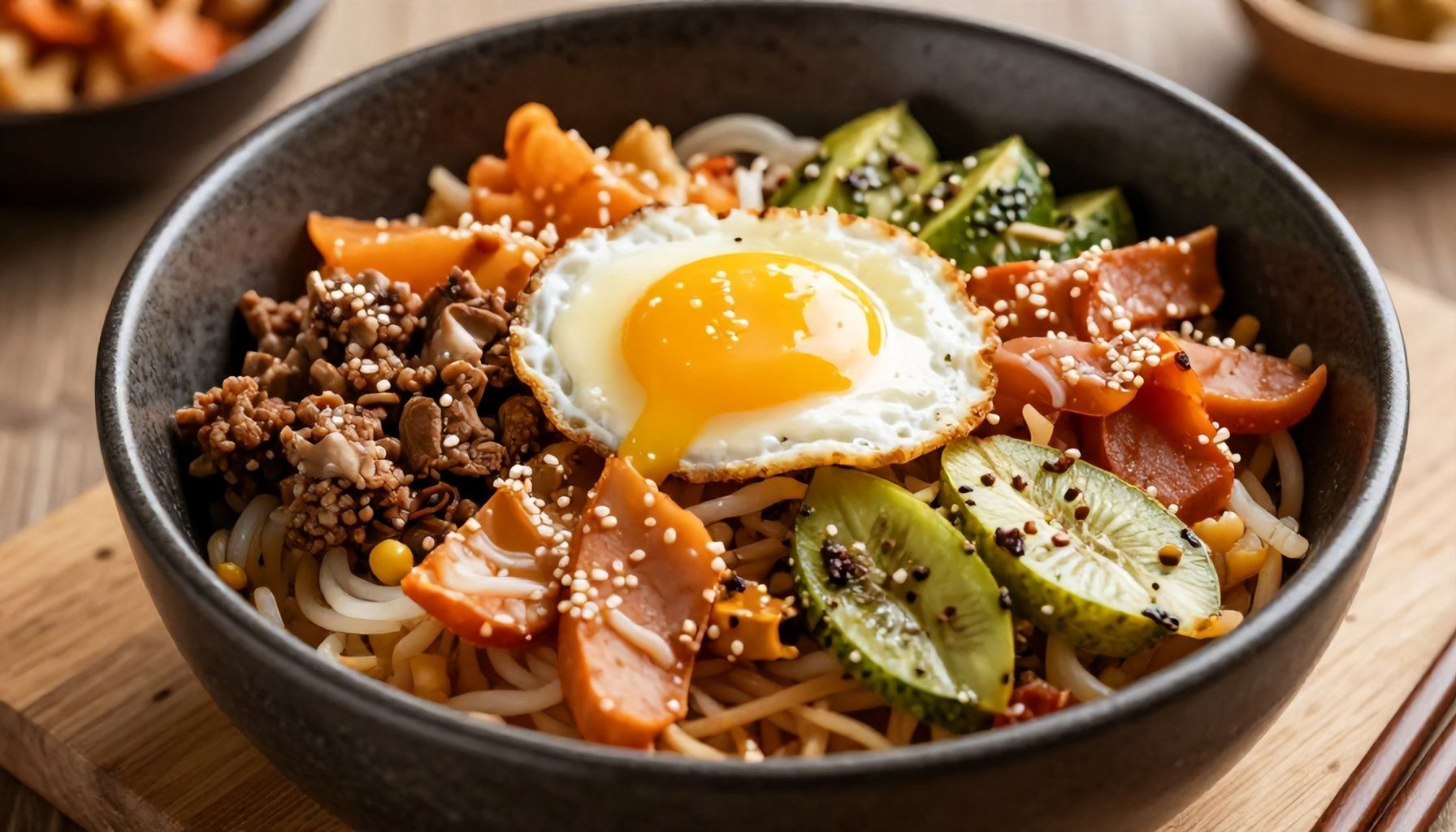
The secret behind poke’s meteoric rise isn’t just its Instagram-friendly presentation. It’s the fresh, healthy foundation that’s been winning over health-conscious eaters. I’ve seen countless trends come and go, but poke’s staying power comes from its nutrient-packed ingredients and customizable nature.
At its core, poke is a Hawaiian dish traditionally made with diced raw fish, usually ahi tuna or salmon, marinated in soy sauce, sesame oil, and green onions. But modern poke bowls have evolved into vibrant, nutrient-dense meals that let you control every element. Here’s what makes it so good for you:
- Lean Protein: Poke’s primary ingredient is usually ahi tuna or salmon, both excellent sources of lean protein and omega-3 fatty acids.
- Fresh Vegetables: Toppings like cucumber, avocado, and edamame add fiber, vitamins, and antioxidants.
- Healthy Fats: Avocado and sesame seeds provide heart-healthy fats.
- Complex Carbohydrates: Base options like brown rice or quinoa offer sustained energy.
I’ve seen poke bowls range from 300 to 600 calories, depending on portions and toppings. For comparison, here’s a rough breakdown of a typical 400-calorie poke bowl:
| Ingredient | Calories | Key Nutrients |
|---|---|---|
| Brown Rice (1/2 cup) | 110 | Fiber, B vitamins |
| Ahi Tuna (3 oz) | 90 | Protein, Omega-3s |
| Avocado (1/4 medium) | 60 | Healthy fats, Fiber |
| Cucumber (1/2 cup) | 8 | Vitamin K, Hydration |
| Edamame (1/4 cup) | 50 | Protein, Iron |
| Soy Sauce (1 tbsp) | 10 | Sodium, Umami flavor |
| Sesame Oil (1 tsp) | 40 | Healthy fats, Antioxidants |
| Green Onions (1 tbsp) | 2 | Vitamin K, Flavor |
What sets poke apart from other healthy trends is its versatility. You can customize every element to suit your dietary needs. Want to cut carbs? Skip the rice. Need more protein? Add extra ahi. It’s this flexibility that’s kept poke on menus and in home kitchens long after other trends have faded.
In my experience, the best poke bowls balance fresh, high-quality ingredients with bold flavors. Don’t skimp on the fish – it’s the star of the show. And don’t be afraid to experiment with toppings. I’ve seen everything from mango to pickled ginger make an appearance, and it all works when done right.
Poke bowls offer a vibrant, nutritious twist on traditional meals, blending fresh ingredients with bold flavors. From the tender ahi tuna to the satisfying crunch of edamame, each bowl is a symphony of textures and tastes. The customizable nature of poke bowls makes them perfect for any diet, whether you’re craving a protein-packed lunch or a light, veggie-filled dinner. The balance of macronutrients ensures you stay energized throughout the day, while the variety of vegetables provides essential vitamins and minerals. For those new to poke bowls, start with a classic combination like sushi-grade salmon, avocado, and cucumber over sushi rice. As you become more comfortable, experiment with different proteins, sauces, and toppings to create your perfect bowl. The possibilities are endless, and the health benefits are undeniable. So, why not try a poke bowl today and discover a new favorite meal that’s as delicious as it is nourishing? What unique combination will you create next?