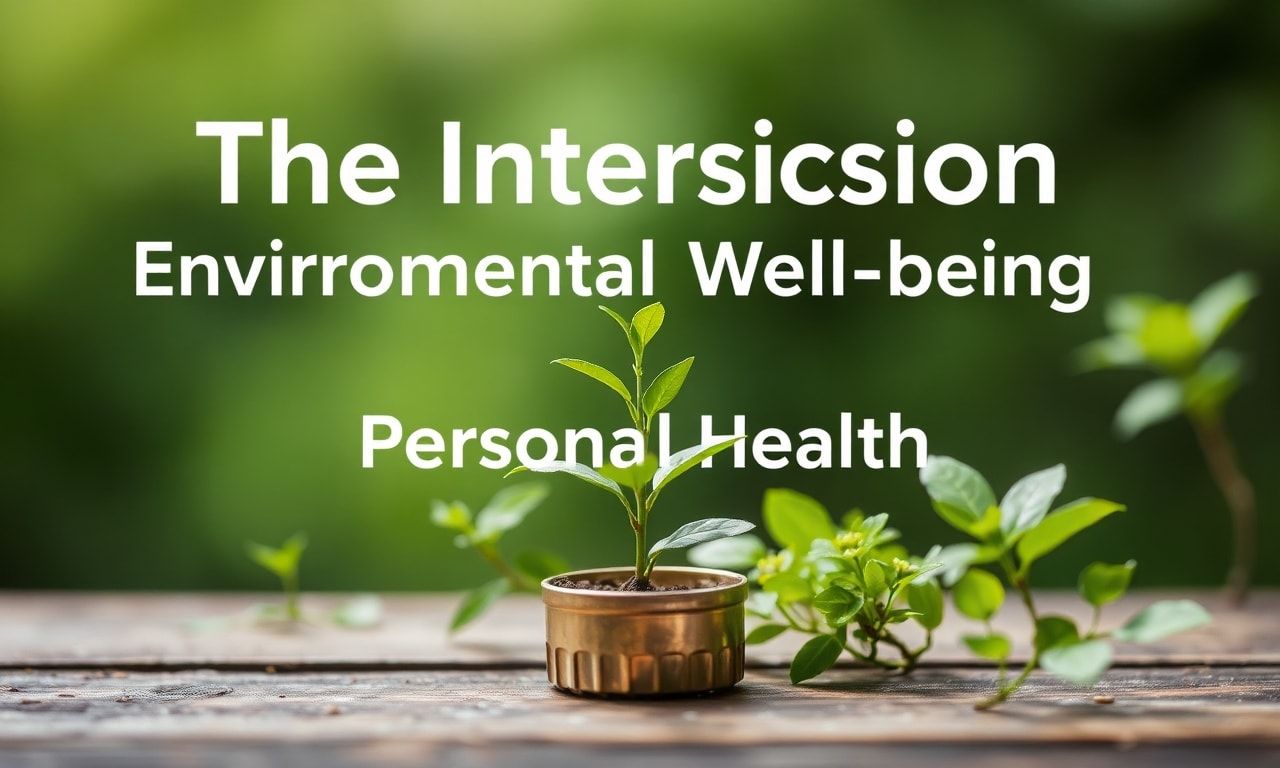
The Importance of Environmental Wellness
Environmental wellness is a critical component of overall health that often goes unnoticed. It involves creating a healthy and sustainable environment that supports physical, mental, and emotional well-being. This can range from the air we breathe to the energy we consume. For instance, transitioning to renewable energy sources like solar power can significantly reduce pollution and improve air quality, which in turn benefits respiratory health. If you’re considering solar energy, exploring güneş paneli fiyatları 2026 can provide insights into the cost and benefits of solar panels, helping you make an informed decision that supports both your health and the environment.
How Environmental Factors Impact Health
Numerous studies have shown that environmental factors play a pivotal role in determining our health outcomes. Pollution, for example, is linked to a variety of health issues, including respiratory diseases, cardiovascular problems, and even mental health disorders. According to the World Health Organization, air pollution alone is responsible for millions of deaths worldwide each year. By adopting cleaner energy solutions and reducing our carbon footprint, we can mitigate these risks and create a healthier living environment.
Air Quality and Respiratory Health
Air quality is a significant determinant of respiratory health. Poor air quality can exacerbate conditions like asthma and chronic obstructive pulmonary disease (COPD). It can also lead to the development of these conditions in individuals who were previously healthy. Investing in technologies that reduce air pollution, such as solar panels, can have a profound impact on public health. By reducing our reliance on fossil fuels, we can decrease the levels of harmful pollutants in the air, leading to better respiratory health outcomes.
Mental Health and Environmental Wellness
The environment also plays a crucial role in mental health. Natural environments have been shown to reduce stress, anxiety, and depression. Spending time in nature can lower cortisol levels, the hormone associated with stress, and improve overall mood. Additionally, creating a clean and organized living space can contribute to a sense of well-being and mental clarity. By prioritizing environmental wellness, we can create spaces that support mental health and promote a sense of calm and tranquility.
Practical Steps Towards Environmental Wellness
Achieving environmental wellness involves a combination of individual actions and community efforts. Here are some practical steps you can take to improve your environmental wellness and, in turn, your overall health:
- Adopt Renewable Energy Sources: Transitioning to renewable energy sources like solar power can significantly reduce your carbon footprint and improve air quality.
- Reduce, Reuse, Recycle: Minimizing waste and recycling can help reduce pollution and conserve natural resources.
- Choose Eco-Friendly Products: Opt for products that are made from sustainable materials and have minimal environmental impact.
- Spend Time in Nature: Regularly engaging with natural environments can improve mental health and overall well-being.
- Advocate for Environmental Policies: Supporting policies that promote environmental wellness can have a broader impact on public health.
The Role of Nutrition in Environmental Wellness
Nutrition is another critical aspect of environmental wellness. The food we consume has a significant impact on both our health and the environment. For instance, a diet rich in plant-based foods is not only beneficial for personal health but also reduces the environmental impact of food production. Plant-based diets require fewer resources and generate less pollution compared to animal-based diets. By making conscious choices about the food we eat, we can support both our health and the health of the planet.
Sustainable Food Choices
Making sustainable food choices involves considering the environmental impact of the food we consume. This can include choosing locally sourced produce, reducing food waste, and opting for organic and non-GMO products. By making these choices, we can support sustainable farming practices and reduce the environmental footprint of our diets. Additionally, incorporating more plant-based meals into our diets can further reduce our environmental impact and improve our overall health.
Conclusion
Environmental wellness is a vital component of overall health that encompasses a wide range of factors, from air quality to sustainable food choices. By prioritizing environmental wellness, we can create a healthier living environment that supports both our physical and mental well-being. Taking practical steps towards environmental wellness, such as adopting renewable energy sources and making sustainable food choices, can have a profound impact on our health and the health of the planet. By working together, we can create a healthier, more sustainable future for all.
To learn more about how natural light impacts your well-being, delve into the benefits of sunlight on overall health and discover practical tips to enhance your daily routine.
To maintain a healthy lifestyle, it’s essential to consider the environment we live in; discover how solar energy promotes wellness and contributes to a greener future.
In our ongoing commitment to promoting wellness and sustainability, we encourage you to explore Lisburn’s green energy progress, showcasing how community efforts can positively impact both the environment and our well-being.