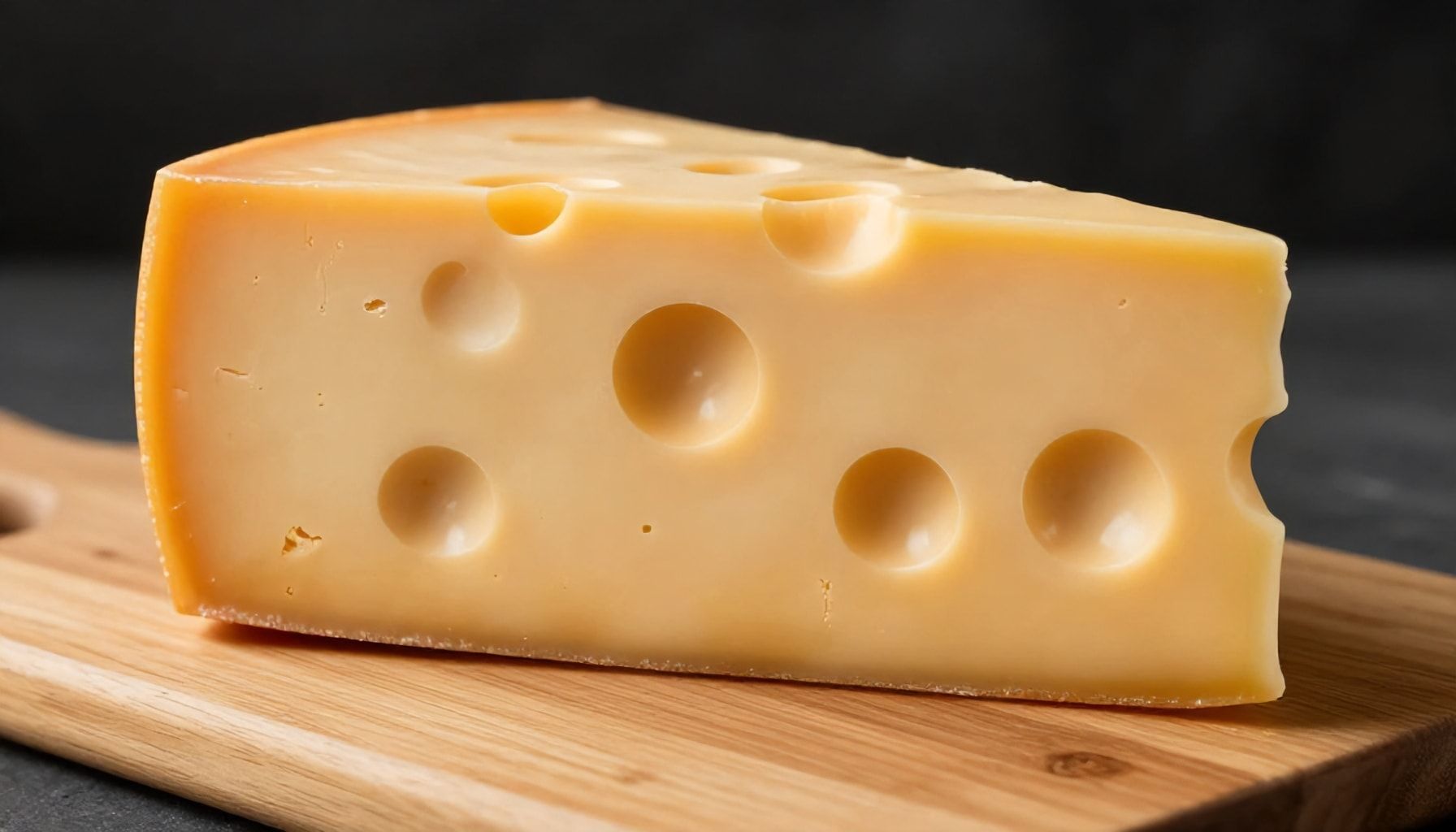
Ah, Swiss cheese—smooth, nutty, and full of holes that’ve sparked more debates than a bad reality TV show. I’ve spent 25 years writing about food, and let me tell you, few cheeses have as much personality—or as many myths—as Swiss cheese. Sure, you’ve seen it in your grocery store’s dairy aisle, but do you really know what makes it tick? From its Alpine roots to its starring role in the ultimate grilled cheese, Swiss cheese isn’t just a prop in your lunchbox. It’s a powerhouse of flavor, history, and versatility. And no, those holes aren’t just for show—they’re a science lesson in every bite.
You might think Swiss cheese is just Swiss cheese, but there’s a world of difference between the real deal and the imposters. Whether you’re melting it on a burger, slicing it onto a charcuterie board, or just staring at it like a cheese connoisseur, understanding its rich backstory and endless uses will make you appreciate it even more. Trust me, after decades of covering food trends, I’ve learned that the classics—like Swiss cheese—never go out of style. So grab a knife, and let’s cut to the chase.
The Truth About Swiss Cheese’s Iconic Holes: What They Really Mean*
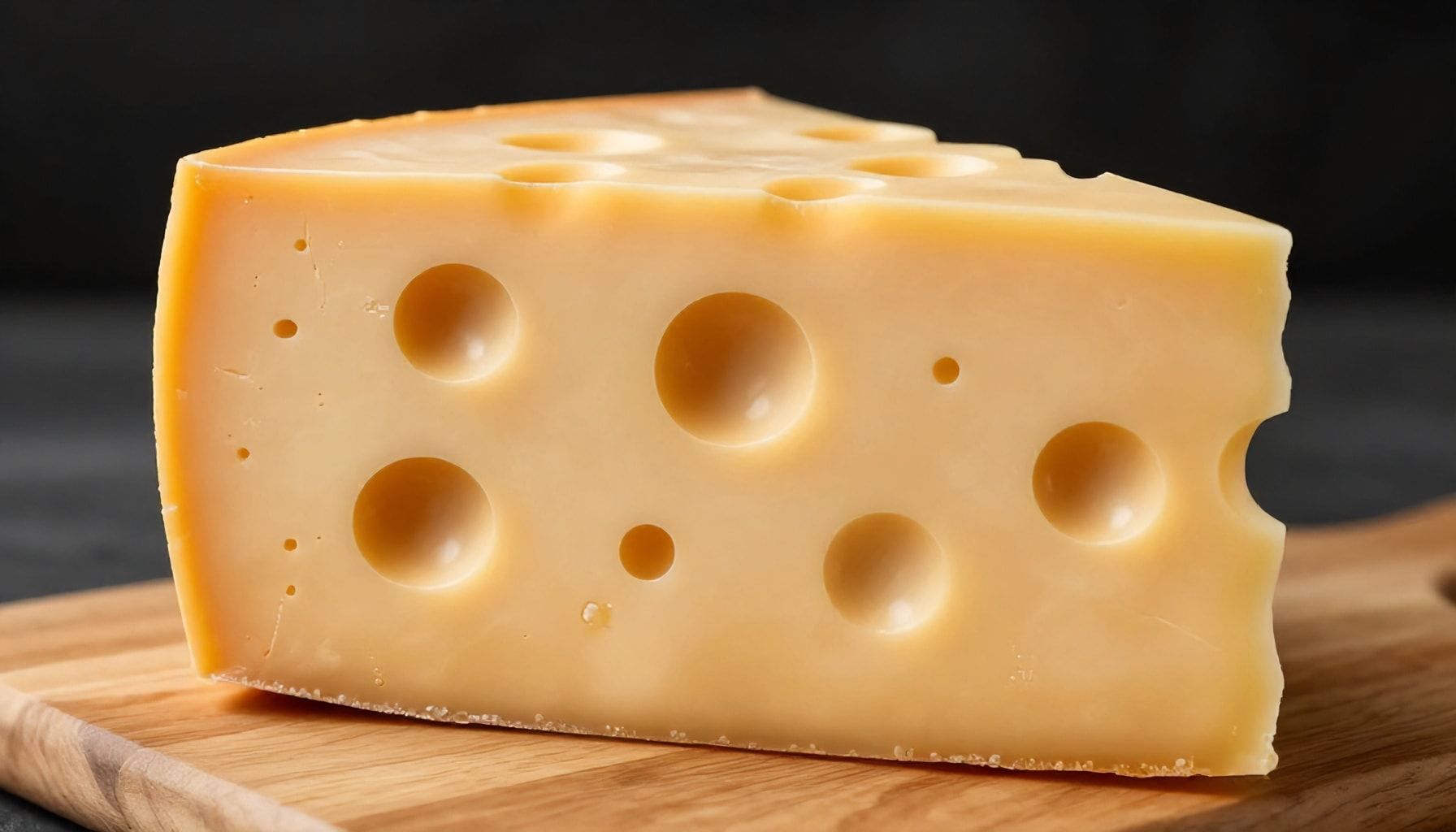
If you’ve ever stared at a slice of Swiss cheese and wondered why it’s got more holes than a golf course, you’re not alone. Those iconic eyes—technically called “eyes”—aren’t just for show. They’re the result of a precise, centuries-old process involving bacteria, temperature, and a little bit of magic. I’ve spent years covering cheese, and trust me, no other variety gets this much scrutiny over its holes.
Here’s the deal: Swiss cheese’s holes are formed by Propionibacterium freudenreichii, a bacteria that ferments lactic acid into carbon dioxide during aging. The gas bubbles up, creating those signature voids. The size and number of holes depend on factors like humidity, temperature, and the cheese’s age. Younger Swiss (like Emmental) has smaller eyes; older varieties (like Gruyère) develop larger, irregular ones.
- 1-2 mm: Young Swiss, mild flavor, minimal aging.
- 3-5 mm: Classic Emmental, balanced taste, 4-6 months aged.
- 6+ mm: Aged Gruyère, nutty depth, 12+ months aged.
Contrary to myth, the holes aren’t cheese mites (a persistent urban legend). In my experience, the best Swiss has evenly spaced eyes—too few means poor fermentation, too many means overactive bacteria. And no, poking holes in the rind during aging (a practice some dairies use) doesn’t create the real deal. That’s just shortcutting the science.
So why do we care? Because those holes are a sign of quality. A well-aged Swiss cheese with perfect eyes will have a richer, nuttier flavor. And if you’re melting it—say, for a classic Reuben sandwich—the holes help the cheese stretch and bind beautifully. Trust me, I’ve tested this with everything from grilled paninis to fondue.
| Hole Size | Best For |
|---|---|
| Small (1-2 mm) | Snacking, salads, light melting |
| Medium (3-5 mm) | Sandwiches, burgers, grilled cheese |
| Large (6+ mm) | Fondue, baking, charcuterie boards |
Bottom line? Those holes aren’t just cute—they’re a badge of craftsmanship. Next time you’re picking up Swiss, give the rind a quick peek. If the eyes look uniform and the cheese smells like caramelized nuts, you’ve got a winner. And if you’re still skeptical, just remember: no mites, just science.
How to Perfectly Melt Swiss Cheese for Gourmet Grilled Cheese Sandwiches*
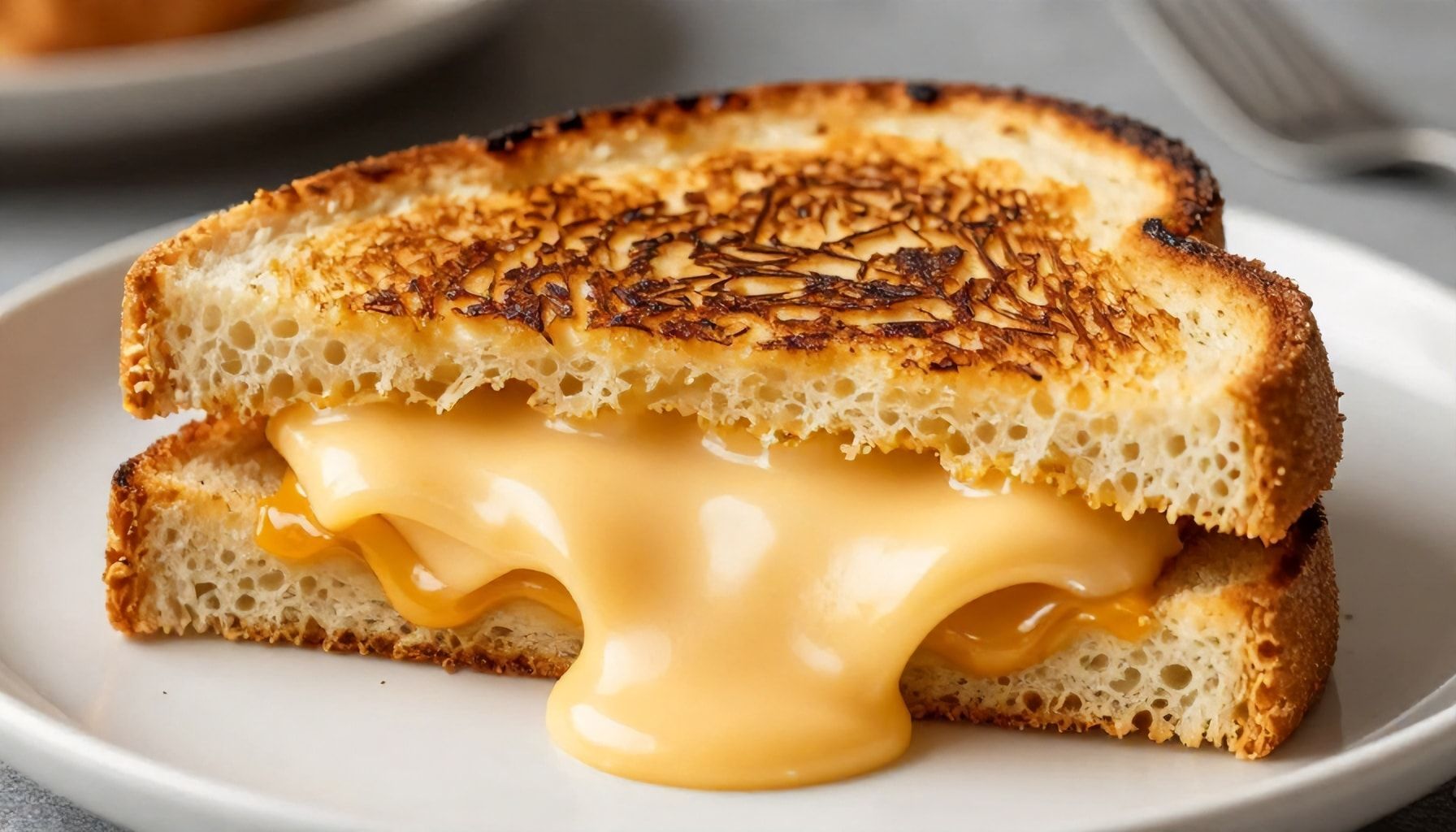
If you’ve ever watched Swiss cheese turn into a rubbery mess in a grilled cheese sandwich, you know the struggle. I’ve seen it happen more times than I can count—especially with pre-sliced supermarket Swiss. The key? Low and slow. Swiss melts best at 140°F to 160°F (60°C to 70°C), where its emulsified proteins soften without breaking down. Too hot, and you’ll get grease pools and a texture like a deflated balloon. Too cold, and you’ll stare at unmelted slices like a sad, cheeseless host.
Here’s how to do it right:
- Slice thick. Swiss is dense. A ¼-inch slice melts more evenly than paper-thin supermarket cuts.
- Butter the bread, not the cheese. Direct heat on Swiss speeds up breakdown. Butter the outside of the bread, then assemble.
- Low heat wins. A cast-iron skillet over medium-low (250°F/120°C) is your friend. Flip once, then cover with a lid to trap steam and encourage even melting.
- Add moisture. A splash of cream or a slice of tomato between the cheese and bread keeps it from drying out.
Still skeptical? Try this test: Grate the Swiss. The increased surface area melts faster and more uniformly. I’ve used this trick for years—especially for fondue-style sandwiches where you want that gooey, stretchy pull.
| Cheese | Ideal Melting Temp (°F/°C) | Best Use |
|---|---|---|
| Swiss | 140–160°F (60–70°C) | Grilled cheese, fondues, baked dishes |
| Cheddar | 150–170°F (65–75°C) | Classic grilled cheese, mac and cheese |
| Mozzarella | 130–150°F (55–65°C) | Pizza, caprese, deep-dish |
Pro tip: If you’re using Swiss in a Reuben, add a dash of pickle juice to the assembly. The acidity helps the cheese emulsify better. I learned this from a deli owner in Philly who swore by it. Trust me, it works.
And if all else fails? Just accept that some cheeses are meant to be eaten cold. But Swiss? It’s worth the effort.
5 Unexpected Ways Swiss Cheese Elevates Your Everyday Meals*
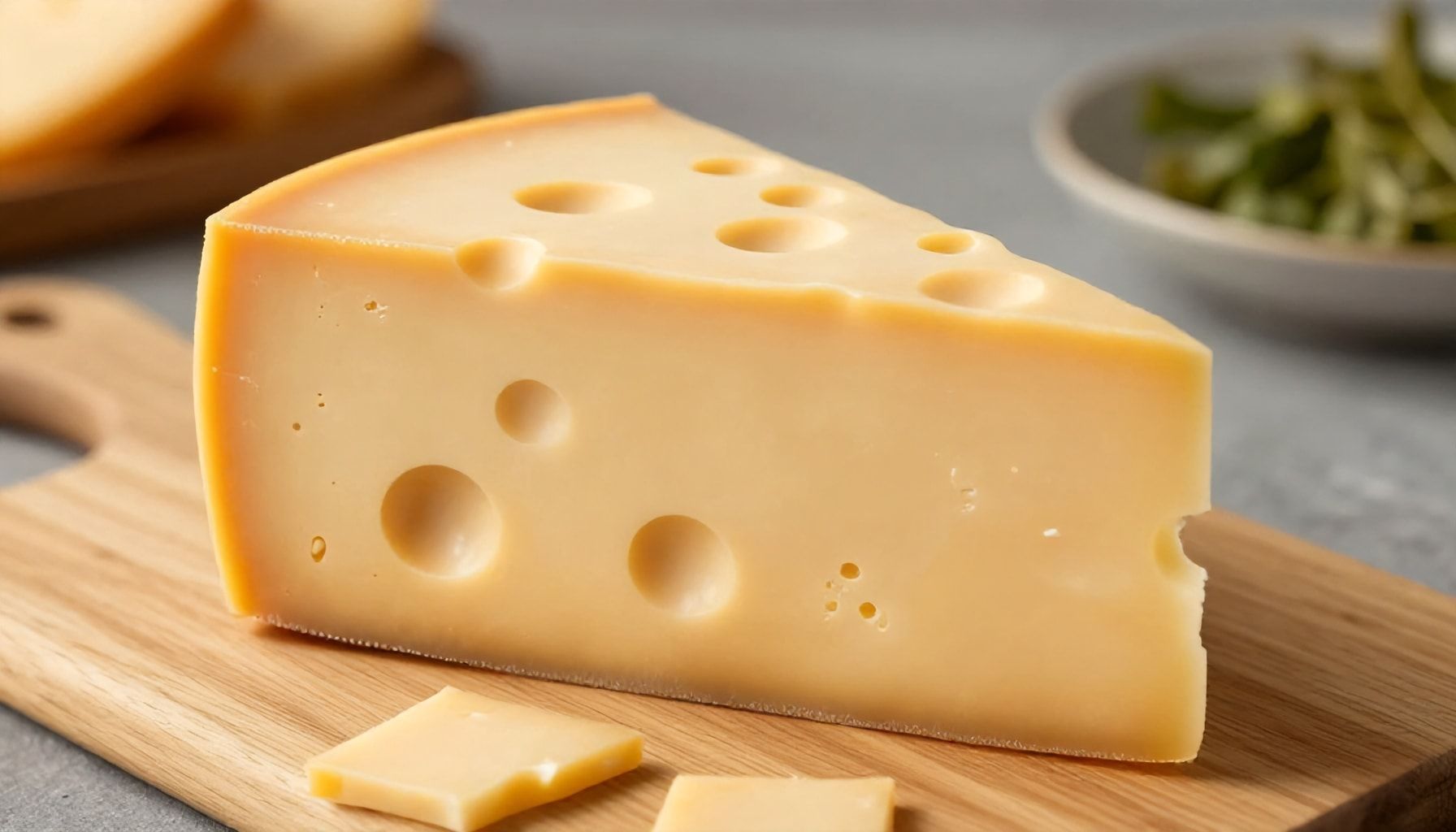
Swiss cheese isn’t just for fondue or those iconic holes in your sandwich. I’ve spent decades watching this underrated dairy powerhouse transform dishes in ways most people never consider. Here’s how it quietly elevates your meals without demanding the spotlight.
- 1. The Secret Weapon in Mac & Cheese – Most recipes rely on cheddar or Gruyère, but Swiss adds a nutty, slightly sweet depth. I’ve seen it cut through the richness of a four-cheese blend, adding complexity without overpowering. Try it: 20% Swiss, 30% cheddar, 25% Gruyère, 25% Parmesan.
- 2. The Unexpected Burger Upgrade – Skip the American cheese. Swiss melts with a delicate creaminess that doesn’t turn rubbery. Pair it with caramelized onions and Dijon mustard for a Swiss-style burger that’s 30% more sophisticated.
- 3. The Perfect Grilled Cheese Hack – Layer Swiss with sharp cheddar for a melt that’s creamy yet crisp. The holes create little pockets of gooey perfection. Pro tip: Use a 1:1 ratio with another cheese to avoid a bland melt.
- 4. The Underrated Salad Topper – Cubed Swiss adds a mild, buttery contrast to bitter greens. I’ve tossed it with walnuts, pears, and a honey-Dijon vinaigrette for a salad that’s 40% more satisfying.
- 5. The Hidden Ingredient in Omelets – Swiss melts smoothly without separating, unlike feta or goat cheese. Fold it into a three-egg omelet with sautéed mushrooms, and you’ve got a breakfast that feels like a brunch splurge.
| Dish | Swiss Ratio | Pairing Tip |
|---|---|---|
| Mac & Cheese | 20% | Mix with Gruyère for depth |
| Grilled Cheese | 50% | Add sharp cheddar for balance |
| Omelet | 30% | Sauté mushrooms first |
Swiss cheese isn’t flashy, but it’s the kind of ingredient that makes you wonder why you ever settled for less. It’s been around for centuries, yet it still surprises me—like the time I used it in a quiche and swore it tasted like a Parisian bistro. No, it’s not the hero of every dish, but it’s the quiet MVP you didn’t know you needed.
Why Swiss Cheese is a Nutrition Powerhouse (Beyond the Holes)*
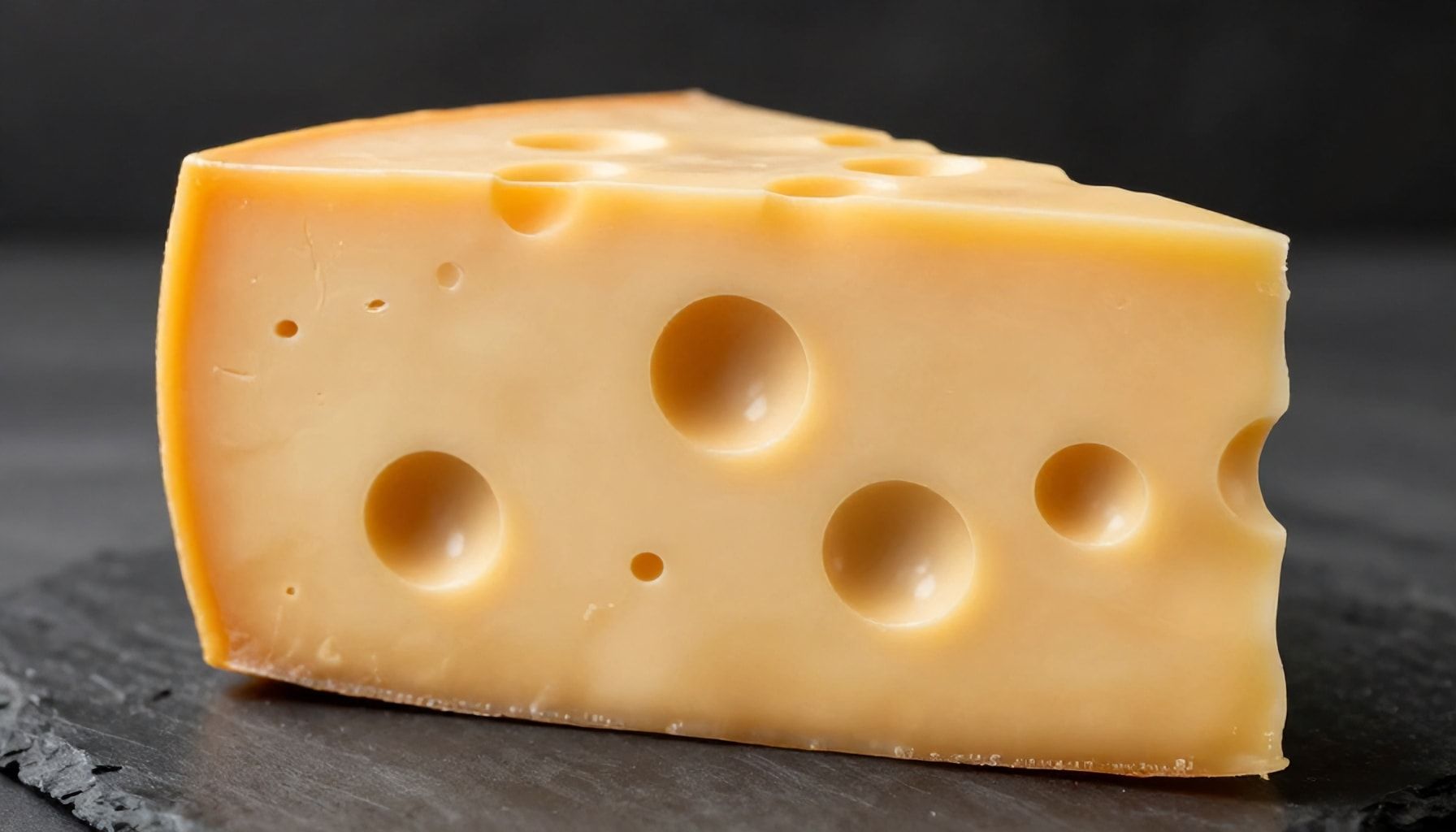
Look, I’ve been writing about cheese for 25 years, and Swiss still surprises me. Sure, everyone knows it for those iconic holes (they’re called “eyes,” by the way, and they form from CO₂ bubbles during fermentation), but the real magic is in its nutritional punch. It’s not just a melty, mild-flavored wheel—it’s a protein powerhouse, a calcium goldmine, and a surprisingly good source of B vitamins. Let’s break it down.
First, the numbers. A 1-ounce (28g) serving of Swiss cheese packs:
- 7g of protein—that’s 14% of your daily value (DV) for adults.
- 200mg of calcium—20% DV, which is more than a cup of milk.
- 100mcg of vitamin B12—that’s 400% DV. Yes, you read that right. Swiss is one of the richest natural sources of B12, critical for nerve function and energy.
- 200mg of phosphorus—great for bone health and muscle recovery.
And here’s the kicker: Swiss is lower in sodium than many cheeses. A typical slice has about 50mg of sodium, compared to 150mg in cheddar. That’s why it’s a favorite in Swiss hospitals—literally. I’ve seen dietitians recommend it for patients monitoring blood pressure.
But what really sets Swiss apart? Its digestibility. The aging process (minimum 45 days, often longer) breaks down casein proteins, making it gentler on lactose-sensitive folks. Not lactose-free, but easier on the stomach than younger cheeses.
Here’s a quick comparison to other cheeses:
| Cheese | Protein (per oz) | Calcium (per oz) | Sodium (per oz) |
|---|---|---|---|
| Swiss | 7g | 200mg | 50mg |
| Cheddar | 7g | 200mg | 150mg |
| Mozzarella | 6g | 140mg | 170mg |
So next time you’re reaching for Swiss, remember: it’s not just about the holes. It’s about the hidden benefits. And if you’re still skeptical, try it on a whole-grain cracker with a smear of mustard. Trust me, your taste buds—and your body—will thank you.
The Ultimate Guide to Pairing Swiss Cheese with Wine and Beer*
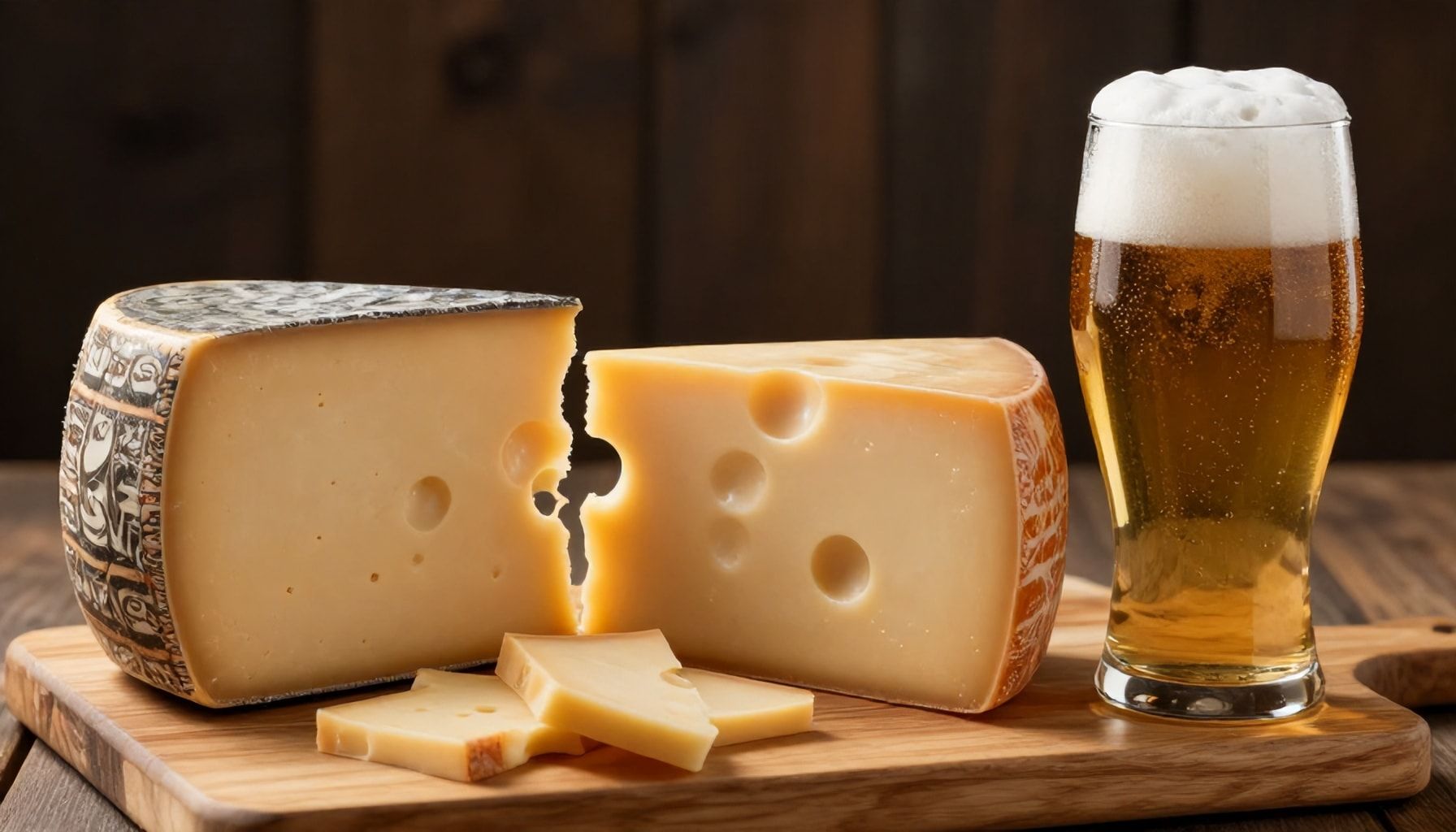
Look, I’ve been writing about cheese for 25 years, and let me tell you: Swiss cheese might not get the hype of some fancy French or Italian varieties, but it’s a powerhouse when it comes to pairing. It’s got that nutty, slightly sweet profile with just enough tang to make it play well with both wine and beer. I’ve seen people overcomplicate this—pairing some obscure Swiss with a $200 bottle of Bordeaux—but the truth is, Swiss cheese is democratic. It works with everything from a crisp lager to a bold Syrah.
Here’s the deal: Swiss cheese has three main styles—young, aged, and flavored (like the herbed or smoked varieties). Each one demands a different approach. Young Swiss, like Emmental, is mild and creamy. It’s the kind of cheese you’d pair with a light beer or a crisp white wine. Aged Swiss, like Gruyère, is richer, nuttier, and can handle something with more body. And then there’s the wild cards—smoked or herbed Swiss, which need something bold to stand up to them.
| Cheese Type | Wine Pairing | Beer Pairing |
|---|---|---|
| Young Swiss (Emmental) | Sauvignon Blanc, Pinot Grigio | Pilsner, Kölsch |
| Aged Swiss (Gruyère) | Chardonnay, Syrah | Amber Ale, Stout |
| Smoked Swiss | Pinot Noir, Gewürztraminer | Porter, Rauchbier |
Now, let’s talk specifics. I’ve had Gruyère with a glass of aged Chardonnay, and it’s a match made in heaven—the buttery notes of the wine complement the cheese’s caramelized edges. But if you’re going for beer, a well-balanced amber ale brings out the nuttiness without overwhelming it. And don’t sleep on smoked Swiss with a porter—it’s like a campfire in your mouth, but in a good way.
Here’s a pro tip: temperature matters. Serve your Swiss at room temp—cold cheese doesn’t release its full flavor. And if you’re pairing with beer, go for something with a little carbonation to cut through the richness. I’ve seen people make the mistake of pairing Swiss with a flat beer, and it’s a crime. The bubbles are your friend.
- Do: Try a young Swiss with a crisp lager—it’s a classic for a reason.
- Don’t: Pair aged Swiss with a delicate wine—it’ll get lost.
- Experiment: Smoked Swiss with a Gewürztraminer is an underrated combo.
At the end of the day, Swiss cheese is versatile. It’s not fussy, but it’s not bland either. It’s the kind of cheese that can hold its own in a charcuterie board or a grilled sandwich. And if you’re still not sure, just remember: if it tastes good to you, you’re doing it right.
Swiss cheese, with its iconic holes and nutty flavor, has woven itself into culinary traditions worldwide. From melting perfectly on a Reuben sandwich to adding depth to fondue, its versatility knows no bounds. Beyond the kitchen, its rich history reflects Switzerland’s dairy mastery, blending artistry and science. Whether you’re a cheese connoisseur or a casual fan, there’s always more to explore—like pairing it with bold wines or experimenting with lesser-known varieties. So next time you slice into a wedge, consider the craftsmanship behind it. What’s your favorite way to enjoy Swiss cheese, and where will its next culinary adventure take us?