Understanding Postpartum Hair Loss
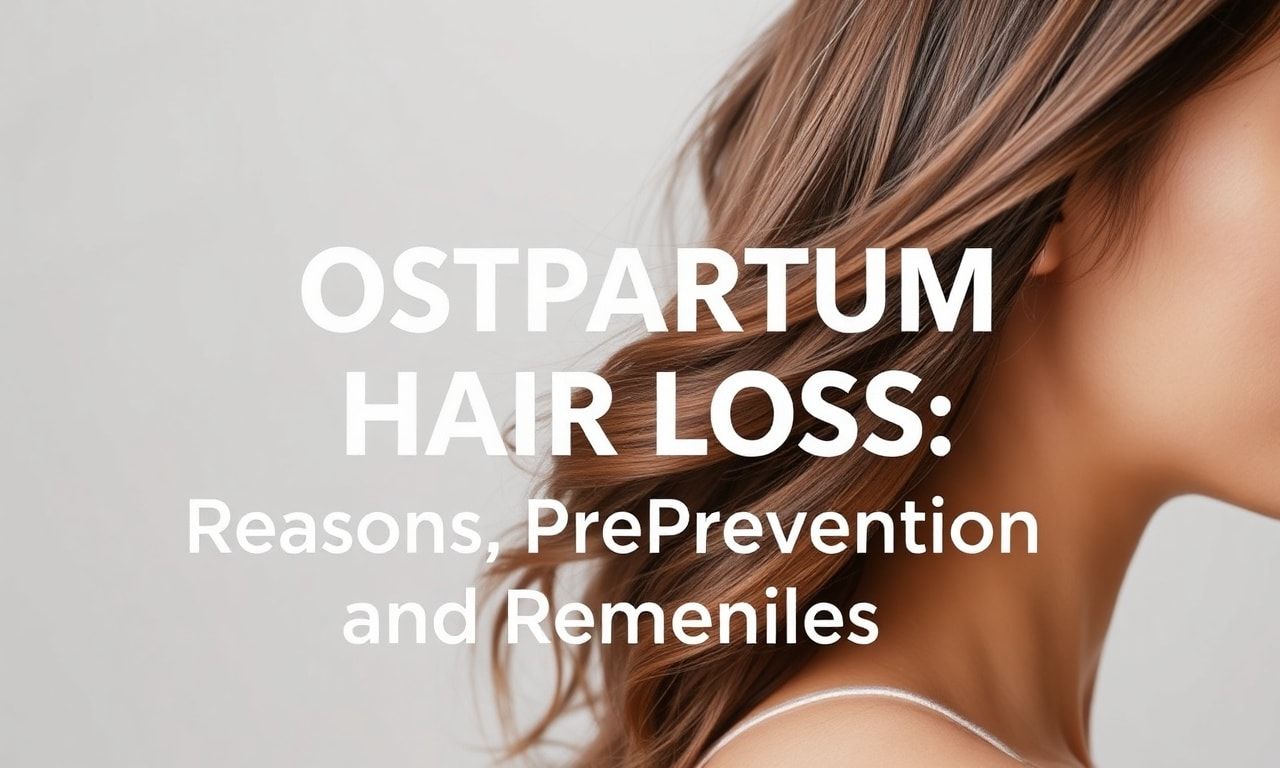
Pregnancy is a transformative journey that brings about numerous physical and emotional changes. Among these changes, postpartum hair loss is a common yet often overlooked topic. Many new mothers experience significant hair shedding after giving birth, which can be alarming but is usually temporary. Understanding the causes, prevention strategies, and available solutions can help manage this condition effectively.
Hormonal Changes and Hair Shedding
The primary cause of postpartum hair loss is the fluctuation in hormone levels. During pregnancy, increased levels of estrogen prolong the growth phase of hair, resulting in thicker, healthier hair. However, after childbirth, estrogen levels drop sharply, causing hair to enter the resting phase and eventually fall out. This process, known as telogen effluvium, can lead to noticeable hair thinning and shedding, typically peaking around three to six months postpartum.
Preventing Postpartum Hair Loss
While some degree of hair loss is inevitable due to hormonal changes, there are several strategies to minimize its impact. Maintaining a balanced diet rich in essential nutrients such as iron, protein, and vitamins can support hair health. Regular exercise and stress management techniques, such as meditation and yoga, can also promote overall well-being and potentially reduce hair loss. Additionally, gentle hair care practices, such as avoiding tight hairstyles and using mild shampoos, can help preserve hair strength and reduce breakage.
Nutritional Support for Hair Health
Proper nutrition plays a crucial role in maintaining healthy hair. Incorporating foods rich in biotin, zinc, and omega-3 fatty acids can support hair growth and reduce shedding. Leafy greens, nuts, fish, and eggs are excellent sources of these nutrients. Staying hydrated and consuming a variety of fruits and vegetables can also contribute to overall hair health. Consulting with a healthcare provider or a nutritionist can help tailor a diet plan that meets individual needs and supports hair recovery.
When to Seek Professional Help
For most women, postpartum hair loss is temporary and resolves within a year. However, if hair loss is severe, prolonged, or accompanied by other symptoms such as scalp irritation or patchy hair loss, it is essential to consult a healthcare professional. In some cases, underlying conditions such as thyroid disorders or nutritional deficiencies may contribute to hair loss and require medical intervention. A healthcare provider can perform a thorough evaluation and recommend appropriate treatments.
In cases where hair loss is significant and impacts self-esteem, considering a hair transplant for postpartum hair loss may be an option. Hair transplant procedures have advanced significantly and can provide natural-looking results. It is important to consult with a qualified specialist to explore the best options for individual needs and expectations.
Emotional Support and Self-Care
Postpartum hair loss can be emotionally challenging, especially for new mothers who are already navigating the demands of caring for a newborn. It is crucial to seek support from loved ones, join support groups, or consult a mental health professional if feelings of anxiety or depression arise. Practicing self-care, such as taking time for relaxation and engaging in activities that bring joy, can also help manage stress and promote emotional well-being.
Remember that postpartum hair loss is a common and temporary phase. With patience, proper care, and support, hair will gradually return to its normal growth cycle. Embracing this journey with self-compassion and seeking professional help when needed can make the process more manageable.
Conclusion
Postpartum hair loss is a natural and temporary condition caused by hormonal changes. While it can be distressing, understanding the causes, implementing preventive measures, and seeking professional help when necessary can help manage this phase effectively. Prioritizing self-care and emotional support is equally important in navigating the challenges of postpartum hair loss. With time and proper care, hair health can be restored, allowing new mothers to focus on the joys of motherhood.