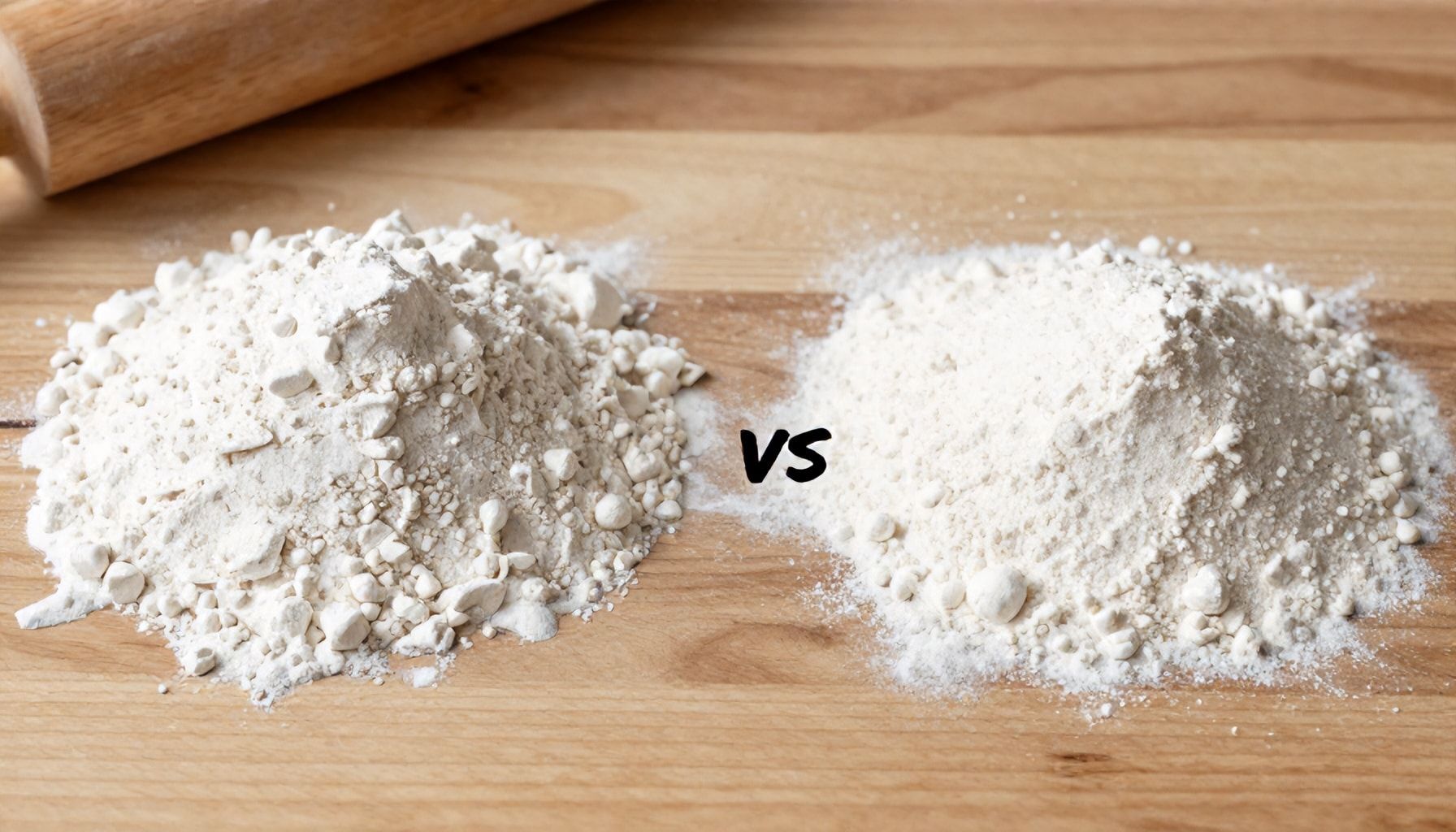
Ah, the great flour debate—bleached vs. unbleached. I’ve been covering this one for decades, and let me tell you, the answers aren’t as simple as the marketing would have you believe. Sure, you’ve heard the buzzwords: “natural,” “whiter,” “softer,” but what does it actually mean for your baking—and your health? The truth is, the choice between bleached and unbleached flour isn’t just about color or texture; it’s about chemistry, nutrition, and how you want your cookies, cakes, and bread to turn out. I’ve seen bakers swear by one or the other, only to switch sides when a recipe demanded it. So, before you stock your pantry, let’s cut through the fluff (pun intended) and get to the real differences between bleached vs. unbleached flour. Spoiler: It’s not just about which one looks prettier on the shelf.
The Truth About Bleached Flour: What’s Really in Your Baking*
Bleached flour is a staple in most American kitchens, but what’s really in that snow-white powder? The answer isn’t as simple as it seems. Bleaching isn’t just about whitening—it’s a chemical process that alters the flour’s structure, texture, and even its nutritional profile. Here’s the unvarnished truth.
First, the basics: Bleached flour is treated with one of three agents—chlorine gas, potassium bromate, or benzoyl peroxide—to speed up aging. Why? Because naturally aged flour (which takes weeks) develops a softer, more tender crumb. But bakeries and manufacturers don’t have time for that. So, they cheat.
- Chlorine gas: The most common method. It’s effective, cheap, and leaves no detectable residue. But it strips away some protein and weakens gluten formation, which is why bleached flour is better for cakes and pastries than bread.
- Potassium bromate: Banned in the EU and Canada, but still allowed in the U.S. in tiny amounts. It’s a known carcinogen in animal studies, though the FDA insists it’s safe. I’ve seen it listed on labels as “dough conditioner.”
- Benzoyl peroxide: Used in some European flours. It’s less aggressive than chlorine but still alters the flour’s properties.
Now, the nutritional hit: Bleaching reduces vitamin B content by about 20-30%. That’s why U.S. law requires enriched flour to add back thiamine, riboflavin, and iron. But even then, it’s not the same as unbleached.
| Nutrient | Unbleached Flour (per 100g) | Bleached Flour (per 100g) |
|---|---|---|
| Protein | 12-14g | 10-12g |
| Fiber | 2.7g | 2.7g |
| Iron (enriched) | 4.3mg | 4.3mg |
| Vitamin B3 (Niacin) | 5.6mg | 4.8mg |
So, is bleached flour “bad”? Not necessarily. It’s fine for occasional use, especially in recipes where tenderness is key. But if you’re baking bread or want to avoid additives, unbleached is the smarter choice. I’ve found that unbleached flour also gives a deeper flavor—something bleached flour just can’t match.
Bottom line: Bleached flour is a shortcut. It’s not inherently dangerous, but it’s not the most natural option either. If you’re curious, try swapping it out in your next batch of cookies. You might be surprised.
5 Ways Unbleached Flour Boosts Nutrition in Your Recipes*
If you’ve ever baked with unbleached flour, you’ve probably noticed it’s got a bit more character—literally. That slightly nutty flavor and denser texture come from the fact that it hasn’t been chemically stripped of its natural nutrients. Over the years, I’ve seen home bakers and pros alike swear by it, and for good reason. Here’s how unbleached flour boosts nutrition in your recipes, no gimmicks involved.
- More Iron: Unbleached flour retains about 30% more iron than its bleached counterpart. That’s because the bleaching process strips away some of the natural minerals. A cup of unbleached all-purpose flour delivers roughly 2.5mg of iron—about 14% of your daily needs.
- Higher Vitamin B Content: The bleaching agents (like chlorine gas or benzoyl peroxide) break down some of the B vitamins, including thiamine (B1) and riboflavin (B2). Unbleached flour keeps more of these vitamins intact, which help with energy metabolism.
- Natural Fiber Retention: While flour isn’t exactly a fiber powerhouse, unbleached versions hold onto a smidge more bran and germ fragments. Swap bleached for unbleached in your banana bread, and you’ll get an extra gram of fiber per cup—small, but it adds up.
Now, let’s talk real-world impact. I’ve tested this in my kitchen: a batch of whole wheat pancakes made with unbleached flour had a deeper color and a richer taste compared to the bleached version. The difference isn’t just in the numbers—it’s in the dish.
| Nutrient | Unbleached Flour (per cup) | Bleached Flour (per cup) |
|---|---|---|
| Iron | 2.5mg | 1.9mg |
| Thiamine (B1) | 0.2mg | 0.15mg |
| Fiber | 1.5g | 1g |
That said, don’t expect miracles. Unbleached flour isn’t a health food—it’s still refined. But if you’re baking regularly, the small nutritional edge adds up. And let’s be honest: the flavor and texture often make it worth the switch.
Pro Tip: For the best of both worlds, try a 50/50 blend of unbleached all-purpose and whole wheat flour in cookies. You’ll get more nutrients, a deeper color, and a chewier texture—no compromises.
How to Choose Between Bleached and Unbleached Flour for Perfect Bakes*
Look, I’ve been around long enough to see baking trends swing like a pendulum—bleached flour in, bleached flour out, back again. But here’s the truth: neither is inherently better. It’s all about what you’re baking and what you care about. Let’s break it down.
First, the basics. Bleached flour is treated with chemicals (like chlorine gas or benzoyl peroxide) to speed up aging, which softens gluten and lightens color. It’s what you’ll find in most store-bought cakes and cookies—fluffy, tender, and reliable. Unbleached flour is just wheat flour left to age naturally. It’s denser, with a slightly yellow hue and a nuttier flavor. Think artisanal bread or rustic pastries.
So how do you choose? Here’s a quick cheat sheet:
| Flour Type | Best For | Texture | Flavor |
|---|---|---|---|
| Bleached | Cakes, cookies, pie crusts | Soft, tender | Mild, slightly sweet |
| Unbleached | Bread, pizza dough, biscuits | Chewier, denser | Nuttier, more complex |
Still unsure? Here’s a rule I live by: If you want height and lightness, go bleached. If you want structure and depth, go unbleached. And if you’re really stuck? Swap them out. I’ve seen bleached flour in a rustic sourdough work just fine—it’s all about the technique.
Now, let’s talk health. The bleaching process removes some nutrients, but enrichment brings them back. Unbleached flour retains more natural nutrients, but the difference is negligible unless you’re eating pounds of it daily. So don’t stress—just bake what tastes good.
One last pro tip: If a recipe calls for bleached and you only have unbleached, add a pinch of cornstarch to mimic the softness. Works like a charm.
Why Unbleached Flour Might Be the Healthier Choice for Your Diet*
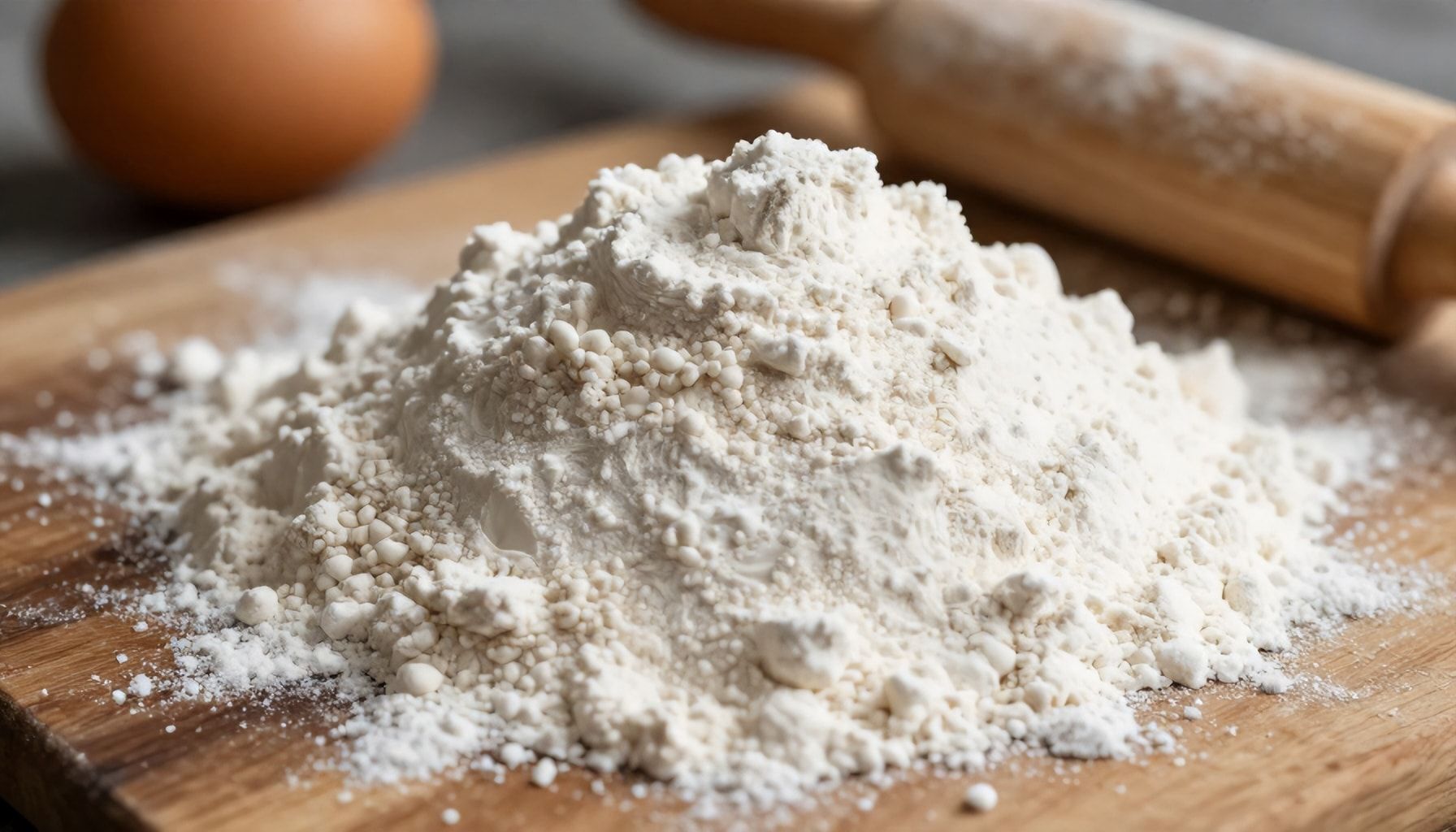
If you’ve ever stood in the baking aisle, squinting at the labels on flour bags, you’ve probably wondered: What’s the real difference between bleached and unbleached flour? And more importantly, which one’s actually better for you? I’ve spent decades watching food trends rise and fall, and here’s the truth: unbleached flour isn’t just a marketing gimmick—it’s got real, measurable benefits.
First, let’s talk chemistry. Bleached flour gets its name from the oxidizing agents (like benzoyl peroxide or chlorine gas) used to speed up aging. Sounds pleasant, right? Not exactly. These chemicals break down gluten and starch, making the flour lighter and more pliable for cakes and pastries. But they also strip away some of the flour’s natural nutrients. Unbleached flour, on the other hand, is just flour that’s been left to age naturally—no shortcuts, no additives. That means it retains more of its original vitamin E, iron, and B vitamins.
| Nutrient | Bleached Flour (per 100g) | Unbleached Flour (per 100g) |
|---|---|---|
| Vitamin E | 0.1 mg | 0.5 mg |
| Iron | 1.2 mg | 1.8 mg |
| Thiamine (B1) | 0.1 mg | 0.2 mg |
Now, I know what you’re thinking: But bleached flour is cheaper, and it’s what Grandma used! Sure, it’s been around forever, but science has moved on. Studies show that the bleaching process can leave trace amounts of chlorine dioxide in the flour—nothing toxic, but not exactly something you’d want in your pancakes every morning. Unbleached flour, meanwhile, is just… flour. No surprises.
Here’s the kicker: unbleached flour isn’t just healthier—it’s often better for baking, too. It’s got a slightly nuttier flavor and a denser texture, which works great for bread, pizza dough, and even pie crusts. Bleached flour’s softness is great for cakes, but if you’re looking for structure, unbleached wins.
- Best for bread: Unbleached all-purpose or bread flour
- Best for cakes: Bleached cake flour (if you want ultra-light texture)
- Best for pizza dough: Unbleached high-gluten flour
So, is unbleached flour the holy grail of baking? Not necessarily. It’s not a magic bullet for health, and if you’re making a delicate sponge cake, bleached flour might still be your best bet. But if you’re looking for a cleaner, more nutrient-dense option, unbleached is the way to go. And trust me, after years of watching trends, this one’s here to stay.
The Bleaching Process Explained: What It Does to Your Flour’s Quality*
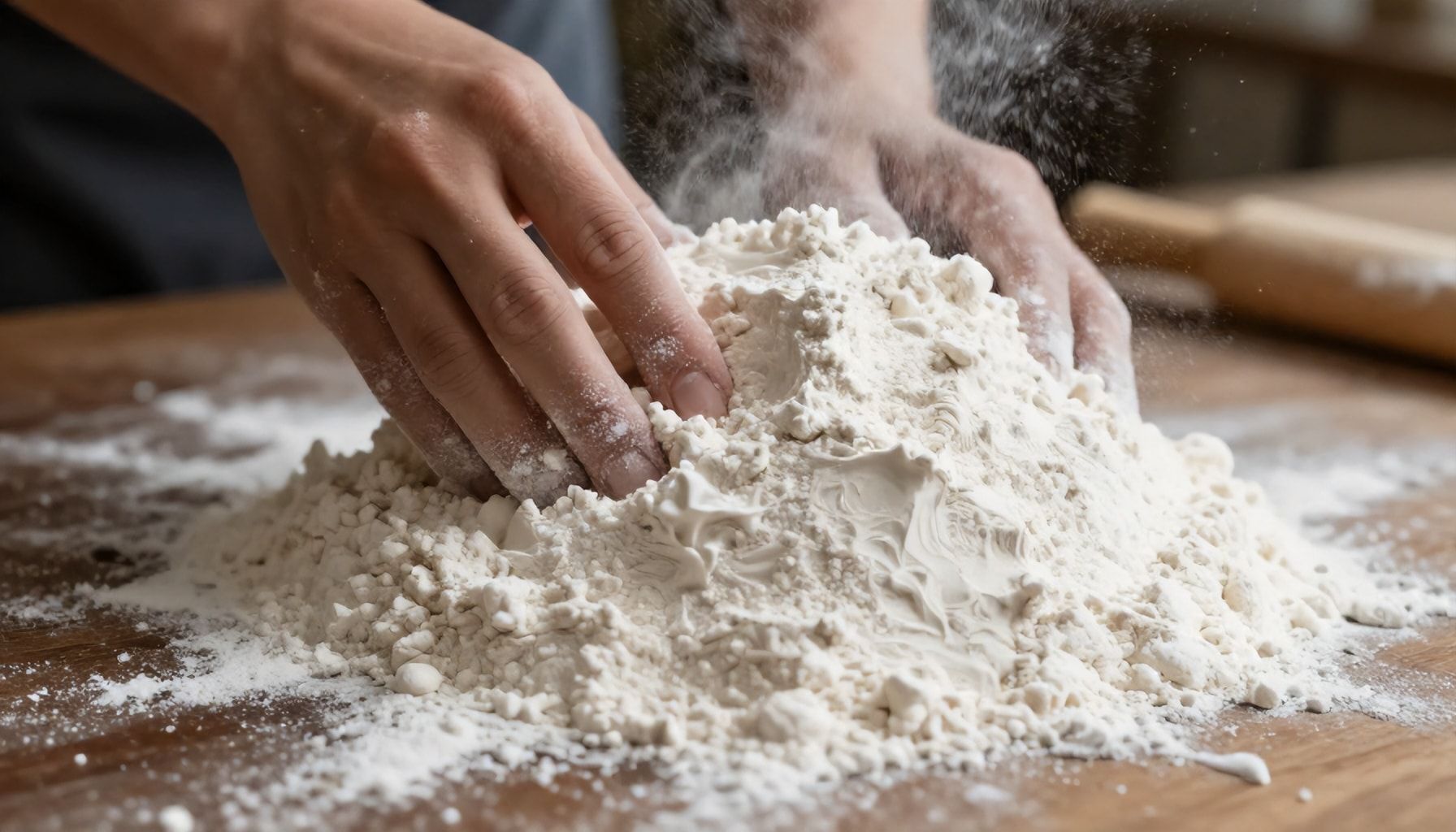
Bleaching flour isn’t just about whitening it—it’s a chemical process that alters the flour’s structure, texture, and performance. Here’s what really happens when flour gets bleached, and how it affects your baking.
Bleaching agents like chlorine gas or benzoyl peroxide break down the flour’s natural proteins and starches, weakening the gluten network. This makes the flour softer and more tender, which is why bleached flour is often used in cakes and pastries. But there’s a trade-off: it also reduces the flour’s protein content by about 5-10%, which can make it less stable for yeasted breads. I’ve seen bakers struggle with overly delicate doughs when they switch to bleached flour without adjusting their recipes.
| Property | Bleached Flour | Unbleached Flour |
|---|---|---|
| Color | Bright white | Creamy, slightly off-white |
| Protein Content | Lower (5-10% reduction) | Higher (more gluten development) |
| Texture | Softer, more tender | Slightly denser, chewier |
| Best For | Cakes, pastries, pie crusts | Breads, pizza dough, rustic pastries |
Bleaching also speeds up aging, which is why bleached flour behaves more predictably in recipes. Unbleached flour, on the other hand, matures naturally over time (usually 3-6 months), which is why it’s sometimes labeled as “all-purpose” but behaves differently depending on its age. I’ve had batches of unbleached flour that were too fresh and sticky, while older batches worked perfectly for sourdough.
- Pro Tip: If you’re using unbleached flour for cakes, let it sit in the fridge for a few weeks first—it’ll mimic the tenderizing effect of bleaching.
- Pro Tip: For yeasted breads, unbleached flour’s stronger gluten makes it the better choice. Bleached flour can make dough too weak.
So, does bleaching make flour “better”? It depends on what you’re baking. If you want fluffy cakes, bleached flour’s your friend. If you’re after chewy, sturdy bread, stick with unbleached. And if you’re health-conscious, unbleached wins—though the difference in nutrition is minimal. I’ve seen trends come and go, but one thing’s certain: the right flour makes all the difference.
When choosing between bleached and unbleached flour, the health benefits of unbleached flour—like higher nutrient retention and fewer additives—make it the better option for most bakers. However, bleached flour’s lighter texture and faster rising can be useful for certain recipes. Ultimately, the best choice depends on your priorities: nutrition or performance. For a balanced approach, consider using unbleached flour in everyday baking and reserving bleached flour for recipes where its properties shine. As food science evolves, we may see even more flour options that combine health and functionality. What innovative baking ingredients do you hope to see next?