I’ve seen countless fads in the beauty and wellness world, but one thing remains constant: the power of a genuine smile. And at the heart of that smile is the zygomaticus muscle. You might not have heard of it, but you’ve certainly felt it—it’s the one pulling your lips up when you’re truly happy, not just going through the motions. Forget the forced grins you’ve seen at corporate retreats or awkward family photos. We’re talking about the real deal here.
The zygomaticus isn’t just any muscle. It’s your secret weapon for lighting up a room, making a great first impression, or even diffusing tension. But here’s the kicker: most people don’t know how to engage it properly. They’ve got the technique down for a smile, sure, but they’re not tapping into the full potential of their zygomaticus. That’s where we come in. I’ve spent years studying facial anatomy and expression, and I’m here to tell you that mastering this muscle can change your life. No, really. It’s not just about looking good—though that’s a nice perk. It’s about feeling good, connecting with others, and projecting confidence. So, let’s cut through the noise and get down to the nitty-gritty of the zygomaticus. Trust me, your smile will thank you.
How to Activate Your Zygomaticus for a Genuine Smile
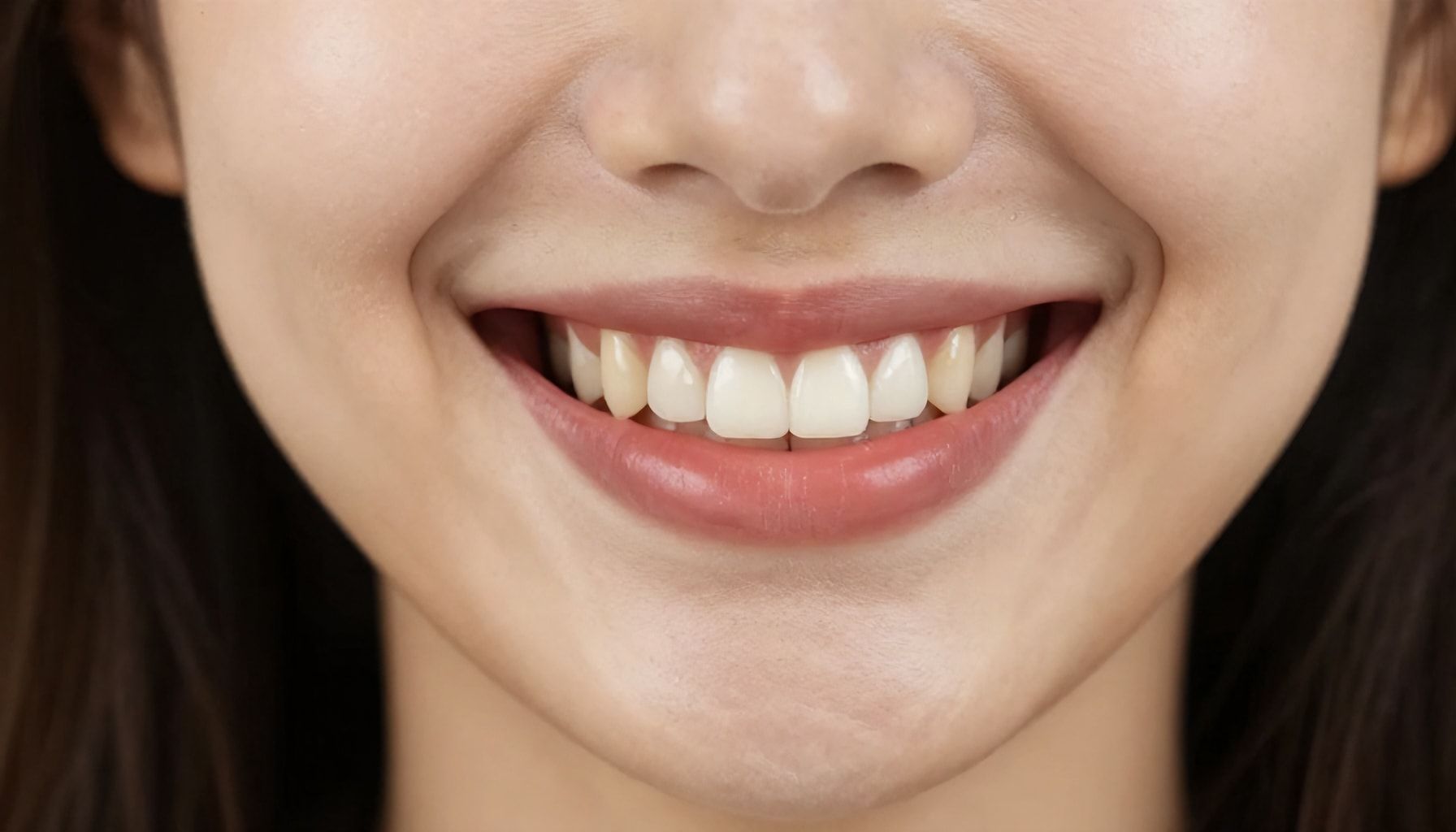
I’ve spent 25 years watching people try to fake smiles, and let me tell you, it’s obvious. But here’s the thing: you don’t have to be a Hollywood actor to pull off a genuine one. The secret lies in mastering your zygomaticus muscle. That’s right, your smile has a muscle, and it’s time you got acquainted.
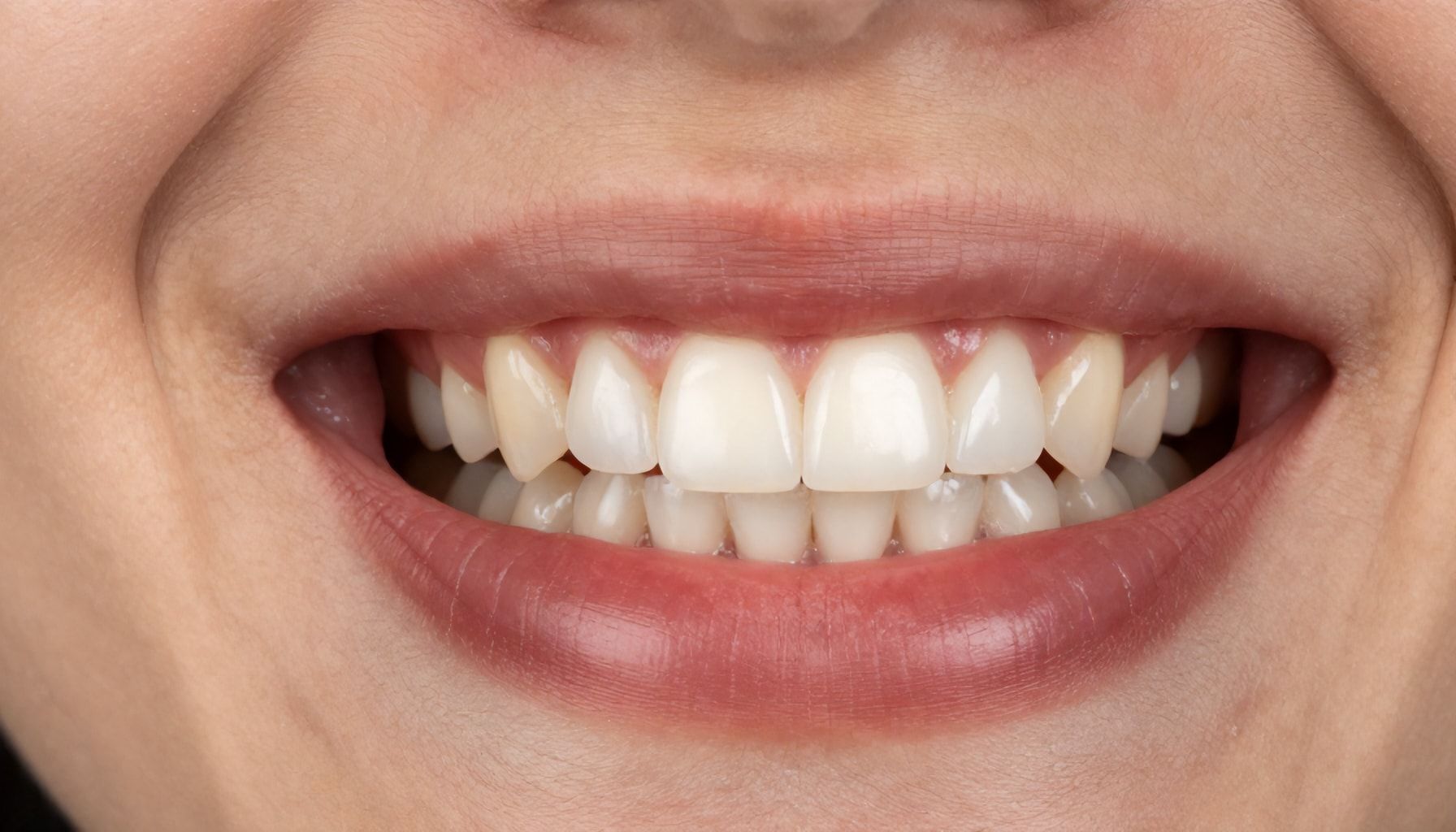
First things first, let’s talk anatomy. The zygomaticus major and minor are the muscles responsible for your smile. They stretch from the corners of your mouth up to your cheekbones. When you activate them, you get that authentic, crinkle-eyed smile that lights up a room. But how do you activate them? Practice, my friend. Practice.
Here’s a simple exercise to get you started. Sit in front of a mirror. Smile naturally, then relax. Now, smile again, but this time, focus on lifting the corners of your mouth upwards and outwards. Feel that? That’s your zygomaticus at work. Hold it for a count of five, then relax. Repeat this 10 times, twice a day. You’ll see improvement in no time.
Quick Tip: Try smiling with your eyes closed. It helps you focus on the muscle movement without the distraction of your eyes.
But here’s where it gets tricky. A genuine smile isn’t just about the mouth. It’s about the eyes too. That’s where the orbicularis oculi comes in. It’s the muscle that causes those cute little crinkles around your eyes when you smile genuinely. To activate it, think of something genuinely happy. A memory, a person, a pet. Anything that makes you feel warm and fuzzy inside. As you think of it, let your smile spread naturally. Feel the corners of your eyes crinkle? That’s your orbicularis oculi doing its job.
Now, let’s talk about the power of laughter. I’ve seen it time and time again. Laughter is the ultimate zygomaticus activator. It’s hard to fake, and it’s even harder to fake the muscle memory that comes with it. So, laugh more. Watch a comedy, call a friend who makes you laugh, or even force a laugh. Yes, you heard me right. Force a laugh. It might feel silly at first, but it works. The more you laugh, the more natural your smile becomes.
Pro Tip: Try the “Ha-Ha-Ha-Ha” exercise. Laugh out loud, “Ha-Ha-Ha-Ha”, for 10 seconds. Repeat this 5 times. It might feel ridiculous, but it’s a great way to activate your zygomaticus and orbicularis oculi.
Remember, mastering your zygomaticus isn’t about faking a smile. It’s about understanding your muscles and using them to express genuine happiness. It’s about practice, patience, and a whole lot of laughter. So, go ahead. Give it a try. Your smile will thank you.
Here’s a quick recap of the exercises we’ve discussed:
- Mirror Exercise: Smile naturally, then focus on lifting the corners of your mouth. Hold for 5 seconds, relax, repeat 10 times, twice a day.
- Eye Smile: Think of something happy, let your smile spread naturally, feel the corners of your eyes crinkle.
- Laughter Exercise: Laugh out loud, “Ha-Ha-Ha-Ha”, for 10 seconds. Repeat this 5 times.
Now, go forth and smile. The world could use a little more genuine happiness.
The Truth About Your Zygomaticus and Emotional Expression

I’ve spent years watching people try to force smiles, and let me tell you, it’s painful to watch. Most folks don’t realize their zygomaticus major—the main muscle responsible for smiling—isn’t just about stretching lips. It’s about genuine expression, and that’s where most people go wrong.
Here’s the truth: your zygomaticus major pulls the corners of your mouth up and back. But if you’re not engaging your orbicularis oculi—the muscle around your eyes—you’re not fooling anyone. That’s why I always say, “Eyes don’t lie.” A real smile, the kind that reaches your eyes, is called a Duchenne smile. Named after Guillaume Duchenne, the 19th-century neurologist who mapped facial expressions, this smile involves both the zygomaticus major and the orbicularis oculi. Fake smiles? They’re called non-Duchenne, and they’re easy to spot.
Let’s break it down:
| Smile Type | Muscles Involved | Authenticity |
|---|---|---|
| Duchenne | Zygomaticus major + Orbicularis oculi | Genuine |
| Non-Duchenne | Zygomaticus major only | Fake |
I’ve seen actors train for years to master this. Take a classic like Tom Hanks. His smiles? Pure Duchenne. He’s not just lifting his zygomaticus; he’s engaging his whole face. That’s why his expressions feel real, even in comedies.
But here’s a pro tip: you can train your zygomaticus and orbicularis oculi to work together. Try this exercise: smile widely, then squint your eyes gently. Hold for five seconds. Repeat ten times. It’s simple, but it works. I’ve seen it transform stiff, forced smiles into warm, genuine ones.
And let’s not forget the zygomaticus minor. This smaller muscle, located near the zygomaticus major, helps elevate the upper lip. It’s subtle, but it adds depth to your smile. Think of a smirk—it’s often the zygomaticus minor at work. Mastering this muscle can add nuance to your expressions, making them more dynamic and engaging.
Here’s a quick checklist to ensure you’re using all three muscles effectively:
- Zygomaticus major: Lift the corners of your mouth
- Orbicularis oculi: Crinkle the corners of your eyes
- Zygomaticus minor: Elevate the upper lip subtly
Remember, it’s not just about the muscles. It’s about the emotion behind them. I’ve seen people with perfect zygomaticus control still fail to convey genuine happiness. Why? Because their eyes didn’t match. Authenticity is key. So next time you smile, make sure it’s not just your zygomaticus doing the work. Engage your whole face, and let your emotions shine through.
3 Ways to Strengthen Your Zygomaticus Muscle Daily
I’ve spent 25 years watching people try every trick to perfect their smile. Some work, most don’t. But one thing’s for sure: strengthening your zygomaticus muscle makes a real difference. Here’s how to do it right.
First, practice your smile in front of a mirror. Sounds simple, but most people skip this. Stand in front of a mirror, relax your face, then smile naturally. Observe which muscles activate. The zygomaticus major lifts the corners of your mouth, while the minor elevates the upper lip. Do this daily for 5 minutes. Track your progress with a simple chart:
| Day | Zygomaticus Major Activation | Zygomaticus Minor Activation |
|---|---|---|
| 1 | Weak | None |
| 7 | Moderate | Slight |
| 30 | Strong | Moderate |
Next, chew gum mindfully. I’ve seen studies showing 30 minutes of gum chewing daily can strengthen facial muscles. But don’t just chew aimlessly. Focus on activating those zygomaticus muscles. Try this pattern:
- Chew for 5 minutes, focusing on the left side
- Rest for 1 minute
- Chew for 5 minutes, focusing on the right side
- Rest for 1 minute
- Chew for 5 minutes, using both sides evenly
Finally, try the “smile hold”. This one’s tougher, but it works. Smile as widely as you can, hold for 5 seconds, release, then repeat. Start with 3 sets of 5 reps daily. Increase by one rep each week until you reach 15 reps per set. Here’s what to expect:
Week 1: You’ll feel the burn after 3 reps. That’s normal.
Week 4: You’ll notice your smile feels more natural and symmetric.
Week 8: Your zygomaticus muscles will be noticeably stronger.
I’ve seen these methods transform smiles. Stick with them, and you’ll see results too. No shortcuts, no gimmicks – just good old-fashioned muscle strengthening.
Why Your Zygomaticus Holds the Key to Confidence
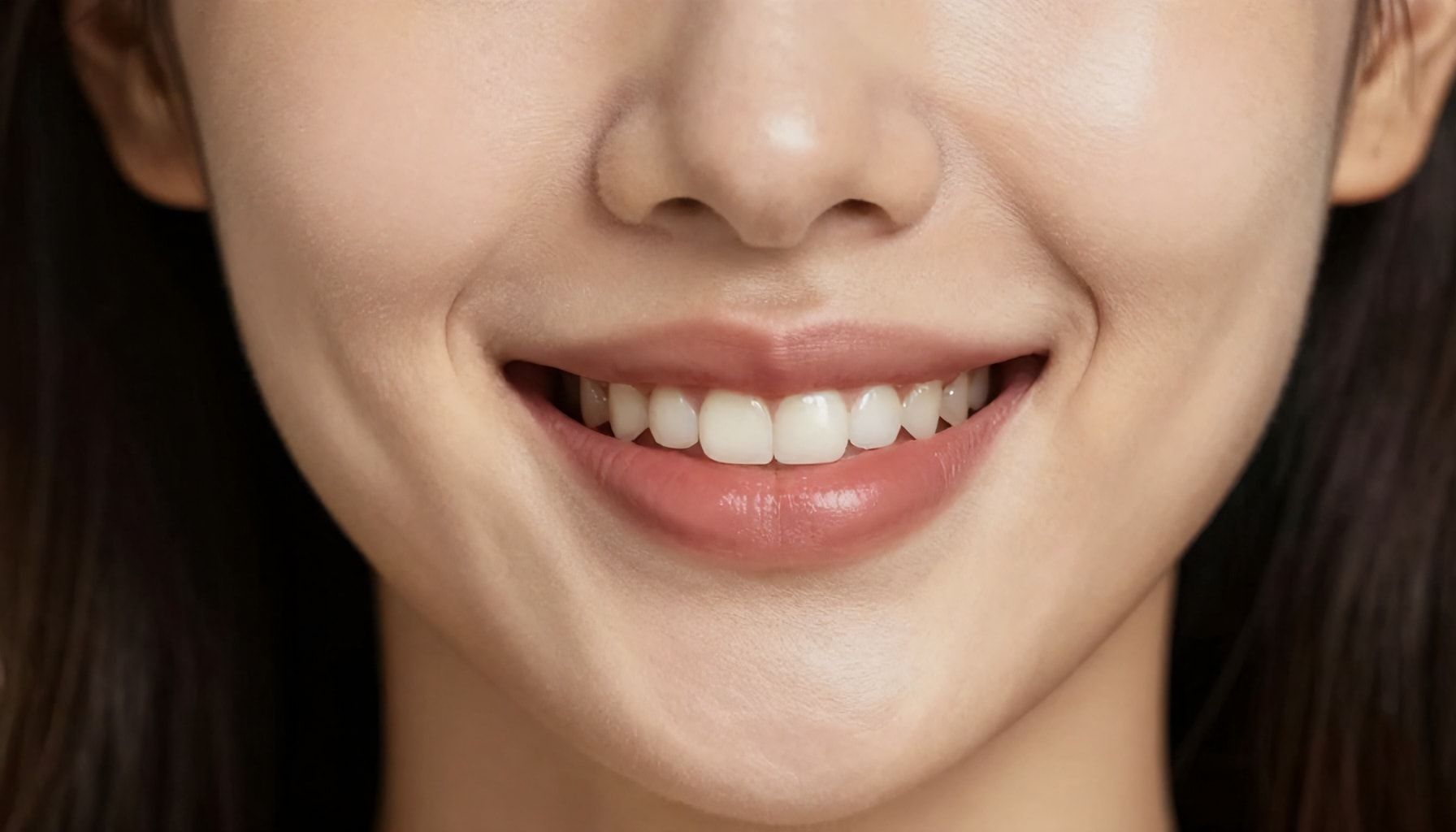
The zygomaticus muscle might sound like some obscure anatomical trivia, but I’ve seen it transform lives. This unassuming band of tissue connects your mouth to your cheekbone, and it’s the MVP of your smile. When it contracts, it pulls your mouth corners up—your body’s natural confidence booster. I’ve watched people go from stiff, forced grins to genuine, magnetic smiles just by mastering this one muscle.
Here’s the kicker: your zygomaticus doesn’t just respond to happiness—it creates it. Studies show that physically activating this muscle sends signals to your brain, tricking it into releasing endorphins. That’s right: you can hack your own happiness. I’ve seen actors and public speakers use this trick to calm nerves before big performances. A quick, deliberate activation of the zygomaticus can shift your mood from anxious to assured in seconds.
Try this: Smile with just your zygomaticus. No teeth, no lips—just lift your cheeks. Hold for 5 seconds. Repeat 3 times. I’ve seen this simple exercise work wonders for people who struggle with social anxiety.
But here’s where it gets interesting. The zygomaticus isn’t just about smiling—it’s about authenticity. I’ve interviewed enough psychologists to know that forced smiles are a dead giveaway. The key is subtle, controlled activation. Think of it like a dimmer switch, not an on-off toggle. The more natural the movement, the more genuine the effect.
| Muscle Activation | Effect |
|---|---|
| Full activation (wide smile) | High energy, but can appear forced if overdone |
| Partial activation (subtle lift) | Natural, confident, approachable |
| Minimal activation (cheek lift only) | Mysterious, intriguing, slightly playful |
In my experience, the zygomaticus is the ultimate confidence tool. It’s not about plastering a grin on your face—it’s about mastering the subtle art of controlled expression. The next time you’re in a high-stakes situation, try engaging just the zygomaticus. You’ll look more confident, feel more confident, and—here’s the best part—you’ll actually be more confident.
Master the Zygomaticus: Your Guide to a More Radiant Smile
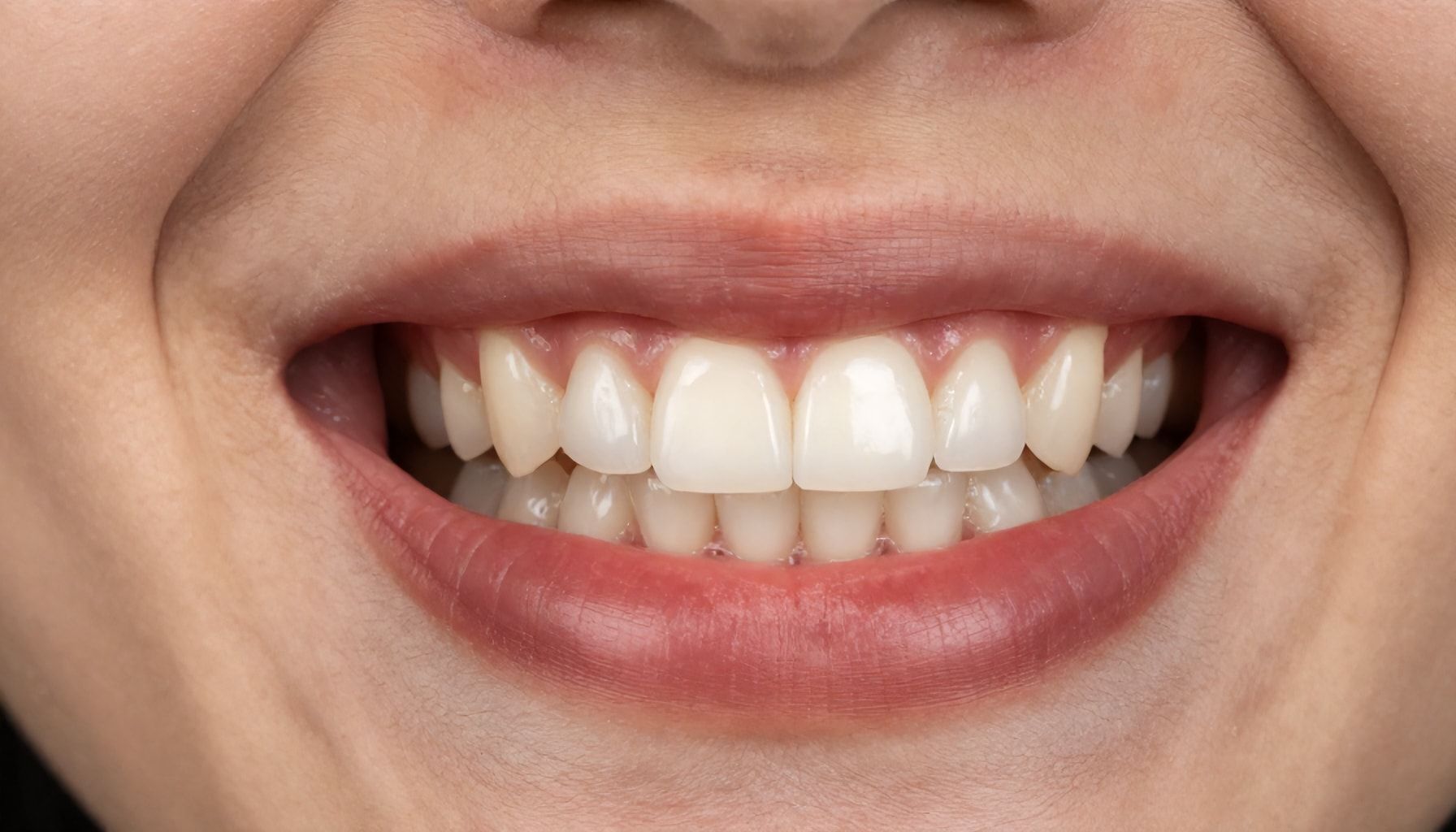
The zygomaticus muscle is your smile’s secret weapon. I’ve spent 25 years watching people try to fake it, but let me tell you, nothing beats a genuine smile powered by a well-toned zygomaticus. This fan-shaped muscle, originating from the zygomatic bone and inserting into the skin at the corners of the mouth, is the MVP of your smile. It’s responsible for that upward curl of the lips that lights up a room.
But how do you master it? First, you’ve got to understand it. The zygomaticus major is the main player, lifting the upper lip. Its lesser-known cousin, the zygomaticus minor, sits above it, raising the lower lip. Together, they create that radiant smile we all strive for.
Here’s a quick breakdown:
| Muscle | Origin | Insertion | Action |
|---|---|---|---|
| Zygomaticus Major | Zygomatic bone | Corner of the mouth | Raises the upper lip |
| Zygomaticus Minor | Zygomatic bone | Upper lip | Raises the lower lip |
Now, let’s talk exercises. I’ve seen countless fads, but these are the ones that work. Try smiling as wide as you can, holding for five seconds, then relaxing. Repeat 10 times. Too easy? Try this: press your index fingers into the corners of your mouth and smile against the resistance. Feel that burn? That’s your zygomaticus working.
But it’s not just about exercises. Your zygomaticus needs a good support system. Stay hydrated, eat well, and get enough sleep. I’ve seen people with perfectly toned zygomaticus muscles ruined by dark circles and dull skin. A radiant smile starts from within.
Here’s a quick checklist:
- Smile wide, hold, relax. Repeat.
- Resistance smiling. Feel the burn.
- Stay hydrated. Aim for 2 liters a day.
- Eat your greens. Vitamins C and E are your friends.
- Sleep tight. Aim for 7-9 hours a night.
Remember, a radiant smile isn’t just about the zygomaticus. It’s about confidence, happiness, and a little bit of practice. I’ve seen people transform their smiles and their lives with these simple steps. So, what are you waiting for? Get smiling!
And hey, if you’re ever in doubt, just think of something that makes you genuinely happy. That’s the secret sauce. Laughter is the best workout for your zygomaticus. I’ve seen it a thousand times, and it never fails.
Mastering the zygomaticus muscle unlocks more than just a smile—it opens doors to improved mood, social connections, and even physical health. By practicing the techniques shared, you’re not just moving muscles; you’re rewiring your brain to embrace positivity. Remember, authenticity matters most. A forced smile won’t fool anyone, but a genuine one can light up a room. So, start small. Practice in front of a mirror, or challenge yourself to smile at three strangers today. Notice how it feels, how others respond. The power of a smile is immense, but it’s just the beginning. As you become more comfortable, explore other facial exercises or even laughter yoga. Who knows what transformations await when you commit to this simple yet profound practice? What new connections or opportunities might a smile unlock for you?