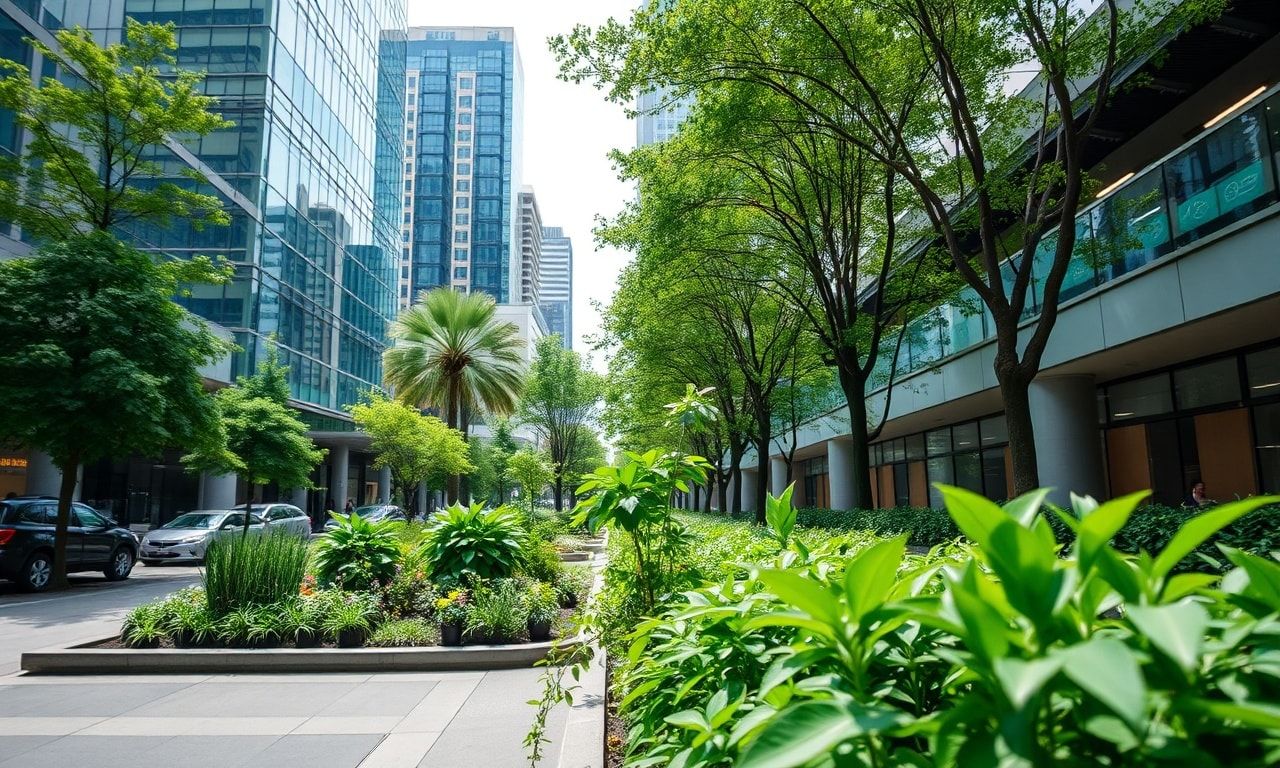
The Urban Mental Health Challenge
The modern world is increasingly urban, with more people living in cities than ever before. While urban living offers numerous advantages, it also presents unique challenges to mental health. The fast-paced lifestyle, noise, pollution, and social isolation can contribute to stress, anxiety, and depression. However, cities also offer a powerful antidote to these challenges: green spaces.
Green spaces, such as parks, gardens, and urban forests, are essential for promoting mental well-being in urban environments. They provide a place for relaxation, physical activity, and social interaction. Moreover, they offer a respite from the concrete jungle, allowing city dwellers to connect with nature and recharge.
The Benefits of Green Spaces for Mental Health
Numerous studies have shown that spending time in green spaces can have a positive impact on mental health. For instance, a study published in the journal Environmental Health Perspectives found that people who live in areas with more green space tend to have lower levels of stress and anxiety. Another study, published in the journal Proceedings of the National Academy of Sciences, found that walking in a park for just 20 minutes can significantly reduce stress and improve mood.
The benefits of green spaces for mental health are not just psychological. They are also physiological. Exposure to nature has been shown to lower heart rate, blood pressure, and levels of the stress hormone cortisol. It can also boost the immune system and improve sleep quality. In other words, green spaces are not just good for the mind; they are also good for the body.
The Role of Green Spaces in Social Interaction
Green spaces also play a crucial role in promoting social interaction, which is essential for mental well-being. They provide a neutral, informal setting where people can meet, socialize, and build community. This is particularly important in urban environments, where social isolation can be a significant problem.
Moreover, green spaces can foster a sense of belonging and community ownership. When people feel invested in their local green spaces, they are more likely to take care of them and use them regularly. This can create a positive feedback loop, where the more people use and care for their green spaces, the more benefits they derive from them.
Maximizing the Benefits of Green Spaces
To maximize the benefits of green spaces for mental health, it is important to ensure that they are accessible, inviting, and well-maintained. This means providing adequate seating, lighting, and pathways, as well as ensuring that the spaces are clean, safe, and free from litter and graffiti.
It is also important to promote the use of green spaces through education and outreach. This can involve organizing events and activities in green spaces, such as yoga classes, guided nature walks, or community gardening projects. It can also involve partnering with local schools, businesses, and community organizations to promote the use of green spaces and raise awareness of their benefits.
In Berlin, for example, the city has made a concerted effort to promote the use of its green spaces through initiatives such as the Berlin Parks und Gärten Update. This initiative provides regular updates on the city’s parks and gardens, including information on upcoming events and activities, as well as tips on how to make the most of these spaces.
The Importance of Biodiversity
Another important factor in maximizing the benefits of green spaces for mental health is biodiversity. Green spaces that are rich in biodiversity, with a variety of plants, trees, and wildlife, tend to be more appealing and inviting than those that are monotonous and uniform. Moreover, they offer more opportunities for exploration, discovery, and learning, which can enhance the overall experience of being in nature.
To promote biodiversity in urban green spaces, it is important to use a variety of native plants and trees, as well as to provide habitats for wildlife, such as bird boxes, bat boxes, and insect hotels. It is also important to avoid the use of pesticides and herbicides, which can harm wildlife and reduce biodiversity.
Conclusion
In conclusion, green spaces are a powerful tool for promoting mental well-being in urban environments. They provide a place for relaxation, physical activity, and social interaction, as well as a respite from the stresses of city life. To maximize their benefits, it is important to ensure that they are accessible, inviting, and well-maintained, as well as rich in biodiversity. By investing in our green spaces, we can invest in our mental health and the health of our communities.
So, the next time you’re feeling stressed or overwhelmed, why not take a walk in the park? You might be surprised at just how much of a difference it can make.
To optimize your wellness journey, consider the benefits of proper hydration by exploring the importance of water intake for a healthier life.