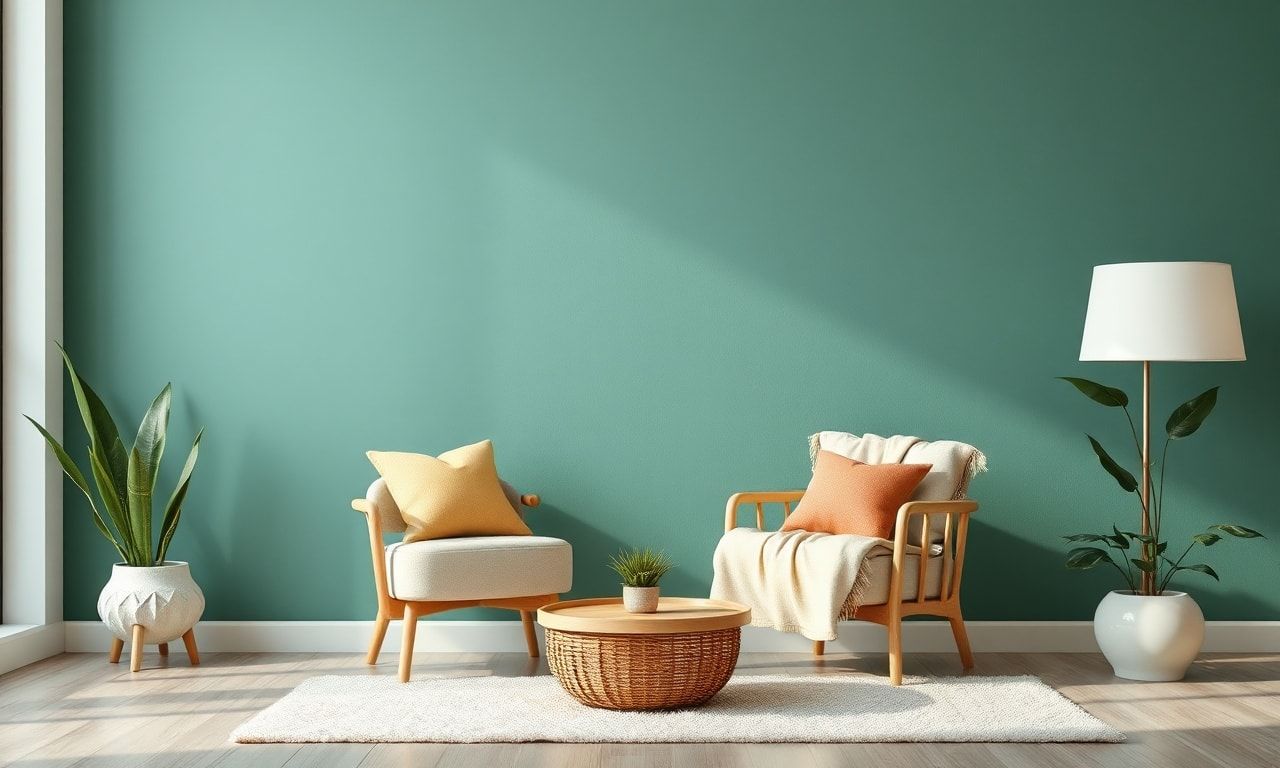
The Impact of Home Environment on Mental Health
In the pursuit of overall well-being, the significance of our home environment often goes unnoticed. However, research has shown that our living spaces can profoundly influence our mental health. A well-designed home can serve as a sanctuary, promoting relaxation, reducing stress, and enhancing our quality of life. Conversely, a cluttered or poorly organized space can contribute to feelings of anxiety and overwhelm.
The Science Behind It
The connection between our environment and mental health is backed by scientific evidence. Studies have demonstrated that certain environmental factors can impact our mood, stress levels, and even our cognitive functioning. For instance, natural light has been shown to regulate our circadian rhythms, improving sleep quality and boosting mood. Similarly, indoor plants can enhance air quality and create a calming atmosphere, reducing symptoms of anxiety and depression.
Moreover, the concept of ‘biophilic design’—incorporating natural elements into our living spaces—has gained traction in recent years. This approach not only promotes mental well-being but also fosters a sense of connection with nature, which is crucial for our overall health. For those interested in updating their home decor to reflect these principles, exploring resources like 2026 yılı için ev dekorasyonu aksesuarları güncellemesi incelemesi can provide valuable insights and inspiration.
Designing a Mental Health-Friendly Home
Creating a home environment that supports mental health involves more than just aesthetics. It’s about curating a space that caters to your sensory, emotional, and functional needs. Here are some key elements to consider:
1. Color Psychology
Colors have a powerful impact on our emotions and behaviors. Warm colors like red, orange, and yellow can evoke feelings of energy and happiness, while cool colors like blue and green are associated with calmness and relaxation. When choosing a color scheme for your home, consider the mood you want to create in each room. For example, soft blues and greens are ideal for bedrooms, promoting restful sleep, while vibrant colors can be used in living areas to stimulate social interaction.
2. Decluttering and Organization
A cluttered space can lead to a cluttered mind. Decluttering your home and maintaining an organized environment can significantly reduce stress and anxiety. Start by removing items that no longer serve a purpose or bring you joy. Invest in storage solutions that help keep your space tidy and functional. Remember, a well-organized home promotes a sense of control and order, which is beneficial for mental well-being.
3. Natural Light and Ventilation
Natural light is essential for regulating our circadian rhythms and boosting our mood. Ensure that your home has adequate natural light by keeping windows clean and unobstructed. If natural light is limited, consider using full-spectrum lighting, which mimics natural light and can help improve mood and productivity. Additionally, proper ventilation is crucial for maintaining good air quality, which in turn supports respiratory health and overall well-being.
4. Personal Touches
Incorporating personal touches into your home decor can create a sense of comfort and familiarity, which is vital for mental health. Display items that hold sentimental value, such as family photos, artwork, or souvenirs from your travels. These personal touches can evoke positive memories and emotions, making your home a true sanctuary.
The Role of Technology in Enhancing Home Well-being
Technology has revolutionized the way we interact with our homes, offering innovative solutions to enhance our well-being. Smart home devices, for instance, can automate tasks, freeing up time for self-care and relaxation. Air purifiers and humidifiers can improve indoor air quality, while smart lighting systems can mimic natural light patterns, supporting our circadian rhythms.
Furthermore, technology can help us create a more mindful and intentional home environment. Meditation apps, for example, can guide us through relaxation exercises, while smart speakers can play calming music or nature sounds. By integrating technology thoughtfully, we can create a home that not only meets our functional needs but also nurtures our mental health.
Maintaining a Healthy Home Environment
Creating a mental health-friendly home is an ongoing process. It requires regular maintenance and adjustments to ensure that your space continues to support your well-being. Here are some tips to help you maintain a healthy home environment:
1. Regular Cleaning
A clean home is essential for both physical and mental health. Regular cleaning helps reduce allergens, dust, and bacteria, promoting a healthier living environment. It also creates a sense of order and calm, which is beneficial for mental well-being. Establish a cleaning routine that works for you, and don’t forget to declutter regularly to keep your space tidy and organized.
2. Mindful Purchases
Before bringing new items into your home, consider their impact on your mental health. Opt for items that bring you joy, serve a purpose, or contribute to a calming atmosphere. Avoid impulse purchases that can lead to clutter and unnecessary stress. By being mindful of your purchases, you can create a home that truly supports your well-being.
3. Regular Updates
Our needs and preferences evolve over time, and so should our homes. Regularly assess your living space and make updates as needed. This could involve rearranging furniture, changing the color scheme, or incorporating new decor elements. By keeping your home fresh and aligned with your current needs, you can ensure that it continues to be a sanctuary for your mental health.
In conclusion, our home environment plays a crucial role in our mental health and overall well-being. By designing a space that caters to our sensory, emotional, and functional needs, we can create a sanctuary that supports our mental health. Incorporating elements like natural light, personal touches, and mindful technology can enhance our living spaces, promoting relaxation, reducing stress, and improving our quality of life. Remember, a healthy home is not just about aesthetics—it’s about curating a space that nurtures your mind, body, and soul.
If you’re considering water fasting for its potential wellness benefits, our guide to water fasting offers an evidence-based look at what to expect.
If you enjoyed this article, we recommend checking out Eğlencenin Dünyasında Gezintiler: Sinema, Müzik ve for further reading.