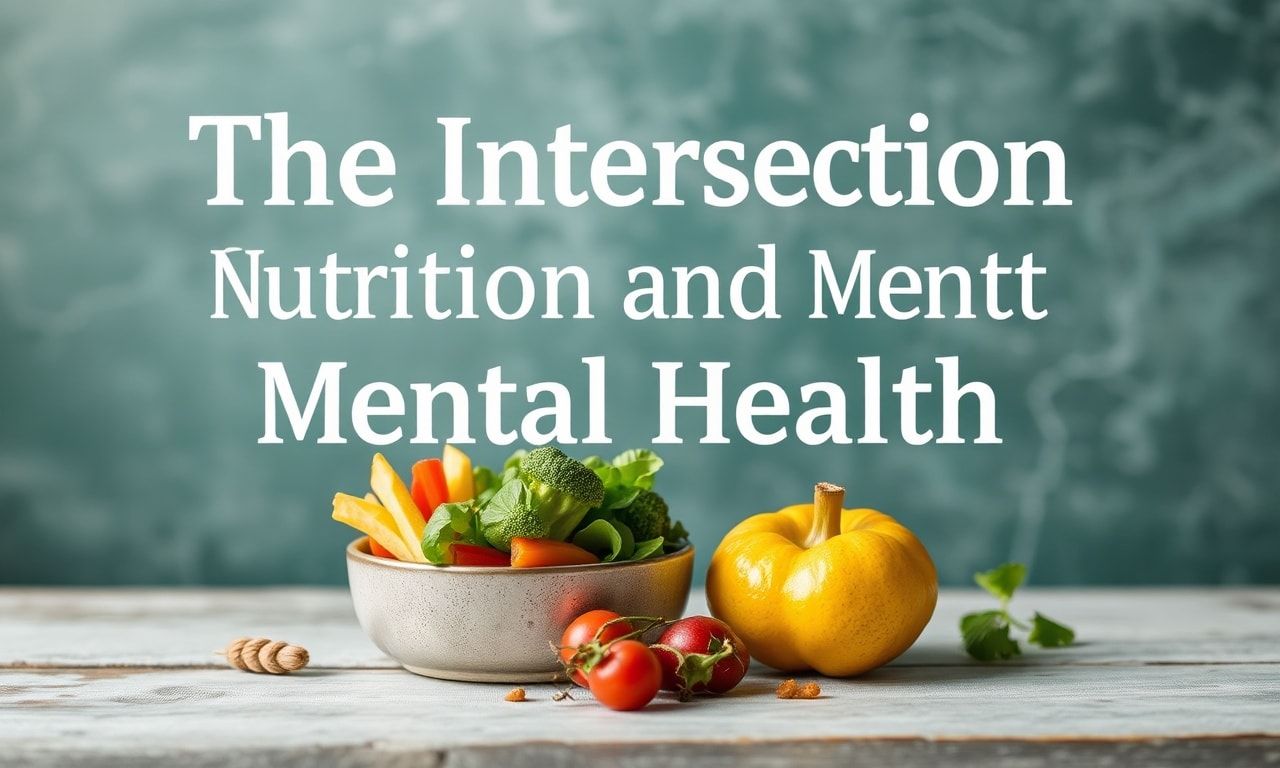
The Gut-Brain Connection
The relationship between nutrition and mental health is a burgeoning field of study, with researchers uncovering fascinating connections between the gut and the brain. Often referred to as the ‘gut-brain axis,’ this bidirectional communication system involves the central nervous system (CNS), the enteric nervous system (ENS), the neuroendocrine system, immune system, and the gut microbiota. Understanding this axis is crucial for comprehending how diet impacts mental health.
Emerging research suggests that the gut microbiota can influence brain function and behavior. For instance, certain gut bacteria produce neurotransmitters like serotonin, dopamine, and gamma-aminobutyric acid (GABA), which play significant roles in mood regulation. This highlights the potential of dietary interventions to modulate mental health through the gut-brain axis.
The Role of Probiotics and Prebiotics
Probiotics, often referred to as ‘good bacteria,’ are live microorganisms that confer health benefits when consumed in adequate amounts. Prebiotics, on the other hand, are non-digestible food ingredients that selectively stimulate the growth and activity of beneficial microorganisms in the gut. Together, they form a powerful duo that can enhance gut health and, consequently, mental well-being.
Studies have shown that probiotic supplements can reduce symptoms of anxiety and depression. For example, a review published in the journal Nutrients found that probiotic supplementation significantly improved depressive symptoms in patients with major depressive disorder. Similarly, prebiotics have been linked to reduced stress and anxiety levels. Incorporating foods rich in probiotics, such as yogurt, kefir, and sauerkraut, and prebiotics, like garlic, onions, and bananas, into your diet can support both gut and mental health.
Nutrition and Mental Health Disorders
Dietary patterns have been extensively studied in relation to various mental health disorders, including depression, anxiety, and schizophrenia. For instance, the Mediterranean diet, which is rich in fruits, vegetables, whole grains, legumes, nuts, and olive oil, has been associated with a lower risk of depression. This diet is high in anti-inflammatory and antioxidant compounds, which are believed to protect against neuroinflammation and oxidative stress, both of which are implicated in mental health disorders.
In contrast, diets high in processed foods, sugar, and saturated fats have been linked to an increased risk of mental health issues. These foods can promote inflammation, insulin resistance, and oxidative stress, all of which can negatively impact brain function. Therefore, adopting a balanced and nutritious diet is essential for maintaining optimal mental health.
The Impact of Omega-3 Fatty Acids
Omega-3 fatty acids, particularly eicosapentaenoic acid (EPA) and docosahexaenoic acid (DHA), are essential for brain health. These fatty acids are integral components of cell membranes and play crucial roles in neuroinflammation, neurotransmission, and neuroplasticity. Numerous studies have demonstrated the beneficial effects of omega-3 supplementation on mental health.
A meta-analysis published in the journal Translational Psychiatry found that omega-3 supplementation significantly reduced symptoms of depression. Similarly, a study in the journal Journal of Clinical Psychiatry reported that omega-3 supplementation improved symptoms of bipolar disorder. Foods rich in omega-3 fatty acids include fatty fish (such as salmon and mackerel), flaxseeds, chia seeds, and walnuts. Incorporating these foods into your diet can support brain health and mental well-being.
Practical Tips for a Mental Health-Boosting Diet
Adopting a diet that supports mental health doesn’t have to be complicated. Here are some practical tips to get you started:
- Eat a Variety of Fruits and Vegetables: Aim for a colorful plate to ensure you’re getting a wide range of nutrients. Fruits and vegetables are rich in antioxidants, vitamins, and minerals that support brain health.
- Choose Whole Grains: Whole grains like brown rice, quinoa, and whole wheat bread provide sustained energy and are rich in B vitamins, which are essential for brain function.
- Incorporate Lean Proteins: Lean proteins such as chicken, turkey, fish, beans, and lentils provide the amino acids necessary for neurotransmitter production.
- Include Healthy Fats: Healthy fats from sources like avocados, nuts, seeds, and olive oil support brain health and reduce inflammation.
- Stay Hydrated: Dehydration can affect mood and cognitive function. Aim to drink plenty of water throughout the day.
- Limit Processed Foods and Sugars: Processed foods and sugars can contribute to inflammation and oxidative stress, which are detrimental to mental health.
For more information on dietary supplements and their benefits, you can refer to reliable sources like Produktbewertungen Empfehlung Ratgeber, which provides comprehensive reviews and recommendations on various health products.
The Future of Nutritional Psychiatry
Nutritional psychiatry is an emerging field that focuses on the role of diet and nutrition in mental health. As research in this area continues to grow, we can expect to see more personalized dietary recommendations for mental health conditions. For example, gut microbiota profiling may become a standard tool for assessing mental health risks and developing tailored dietary interventions.
In conclusion, the relationship between nutrition and mental health is complex and multifaceted. By adopting a balanced and nutritious diet, you can support your gut health, reduce inflammation, and enhance brain function. Whether you’re looking to prevent mental health issues or manage existing conditions, incorporating these dietary strategies can make a significant difference in your overall well-being.
To enhance your mental well-being, consider exploring crafting a cozy sanctuary, a space that promotes relaxation and reduces stress.
Discover how your surroundings might be influencing your mental state with our latest piece on urban living and mental health.
Discover how digital innovations are revolutionizing personal wellness in our latest feature, technology’s impact on health, and learn practical ways to integrate them into your daily routine.