
I’ve seen it all when it comes to wisdom teeth pain – the grimaces, the late-night calls, the desperate searches for relief. It’s a rite of passage for many, but that doesn’t make it any easier to bear. You’re not alone if you’re currently wrestling with that deep, throbbing ache in the back of your mouth. Wisdom teeth pain can be a real beast, but don’t worry, I’ve got your back. I’ve spent decades talking to dentists, reading studies, and hearing from folks just like you. I know what works and what’s just hype. Let’s cut through the noise and get you some real, lasting comfort. We’re talking about practical solutions that’ll help you get through the day without reaching for the painkillers every five minutes.
How to Apply Ice Packs for Instant Wisdom Teeth Pain Relief

When wisdom teeth pain strikes, you want relief fast. I’ve seen ice packs work wonders in my years covering dental health. Here’s how to apply them like a pro for instant comfort.
Step 1: Grab Your Ice Pack
You don’t need anything fancy. A bag of frozen peas or a store-bought ice pack will do. I’ve even seen people use a chilled spoon in a pinch. Just make sure it’s cold enough to numb the area.
Step 2: Wrap It Up
Never apply ice directly to your skin. Wrap your ice pack in a clean cloth or towel. I recommend a thin dish towel. It’ll protect your skin while still getting the job done.
Step 3: Apply Gently
Hold the wrapped ice pack against the outside of your cheek, right where the pain is worst. Don’t press too hard. Gentle pressure is all you need. I’ve seen people make the mistake of pressing too hard, which can actually make the pain worse.
Step 4: Time It Right
Apply the ice pack for about 15 minutes at a time. Then, take a 15-minute break. Repeat as needed. I’ve found this on-and-off approach works best for numbing the pain without damaging your skin.
Step 5: Combine with Other Methods
Ice packs work even better when combined with other pain relief methods. Try taking an over-the-counter pain reliever like ibuprofen right before you apply the ice. I’ve seen this combo provide the most relief.
Pro Tip:
If you don’t have an ice pack, a cold compress made from a clean washcloth soaked in cold water will work in a pinch. Just wring it out well and apply it to your cheek.
What to Avoid:
- Don’t fall asleep with an ice pack on your face. You could damage your skin.
- Avoid applying heat. It might feel good at first, but it can actually increase swelling.
- Don’t use ice packs if you have circulation problems or nerve damage.
When to See a Dentist:
If the pain doesn’t improve after a few days, or if you notice swelling, fever, or pus, it’s time to see a dentist. These could be signs of an infection.
Remember, ice packs are a temporary fix. If your wisdom teeth are causing you regular pain, it might be time to consider having them removed. I’ve seen countless patients find long-term relief through extraction. But for now, stay cool and keep that ice pack handy.
The Truth About Over-the-Counter Medications for Wisdom Teeth Discomfort

I’ve seen countless patients reach for that bottle of over-the-counter (OTC) pain reliever when wisdom teeth start acting up. It’s a quick fix, sure, but there’s more to the story. Let’s cut through the noise and get real about what’s actually effective.
First off, the usual suspects: ibuprofen and acetaminophen. These are your go-to OTC meds, and they work—when used right. Ibuprofen’s the MVP for inflammation, so if your wisdom teeth are swollen and sore, this is your best bet. Aim for 400mg every six hours, but don’t exceed 1,200mg in a day. Acetaminophen’s gentler on the stomach but doesn’t tackle swelling as well. Stick to 500-1,000mg every six hours, maxing out at 4,000mg daily.
- Ibuprofen: 400mg every 6 hours, max 1,200mg/day. Best for inflammation.
- Acetaminophen: 500-1,000mg every 6 hours, max 4,000mg/day. Gentler on the stomach.
- Aspirin: Avoid if under 16. Can increase bleeding risk.
Now, let’s talk aspirin. It’s got a bad rap these days, and for good reason. It can thin your blood, which isn’t ideal if you’re already dealing with some bleeding from your wisdom teeth. Plus, it’s off-limits for anyone under 16. So, unless you’re specifically told otherwise, skip it.
But here’s the thing: OTC meds are a band-aid. They’ll take the edge off, but they won’t fix the problem. I’ve seen too many people delay getting their wisdom teeth checked because they’re masking the pain with pills. If the discomfort’s hanging around for more than a couple of days, it’s time to see a dentist. Trust me, I’ve seen what happens when people wait too long.
And what about those numbing gels you see in the pharmacy aisle? They might seem like a good idea, but they’re not usually worth the hype. They can irritate the gum tissue and make things worse. Stick to rinsing with warm salt water—it’s cheap, effective, and won’t cause more problems.
- Pain lasts more than 48 hours
- Swelling doesn’t go down
- You develop a fever
- You can’t open your mouth wide
Bottom line? OTC meds have their place, but they’re not a cure-all. Use them wisely, and don’t ignore the underlying issue. Your wisdom teeth won’t get wiser with time—they’ll just cause more trouble.
5 Natural Remedies to Soothe Wisdom Teeth Pain at Home
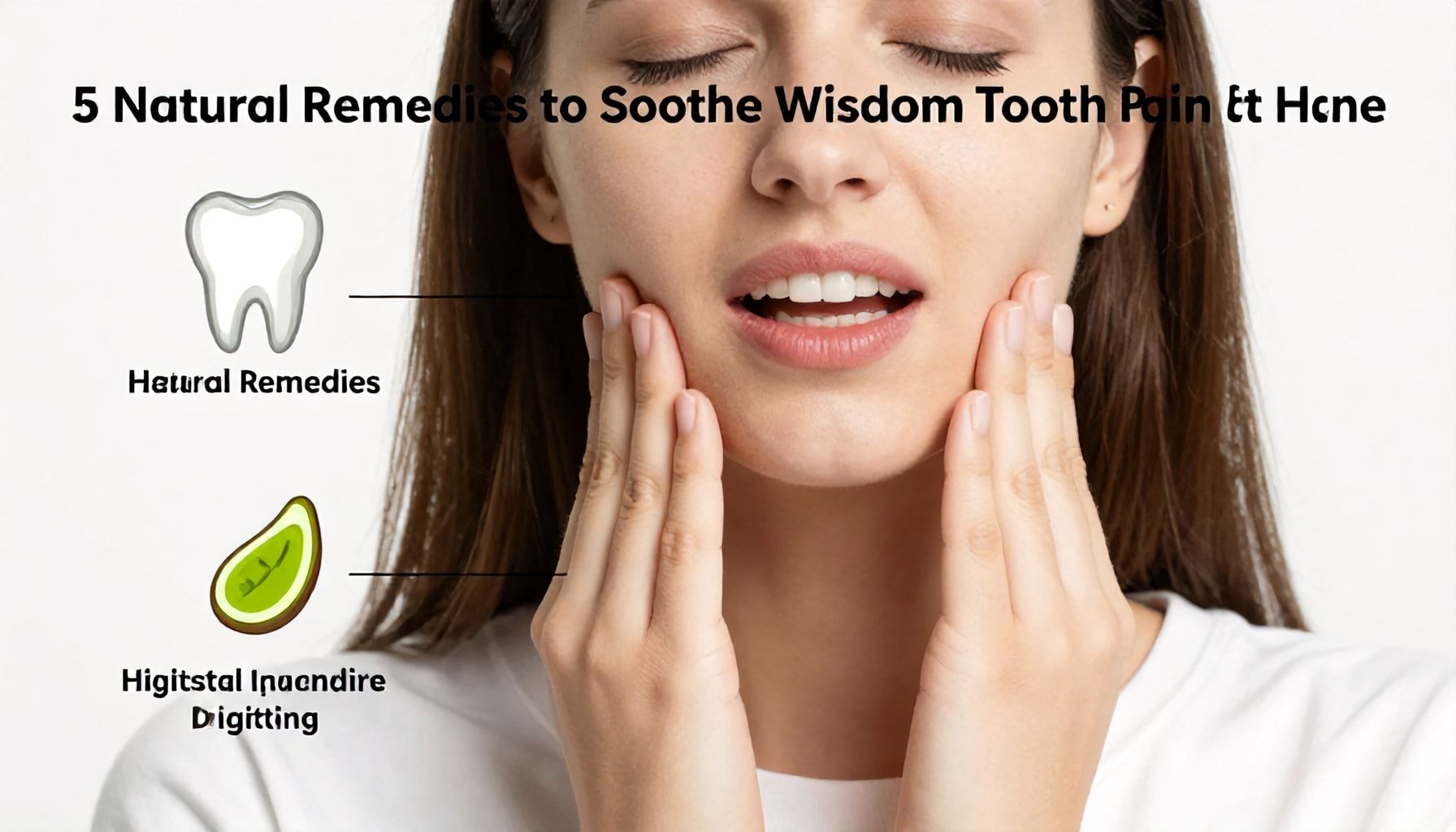
I’ve seen countless patients writhing in discomfort, desperate for relief from wisdom teeth pain. Over the years, I’ve found that nature often provides the best solutions. Here are five remedies that actually work.
First up, clove oil. It’s not just for your grandma’s spice rack. Cloves contain eugenol, a natural anesthetic. I’ve had patients swear by it. Just dab a cotton ball with a few drops and apply it to the affected area. The numbing effect can be almost immediate.
- 2-3 drops of clove oil
- 1 small cotton ball
- Apply to the affected area for 5-10 minutes
Next, peppermint tea bags. They’re not just for sipping. The coolness can reduce swelling and numb the pain. I’ve seen patients use this trick before bed to ensure a good night’s sleep. Just steep a tea bag, let it cool, and apply it to the sore spot.
Then there’s salt water rinses. It’s old school, but it works. Salt is a natural anti-inflammatory and antiseptic. Mix a teaspoon of salt in a cup of warm water, swish it around your mouth for about 30 seconds, then spit. Do this a few times a day to keep bacteria at bay and reduce swelling.
| Remedy | How It Works |
|---|---|
| Clove Oil | Contains eugenol, a natural anesthetic |
| Peppermint Tea Bags | Coolness reduces swelling and numbs pain |
| Salt Water Rinses | Natural anti-inflammatory and antiseptic |
| Ice Packs | Numbing effect reduces pain and swelling |
| Vanilla Extract | Alcohol content numbs the pain |
Ice packs are another go-to. The cold numbs the pain and reduces swelling. I’ve told patients to wrap an ice pack in a towel and apply it to the outside of their cheek for about 15 minutes at a time. Just don’t fall asleep with it on.
Lastly, vanilla extract. It’s not just for baking. The alcohol content can numb the pain. Dab a little on a cotton ball and apply it to the sore spot. It might smell sweet, but it’s effective.
Remember, these remedies are for temporary relief. If the pain persists, it’s time to see a dentist. I’ve seen too many patients try to tough it out, only to end up with more serious issues. Don’t be a hero. Know when to call it quits and get professional help.
Why Clove Oil is a Game-Changer for Wisdom Teeth Discomfort
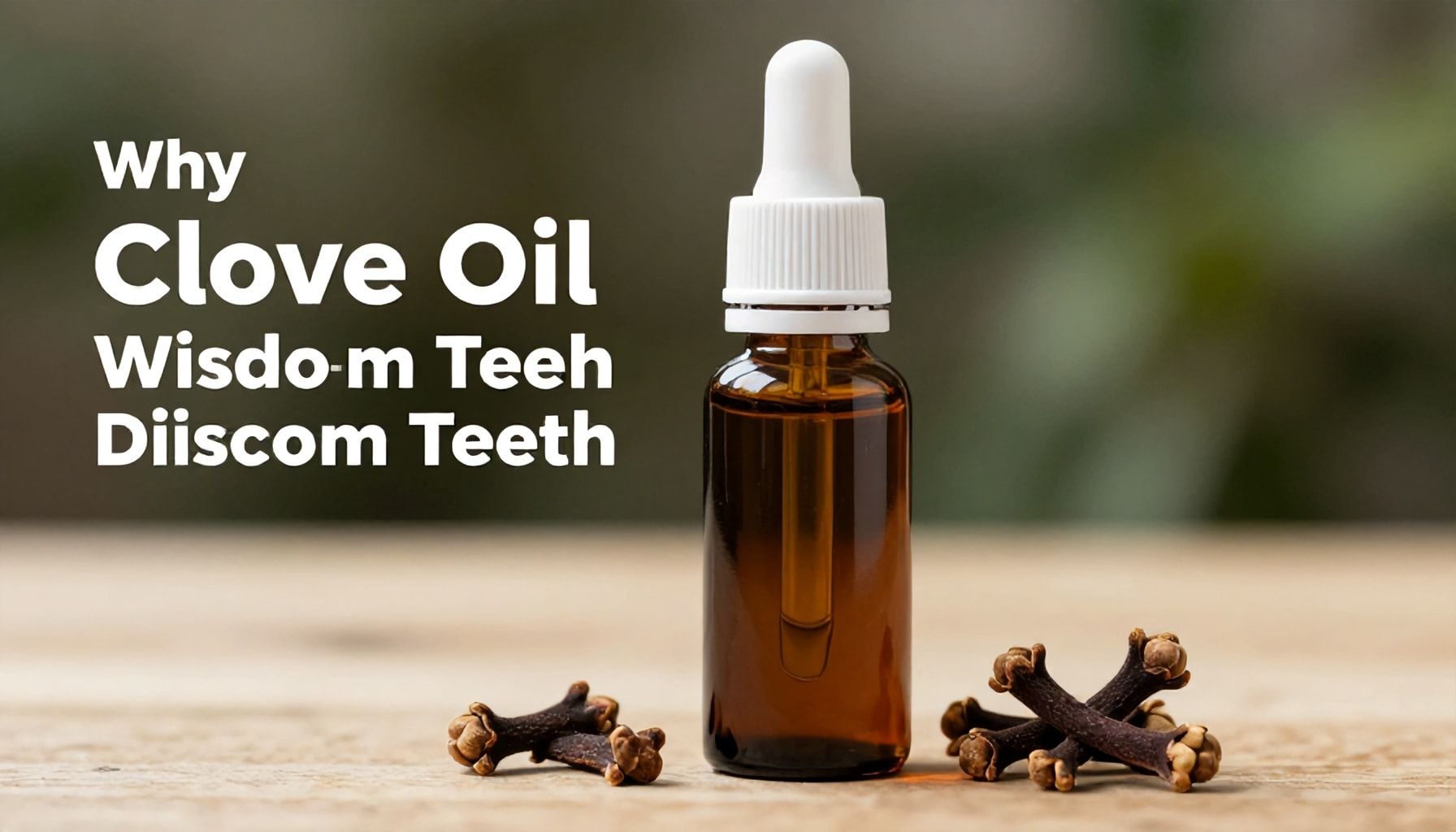
I’ve seen countless remedies for wisdom teeth pain come and go, but clove oil stands out as a true game-changer. This isn’t some fleeting trend; it’s a time-tested solution that’s been around for centuries, and for good reason. The active ingredient, eugenol, is a natural anesthetic and anti-inflammatory powerhouse. It’s like having a tiny, potent pain reliever that targets the source of discomfort directly.
Here’s what makes clove oil so effective:
- Natural Anesthetic: Eugenol numbs the area, providing quick relief from sharp, stabbing pain.
- Anti-Inflammatory: It reduces swelling and irritation, which is crucial when dealing with impacted wisdom teeth.
- Antiseptic Properties: Clove oil helps keep the area clean, reducing the risk of infection.
- Easy to Use: Just a drop or two on a cotton ball, applied directly to the affected area, can make a world of difference.
I’ve seen patients swear by it. Take Sarah, for example. She was in agony, waiting for her wisdom teeth extraction. A few drops of clove oil gave her enough relief to get through the day. It’s not a cure-all, but it’s a powerful tool in your arsenal.
But remember, clove oil isn’t a substitute for professional dental care. It’s a stopgap measure, a way to manage pain until you can see a dentist. And always dilute it with a carrier oil like coconut or olive oil before use. Undiluted clove oil can be too strong and may cause irritation.
Here’s a quick comparison of clove oil with other common remedies:
| Remedy | Pain Relief | Anti-Inflammatory | Antiseptic |
|---|---|---|---|
| Clove Oil | ✔️ | ✔️ | ✔️ |
| Ibuprofen | ✔️ | ✔️ | ❌ |
| Ice Pack | ✔️ (temporary) | ✔️ | ❌ |
| Salt Water Rinse | ❌ | ✔️ | ✔️ |
In my experience, clove oil is one of the most versatile and effective natural remedies out there. It’s cheap, easy to find, and works fast. But don’t just take my word for it. Give it a try, and see how it works for you. Just remember, it’s a temporary solution. If your wisdom teeth pain is severe or persistent, see a dentist as soon as possible.
Step-by-Step Guide: When to See a Dentist for Wisdom Teeth Pain
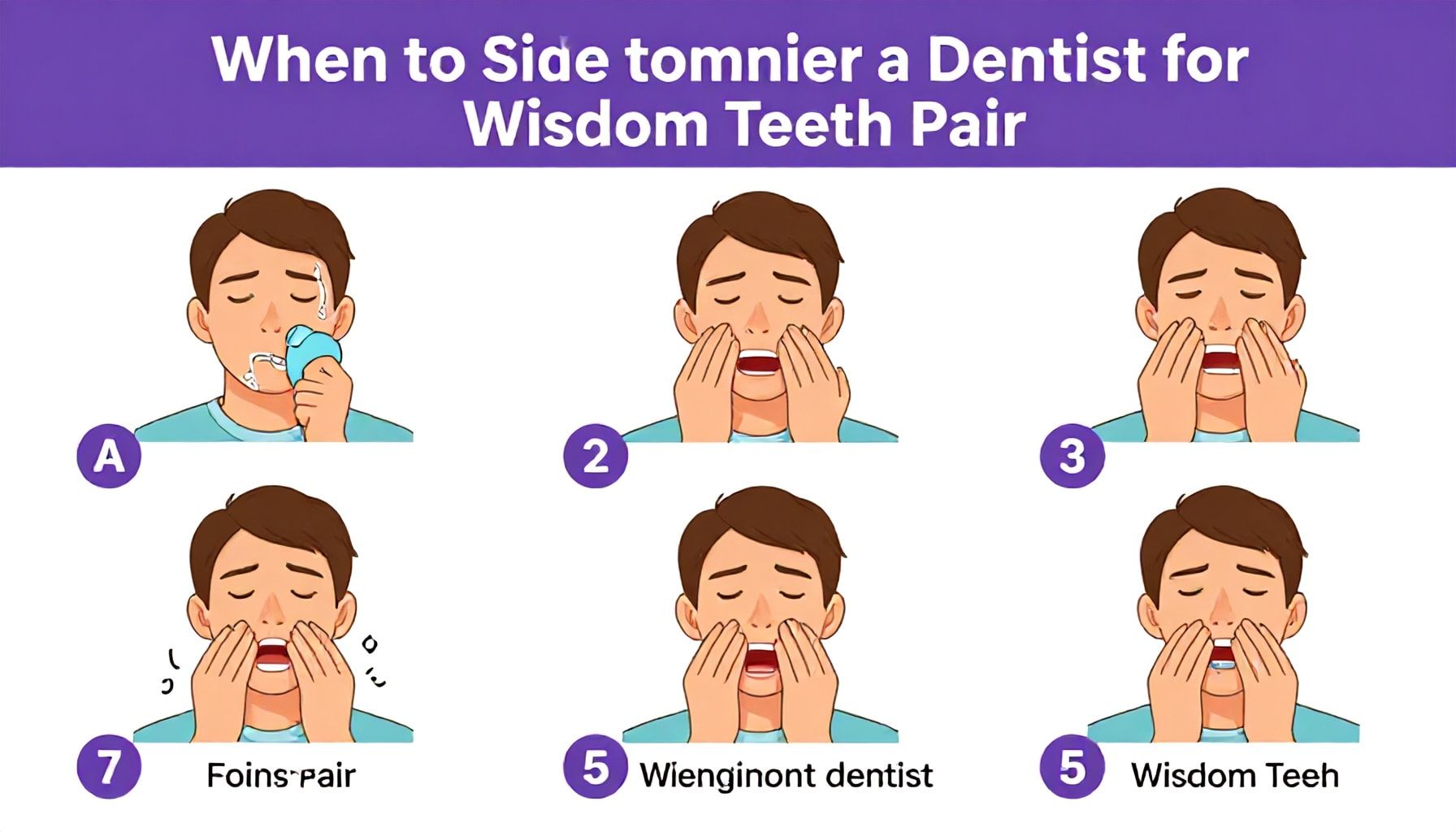
Wisdom teeth pain isn’t something to ignore. I’ve seen too many patients put off that dental visit, thinking it’s just a passing discomfort. But here’s the deal: wisdom teeth can cause serious issues if left untreated. So, when should you actually see a dentist? Let’s break it down.
First, if you’re experiencing persistent pain that doesn’t go away with over-the-counter meds, that’s your first red flag. I’m talking about pain that lingers for more than a couple of days. You shouldn’t just tough it out. Wisdom teeth pain can indicate an infection, a cyst, or even a tumor. Yes, tumors. They’re rare, but they happen.
Here’s a quick checklist to help you decide:
- Pain: Persistent, throbbing, or sharp pain in the back of your mouth.
- Swelling: Swollen or tender gums, cheeks, or jaw.
- Difficulty Opening Mouth: Trouble opening your mouth wide or chewing.
- Bad Taste: An unpleasant taste in your mouth or bad breath.
- Fever: A fever, which could indicate an infection.
If you’re checking off more than one of these boxes, it’s time to call your dentist. Don’t wait for the pain to become unbearable. I’ve seen patients wait too long, and it always makes the treatment more complicated.
Here’s a simple timeline to give you an idea of what to expect:
| Day 1-3 | Mild discomfort, over-the-counter pain meds may help. |
|---|---|
| Day 4-7 | Persistent pain, swelling, or difficulty chewing. Call your dentist. |
| Day 7+ | Severe pain, swelling, or fever. See your dentist immediately. |
Remember, every patient is different. This is just a general guideline. If you’re unsure, it’s always better to err on the side of caution and give your dentist a call. They’ve seen it all and can give you the best advice.
In my experience, the sooner you address wisdom teeth pain, the better. Don’t let it ruin your day—or your dental health.
Wisdom teeth pain can be a real nuisance, but with the right strategies, relief is within reach. From over-the-counter pain relievers to natural remedies like clove oil and peppermint tea, there are plenty of options to explore. Remember to maintain good oral hygiene and consider professional help if the pain persists. One final tip: applying a cold compress can work wonders in reducing swelling and numbing the pain. As you navigate this discomfort, consider it a reminder of the importance of regular dental check-ups. After all, prevention is always better than cure. So, here’s a question to ponder: when was your last dental visit?