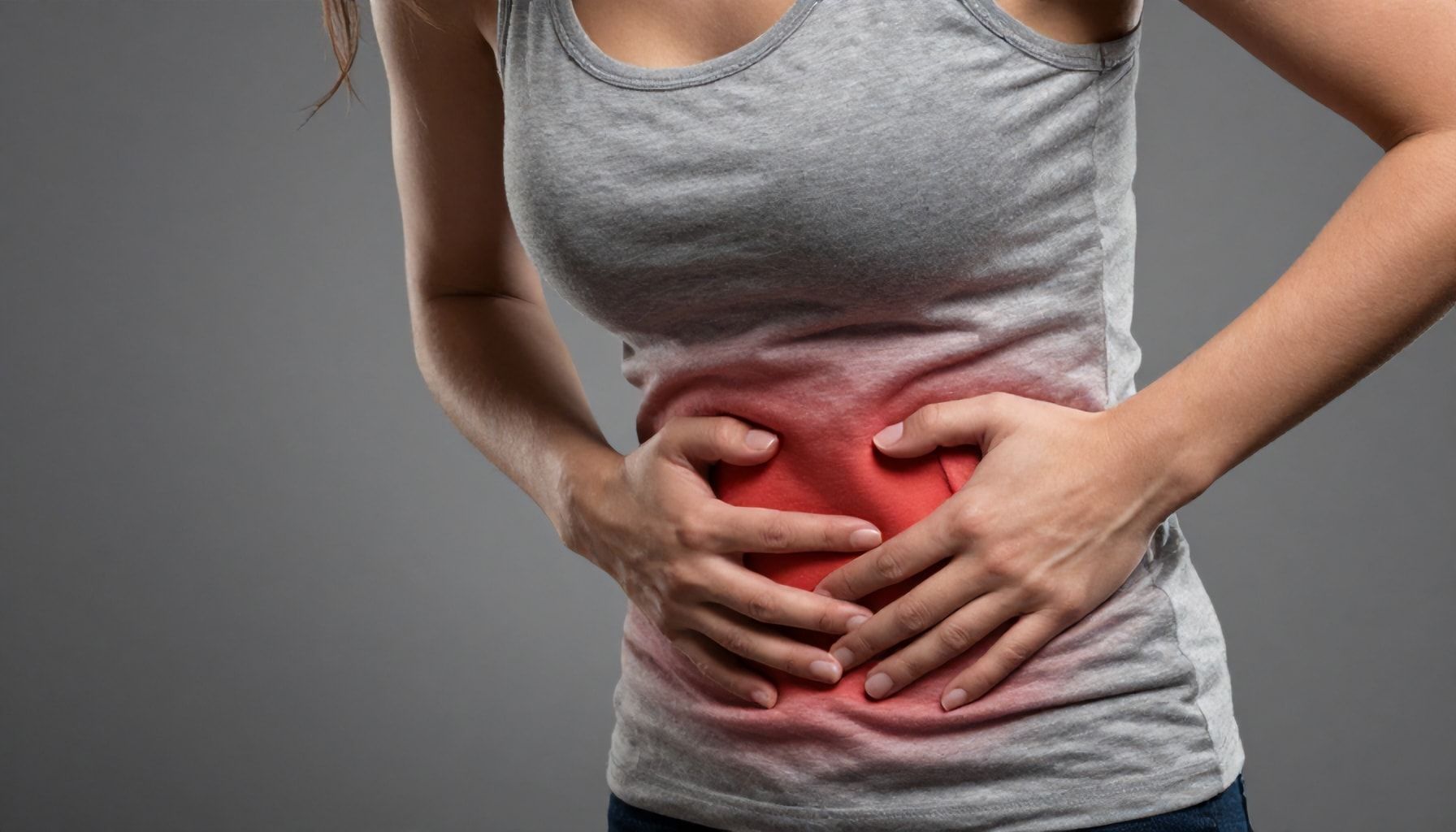
I’ve seen it all in my years covering health topics: the panicked searches, the late-night doctor visits, the desperate quest for answers. And one phrase keeps popping up: pain in lower right abdomen female. It’s a common complaint, but that doesn’t make it any less alarming when it happens to you or someone you love. The lower right abdomen is a busy neighborhood in the body, packed with organs that can cause trouble when they’re not feeling their best. For women, the possibilities range from the mundane to the serious, and that’s what we’re here to sort through.
You won’t find any sugar-coating here. Pain in lower right abdomen female isn’t something to ignore or hope will go away on its own. It’s your body’s way of waving a red flag, and it’s our job to help you understand what that flag might mean. We’re talking about everything from digestive issues that might resolve with a few dietary tweaks to conditions that require immediate medical attention. And yes, we’ll address the elephant in the room: gynecological issues that can cause this pain. But we won’t stop there. We’ll explore all the potential culprits, from the obvious to the lesser-known.
Why Your Lower Right Abdominal Pain Might Be Different From a Man's*
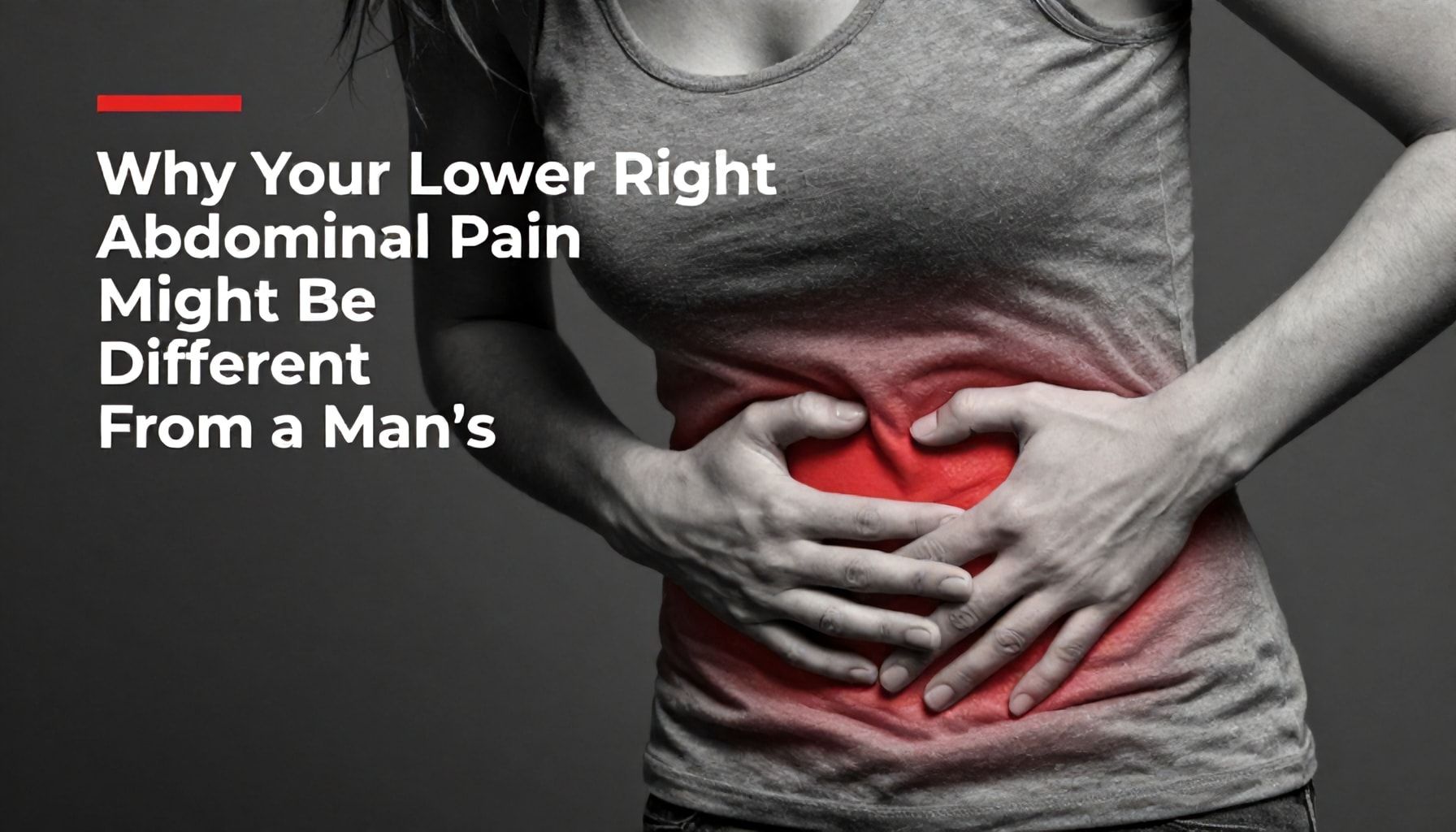
I’ve seen countless women walk into clinics, gripping their sides, trying to describe that sharp, nagging pain in their lower right abdomen. And let me tell you, it’s rarely the same as what men experience. Women’s bodies are just different, and that pain? It’s often a signal from something uniquely female.
First off, consider the ovaries. They’re not just sitting there doing nothing. They’re working, releasing eggs, and sometimes, they get inflamed. That’s ovarian cysts for you. I’ve seen women come in with pain so severe they thought they were having appendicitis. But no, it was just a cyst causing a ruckus. Most cysts are harmless, but some can twist or bleed, and that’s when you’re in for a world of hurt.
- Most women will have at least one in their lifetime
- They’re usually harmless and go away on their own
- But if they twist or bleed, you’ll know about it
- Pain is usually on one side, but it can radiate
Then there’s endometriosis. This one’s a sneaky beast. It’s when tissue similar to the lining of the uterus grows outside of it, causing inflammation, scarring, and pain. I’ve had patients tell me the pain is so bad they can’t even get out of bed. And it’s not just during their period. It can be constant, or it can flare up at the worst possible times.
- Chronic lower abdominal pain
- Painful periods
- Pain during sex
- Infertility
And let’s not forget about pelvic inflammatory disease (PID). This is an infection of the female reproductive organs, usually caused by sexually transmitted bacteria. It’s serious stuff, and it can cause long-term damage if not treated. The pain is usually constant and dull, but it can get worse during sex or menstruation.
- Lower abdominal pain
- Fever
- Unusual vaginal discharge
- Painful urination
- Pain during sex
So, if you’re a woman experiencing lower right abdominal pain, don’t just brush it off. It could be something serious. And remember, it’s not the same as what men experience. Your body is different, and so are your symptoms. Don’t ignore them. Talk to your doctor. Get it checked out. That’s the best advice I can give you.
The Truth About How Hormones Can Trigger Your Pain*
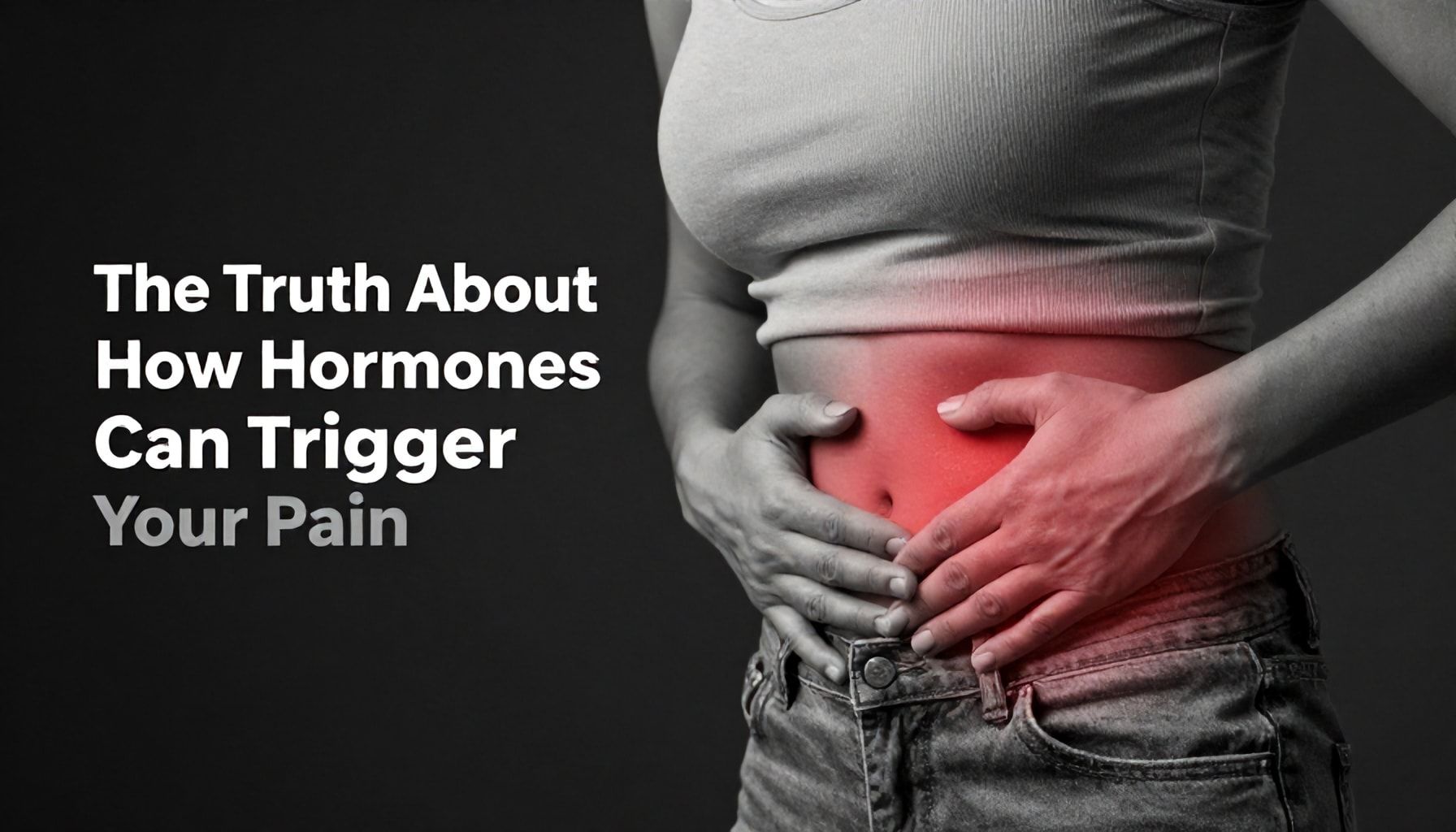
Hormones—those tiny chemical messengers—can wreak havoc on your body, especially when it comes to pain in your lower right abdomen. I’ve seen women dismiss their discomfort as “just part of being a woman,” but the truth is, hormones can be sneaky culprits. Here’s the lowdown on how they might be triggering your pain.
First, let’s talk about the big players: estrogen and progesterone. These hormones fluctuate wildly during your menstrual cycle, and for some women, that fluctuation can cause real trouble. Endometriosis, a condition where tissue similar to the lining of the uterus grows outside of it, is often hormone-driven. It can cause sharp, cramping pain in the lower right abdomen, especially around your period. Ovarian cysts are another common culprit. They form when follicles don’t release an egg properly, and the resulting fluid-filled sacs can cause pressure and pain. If you’ve ever felt a dull, aching pain that comes and goes, cysts might be the reason.
But it’s not just your reproductive hormones that can cause trouble. Stress hormones like cortisol can also play a role. Chronic stress keeps your body in a state of high alert, which can tighten muscles and trigger inflammation. That tension can manifest as pain in your lower abdomen, often mistaken for something more serious. I’ve seen women go through endless tests only to realize their pain was stress-related.
Here’s a quick breakdown of hormone-related causes:
- Endometriosis: Pain often worsens before and during your period.
- Ovarian cysts: Pain may be sharp or dull, depending on the cyst’s size and location.
- Stress: Chronic tension can lead to muscle tightness and inflammation.
- PMS or PMDD: Severe premenstrual symptoms can include abdominal pain.
If you suspect hormones are to blame, tracking your symptoms can help. Use a simple table like this to log your pain levels and when they occur:
| Date | Pain Level (1-10) | Location | Menstrual Cycle Phase |
|---|---|---|---|
| October 5 | 6 | Lower right abdomen | Luteal phase |
| October 12 | 4 | Lower right abdomen | Menstruation |
In my experience, keeping a log like this can reveal patterns you might otherwise miss. If your pain aligns with your cycle, hormones are likely the culprit. But if it’s persistent or severe, it’s time to see a doctor. Don’t just brush it off—your body’s trying to tell you something.
How to Tell If It's Appendicitis or Something Else*
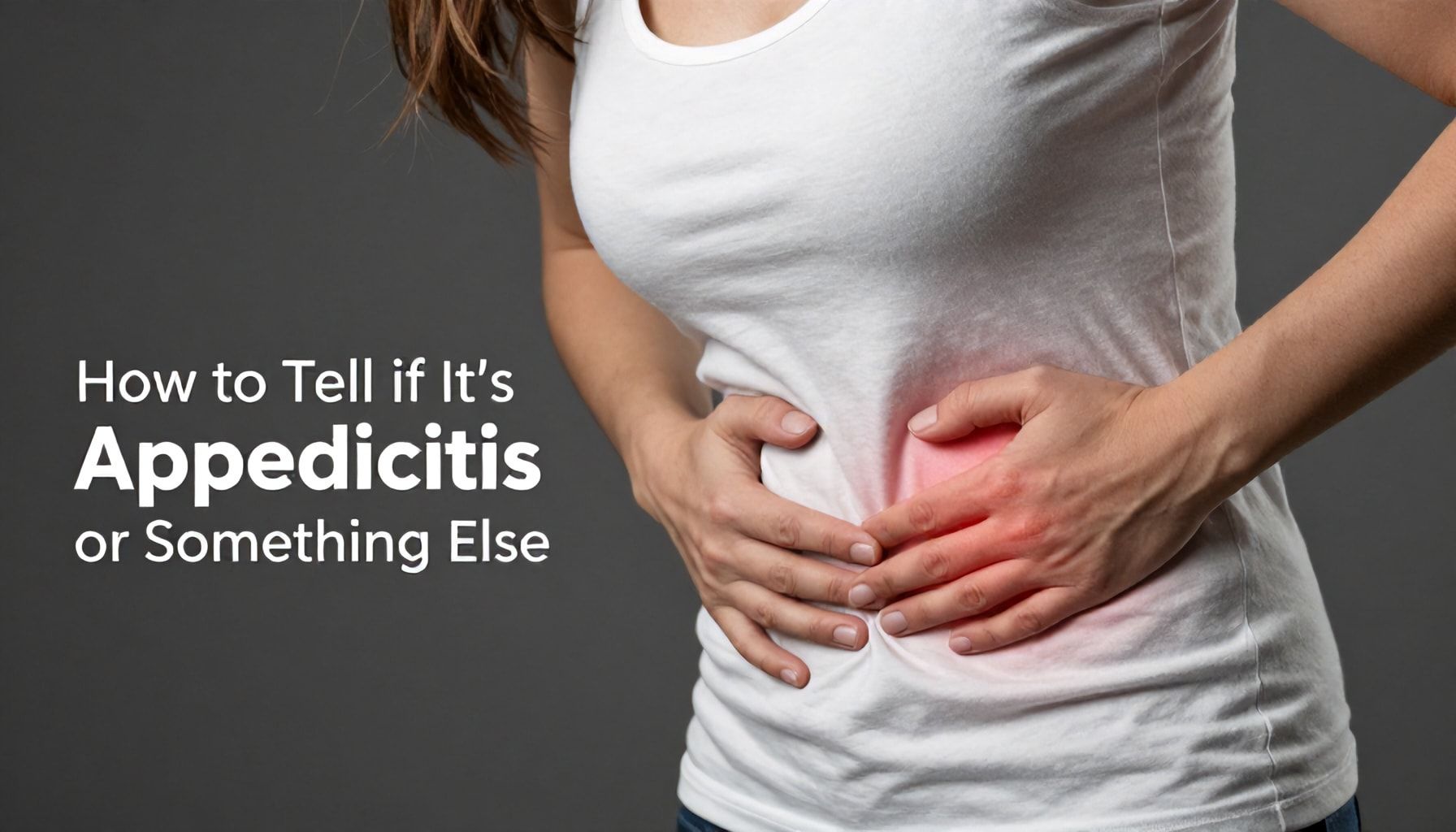
Lower right abdominal pain in women can be a real puzzle. I’ve seen patients jump to conclusions, convinced it’s appendicitis, only to find out it’s something entirely different. So, let’s cut through the confusion.
Appendicitis typically starts with a dull pain around the belly button that sharpens and moves to the lower right abdomen. It’s often accompanied by nausea, vomiting, and a low-grade fever. But here’s the kicker: these symptoms can mimic other conditions. That’s why I always tell patients to watch for these red flags:
- Sudden, severe pain that worsens when moving or coughing
- Loss of appetite and the inability to pass gas
- Rebound tenderness—pain that intensifies when pressure is applied and then released
But appendicitis isn’t the only culprit. Ovarian cysts, endometriosis, and even urinary tract infections can cause similar pain. I’ve seen cases where a simple UTI was misdiagnosed as appendicitis, leading to unnecessary stress and tests.
Here’s a quick reference table to help differentiate:
| Condition | Key Symptoms | When to Seek Help |
|---|---|---|
| Appendicitis | Sudden, severe pain, nausea, vomiting, low-grade fever | Immediately if pain is severe or worsening |
| Ovarian Cyst | Sharp, intermittent pain, bloating, irregular periods | If pain is persistent or severe |
| Endometriosis | Chronic pelvic pain, painful periods, pain during intercourse | If symptoms interfere with daily life |
| UTI | Burning sensation, frequent urination, cloudy urine | If symptoms persist for more than a few days |
I’ve found that keeping a symptom diary can be incredibly helpful. Note the location, intensity, and duration of the pain, as well as any other symptoms. This can provide valuable clues for your doctor.
Remember, self-diagnosis is a slippery slope. If you’re experiencing persistent or severe pain, don’t hesitate to seek medical attention. In my experience, it’s always better to err on the side of caution.
Here are some practical tips to manage the pain while waiting for medical advice:
- Apply a heating pad to the lower abdomen for temporary relief.
- Avoid heavy meals that could exacerbate symptoms.
- Stay hydrated but avoid caffeine and alcohol.
- Rest and avoid strenuous activities.
In the end, trust your instincts. If something feels off, it probably is. Don’t brush off persistent pain—get it checked out. You know your body best, so advocate for yourself.
5 Surprising Causes of Lower Right Abdominal Pain in Women*
You’d think after 25 years covering health stories, I’d have heard it all. But lower right abdominal pain in women still surprises me with its variety of causes. Let’s cut through the noise and get to the real deal.
First up, ovarian cysts. These fluid-filled sacs form on the ovaries and can cause sharp, sudden pain. I’ve seen cases where cysts grow to the size of a grapefruit—imagine that cramping! Most are harmless, but some can twist or burst, causing severe pain. If you’re dealing with cyclical pain that comes and goes, this might be the culprit.
When to worry:
- Sudden, severe pain
- Pain lasting more than a few days
- Fever or vomiting
Next, diverticulitis. This one’s tricky because it often mimics appendicitis. Diverticulitis occurs when small pouches in the colon get inflamed or infected. It’s more common in women over 40, but I’ve seen it in younger women too. The pain is usually constant and worsens over time. If you’re experiencing bloating, nausea, or fever alongside that lower right pain, get checked out.
Risk factors:
- Age over 40
- Low-fiber diet
- Obesity
- Smoking
Now, let’s talk about endometriosis. This condition occurs when tissue similar to the lining of the uterus grows outside the uterus. It can cause chronic pain, especially during menstruation. I’ve interviewed women who described the pain as debilitating, affecting their daily lives. If your pain is worse during your period and you’re also experiencing heavy bleeding, endometriosis might be the issue.
Symptoms to watch for:
- Chronic pelvic pain
- Painful intercourse
- Painful periods
- Infertility
Here’s one you might not expect: urinary tract infections (UTIs). While UTIs typically cause pain in the lower abdomen, they can sometimes manifest as lower right abdominal pain. I’ve seen cases where women mistook UTI pain for something more serious. If you’re experiencing pain along with a burning sensation during urination, it’s time to see a doctor.
Prevention tips:
- Drink plenty of water
- Wipe from front to back
- Urinate soon after intercourse
Lastly, hernias. A hernia occurs when an internal part of the body pushes through a weakness in the muscle or surrounding tissue. In women, this can happen in the lower abdomen, causing pain that worsens with movement. I’ve seen hernias that went undiagnosed for years, so don’t ignore persistent pain.
Types of hernias:
- Inguinal hernia
- Femoral hernia
- Umbilical hernia
Remember, this isn’t medical advice. But if you’re dealing with lower right abdominal pain, don’t brush it off. Get it checked out. I’ve seen too many women suffer needlessly because they waited too long.
When to Seek Immediate Help for Your Abdominal Discomfort*
While most abdominal discomfort can be managed with over-the-counter meds and a heating pad, some symptoms demand immediate medical attention. I’ve seen women ignore warning signs, thinking it’s just “part of being a woman.” Don’t be one of them. Here’s when to drop everything and get to an ER.
Red flags that can’t wait:
- Severe, sudden pain that doubles you over. Think kidney stone pain—women describe it as the worst pain they’ve ever experienced.
- Fever over 101°F (38.3°C) with abdominal pain. Infection’s afoot, and it’s not playing nice.
- Persistent nausea and vomiting that won’t quit. You’ve had stomach bugs before, but this is different—dehydration sets in fast.
- Bloody stools or vomiting blood. Never normal. Ever.
- Pain that spreads to your shoulder or neck. Your body’s screaming for help.
When to call your doctor ASAP (but not necessarily 911):
- Pain lasts more than 24-48 hours with no relief
- Pain worsens with movement or coughing
- You’re pregnant or could be
- You’ve had recent abdominal surgery
What to expect in the ER:
- Triage – Nurses assess severity. Be honest about symptoms.
- Blood tests – Looking for infection, organ function issues.
- Imaging – Ultrasound, CT scan, or X-ray to see what’s happening inside.
- IV fluids – If you’re dehydrated from vomiting/diarrhea.
Real talk: I’ve seen women wait too long because they were embarrassed or thought it was “just” a UTI or period pain. Don’t. If your gut (pun intended) says something’s wrong, trust it. Better safe than sorry—especially when it comes to your health.
Quick reference chart:
| Symptom | Immediate ER Visit | Call Doctor ASAP |
|---|---|---|
| Severe, sudden pain | ✓ | |
| Fever + pain | ✓ | |
| Bloody stools/vomit | ✓ | |
| Pain spreading to shoulder | ✓ | |
| Pain lasting >48 hours | ✓ | |
| Pain worsens with movement | ✓ |
Lower right abdominal pain in women can stem from various causes, ranging from common conditions like menstrual cramps or ovulation pain to more serious issues such as appendicitis or ovarian cysts. Understanding the potential triggers—whether hormonal fluctuations, infections, or digestive disorders—is crucial for timely diagnosis and treatment. While some discomfort may resolve on its own, persistent or severe pain warrants immediate medical attention. A proactive approach, including regular check-ups and open communication with healthcare providers, can help manage symptoms effectively. As research continues to shed light on these conditions, women are encouraged to stay informed and prioritize their health. What steps can you take today to better understand and address your abdominal health?