I’ve seen fads come and go, but the great bottled water debate never seems to go away. You’d think it’d be simple: water’s water, right? But here we are, still asking does water expire. The short answer? Not really, but it’s more complicated than that. You’ve probably seen those tiny expiration dates on your bottled water, and you might be wondering if your H2O’s gone bad. I’ve been covering this beat for years, and I can tell you, it’s not as straightforward as you’d think.
Now, I know what you’re thinking: “Water’s just water, how can it expire?” And you’re not wrong. Water itself doesn’t spoil like milk or rot like fruit. But here’s the thing: bottled water isn’t just water. It’s water in a container, and that container can affect the quality of what’s inside. Plus, there are other factors at play, like the source of the water and how it’s been processed. So, while water doesn’t expire in the traditional sense, there are reasons why that date’s on the label.
Does Your Bottled Water Have an Expiration Date?
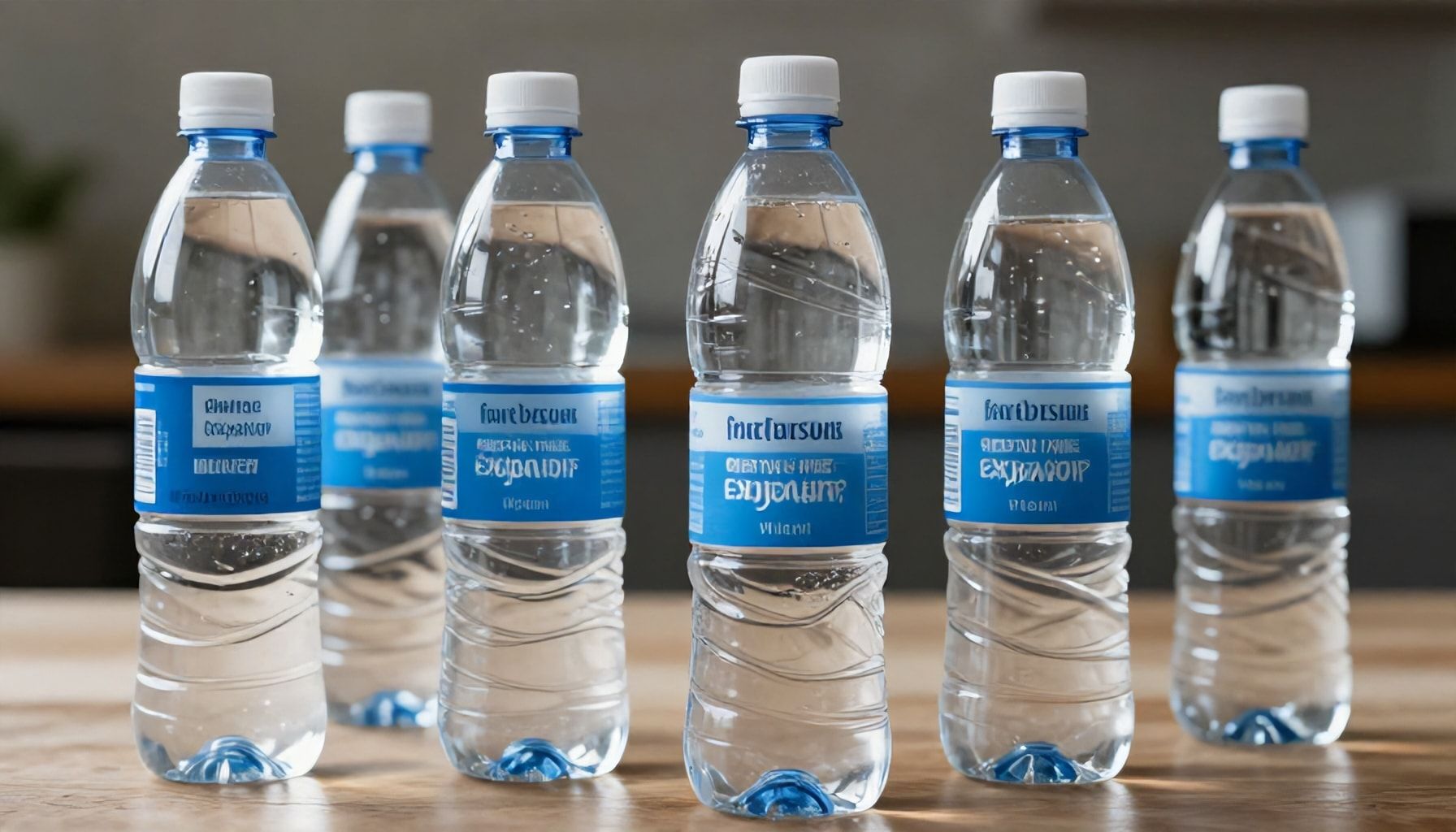
I’ve seen a lot of trends in the bottled water industry, but the expiration date debate is one that just won’t quit. You might be surprised to learn that many bottled waters don’t actually have an expiration date. That’s right, no “best by” or “use by” stamped on the bottle. But before you start stocking up for the apocalypse, let’s break it down.
First, the FDA doesn’t require expiration dates on bottled water. Why? Because water is, well, pretty stable. It doesn’t spoil like milk or get stale like bread. The agency considers water “essentially indefinite shelf life” in unopened, properly stored bottles. But that doesn’t mean all bottled water is exempt from expiration dates.
- Added Ingredients: If the water has added flavors, vitamins, or electrolytes, it might have an expiration date. These additives can degrade over time.
- State Regulations: Some states require expiration dates on bottled water, regardless of FDA guidelines. For example, California mandates a two-year shelf life for bottled water.
- Voluntary Labels: Some brands add expiration dates voluntarily. Dasani, for instance, prints “best by” dates on its bottles.
Now, let’s talk about what can happen to bottled water over time. Even if it doesn’t “expire,” it can develop an off taste or odor. This is usually due to the plastic bottle itself, not the water. Over time, plastic can leach chemicals into the water, especially if it’s exposed to heat or sunlight. I’ve seen this happen with bottles left in a hot car or stored in a garage.
- Keep it cool: Store bottles in a cool, dark place, ideally between 50-70°F (10-21°C).
- Avoid sunlight: UV rays can degrade the plastic and the water inside.
- Check the cap: Make sure the cap is tightly sealed to prevent contamination.
- Rotate your stock: If you’re a prepper, use the “first in, first out” method to ensure you’re drinking the oldest water first.
So, does bottled water expire? Not exactly. But it’s not immune to quality changes over time. If you’ve got a bottle that’s been sitting in your pantry for a decade, it’s probably fine to drink. But if it tastes or smells off, don’t risk it. Your taste buds are a pretty good indicator. And remember, if you’re relying on bottled water for emergencies, check your state’s regulations to be safe.
Why Your Bottled Water Might Have a Best-By Date*
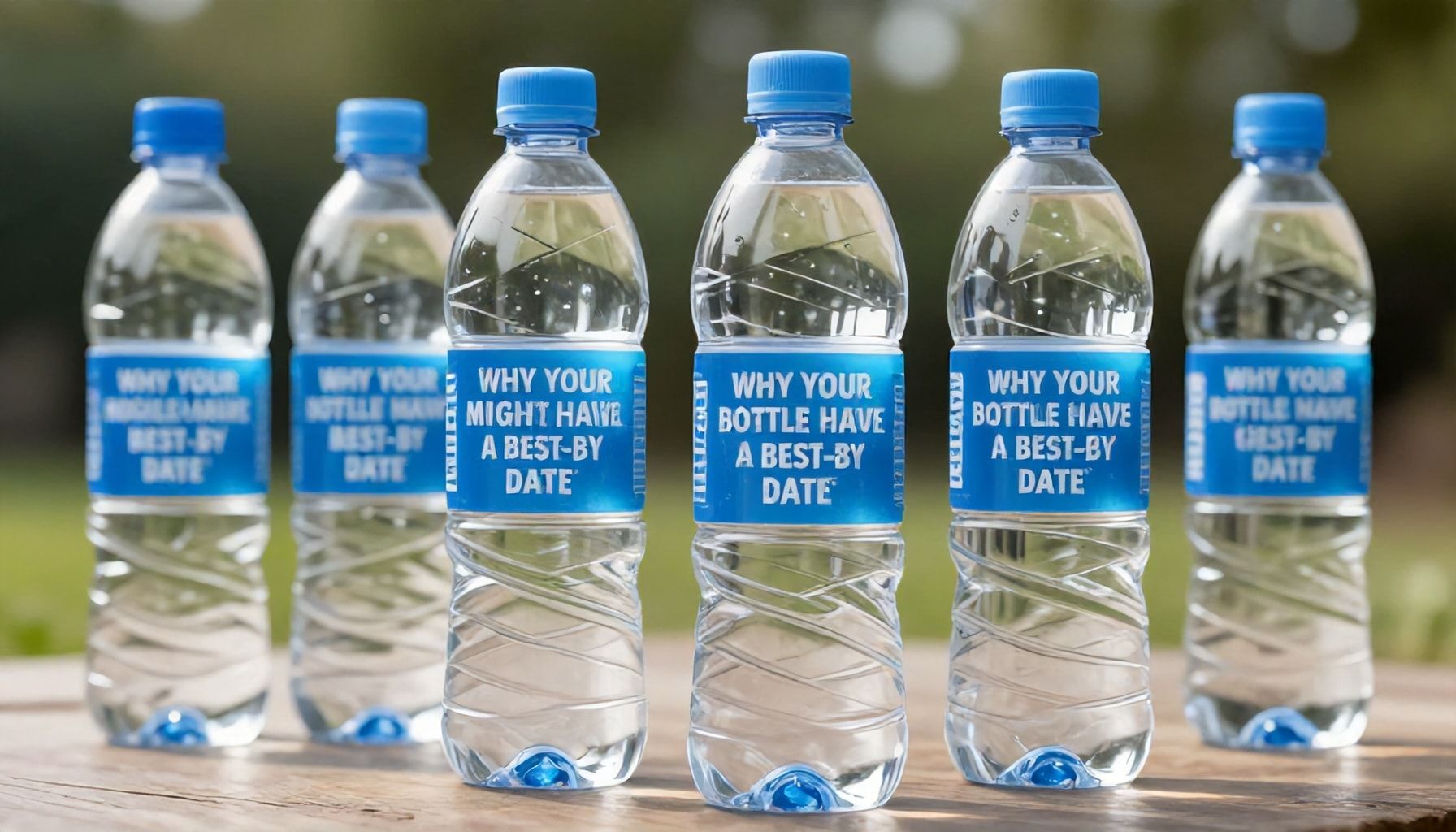
You might’ve noticed that best-by date on your bottled water and scratched your head. Water doesn’t exactly spoil like milk or eggs, so why the expiration date? I’ve seen this confusion countless times over my years in the industry. Here’s the deal.
That date isn’t about the water going bad. It’s about the plastic. Bottled water companies are required to stamp those dates as a quality guarantee. The FDA suggests a 2-year shelf life for unopened bottled water. After that, the plastic might start leaching into the water, affecting taste and smell. I’ve tasted water from old bottles – it’s not pleasant.
What that date means:
- Unopened bottled water: Safe to drink for years, but best quality within 2 years
- Opened bottled water: Drink within a few days, just like any other beverage
- Water stored in glass: No expiration date needed, glass doesn’t leach
Here’s a quick reference for water storage:
| Container Type | Storage Life |
|---|---|
| Plastic bottle (unopened) | 2 years |
| Plastic bottle (opened) | 2-3 days |
| Glass bottle | Indefinite |
| Stainless steel | Indefinite |
I’ve seen people hoard bottled water for emergencies. That’s fine, but store it properly – cool, dark places are best. And don’t forget to rotate your stock. That date isn’t arbitrary – it’s there for a reason.
One last thing: if you’ve got old bottled water, don’t toss it. Use it for plants or cleaning. Waste not, want not.
The Truth About Water Expiration and Safety*
The truth about water expiration is simpler than you might think. Water itself doesn’t expire or go bad in the way food does. It’s incredibly stable, and as long as it’s stored properly, it can last indefinitely. The expiration dates you see on bottled water are more about plastic quality than water safety.
I’ve seen plenty of headlines claiming bottled water can “go bad,” but that’s mostly marketing hype. The real concern is the plastic bottle, not the water inside. Over time, especially if exposed to heat or sunlight, plastic can degrade and leach chemicals into the water. That’s why you’ll often see expiration dates on bottled water—it’s about the container, not the contents.
Here’s a quick breakdown of what you need to know:
- Water doesn’t spoil like milk or meat. It’s chemically stable.
- Expiration dates on bottled water are usually about plastic degradation, not water safety.
- Storing water in a cool, dark place extends its shelf life significantly.
- If the bottle smells or tastes funny, toss it—better safe than sorry.
In my experience, most bottled water stays safe to drink long past its printed expiration date, as long as the bottle is intact and stored properly. I’ve seen people panic over an “expired” bottle of water, but the truth is, the water inside is probably just fine.
If you’re stocking up on emergency water supplies, focus on using food-grade containers and storing them in a cool, dark place. That’s the best way to ensure your water stays safe and tasteless for years.
Here’s a quick reference for storage tips:
| Storage Condition | Expected Shelf Life |
|---|---|
| Room temperature (cooler, dark place) | Indefinite (but check for plastic degradation) |
| Exposed to heat or sunlight | 6-12 months (plastic may leach chemicals) |
| Refrigerated | Indefinite (but not practical for long-term storage) |
So, don’t stress over the expiration date on your bottled water. Focus on proper storage, and you’ll be just fine. And if you’re ever in doubt, give it a sniff—your nose will tell you if something’s off.
5 Ways to Tell If Your Bottled Water Has Gone Bad*
I’ve been covering this beat long enough to know people often overlook the fact that bottled water can indeed go bad. Here’s how to tell when your H2O has hit its limit.
- Check the expiration date. Yes, bottled water has one. It’s usually printed on the label. Most brands suggest using their product within 2 years of production. I’ve seen bottles sitting on shelves for way longer than that, but that doesn’t mean you should drink them.
- Look for cloudiness. Clear water should stay clear. If it starts looking cloudy, that’s a sign something’s up. It could be mineral deposits or microbial activity. Either way, don’t drink it.
- Smell it. Water shouldn’t have a smell. If it does, it’s gone bad. It might smell musty, like plastic, or even rotten. Trust your nose on this one.
- Taste test. If the water tastes off, it’s off. It might taste flat, metallic, or just plain wrong. Your taste buds are a good indicator here.
- Inspect the bottle. If the bottle is deformed, leaking, or has cracks, the water inside is likely compromised. I’ve seen bottles explode in warehouses due to pressure build-up. Not pretty.
Here’s a quick reference table for common water contaminants and their signs:
| Contaminant | Signs |
|---|---|
| Bacteria | Cloudiness, foul smell, bad taste |
| Mineral deposits | Cloudiness, sediment, metallic taste | Plastic leaching | Plastic smell, off taste, bottle deformation |
I’ve seen people argue that water never goes bad. Tell that to the guy who drank week-old water from a cracked bottle and spent the night hugging the porcelain throne. When in doubt, toss it out. Your stomach will thank you.
Here’s a simple checklist for when you’re unsure:
- Is the bottle damaged? YES: Toss it. NO: Proceed.
- Is the water cloudy? YES: Toss it. NO: Proceed.
- Does it smell or taste off? YES: Toss it. NO: It’s probably fine.
How to Store Bottled Water for Maximum Freshness*
Proper storage is key to keeping your bottled water fresh. I’ve seen people make all sorts of mistakes—leaving bottles in hot cars, stacking them haphazardly, you name it. But it doesn’t have to be complicated. Here’s how to do it right.
Temperature Matters
Water doesn’t go bad like milk, but it can absorb odors and flavors from its surroundings. Store bottles in a cool, dark place—like a pantry or basement. Avoid attics, garages, or anywhere temperatures swing wildly. If you’re keeping water in your car, opt for the trunk, not the scorching dashboard.
Avoid Light Exposure
UV rays can degrade plastic over time, potentially leaching chemicals into your water. Stick to opaque bottles or store clear ones in a dark place. I’ve seen people keep water in glass bottles for years with no issues—just keep them out of direct sunlight.
Keep It Upright
Always store bottles upright. Lying them down can create moisture buildup, which can lead to mold or bacterial growth. If you’re stacking, make sure the surface is stable and level. A wobbly stack can lead to spills or damaged bottles.
Check the Expiration Date
Most bottled water has a shelf life of about 2 years. Check the label for the expiration date and rotate your stock accordingly. I’ve seen people hoard water for decades—don’t be that person. Fresh is always better.
Use a FIFO System
First In, First Out (FIFO) is a simple rule to follow. When you buy new bottles, place them behind the older ones. This ensures you use the oldest water first, keeping everything fresh.
Clean Storage Areas
Dust and debris can contaminate your water. Wipe down shelves regularly and keep storage areas clean. A quick wipe with a damp cloth can make a big difference.
Avoid Strong Smells
Water absorbs odors like a sponge. Keep it away from cleaning supplies, paint, or anything with a strong scent. I’ve had a bottle of water next to a can of paint once—ruined the whole batch.
Monitor for Leaks
Inspect bottles periodically for cracks or leaks. A damaged bottle can contaminate the rest of your stock. If you find a leak, discard the bottle immediately.
Use Airtight Containers for Long-Term Storage
If you’re planning to store water for emergencies, invest in food-grade plastic or glass containers with airtight lids. These can keep water fresh for years. I’ve seen people use old soda bottles—don’t. They’re not designed for long-term storage.
Rotate Your Stock
Every six months, do a quick inventory. Check expiration dates, inspect bottles for damage, and rotate your stock. It’s a small effort that pays off in the long run.
Avoid Plastic Degradation
Over time, plastic can degrade, especially if exposed to heat or sunlight. If you notice any discoloration or unusual smells, it’s time to replace the bottles.
By following these simple steps, you can ensure your bottled water stays fresh and safe to drink. It’s not rocket science, but it does require a bit of attention to detail. Trust me, your taste buds will thank you.
While expiration dates on bottled water aren’t federally required, they do serve as a helpful guide for consumers. Most brands include them as a measure of quality, not safety, as water itself doesn’t spoil. The dates typically reflect the time period in which the manufacturer guarantees the best taste. For optimal flavor, store bottled water at room temperature or cooler, and avoid exposure to direct sunlight or heat sources. To extend shelf life, consider purchasing water in glass or BPA-free plastic containers. As consumers become more conscious of plastic waste, perhaps it’s time to rethink our reliance on bottled water altogether. Could reusable containers and advanced filtration systems be the wave of the future?