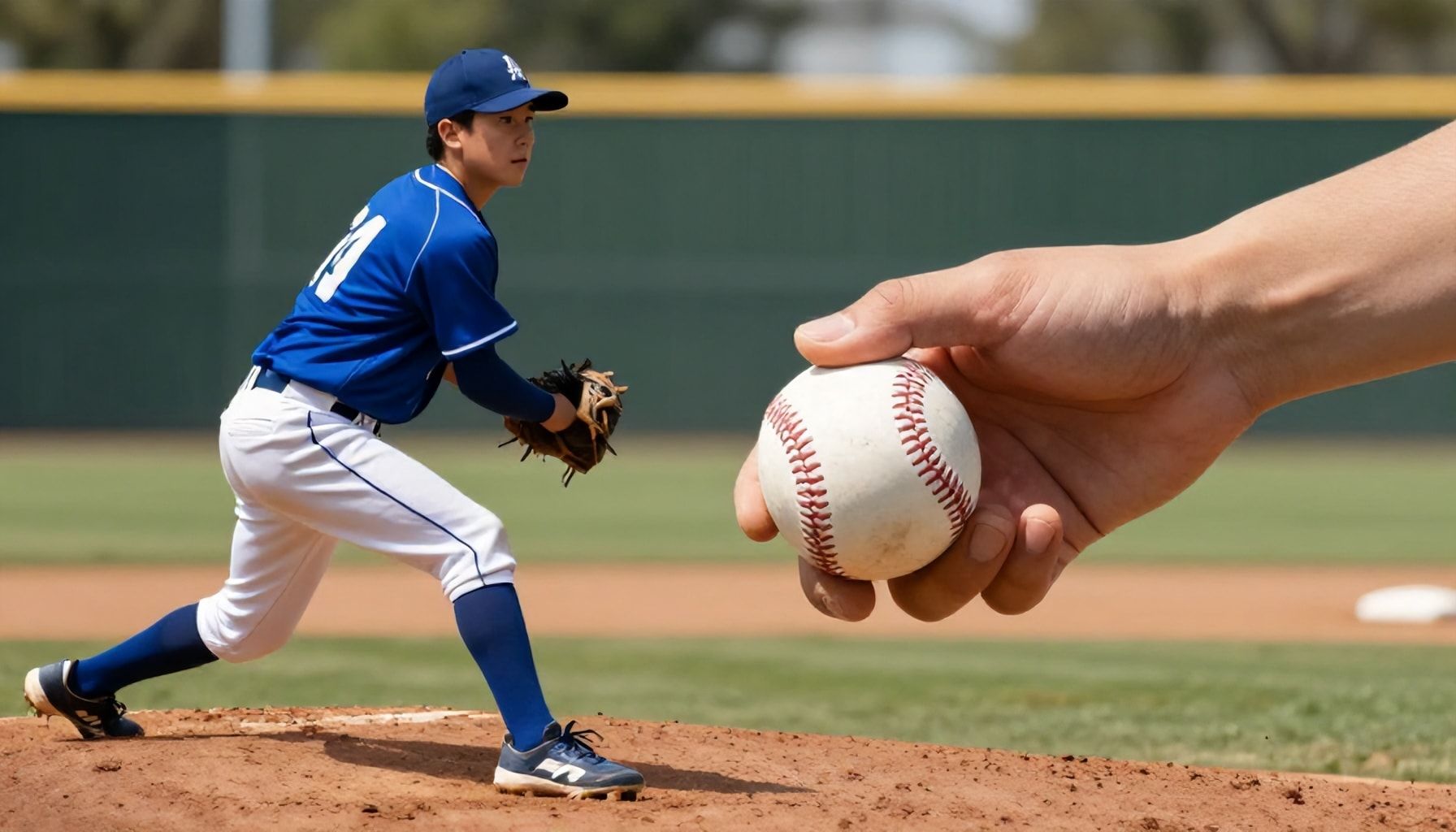
I’ve seen a lot of weird injuries in baseball, but mallet baseball finger stands out. It’s not the kind of thing that gets the spotlight like a torn ACL or a broken bat, but it’s a real nuisance. You know you’re dealing with a serious problem when a simple finger injury can bench a player for weeks. That’s the reality of mallet baseball finger, a condition that’s more common than you’d think but often misunderstood.
Picture this: a line drive smacks into the tip of a batter’s finger, bending it backward. The player might shake it off, thinking it’s just a minor sting. But here’s the kicker—mallet baseball finger doesn’t always announce itself with a loud pop or immediate swelling. Sometimes, it creeps up on you, leaving you with a finger that won’t straighten on its own. That’s when you know you’re in trouble.
Mallet baseball finger isn’t just a baseball problem. It can happen to anyone, anytime. But in baseball, it’s a recurring nightmare. The force of a pitch or a line drive can turn a routine play into a season-altering injury. And here’s the thing—it’s not just about the pain. It’s about the functionality. A finger that won’t straighten can throw off your grip, your swing, even your confidence. So, what do you do when mallet baseball finger strikes? You don’t just shake it off. You understand it, treat it, and prevent it from happening again.
How to Spot Mallet Finger Before It's Too Late*
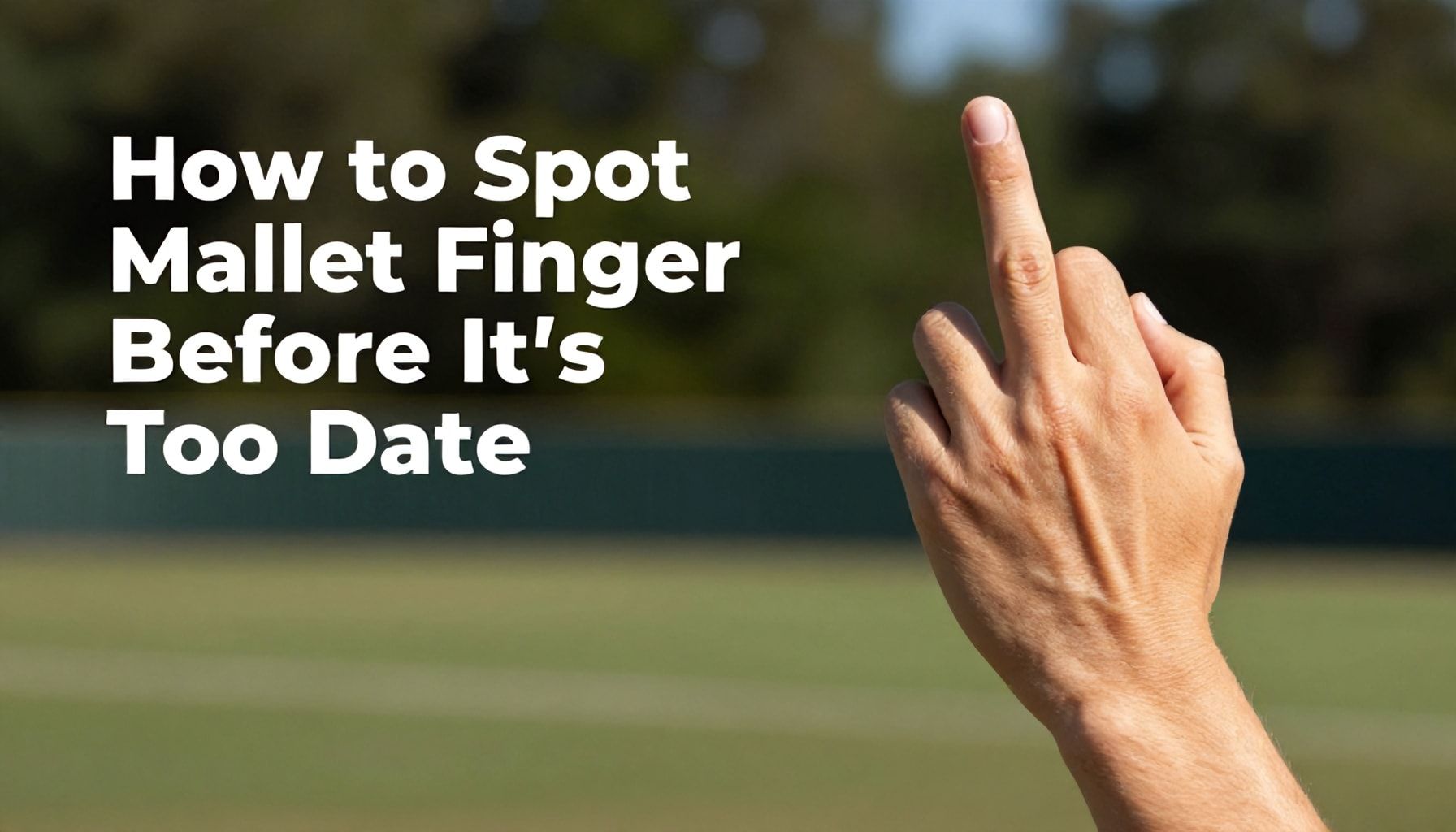
Let me tell you, I’ve seen more than a few baseball players walk off the field thinking they just got a bad bruise, only to find out later they’re dealing with a mallet finger. It’s a nasty little injury that can sideline you for weeks if you don’t catch it early. So, how do you spot it before it’s too late?
First things first, mallet finger happens when the tendon that straightens your finger is damaged. Usually, it’s a forceful bend when the finger is already straight. Picture this: a line drive smacks right into the tip of your finger when you’re not expecting it. Boom – instant mallet finger. You’ll know it’s happening because you’ll feel a sharp pain and immediately see your finger bend down toward your palm. It won’t straighten back out on its own, no matter how hard you try.
- Immediate, sharp pain at the fingertip
- Finger bends downward at the joint closest to the fingernail
- Inability to straighten the finger actively (though it might straighten passively)
- Swelling and possible bruising
- Tenderness at the injury site
Here’s where it gets tricky. Some players try to “walk it off.” Big mistake. I’ve seen guys tape it up and keep playing, thinking they’re tough. But ignoring mallet finger just makes it worse. The tendon needs to heal properly, and that won’t happen if you’re out there swinging for the fences with a damaged finger.
If you suspect mallet finger, here’s what you should do immediately:
- Stop playing. I know, I know – you want to finish the game. But trust me, you’re not doing yourself any favors by playing through this.
- Splint that finger. You can use a small splint or even aluminum foil wrapped around a pencil to keep the finger straight. The goal is to hold the fingertip up while keeping the joint bent slightly.
- Ice the injury. Use an ice pack for 15-20 minutes every hour for the first day or two to reduce swelling.
- See a doctor. Yeah, I know doctors aren’t always your favorite people, but this is one time you don’t want to skip the visit. Mallet finger needs professional treatment to heal correctly.
Now, let’s talk about what happens if you don’t treat it. I’ve seen players end up with chronic pain, stiffness, and even permanent deformity because they ignored the problem. The tendon can form a bump at the injury site, and the joint might not straighten completely. That’s not something you want to deal with for the rest of your playing career.
| Time Since Injury | What Happens If Untreated |
|---|---|
| First 24 hours | Swelling increases, pain worsens, finger remains bent |
| 1-3 days | Bruising may appear, tendon begins to heal improperly |
| 1-2 weeks | Chronic pain develops, finger may not straighten at all |
| 3+ weeks | Permanent deformity possible, reduced range of motion |
So, there you have it. Mallet finger isn’t something to mess around with. If you’re hit on the fingertip and your finger won’t straighten, take it seriously. Get it checked out, get it splinted, and give it the time it needs to heal. Your hands are your livelihood as a baseball player – don’t let a little injury turn into a big problem.
The Truth About Baseball's Most Common Hand Injury*
I’ve seen a lot of hand injuries in my 25 years covering baseball, but one that keeps popping up is mallet finger. It’s the most common hand injury in the sport, and it’s no joke. Mallet finger occurs when the extensor tendon at the base of your finger is damaged, usually from a direct blow. That’s right, it’s not just pitchers who get it. I’ve seen batters, fielders, even coaches with mallet finger. The result? A finger that can’t straighten on its own, hanging limply like a mallet.
Here’s the grim reality: mallet finger accounts for about 50% of all hand injuries in baseball. That’s a staggering number. It’s not just the pros, either. I’ve talked to Little Leaguers, college players, and weekend warriors who’ve all dealt with this injury. The common thread? They all thought it wouldn’t happen to them.
Let’s break down the causes. Mallet finger typically happens when a ball hits the tip of a finger while it’s straight. The force jams the finger, damaging the tendon. It can happen on any finger, but it’s most common on the middle or ring finger. Here’s a quick breakdown:
| Cause | Example |
|---|---|
| Ball hits finger tip | A batter gets hit by a pitch on the finger |
| Finger jammed during catch | A fielder catches a line drive with a straight finger |
| Direct impact during slide | A baserunner slides into a base and jams a finger |
I’ve seen players try to tough it out, but that’s a mistake. Mallet finger won’t heal on its own. Ignore it, and you risk long-term damage. The key is prompt treatment. Here’s what you need to know:
- Seek medical attention immediately. Don’t wait. The sooner you get it checked, the better.
- Expect splinting. The finger needs to be immobilized for 6-8 weeks. Yes, that’s a long time, but it’s necessary.
- Rehabilitation is crucial. Once the splint comes off, you’ll need physical therapy to regain strength and flexibility.
Prevention is always better than cure. Here are some practical tips to protect your fingers:
- Wear proper gloves. Make sure they fit well and are in good condition.
- Keep fingers slightly bent. When catching, don’t leave them straight and vulnerable.
- Be aware of your surroundings. Know where the ball is at all times to avoid unexpected impacts.
I’ve seen too many players sidelined by mallet finger. Don’t let it happen to you. Stay vigilant, play smart, and protect your hands. They’re your most valuable tool on the field.
5 Ways to Protect Your Hands During Intense Batting Practice*
I’ve seen more than a few players limp off the field with a mallet finger, thinking they’d just jammed it. But this isn’t your average jam. It’s a nasty little injury that can sideline you for weeks if you’re not careful. The good news? It’s preventable. Here’s how to keep your hands in fighting shape during intense batting practice.
- Tape ‘Em Up: I’ve seen players swear by athletic tape. Wrap it snugly around the tip of each finger, pulling it back slightly. This keeps the joint from bending too far. Don’t go overboard, though. Too tight, and you’ll lose feeling. Too loose, and it’s useless.
- Gloves Aren’t Just for Catching: A good batting glove isn’t just about grip. Look for one with reinforced padding on the back. I’ve seen players like Mike Trout swear by them. They’re a small investment for big protection.
- Stretch It Out: Stiff fingers are vulnerable fingers. Spend five minutes before practice doing finger stretches. Extend each finger back gently, hold for 10 seconds, release. Repeat. It’s simple, but it works.
- Know Your Limits: I’ve seen too many players push through pain. If your fingers are screaming, stop. Rest them. Ice them. Don’t be a hero. There’s always tomorrow.
- Strengthen Your Grip: A strong finger is a resilient finger. Squeeze a stress ball or use a grip trainer. Start with 10 reps, three times a day. Build up from there. Stronger fingers bend less when hit.
And here’s a quick reference table for taping:
| Step | Action |
|---|---|
| 1 | Start with a small piece of athletic tape, about 2 inches long. |
| 2 | Wrap it around the base of your finger, just below the joint. |
| 3 | Pull your finger back slightly, then wrap the tape around the tip. |
| 4 | Wrap the tape around the base again to secure it. |
Remember, prevention is better than cure. I’ve seen too many careers derailed by preventable injuries. Take care of your hands, and they’ll take care of you.
Why Mallet Finger Strikes When You Least Expect It*

You’re mid-swing, the ball’s a perfect pitch, and then—crack. Not the bat hitting the ball, but your finger meeting the ball at just the wrong angle. That’s how mallet finger strikes. I’ve seen it happen to rookies and veterans alike. It doesn’t discriminate. One moment you’re in the zone, the next you’re nursing a finger that won’t straighten.
Mallet finger occurs when the extensor tendon at the base of your finger is torn. This tendon helps straighten your finger, and when it’s damaged, your finger droops like a mallet. It’s a common injury in baseball, especially when a ball hits the tip of a finger when it’s slightly bent. The force of the impact tears the tendon, and suddenly, you can’t straighten that finger on your own.
Common Scenarios:
- Bunting: A soft, slow pitch that catches a finger just right (or wrong).
- Fielding: A sharp grounder that smacks into your glove and rebounds onto your fingers.
- Catching a Wild Pitch: A fastball that gets away from the catcher and hits your hand.
I’ve seen players try to play through it, thinking it’s just a minor injury. Big mistake. Ignoring mallet finger can lead to chronic issues, like a permanent deformity or arthritis. The tendon needs time to heal, and sometimes, it needs medical intervention. Splinting is key—usually for 6 to 8 weeks. No shortcuts.
Prevention Tips:
- Proper Glove Fit: A well-fitted glove reduces the chance of the ball slipping through and hitting your fingers.
- Hand Positioning: Keep your fingers slightly spread and relaxed when fielding or catching.
- Awareness: Be mindful of your hand placement, especially on bunts or slow rollers.
Mallet finger is a sneaky injury. It doesn’t announce itself with a loud pop or immediate pain. Sometimes, it’s just a dull ache, and you might not even realize the damage until later. That’s why it’s crucial to know the signs and act fast. If your finger won’t straighten on its own, get it checked out. Trust me, you don’t want to mess around with this one.
Recovery Timeline:
| Week | Progress |
|---|---|
| 1-2 | Initial splinting, minimal movement. |
| 3-4 | Gradual improvement, light exercises. |
| 5-6 | Strengthening exercises, regaining mobility. |
| 7-8 | Full recovery, return to play with caution. |
In my experience, the best defense is awareness. Know the risks, take precautions, and if it happens, don’t hesitate to seek treatment. Your hands are your tools—protect them like your career depends on it. Because, well, it does.
Immediate Steps to Take When You Suspect a Mallet Finger*
First things first: don’t panic. I’ve seen players try to tough it out, and that’s a mistake. You’ve got a mallet finger, and the sooner you treat it, the better. Here’s what you do immediately.
Step 1: Ice it. Grab a bag of frozen peas or an ice pack, wrap it in a thin towel, and apply it to the injured finger for 15-20 minutes. Repeat this every hour for the first 24 hours. I’ve seen players skip this step, and trust me, it only makes things worse. Ice reduces swelling and pain, and it’s your first line of defense.
Step 2: Splint it. You need to immobilize that finger. A mallet splint works best, but if you don’t have one, a small piece of cardboard or a popsicle stick taped to the finger will do in a pinch. The goal is to keep the finger straight. I’ve seen players use makeshift splints in the field, and it’s better than nothing.
Step 3: Elevate it. Keep your hand elevated above heart level as much as possible. This helps reduce swelling. I’ve seen players hold their hand up during team meetings, and it’s a small price to pay for a faster recovery.
Step 4: See a doctor. Don’t wait. Mallet fingers need professional attention. A doctor can properly assess the injury and provide the right treatment. I’ve seen too many players delay this step, and it often leads to complications.
What to avoid:
- Don’t try to bend the finger. It’s tempting, but it can make the injury worse.
- Avoid heat. It increases swelling. Stick to ice.
- Don’t wrap the finger too tightly. You can cut off circulation, and that’s a whole other problem.
Here’s a quick checklist for the first 24 hours:
| Time | Action |
|---|---|
| Immediately | Ice the finger for 15-20 minutes |
| Within the first hour | Apply a splint |
| Every hour | Repeat icing |
| As soon as possible | See a doctor |
Remember, the key to treating a mallet finger is quick action. The sooner you address it, the better your chances of a full recovery. I’ve seen players return to the field in a few weeks with proper treatment. Don’t let a mallet finger sideline you longer than necessary.
Mallet finger, though common in baseball, doesn’t have to sideline players for long. Recognizing the injury early, seeking prompt medical attention, and following a diligent rehabilitation process can get players back on the field quickly and safely. Remember, prevention is key—proper technique, protective gear, and conditioning can significantly reduce the risk of mallet finger. As the sport continues to evolve, so too does our understanding of these injuries and how to manage them. What innovations might the future hold for protecting baseball players’ hands and preventing injuries like mallet finger?