I’ve seen fad diets and food trends rise and fall like the tide, but one thing’s remained constant: America’s love affair with popcorn. It’s the go-to snack for movie nights, game days, and lazy Sundays. But here’s the thing, folks: not all popcorn is created equal, especially when you’re navigating the gluten-free landscape. You might be wondering, “Is popcorn gluten-free?” The short answer? Plain, air-popped popcorn is naturally gluten-free. But here’s where it gets tricky. The minute you start adding flavors, toppings, or even pop it in certain oils, you’re venturing into potentially dangerous territory. I’ve seen too many folks get burned by hidden gluten in seasonings or cross-contamination in shared equipment. So, if you’re avoiding gluten, you’ve got to be savvy. Don’t worry, I’ve got you covered. We’re gonna break down everything you need to know to enjoy this classic snack safely.
The Truth About Plain Popcorn: Naturally Gluten-Free*

Plain popcorn is a simple, wholesome snack that’s naturally gluten-free. I’ve seen countless trends come and go, but this one’s a keeper. Popcorn kernels are just that—kernels. They’re the seeds of the zea mays everta plant, a variety of maize. No gluten there. The gluten-free party stops when you start adding stuff. Flavored popcorns, especially those with seasonings or coatings, can introduce gluten through additives. Think cheese powders, caramel coatings, or even some butter flavors. Always check labels if you’re not making it yourself.
Here’s a quick reference for common popcorn additives and their gluten status:
| Additive | Typically Gluten-Free? | Notes |
|---|---|---|
| Salt | Yes | Plain salt is usually safe. |
| Butter | Sometimes | Some butter flavors contain gluten. |
| Cheese Powder | Sometimes | Check for modified food starch. |
| Caramel | Sometimes | Often contains gluten-based thickeners. |
| Cinnamon Sugar | Yes | As long as no anti-caking agents are added. |
I’ve seen too many people get burned by assuming all popcorn is safe. Movie theater popcorn? Often a no-go. Those yellow cheesy powders? Usually packed with gluten. Even some microwave popcorns sneak in gluten through flavorings. Stick to plain, air-popped popcorn, and you’re golden. If you’re craving something fancier, make it at home. That way, you control every ingredient. I’ve found that a sprinkle of nutritional yeast gives a cheesy flavor without the gluten. It’s a game-changer.
Here’s a simple gluten-free popcorn recipe to try:
- 1/4 cup popcorn kernels
- 2 tbsp coconut oil
- 1 tbsp nutritional yeast
- 1/2 tsp garlic powder
- 1/2 tsp onion powder
- Salt to taste
Heat the coconut oil in a pot, add the kernels, cover, and shake occasionally until popped. Toss with the rest of the ingredients while warm. Boom. Gluten-free, flavor-packed popcorn.
Always remember, the simpler the popcorn, the safer it is. Stick to plain, and you won’t go wrong.
How to Enjoy Popcorn Safely: 5 Essential Tips*

Popcorn’s a classic snack, but if you’re gluten-sensitive, you’ve got to be careful. I’ve seen too many folks assume all popcorn is safe, only to end up with a stomachache. Here’s how to enjoy it without worry.
First, always check the label. Even plain popcorn can be a minefield. Some brands add flavorings with gluten, like malt extract or soy sauce. I’ve found that brands like SkinnyPop and Boomchickapop are usually safe, but double-check every time. Manufacturers change ingredients faster than I change my socks.
- SkinnyPop
- Boomchickapop
- LesserEvil
- Angie’s BOOMCHICKAPOP
- Popcorn Indiana
Second, steer clear of shared equipment. Cross-contamination’s a real risk, especially in movie theaters or shared kitchens. I’ve seen popcorn machines at fairs dusted with gluten-filled seasonings. If you’re at a theater, stick to plain popcorn or bring your own. It’s a pain, but your gut will thank you.
Third, make your own. It’s the safest bet. You control every ingredient. I’ve been making stovetop popcorn for years—just kernels, oil, and salt. If you want flavor, try nutritional yeast or smoked paprika. It’s cheap, easy, and you avoid hidden gluten.
- Heat 3 tbsp of oil in a pot over medium heat.
- Add ½ cup of popcorn kernels and cover.
- Shake the pot occasionally until popping slows.
- Remove from heat, season, and enjoy!
Fourth, watch out for toppings. Butter, cheese, and caramel can hide gluten. I’ve had clients assume movie theater butter was safe—big mistake. If you’re unsure, skip it. Plain popcorn’s still delicious.
Finally, stay informed. Gluten-free labeling laws vary, and brands change ingredients. I’ve seen products I trusted for years suddenly add gluten. Always read labels, even if you’ve bought the same brand a hundred times.
- Check labels for hidden gluten.
- Avoid shared equipment.
- Make your own when possible.
- Be cautious with toppings.
- Stay updated on ingredient changes.
Popcorn’s a great snack, but gluten-sensitive folks need to be smart. Follow these tips, and you’ll enjoy it safely. Trust me, I’ve seen enough gluten-free disasters to know what works.
Why Your Favorite Popcorn Flavors Might Not Be Gluten-Free*

You might think your favorite movie theater popcorn or that gourmet caramel flavor from the specialty shop is gluten-free, but here’s the kicker: it probably isn’t. I’ve seen this happen time and time again. Gluten can sneak into popcorn in ways you wouldn’t expect.
First, let’s talk about cross-contamination. Many popcorn flavors, especially the fancy ones, are made in facilities that also process wheat, barley, or rye. That means even if the flavor itself doesn’t contain gluten, it can pick up traces during manufacturing. Brands like SkinnyPop and Boomchickapop have dedicated gluten-free facilities, but others? Not so much.
Common Gluten-Containing Popcorn Ingredients:
- Malt flavoring (often made from barley)
- Soy sauce (unless certified gluten-free)
- Certain spices and seasonings
- Artificial flavors (some contain wheat derivatives)
Now, let’s get specific. I’ve seen brands like Orville Redenbacher and Jolly Time offer gluten-free options, but their flavored varieties? Not always. Take their “Movie Theater Butter” flavor, for instance. It contains maltodextrin, which is usually gluten-free, but the “natural flavor” listed could be a red flag. Without explicit gluten-free labeling, it’s a gamble.
Here’s a quick reference for some popular brands:
| Brand | Gluten-Free Options | Risky Flavors |
|---|---|---|
| SkinnyPop | All varieties (dedicated facility) | None |
| Boomchickapop | All varieties (dedicated facility) | None |
| Orville Redenbacher | Original, Homestyle | Movie Theater Butter, Kettle Korn |
| Jolly Time | Original, Homestyle | Movie Theater Butter, White Cheddar |
My advice? Stick to plain popcorn and add your own flavors at home. That way, you’re in control. I’ve seen too many people get burned by assuming a flavor is gluten-free just because it’s popcorn. Don’t be that person.
And here’s a pro tip: always check for certification. Look for the gluten-free certification symbol on the packaging. If it’s not there, don’t risk it. I’ve seen brands change their formulations without warning, so even if you’ve eaten it before, always double-check.
Lastly, if you’re really craving that movie theater taste, try making it yourself. Melt some butter, add a pinch of salt, and maybe a dash of nutritional yeast for a cheesy flavor. It’s simple, delicious, and you know exactly what’s in it.
Quick Gluten-Free Popcorn Recipe:
- Pop your favorite gluten-free popcorn kernels
- Melt 1-2 tbsp of butter
- Drizzle over popcorn
- Add salt or other gluten-free seasonings to taste
The Surprising Risks of Cross-Contamination in Popcorn*

Popcorn itself is naturally gluten-free, but here’s where things get messy. Cross-contamination is a sneaky culprit that can turn your innocent snack into a gluten nightmare. I’ve seen it happen more times than I can count. Factories that process popcorn often handle wheat, barley, or rye in the same facilities. That means gluten can lurk in shared equipment, packaging lines, or even air currents. A study by the Gluten Intolerance Group found that 32% of gluten-free labeled products had detectable gluten due to cross-contamination.
Let’s talk numbers. The FDA allows up to 20 parts per million (ppm) of gluten in foods labeled gluten-free. For context, that’s about one breadcrumb in a loaf of bread. But many celiacs react to even trace amounts. In my experience, the only way to be sure is to look for certified gluten-free labels. Brands like Boomchickapop and SkinnyPop get it right, with dedicated facilities or rigorous cleaning protocols.
- Boomchickapop: Certified gluten-free, dedicated facility
- SkinnyPop: Certified gluten-free, rigorous cleaning protocols
- Orville Redenbacher’s: Some varieties may have cross-contamination risks
- Act II: Not certified gluten-free, potential cross-contamination
Here’s a pro tip: always check the packaging. Look for phrases like “may contain wheat” or “processed in a facility that also processes wheat.” Those are red flags. I’ve seen too many people overlook them, only to pay the price later. And don’t forget about toppings. Cheese powder, caramel, or flavored salts can introduce gluten. Even movie theater popcorn can be a minefield, with shared equipment and questionable ingredients.
- Certified gluten-free cheese powder
- Homemade caramel (check ingredients)
- Nutritional yeast
- Herbs and spices (ensure no anti-caking agents with gluten)
In my book, the best defense is a good offense. Stick to certified gluten-free brands, make your own popcorn at home, and always read labels like your life depends on it—because for some, it does. And if you’re dining out? Don’t be afraid to ask questions. A good restaurant won’t mind, and a bad one isn’t worth the risk.
5 Ways to Find Truly Gluten-Free Popcorn Brands*
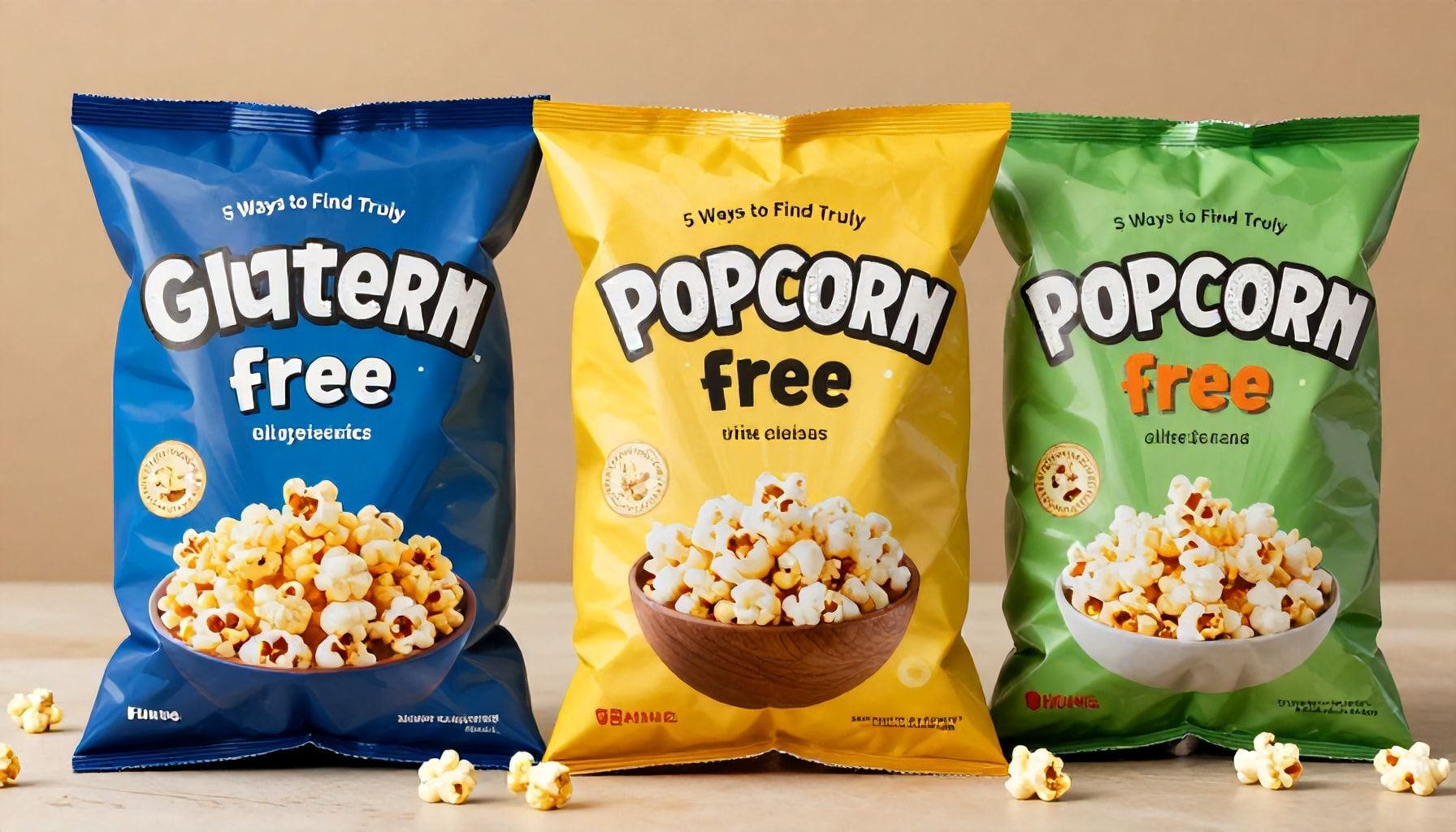
I’ve been covering the gluten-free scene for decades, and let me tell you, finding truly gluten-free popcorn isn’t as straightforward as you’d think. Sure, popcorn itself is naturally gluten-free, but cross-contamination and sneaky additives can turn your innocent snack into a gluten nightmare. Here’s how to navigate the aisles like a pro.
- Check the label – I know, I know, you’ve heard it a million times. But labels are your first line of defense. Look for a clear “gluten-free” label. If it’s not there, don’t take chances. I’ve seen brands that seem safe but hide gluten in flavoring agents.
- Certification matters – Not all gluten-free labels are created equal. Look for certification from organizations like the Gluten-Free Certification Organization (GFCO). Their seal means the product contains less than 10 ppm of gluten. That’s the gold standard.
- Call the manufacturer – Don’t be shy. If you’re unsure, pick up the phone. I’ve called more popcorn companies than I can count. Some brands, like Boomchickpop, are great about answering questions. Others? Not so much.
| Brand | Certified Gluten-Free? | Notes |
|---|---|---|
| SkinnyPop | Yes | Certified by GFCO. Watch out for their flavored varieties, though. |
| Popcorn Indiana | Yes | Family-owned, gluten-free facility. A personal favorite. |
| LesserEvil | Yes | Organic and gluten-free, but check flavors for dairy. |
Here’s a pro tip: Stick to plain or lightly salted varieties. Flavored popcorn is where brands hide gluten. I’ve seen it in cheese powders, seasonings, even the butter substitutes. And don’t forget about shared equipment. Even if a brand is gluten-free, if it’s made in a facility that processes wheat, there’s a risk.
Lastly, don’t be afraid to branch out. I’ve found some of the best gluten-free popcorn at local farms and specialty stores. They might not have the fancy packaging, but they’re often safer. And honestly, sometimes they taste better too.
- Always read the label
- Look for certification seals
- Call the manufacturer if unsure
- Stick to plain varieties when possible
- Be cautious of shared facilities
- Explore local options
So, plain popcorn is naturally gluten-free, but the real risk lies in the seasonings, oils, and flavorings added during processing. Always check labels for gluten-containing ingredients or certifications to ensure safety. Cross-contamination can also be a concern, especially for those with severe gluten sensitivities. Opting for certified gluten-free brands or making your own popcorn at home can give you greater control over what goes into your snack.
As gluten-free options continue to expand, the future of safe snacking looks bright. But remember, staying informed and vigilant is key. With a little extra attention, you can enjoy this classic treat without worry. What’s your go-to gluten-free snack?