
I’ve been around the block enough times to know that running out of red wine vinegar mid-recipe is a real pain. You’re not alone if you’ve found yourself staring at a recipe that calls for that tangy, complex flavor and wondering what to do. I’ve seen every trick in the book, and I’m here to tell you there are some solid red wine vinegar substitutes that won’t leave you scrambling to the store.
First off, don’t panic. You don’t need to toss the recipe just because you’re out of red wine vinegar. I’ve tested plenty of substitutes, and some work better than others. The key is understanding what red wine vinegar brings to the dish—its acidity, depth, and slight sweetness—and finding something that can mimic that balance. You might be surprised by what’s already in your pantry.
The Truth About Apple Cider Vinegar: A Flavorful Swap*

If you’re out of red wine vinegar and staring at a bottle of apple cider vinegar, don’t panic. I’ve been in that spot more times than I can count. Apple cider vinegar’s tangy, fruity punch can work in a pinch, but there are some tricks to make it shine.
First, the basics: apple cider vinegar is milder and sweeter than red wine vinegar. It’s got that apple undertone, which can be a pro or a con depending on what you’re cooking. I’ve found it works best in dressings, marinades, and pickling. For every tablespoon of red wine vinegar, use a tablespoon and a half of apple cider vinegar. That extra half will give you the acidity you need.
But here’s where it gets interesting. Apple cider vinegar’s sweetness can actually enhance certain dishes. I once made a balsamic glaze substitute with it for a client’s bruschetta. They swore it was better than the original. The trick? Balance the sweetness with a pinch of salt and a dash of black pepper. It cuts through the richness and adds depth.
- Use 1.5 tbsp apple cider vinegar for every 1 tbsp red wine vinegar
- Add a pinch of salt to balance sweetness
- Great for dressings, marinades, and pickling
- Not ideal for delicate dishes where apple flavor might clash
Now, let’s talk about what not to do. I’ve seen people try to use apple cider vinegar in recipes where the apple flavor would clash—like in a delicate seafood ceviche. That’s a no-go. Stick to dishes where that fruity note can shine or be balanced out.
And here’s a pro tip: if you’re using it in a recipe that calls for cooking the vinegar, like a reduction, add a splash of water to mellow out the acidity. I learned this the hard way after ruining a batch of glaze—too much vinegar, not enough balance. Now I always keep a small bowl of water nearby when I’m cooking with vinegar.
| Do | Don’t |
|---|---|
| Use in dressings and marinades | Use in delicate seafood dishes |
| Balance with salt and pepper | Skip the balancing act |
| Add water when cooking | Overpower with too much vinegar |
So, can apple cider vinegar be a red wine vinegar substitute? Absolutely. With a little know-how, it can even elevate your dish. Just remember: balance is key, and not every recipe is a match. Now go forth and vinegar-swap like a pro.
How to Use Balsamic Vinegar for Richer Dishes*
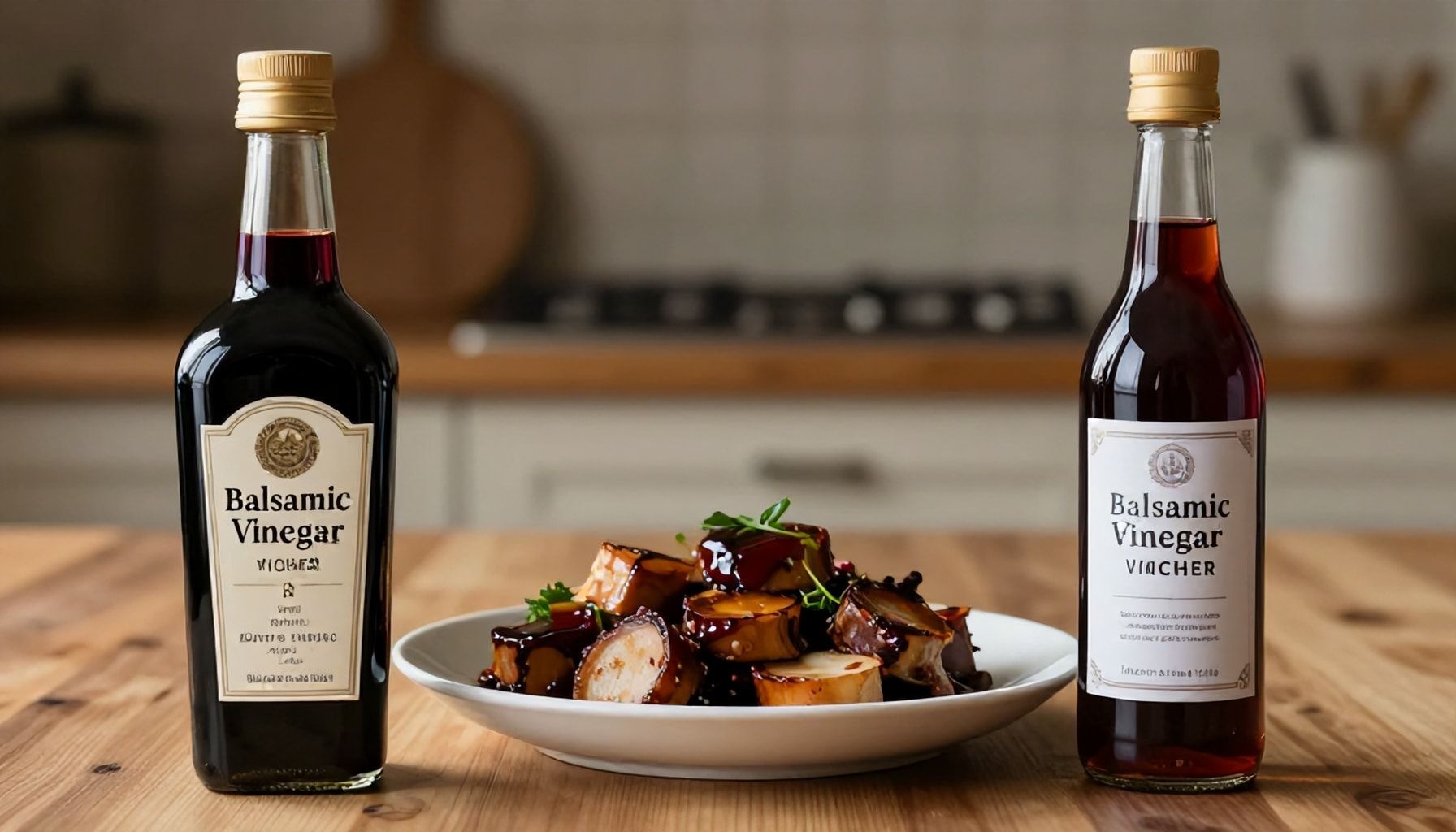
Balsamic vinegar, that thick, syrupy condiment you probably have lurking in your pantry, isn’t just for drizzling over salads or caprese. It’s a fantastic red wine vinegar substitute, especially when you want to add depth and a touch of sweetness to your dishes. I’ve seen home cooks and professional chefs alike reach for it when they’re out of red wine vinegar, and the results are often impressive.
Balsamic vinegar’s rich, complex flavor comes from its aging process in wooden barrels. That’s why it’s darker and sweeter than red wine vinegar. When you’re using it as a substitute, you’re not just replacing one acid for another—you’re adding a whole new dimension to your dish. But don’t just take my word for it. Let’s break it down.
The Basics:
- Ratio: Start with a 1:1 ratio. If your recipe calls for a tablespoon of red wine vinegar, use a tablespoon of balsamic.
- Taste as you go: Balsamic is stronger, so you might not need the full amount. Taste your dish after adding half, then adjust.
- Consider the dish: Balsamic’s sweetness works beautifully in marinades, dressings, and reductions. It’s also great for glazing meats or vegetables.
Pro Tips:
- Reduce it: Balsamic’s natural thickness makes it perfect for reductions. Simmer it down to intensify its flavor and create a glossy glaze.
- Balance the sweetness: If you’re worried about the sweetness overpowering your dish, add a pinch of salt or a squeeze of lemon to balance it out.
- Avoid overcooking: Balsamic can become bitter if cooked too long. Keep an eye on it, especially when reducing.
What to Avoid:
- Cheap balsamic: You get what you pay for. A $3 bottle of balsamic won’t have the same depth of flavor as a $10 one. If you’re using it as a substitute, splurge a little.
- Using it in delicate dishes: Balsamic’s strong flavor can overpower subtle dishes. It’s not the best substitute for red wine vinegar in a delicate vinaigrette, for example.
Quick Reference Table:
| Dish Type | Balsamic Substitute Works Well? | Notes |
|---|---|---|
| Marinades | Yes | Adds depth and sweetness |
| Dressings | Sometimes | May need to balance sweetness |
| Reductions | Yes | Perfect for glazes |
| Pickling | No | Too sweet and thick |
| Baking | Sometimes | Consider the recipe's sweetness level |
Real-World Example:
I once watched a chef use balsamic vinegar to deglaze a pan after searing steaks. He reduced it with a splash of beef stock and a pat of butter, creating a glossy, sweet-savory sauce that was incredible. The dish would have been good with red wine vinegar, but the balsamic took it to another level. That’s the power of this substitute—it’s not just a stand-in, it’s an upgrade.
So next time you’re out of red wine vinegar, don’t panic. Grab that bottle of balsamic and get creative. You might just discover a new favorite flavor.
Why Sherry Vinegar is a Chef's Secret Weapon*

If you’re looking for a red wine vinegar substitute that brings depth and complexity to your dishes, sherry vinegar is your best bet. I’ve seen chefs swear by it for years, and for good reason.
Sherry vinegar is made from sherry wine, which is aged in a solera system—a process that involves blending vinegars of different ages to create a consistent, complex flavor. This aging process gives sherry vinegar a rich, nutty, and slightly sweet profile that can add a sophisticated twist to your recipes. It’s got about 6% acidity, just a touch lower than red wine vinegar, but it makes up for it with layers of flavor.
Here’s a quick comparison to help you understand the nuances:
| Flavor Profile | Acidity Level | Best Used In |
|---|---|---|
| Rich, nutty, slightly sweet | 6% | Dressings, marinades, reductions, and sauces |
In my experience, sherry vinegar shines in dressings and marinades. It’s particularly great for vinaigrettes—just mix it with extra virgin olive oil, Dijon mustard, and a pinch of salt and pepper. The nuttiness of the vinegar complements the sharpness of the mustard, creating a balanced, flavorful dressing. I’ve also used it in reductions for glazes or sauces, where its depth of flavor really stands out.
If you’re experimenting with sherry vinegar, start by substituting it in a 1:1 ratio for red wine vinegar. You might need to adjust the sweetness or acidity slightly depending on the dish, but it’s a flexible ingredient that can elevate even the simplest recipes. Trust me, once you try it, you’ll see why it’s a chef’s secret weapon.
For those who want to explore further, here are a few recipe ideas where sherry vinegar works beautifully:
- Gazpacho: Adds a subtle complexity to the fresh, tangy flavors of tomatoes and cucumbers.
- Marinated Olives: The nuttiness pairs perfectly with the briny taste of olives.
- Reduction Sauces: Use it to deglaze pans for a rich, caramelized sauce.
Sherry vinegar might not be as common as red wine vinegar, but its unique flavor profile makes it worth seeking out. Once you’ve got a bottle in your pantry, you’ll find yourself reaching for it time and again.
3 Unexpected Ways to Use Champagne Vinegar*

Champagne vinegar might sound like a fancy cocktail ingredient, but it’s a versatile player in the kitchen. I’ve seen it transform dishes in ways you wouldn’t expect. Here are three unexpected ways to use it:
1. Brighten up your salad dressings
Forget the usual red wine vinegar in your vinaigrette. Champagne vinegar’s delicate flavor won’t overpower fresh greens. Try this: mix 3 parts olive oil to 1 part champagne vinegar, add a pinch of salt, and a teaspoon of Dijon mustard. It’s lighter, brighter, and perfect for summer salads.
2. Elevate your marinades
I’ve found champagne vinegar works wonders in marinades for poultry and fish. Its subtle acidity tenderizes meat without adding bitterness. Here’s a quick recipe: combine ¼ cup champagne vinegar, ½ cup olive oil, 2 minced garlic cloves, 1 tsp dried thyme, salt, and pepper. Let your chicken marinate for at least 2 hours before grilling.
3. Add sparkle to your desserts
Yes, you read that right. Champagne vinegar can enhance your sweet treats. It cuts through richness in recipes like chocolate mousse or whipped cream. Try adding ½ teaspoon to your next batch of chocolate mousse. The slight tang will make the chocolate taste even more decadent.
Champagne Vinegar vs. Red Wine Vinegar: A Quick Comparison
| Feature | Champagne Vinegar | Red Wine Vinegar |
|---|---|---|
| Flavor Profile | Light, crisp, slightly sweet | Tangy, robust, complex |
| Acidity Level | 6% | 6-7% |
| Best For | Salads, marinades, desserts | Stews, sauces, pickling |
Pro Tip:
Always taste as you go. Champagne vinegar’s mild flavor means it’s easy to overdo. Start with small amounts and adjust to your liking.
When to Choose Rice Vinegar for Subtle Brightness*

Listen, I’ve been around the block enough times to know that not every recipe needs that bold, tangy punch of red wine vinegar. Sometimes, you want something lighter, brighter, more subtle. That’s when rice vinegar steps up to the plate. It’s got a mild acidity and a touch of sweetness that won’t overpower your dish. I’ve seen it work wonders in dressings, marinades, and even pickling.
But let’s get specific. Here’s when I’d reach for rice vinegar over red wine vinegar:
- Asian-inspired dishes: Rice vinegar is a staple in Asian cuisine. It’s perfect for dressings, dipping sauces, or marinades. Think of it as your go-to for sushi rice, stir-fries, or even a bright stir-fry sauce.
- Light, fresh salads: If you’re making a delicate salad with greens, cucumbers, or fruits, rice vinegar won’t overpower the ingredients. It’ll add a gentle tang and a hint of sweetness.
- Pickling: For quick pickles or pickled vegetables that you want to eat fresh, rice vinegar is ideal. It won’t make your veggies too sour, and it’ll keep their crunch.
Now, let’s talk ratios. If a recipe calls for 1 tablespoon of red wine vinegar, you can substitute it with 1 tablespoon of rice vinegar. Easy, right? But remember, rice vinegar is milder, so if you’re looking for a bit more tang, you might want to increase the amount slightly. Start with a 1:1 ratio, then adjust to taste.
Here’s a quick reference table for your pantry:
| Dish | Red Wine Vinegar | Rice Vinegar Substitute |
|---|---|---|
| Salad Dressing | 1 tbsp | 1 tbsp |
| Marinade | 2 tbsp | 2 tbsp |
| Pickling | 1/2 cup | 1/2 cup |
One thing I’ve learned over the years is that cooking is all about balance. And sometimes, that balance calls for a subtle touch. Rice vinegar’s got that in spades. So next time you’re reaching for the red wine vinegar, pause. Ask yourself, “Do I need bold, or do I need bright?” If it’s the latter, you know what to do.
When it comes to cooking, having the right vinegar can make all the difference. Red wine vinegar brings a unique balance of acidity and depth to dishes, but when you’re in a pinch, these substitutes can save the day. From apple cider vinegar to balsamic vinegar, each offers its own twist while keeping your recipe on track. Remember, the key is to adjust quantities to taste and consider the flavor profile you’re aiming for. Next time you’re experimenting in the kitchen, why not try one of these alternatives and see how it transforms your favorite recipes? Who knows, you might just discover a new favorite flavor combination!