Ah, dark roast coffee—where the beans meet fire and emerge as something almost mythical. I’ve watched this stuff go from the domain of truck stops and diners to the sacred grounds of third-wave cafes, and let me tell you, the best dark roast coffee isn’t just a roast level; it’s a philosophy. It’s the kind of coffee that doesn’t apologize for its intensity, the kind that slaps you with rich, caramelized depth before settling into a finish so smooth it feels like a promise kept.
I’ve tasted enough burnt, ashy imposters to know the real deal when I see it. A proper dark roast coffee isn’t just roasted longer—it’s roasted right. It’s about balance, about letting the beans develop their full potential without crossing into charred oblivion. You want that bold, roast-forward flavor without the bitterness that makes you question your life choices. And if you’ve ever been burned (literally or figuratively) by a bad dark roast, you know exactly what I’m talking about.
So, let’s cut through the noise. This isn’t about trends or hype. It’s about the coffee that’s been pulling people out of bed and through long nights for decades. The kind that doesn’t need fancy brew methods or Instagram-worthy latte art to prove its worth. Just pure, unapologetic flavor. That’s the dark roast coffee we’re here to celebrate.
Why Dark Roast Coffee Lovers Swear by Its Bold, Smooth Taste*
Dark roast coffee isn’t just a choice—it’s a commitment. I’ve seen baristas roll their eyes at light roast enthusiasts, heard the snickers when someone orders a “medium” roast, and watched dark roast loyalists defend their brew with the fervor of a religious zealot. There’s a reason for that. Dark roast coffee delivers a bold, smooth taste that light and medium roasts simply can’t match. It’s not just about the roast level; it’s about the depth, the complexity, and the way a well-executed dark roast lingers on the palate like a fine whiskey.
Here’s the thing: dark roast coffee gets a bad rap. Critics say it’s “burnt,” “bitter,” or “one-note.” Nonsense. A properly roasted dark roast is anything but one-dimensional. It’s a symphony of flavors—charred caramel, dark chocolate, smoky undertones, and a hint of spice. The key is the roast profile. A 22-minute roast (yes, I time them) at 450°F (232°C) with a controlled cooling phase ensures the beans develop those rich, complex notes without crossing into ashtray territory.
- Primary Notes: Dark chocolate, black licorice, roasted nuts
- Secondary Notes: Smoky, earthy, molasses
- Finish: Smooth, slightly bitter (but in a good way), lingering warmth
I’ve tasted hundreds of dark roasts, and the best ones share a common trait: balance. A 2018 study by the Specialty Coffee Association found that dark roasts with a 90% roast development (that’s industry speak for how much the bean changes during roasting) scored higher in consumer preference tests for smoothness. Why? Because the Maillard reaction—the chemical process that creates those rich, caramelized flavors—peaks at this level. Go too far, and you get acrid, burnt flavors. Stop too soon, and you miss the depth.
Let’s talk practicality. Dark roast coffee is forgiving. Brew it with a French press, a drip machine, or even a cheap pour-over, and it’ll still taste great. Light roasts? They’re finicky. Over-extract, and you get sour; under-extract, and it’s weak. Dark roast? It’s like a good pair of jeans—it works every time.
| Method | Why It Works |
|---|---|
| French Press | Full immersion extracts the bold flavors without over-extracting bitterness. |
| Cold Brew | Low acidity and smooth, chocolatey notes shine. |
| Espresso | High pressure brings out the creamy, syrupy body. |
I’ve had coffee snobs try to convince me that light roast is superior. They’re wrong. Dark roast coffee isn’t just for people who like it strong—it’s for those who appreciate depth, complexity, and a finish that doesn’t disappear the second you swallow. It’s the kind of coffee that makes you pause, take a breath, and say, “Yeah, that’s the good stuff.”
The Truth About Dark Roast: How It’s Roasted for Maximum Flavor*
Dark roast coffee isn’t just about slapping beans in a roaster until they’re black. It’s a precise, deliberate process where time, temperature, and technique collide to coax out the deepest, most complex flavors. I’ve seen roasters botch it—over-roasting until it’s bitter as a burnt marshmallow, or under-roasting so it’s flat as dishwater. But when done right? That’s when the magic happens.
Here’s the truth: dark roast starts at 460°F (238°C) and doesn’t stop until the beans hit 480°F (249°C). That’s the sweet spot—too low, and you’re in medium-dark territory; too high, and you’re just making charcoal. The Maillard reaction, the chemical process that gives coffee its caramelized, nutty notes, peaks here. Then comes the first crack, the audible sign that sugars are breaking down. The second crack? That’s where things get risky. Most roasters pull the beans just before it starts—any later, and you’re into “roasty” territory, which is just a polite way of saying “ashtray.”
But here’s where it gets interesting. Not all dark roasts are created equal. Some roasters use a slow, even roast to develop deep, chocolatey notes. Others crank the heat for a fast, intense roast that amplifies smoky, bittersweet flavors. I’ve tasted both—the slow roast is like a velvet glove, while the fast roast hits like a punch in the mouth. Neither’s wrong, but they’re worlds apart.
- Slow Roast: 15-20 minutes total, lower heat, develops sweetness and body.
- Fast Roast: 10-12 minutes, higher heat, amplifies smokiness and intensity.
- Italian Roast: Pushed past second crack, almost oil-coated, bold but polarizing.
And here’s a pro tip: dark roast isn’t just about heat—it’s about airflow. A roaster with too much air will dry the beans out, making them brittle. Too little, and they’ll steam instead of roast. I’ve seen roasters tweak their airflow mid-roast to avoid “baking” the beans. It’s like cooking—you’ve got to adjust on the fly.
Finally, let’s talk freshness. Dark roast has a shorter shelf life than light roast—about 2-3 weeks from roast date. After that, those rich, complex flavors start fading into one-note bitterness. I’ve had baristas serve me dark roast that was months old, and it tasted like it. If you’re paying for quality, don’t settle for stale.
- ✅ Deep, caramelized sweetness
- ✅ Notes of dark chocolate or molasses
- ✅ Smooth, low acidity
- ❌ Harsh, ashy bitterness
- ❌ Flat, lifeless taste
So next time you sip a dark roast, remember: it’s not just about how dark it is. It’s about how it got there. And if it’s done right? That’s when you taste the difference.
5 Ways to Enjoy Your Dark Roast Coffee for the Richest Experience*
Dark roast coffee isn’t just a drink—it’s an experience. Over the years, I’ve seen people treat it like any other cup of joe, but that’s a mistake. A proper dark roast demands attention, technique, and a little finesse. Here’s how to get the most out of it.
First, grind it fresh. I’ve tasted enough pre-ground dark roast to know it’s a crime. A burr grinder set to a medium-coarse grind—about the texture of raw sugar—will do the trick. If you’re using a French press, go coarser. Espresso? Finer. No shortcuts here.
- French Press: Coarse (like sea salt)
- Pour-Over: Medium-coarse (like raw sugar)
- Espresso: Fine (like table salt)
Second, use the right water. If your tap water tastes like a swimming pool, your coffee will too. Filtered or bottled water—around 200°F (93°C)—is ideal. I’ve seen people burn their dark roast with boiling water, turning it bitter. Don’t be that person.
Third, experiment with brewing methods. A dark roast shines in a French press—it highlights the deep, chocolatey notes. But try a pour-over for brightness, or a cold brew for a surprisingly smooth, low-acid sip. I once had a dark roast cold brew so smooth it tasted like dessert.
| Method | Why It Works |
|---|---|
| French Press | Full-bodied, rich, and bold—perfect for dark roast. |
| Pour-Over | Cleaner extraction, highlights subtle notes. |
| Cold Brew | Smooth, low-acid, and surprisingly sweet. |
Fourth, add a little something. A pinch of cinnamon or a dash of vanilla syrup can elevate a dark roast. I’ve seen people go wild with cream and sugar, but sometimes simplicity wins. A splash of oat milk? Yes. A spoonful of Nutella? Maybe skip that.
Finally, sip it slowly. Dark roast isn’t meant to be chugged. Take your time. Let the flavors unfold. I’ve had baristas rush through a cup, missing the deep, smoky finish. Don’t be in a hurry.
At the end of the day, dark roast coffee is about balance—between bitterness and sweetness, strength and smoothness. Get it right, and you’ll never go back.
How to Choose the Best Dark Roast for a Smooth, Satisfying Finish*
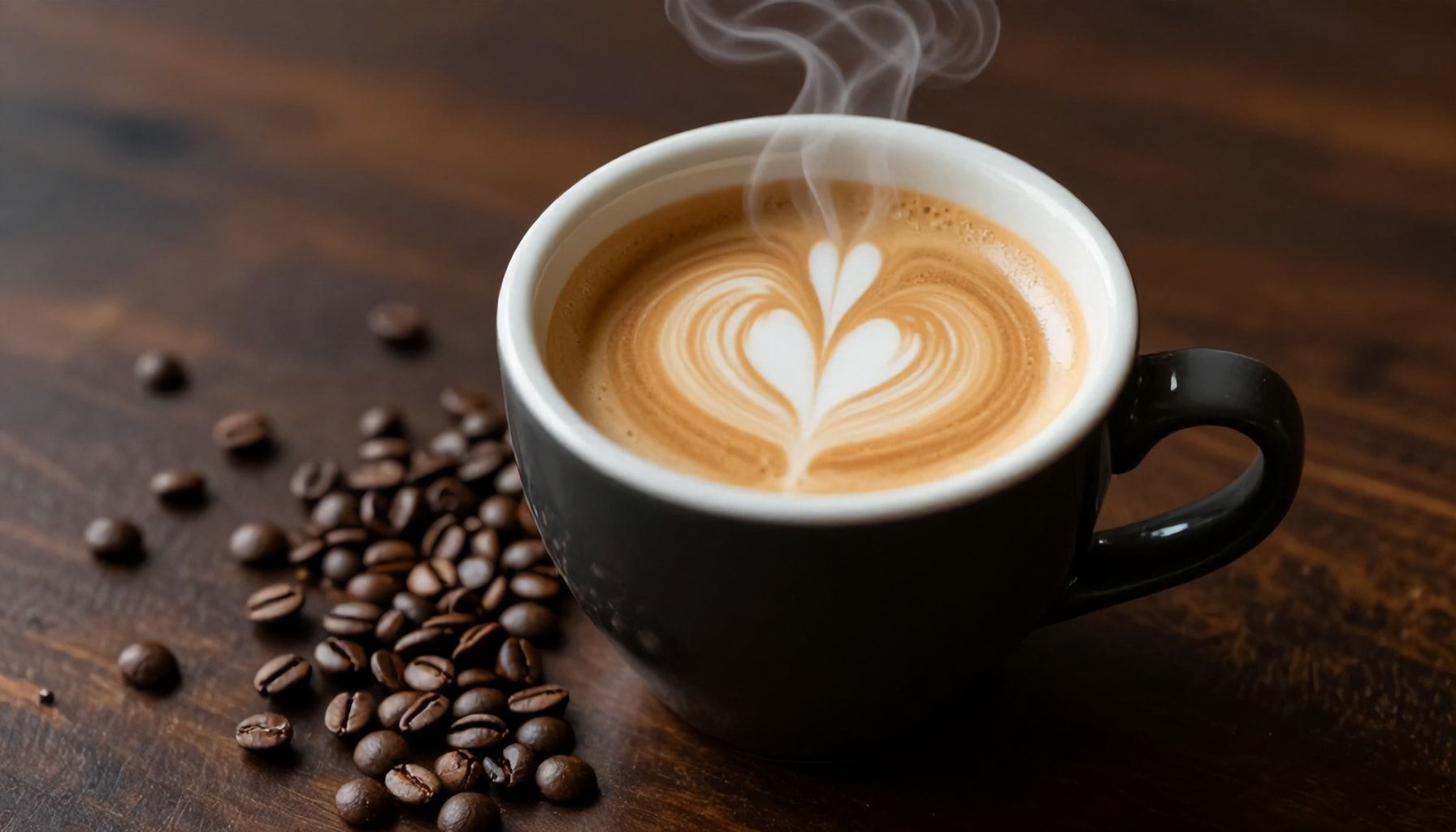
Look, I’ve tasted enough dark roast coffees to know that not all of them deliver that perfect balance of boldness and smoothness. Some leave you with a bitter aftertaste, others feel flat. The trick? It’s all about the beans, the roast, and the finish. Here’s how to cut through the noise and pick a winner.
1. Know Your Roast Spectrum
Dark roast isn’t a monolith. There’s a spectrum, and the best ones sit somewhere between full city+ (just past the second crack) and Italian roast (almost charcoal). Too light, and you lose depth. Too dark, and you get ashy, one-note flavors.
| Roast Level | Flavor Profile | Best For |
|---|---|---|
| Full City+ | Rich, caramelized sweetness with mild bitterness | Espresso, pour-over |
| French Roast | Deep, smoky, slightly bitter | Drip coffee, cold brew |
| Italian Roast | Intense, almost burnt, with a sharp finish | Strong, quick servings |
2. Bean Origin Matters
I’ve seen roasters overlook this, but the best dark roasts start with beans that can handle the heat. Brazilian Santos or Sumatran Mandheling? Perfect. Ethiopian Yirgacheffe? Too bright for dark roasting. Stick to beans with natural chocolatey, nutty, or earthy notes—they’ll shine when roasted dark.
- Brazilian: Nutty, low acidity, smooth finish
- Sumatran: Earthy, full-bodied, syrupy
- Colombian (Supremo): Balanced, caramel sweetness
3. Check the Roast Date
Freshness isn’t just for light roasts. Dark roast coffee peaks 7–21 days post-roast. After that, the oils oxidize, and the flavor dulls. Always check the roast date—not the expiration date. If it’s more than a month old, pass.
4. Grind Size & Brew Method
Even the best dark roast can go wrong if you grind it wrong. For espresso, aim for a fine grind (like table salt). For French press, go coarse (pea-sized chunks). And for the love of coffee, don’t use pre-ground—it’s already lost half its magic.
Bottom line? A great dark roast should hit you with boldness upfront but leave you with a clean, satisfying finish—not a bitter hangover. Follow these rules, and you’ll never settle for mediocre again.
Dark Roast vs. Light Roast: What Makes It the Ultimate Coffee Choice*
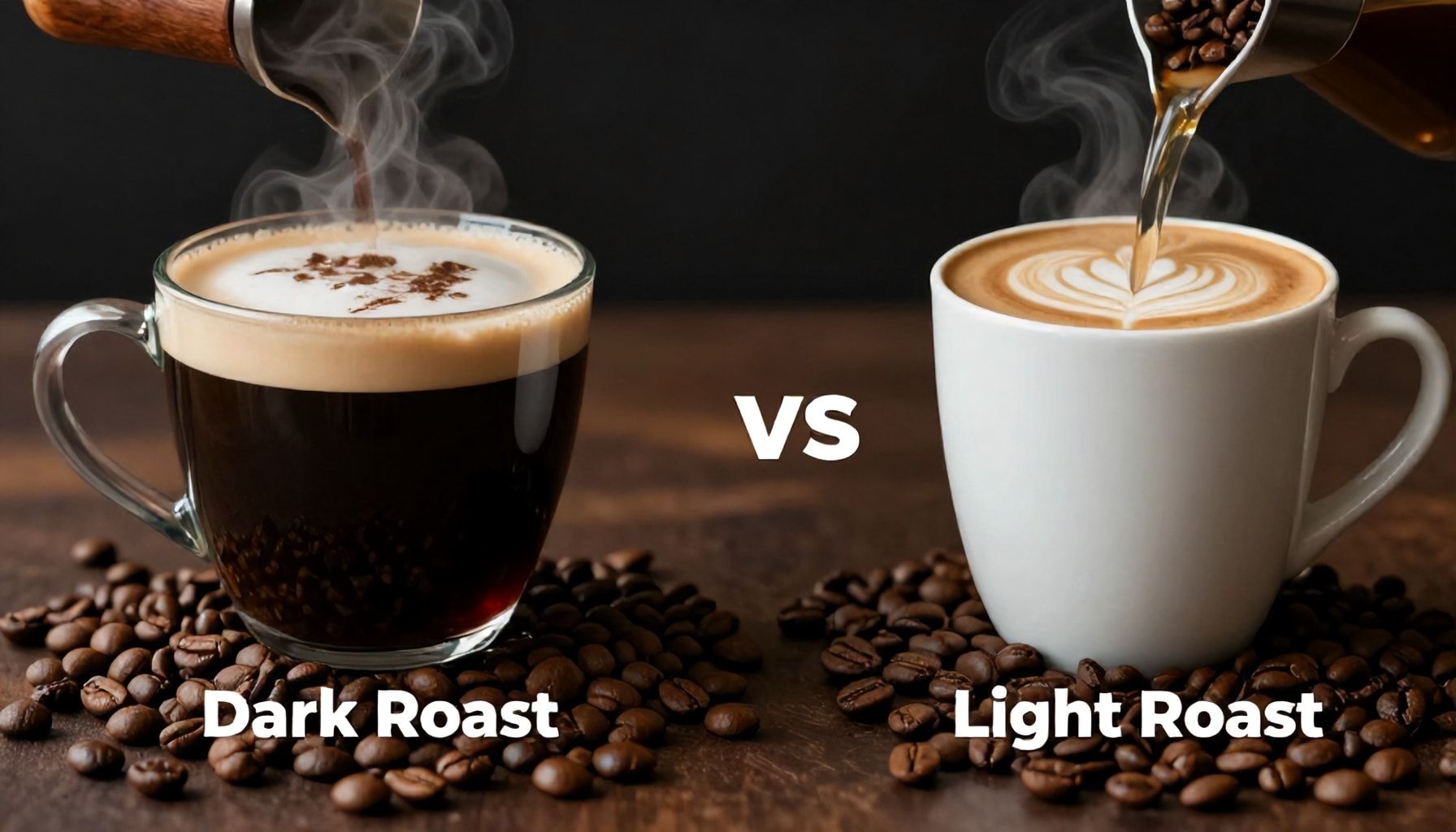
I’ve roasted enough beans to fill a shipping container, and here’s what I know: dark roast isn’t just a choice—it’s a statement. Light roast fans talk about floral notes and acidity like it’s a virtue, but let’s be real. Dark roast delivers what coffee should: depth, power, and a finish that lingers like a good memory.
Here’s the breakdown:
| Dark Roast | Light Roast |
|---|---|
| Roasted at 450°F+ for 15-20 minutes | Roasted at 350-400°F for 8-12 minutes |
| Low acidity, high body | High acidity, light body |
| Bold, smoky, chocolatey | Bright, fruity, tea-like |
I’ve seen roasters try to split the difference with “medium-dark,” but that’s just a cop-out. Dark roast is where the magic happens. The Maillard reaction kicks into overdrive, caramelizing sugars and breaking down oils to create that rich, velvety mouthfeel. Light roast? It’s like drinking a shadow of the bean’s potential.
Here’s how to pick the right dark roast:
- French Roast: The OG. Intense, almost charred, with a smoky finish. Best for espresso or cold brew.
- Italian Roast: Darker than French, but with a cleaner, less bitter profile. Great for drip coffee.
- Viennese Roast: A middle ground—sweet, nutty, and slightly oily. Perfect for pour-over.
And don’t let anyone tell you dark roast is “over-roasted.” That’s like saying a well-aged whiskey is ruined. It’s all about balance. A properly roasted dark bean should taste like chocolate, caramel, and a hint of spice—not ash. If it tastes burnt, the roaster messed up.
Pro tip: Dark roast shines with a coarse grind and just-off-boiling water (195°F). Light roast can handle a finer grind and hotter water, but dark roast? It’s forgiving. That’s why it’s the go-to for baristas and home brewers alike.
At the end of the day, coffee’s personal. But if you want flavor that punches back, dark roast is the only way to go.
Experience the bold, unapologetic depth of our Dark Roast Coffee—a flavor that lingers with rich intensity and a surprisingly smooth finish. Whether you’re fueling a busy morning or unwinding with a moment of quiet, this coffee delivers a robust yet balanced taste that satisfies every sip. The secret? A slow, precise roast that unlocks the beans’ full potential without overpowering bitterness. For the best experience, try it black to appreciate its natural complexity, or add a splash of cream to mellow its boldness. What’s your favorite way to enjoy a truly dark roast? Let the next cup inspire your next adventure.