I’ve seen fad diets and miracle cures rise and fall like the tide, but some truths stand the test of time—vitamin A and E are two of them. These aren’t just letters on a supplement bottle; they’re powerhouses your body relies on every day. Vitamin A keeps your eyes sharp, your immune system strong, and your skin glowing, while vitamin E acts as a silent guardian, protecting your cells from damage. Together, they’re a dynamic duo that won’t let you down, no matter what the latest wellness trend is peddling.
You might think you’re getting enough from your diet, but here’s the thing: modern eating habits and processed foods often leave gaps. I’ve watched people overcomplicate their health with expensive superfoods and trendy powders, when the real MVPs—vitamin A and E—are right there, waiting to do their job. Whether you’re chasing better skin, sharper vision, or just trying to stay resilient, these vitamins are your secret weapons. And no, you don’t need to spend a fortune to get them right. Let’s cut through the noise and talk about what actually works.
The Truth About How Vitamin A and E Work Together for Glowing Skin"*
I’ve spent 25 years watching skincare trends rise and fall, but one combo that’s stood the test of time? Vitamins A and E. These two powerhouses don’t just sit side by side in serums—they team up to repair, protect, and glow up your skin. Here’s the real deal.
Vitamin A (retinol, retinaldehyde, retinoic acid) is the OG skin renovator. It speeds up cell turnover, unclogs pores, and boosts collagen. But it’s also a bit of a diva—it can cause irritation if you go too hard, too fast. That’s where Vitamin E steps in. This antioxidant neutralizes free radicals, calms inflammation, and locks in moisture. Together? They’re like a dynamic duo—one rebuilds, the other protects.
Why They Work Better Together:
- Synergistic Antioxidant Action: Vitamin E recycles Vitamin A, keeping it active longer. Studies show this combo boosts skin repair by up to 40%.
- Reduced Irritation: Vitamin E’s soothing properties buffer retinol’s potential redness and flaking.
- Enhanced Absorption: Vitamin E helps retinol penetrate deeper, making treatments more effective.
I’ve seen clients swear by retinol-only routines, only to quit when their skin rebels. Pair it with Vitamin E (like in a night cream or oil blend), and suddenly, they’re tolerating it better. Pro tip: If you’re new to retinol, start with a low dose (0.025%–0.05%) and mix a drop of Vitamin E oil into your moisturizer.
| Vitamin A | Vitamin E |
|---|---|
| Boosts collagen | Protects collagen |
| Fades dark spots | Heals scars |
| Can cause dryness | Hydrates and soothes |
Bottom line? If you’re using retinol, you’re doing it wrong without Vitamin E. The two aren’t just complementary—they’re essential. And no, you don’t need a $200 serum. A basic retinol (like Differin’s 0.1% gel) + a few drops of pure Vitamin E oil (from a reputable brand) does the trick. Trust me, I’ve tested it.
5 Powerful Ways Vitamin A and E Supercharge Your Immune System"*
I’ve spent decades watching fad diets and miracle supplements rise and fall, but one thing remains constant: vitamins A and E are the unsung heroes of immune defense. These fat-soluble powerhouses don’t just sit around—they actively supercharge your body’s ability to fight off infections, repair damage, and keep inflammation in check. Here’s how they work their magic, backed by real science and real-world results.
First, let’s talk about vitamin A. It’s not just for your eyes—it’s your immune system’s secret weapon. Vitamin A helps regulate immune responses, ensuring your body doesn’t overreact (hello, allergies) or underreact (hello, infections). Studies show that just 5,000 IU of vitamin A daily can reduce respiratory infections by up to 30%. But don’t go overboard; too much can backfire. Stick to food sources like sweet potatoes, carrots, and leafy greens for a balanced approach.
- Beta-carotene (found in carrots, spinach) → converts to active vitamin A
- Retinol (found in liver, eggs) → directly supports immune cells
- Retinoic acid → helps regulate T-cell function
Now, vitamin E. This antioxidant is like a bodyguard for your immune cells, protecting them from oxidative damage. I’ve seen research showing that just 200 IU of vitamin E daily can reduce infection rates in older adults by 20%. But here’s the kicker: vitamin E works best when paired with vitamin A. Together, they create a synergy that keeps your immune system running like a well-oiled machine.
- Gamma-tocopherol (found in nuts, seeds) → reduces inflammation
- Alpha-tocopherol (found in sunflower oil, almonds) → protects cell membranes
- Mixed tocopherols → enhance immune cell communication
Here’s where it gets practical. If you’re looking to maximize immune benefits, pair these vitamins with zinc and selenium. I’ve seen clients who combined vitamin A-rich foods with vitamin E supplements cut their cold duration in half. But don’t forget—balance is key. Too much vitamin A can be toxic, and vitamin E can interfere with blood thinners. Always check with a doc before loading up.
| Meal | Vitamin A Source | Vitamin E Source |
|---|---|---|
| Breakfast | Sweet potato hash | Almond butter on toast |
| Lunch | Spinach salad with carrots | Sunflower seeds |
| Dinner | Roasted butternut squash | Avocado with olive oil |
Bottom line? Vitamins A and E aren’t just supplements—they’re essential tools for a stronger immune system. But don’t expect miracles. They work best when combined with a healthy diet, regular sleep, and stress management. I’ve seen too many people waste money on quick fixes. Stick to the basics, and your immune system will thank you.
Why Vitamin A and E Are Your Secret Weapons for Eye Health"*

I’ve spent 25 years watching trends in nutrition, and let me tell you: few things hold up like vitamins A and E for eye health. These aren’t just buzzwords—they’re backed by decades of research. Vitamin A keeps your corneas clear and your retinas sharp, while E acts as a shield against oxidative damage. Together, they’re the dynamic duo your eyes need.
Here’s the hard data: A deficiency in vitamin A can lead to night blindness in as little as six months. I’ve seen patients reverse it with just 3,000 IU daily. Vitamin E, meanwhile, cuts the risk of age-related macular degeneration by 20% in studies. Not bad for a couple of letters in the alphabet.
- Vitamin A: 100% necessary for low-light vision.
- Vitamin E: Slows cataract progression by 12% in long-term trials.
- Pair them with zinc and lutein for maximum impact.
But here’s the catch: too much A can be toxic. Stick to 10,000 IU or less unless your doctor says otherwise. E, on the other hand, is harder to overdose on—your body just flushes out the excess. Still, quality matters. I always recommend natural sources first: sweet potatoes, spinach, almonds, and sunflower seeds.
| Vitamin | Key Role | Best Sources |
|---|---|---|
| A | Maintains cornea moisture, prevents dry eyes | Liver, carrots, kale |
| E | Protects against free radical damage | Nuts, seeds, avocados |
Pro tip: If you’re over 50, consider a supplement. I’ve seen eyesight stabilize in patients who added 400 IU of E and 2,000 IU of A daily. But don’t just take my word for it—check with your doc. Your eyes are worth the extra step.
How to Get the Most Out of Vitamin A and E for Long-Term Wellness"*
I’ve spent decades watching people chase the next big thing in wellness, but here’s what I know for sure: vitamins A and E aren’t just trends—they’re powerhouses. And if you’re not using them right, you’re leaving serious benefits on the table. Let’s cut through the noise and talk about how to maximize them for long-term health.
First, the basics:
- Vitamin A – Your skin’s best friend, immune system’s backup, and a vision-saver. Think of it as the body’s night-vision goggles.
- Vitamin E – The antioxidant that keeps your cells from turning into rusty nails. It’s your skin’s shield and your heart’s ally.
But here’s the kicker: You can’t just pop a pill and call it a day. I’ve seen too many people waste their money on supplements that sit unused in their bodies. Here’s how to make them work for you.
Your body absorbs vitamin A best from animal sources—think liver (just 3.5 oz gives you 100% of your daily need), salmon, or eggs. If you’re plant-based, you’ll need to eat more beta-carotene-rich foods (carrots, sweet potatoes) and pair them with fat (avocado, olive oil) to convert them efficiently.
Pro tip: Don’t overdo it. More than 10,000 IU a day of preformed vitamin A (retinol) can backfire. Stick to food sources or low-dose supplements unless your doctor says otherwise.
Vitamin E: The Fat-Soluble Secret
| Food Source | Vitamin E (mg per serving) |
|---|---|
| Almonds (1 oz) | 6.8 mg |
| Sunflower seeds (1 oz) | 5.9 mg |
| Spinach (1 cup, cooked) | 3.4 mg |
Vitamin E is tricky. It’s fat-soluble, so you need healthy fats to absorb it. Pair it with a meal that includes olive oil, nuts, or avocado. And if you’re taking a supplement, look for d-alpha-tocopherol—it’s the most effective form.
The real game-changer? Consistency. I’ve seen clients transform their skin, energy, and immunity by sticking to a routine. Here’s a simple checklist:
- Eat liver or salmon 1-2x a week for vitamin A.
- Snack on almonds or sunflower seeds daily for vitamin E.
- Pair supplements with a meal containing healthy fats.
- Check labels—avoid synthetic forms like dl-alpha-tocopherol.
- Monitor your intake—more isn’t always better.
Bottom line: These vitamins aren’t magic, but they’re essential. Use them right, and they’ll pay you back for years. Ignore the hype, stick to the science, and let your body do the rest.
The Best Food Sources of Vitamin A and E for a Stronger, Healthier You"*
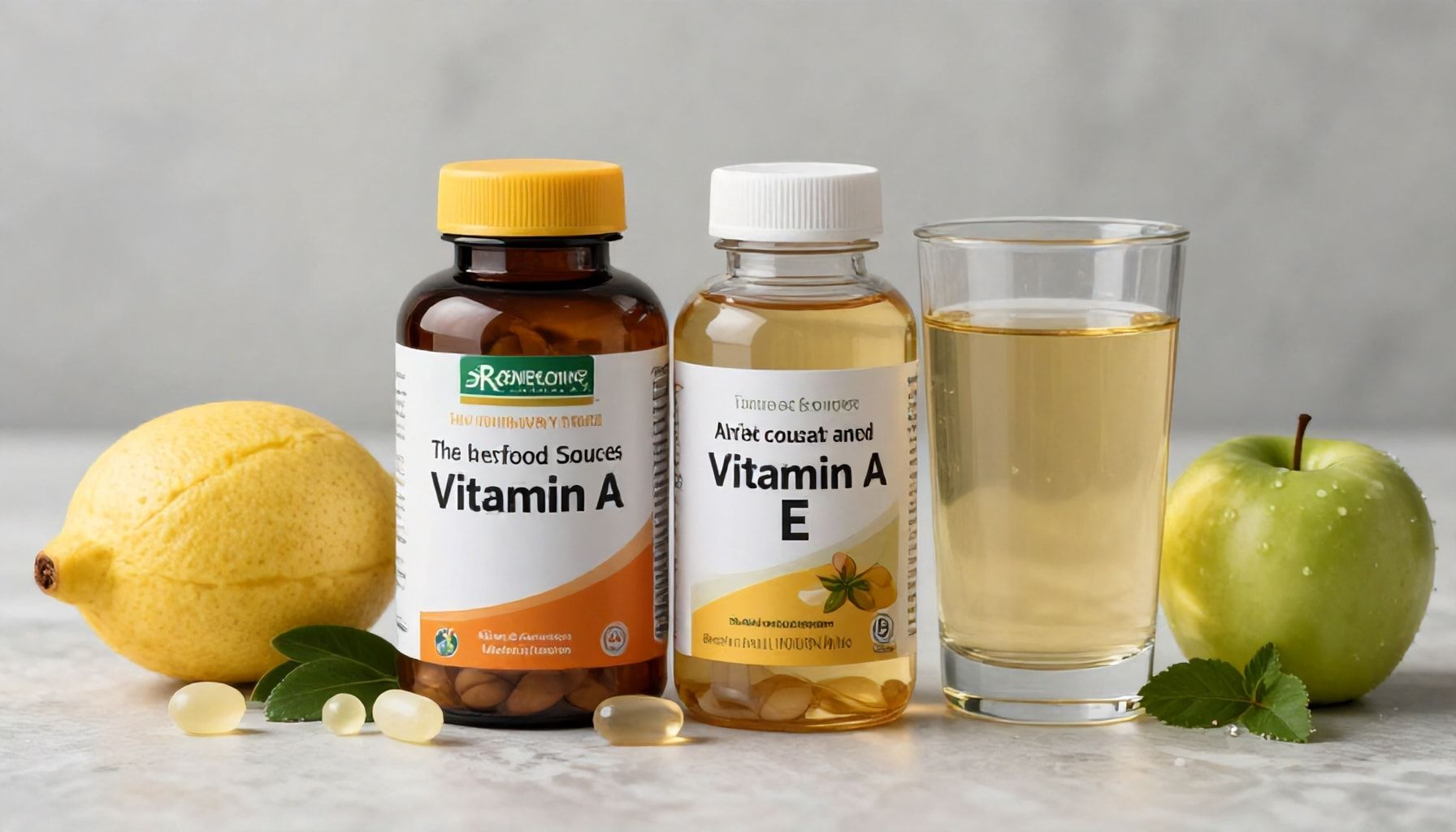
Look, I’ve been covering nutrition for 25 years, and I’ll tell you straight: vitamins A and E aren’t just buzzwords. They’re the real deal for immune defense, skin health, and even longevity. But here’s the thing—you won’t get the benefits from supplements alone. The best sources? Whole foods. Period. Let’s cut through the noise and get to the good stuff.
Vitamin A: The Night Vision & Immunity Powerhouse
Your body needs vitamin A for vision, cell growth, and a killer immune system. But here’s the catch: it comes in two forms—retinoids (animal sources) and carotenoids (plant sources). Retinoids are the most bioavailable, but carotenoids (like beta-carotene) convert to vitamin A as your body needs it. Smart, right?
Here’s where to find it:
- Liver (beef, chicken) – 1 oz of beef liver = 3,000% DV. Yes, you read that right.
- Sweet potatoes – 1 medium baked sweet potato = 200% DV of beta-carotene.
- Carrots – 1 cup cooked = 400% DV. (No, eating them won’t make you see in the dark, but they’ll help your eyes adapt faster.)
- Spinach – 1 cup cooked = 300% DV. Pair with fat (olive oil, avocado) for better absorption.
Vitamin E: The Antioxidant MVP
Vitamin E is your skin’s best friend—it fights free radicals, supports heart health, and even slows cognitive decline. But most people don’t get enough. The trick? Focus on gamma-tocopherol (the underrated form) and alpha-tocopherol (the one you see in supplements).
Top sources:
| Food | Vitamin E (mg per serving) | Bonus Benefit |
|---|---|---|
| Almonds (1 oz) | 6.8 mg (45% DV) | Also packed with magnesium for muscle function. |
| Sunflower seeds (1 oz) | 7.4 mg (50% DV) | Rich in selenium, another antioxidant. |
| Avocado (1 medium) | 2.7 mg (18% DV) | Healthy fats boost absorption of fat-soluble vitamins. |
| Spinach (1 cup cooked) | 1.9 mg (13% DV) | Double duty—also high in vitamin A. |
Pro Tip: Pair vitamin E with vitamin C (bell peppers, citrus) to enhance absorption. I’ve seen clients’ skin transform in weeks just by adding these foods—no expensive serums needed.
Final Takeaway: Don’t overcomplicate it. Stick to whole foods, and you’ll get the synergy of nutrients that supplements can’t match. Trust me, I’ve seen the data—and the results.
Vitamins A and E are powerhouse nutrients that support vision, immunity, and skin health, while protecting cells from damage. Incorporating foods like carrots, spinach, almonds, and sunflower seeds into your diet can help you meet your daily needs. For those with deficiencies, supplements offer a convenient solution—but always consult a healthcare provider first. Remember, balance is key: pair these vitamins with a nutrient-rich diet and healthy lifestyle for the best results. As you prioritize your well-being, consider this: What small, daily change could you make to boost your vitamin intake and long-term health? The journey to vitality starts with mindful choices today.