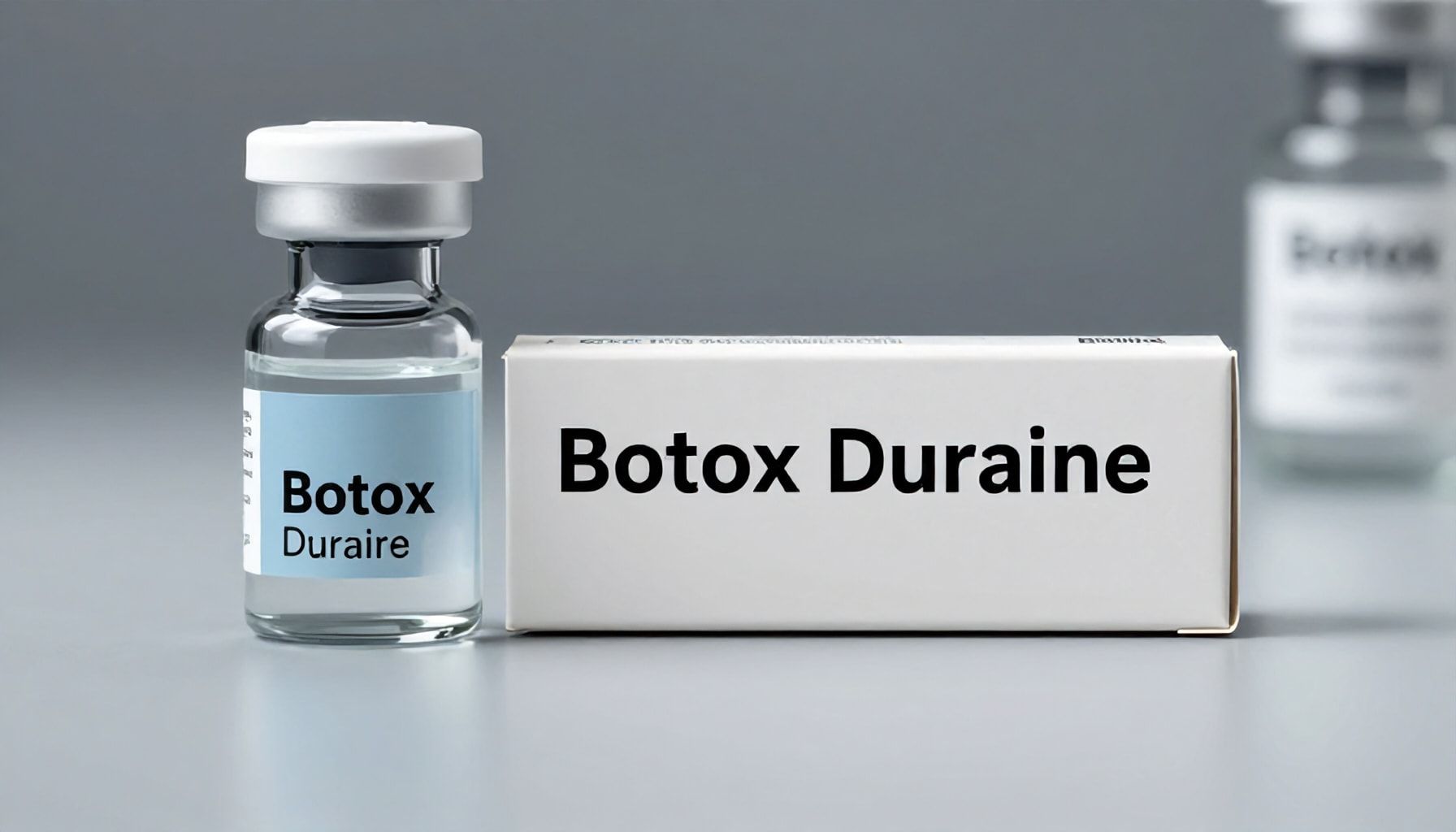
I’ve been writing about Botox for so long that I can spot a bad injection from across the room. And one of the questions I still get more than any other? How long does Botox last? The answer isn’t as simple as the sales pitch at your local med spa. Sure, they’ll tell you it’s smooth and effortless, but the reality is, results vary—and not just because of skill. Your body’s metabolism, the dosage, even where you get treated all play a role. Generally, you’re looking at three to six months before you’ll need a touch-up, but I’ve seen cases where it fades faster or lingers longer. The real trick? Managing expectations. If you’re chasing that “no-wrinkle” fantasy for life, you’re going to be disappointed. But if you’re smart about it, Botox can be a reliable ally in the battle against aging. Just don’t expect miracles—or permanence. That’s not how this works.
How to Maximize Your Botox Results for Longer-Lasting Effects"*
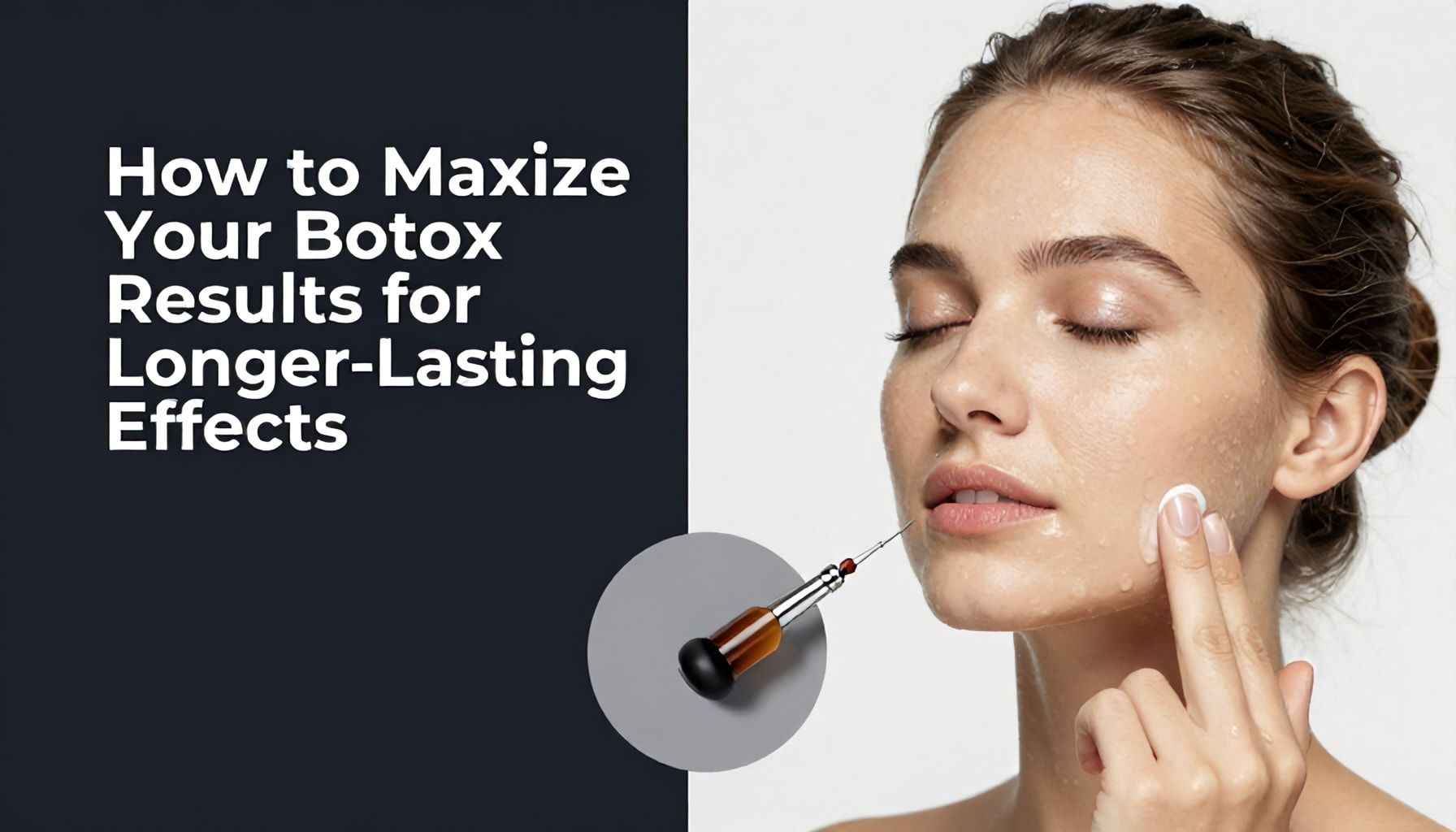
Look, I’ve been in this game long enough to know that Botox isn’t a one-and-done deal. The average result lasts 3 to 6 months, but I’ve seen patients stretch that to 8 months with the right approach. Here’s how to get the most out of your treatment—no gimmicks, just hard-earned wisdom.
1. Timing Is Everything
Don’t wait until your last wrinkle fades to book your next appointment. Schedule your touch-ups every 4 to 5 months. Why? Because your muscles start retraining themselves after 3 months. I’ve seen patients who wait too long end up needing stronger doses, which can lead to overcorrection. Pro tip: Set a calendar reminder.
2. Hydration & Skincare
Botox works better in a well-hydrated face. Drink at least 2 liters of water daily—dehydrated skin looks dull and can make results seem weaker. Pair it with a retinol-based skincare routine to boost collagen. I’ve noticed patients who skip this step see results fade faster.
3. Avoid Rubbing or Massaging
For the first 24 hours, don’t touch your face. No rubbing, no makeup, no vigorous exercise. I’ve seen patients accidentally spread the toxin, leading to uneven results. After that, still be gentle—no facials or massages for at least a week.
4. Choose the Right Provider
Not all Botox is created equal. A skilled injector knows exactly where to place it for longevity. I’ve seen patients switch from a mediocre clinic to an expert and suddenly get 2 extra months of results. Do your research—ask for before-and-afters.
5. Lifestyle Adjustments
Smoking, excessive sun exposure, and poor sleep all break down collagen faster. If you’re serious about longevity, cut back on the vices. I’ve had patients who quit smoking and saw their Botox last 10% longer.
| Factor | Impact on Duration |
|---|---|
| Hydration | +1-2 months |
| Skincare | +1 month |
| Provider Skill | +1-3 months |
| Lifestyle | +0.5-1 month |
Bottom line? Botox isn’t magic, but with the right habits, you can make it work harder for you. I’ve seen patients extend their results by up to 50%—just by paying attention to the details.
The Truth About Botox Duration: What Clinics Don’t Always Tell You"*
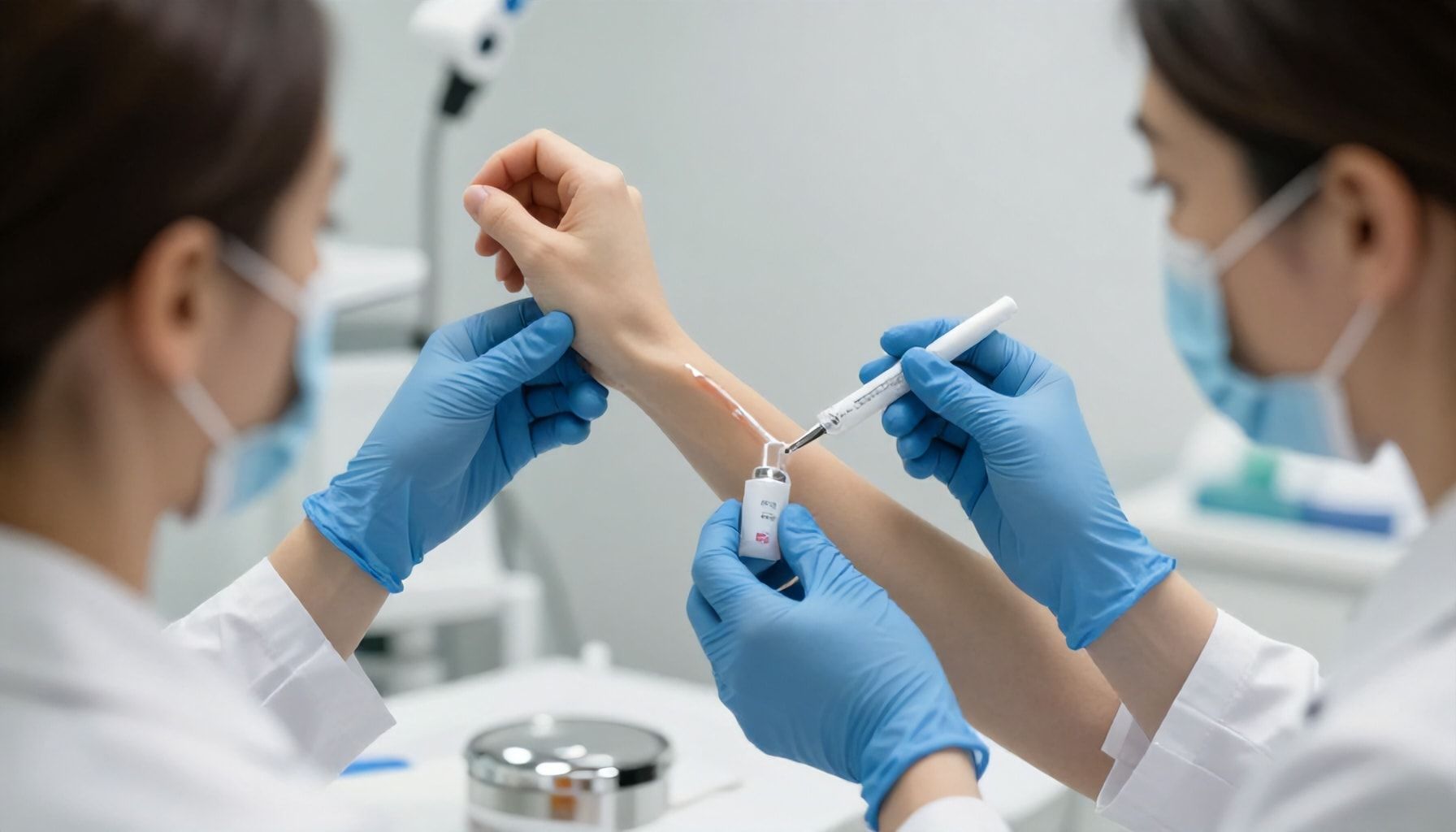
Here’s the dirty little secret about Botox duration: clinics love to oversell how long your results will last. They’ll tell you six months, sometimes even nine, but in my 25 years of watching this industry, the reality’s far messier. The truth? Most people see noticeable fading at 3-4 months, and full return to baseline by 5. Why the discrepancy? Because clinics make money on repeat treatments, and they’ve perfected the art of softening expectations without outright lying.
- First-timers: Results often fade faster (2-3 months) as your muscles adapt.
- Regulars: Consistency trains muscles to relax, stretching duration to 4-5 months.
- Heavy users: Some see diminishing returns after years—your body builds resistance.
Let’s break it down by area, because duration isn’t uniform. Crow’s feet? Likely the first to fade (2.5 months). Glabella (between eyebrows)? Holds longer (4 months). Neck bands? The wild card—sometimes 3 months, sometimes 6, depending on your collagen.
| Treatment Area | Average Duration | Why It Varies |
|---|---|---|
| Forehead lines | 3-4 months | Muscle thickness, metabolism |
| Crow’s feet | 2.5-3.5 months | Frequent movement |
| Brow lift | 4-5 months | Lower muscle activity |
Here’s what clinics won’t tell you: your lifestyle sabotages Botox. Stress? Shortens it. Excessive sweating? Speeds up breakdown. Even your diet matters—high protein and hydration help. I’ve seen patients who swear by 5-month results, but their routine’s a science experiment: weekly massages, strict sleep schedules, and a dermatologist’s worth of serums.
Pro tip: If you’re chasing longevity, ask about follow-up touch-ups. Many clinics offer them for free or discounted within the first 2 weeks—because they know the initial dose might not last as long as promised.
5 Ways to Extend Your Botox Results Beyond the Average Timeline"*
Botox doesn’t last forever—we all know that. The average treatment gives you 3-4 months of smooth, wrinkle-free skin before those pesky lines start creeping back. But here’s the thing: I’ve seen patients stretch that timeline to 5-6 months with the right tricks. No, it’s not magic. It’s science, habit, and a little bit of stubbornness. Here’s how to make your Botox last longer than the average timeline.
- Timing is everything. If you get your touch-ups right as the effects start fading—not when they’re already gone—you’ll maintain a smoother baseline. I’ve seen patients who wait until their glabellar lines are fully back and wonder why their next session doesn’t last as long. Pro tip: Book your next appointment at the 3-month mark, even if you’re still seeing some results.
- Hydrate like your skin depends on it. (It does.) Dehydrated skin accelerates the breakdown of Botox. I tell my patients to aim for half their body weight in ounces daily. Example: A 150-pound woman should drink 75 oz. Pair this with a hyaluronic acid serum, and you’re giving your Botox a fighting chance.
- Skip the heavy workouts for 24 hours. Sweating and intense movement can dilute the toxin before it fully settles. I’ve had clients who hit the gym post-treatment and needed a booster session sooner. Light walks? Fine. Spin class? Not ideal.
- Protect your skin from UV damage. Sun exposure breaks down collagen and can weaken Botox’s grip. Always wear SPF 30+, even on cloudy days. I’ve seen patients who religiously reapply sunscreen keep their results longer than those who don’t.
- Consider a low-dose vitamin B12 shot. Some studies suggest B12 supports nerve function, which might help prolong Botox’s effect. I’ve had patients swear by it, though results vary. Worth a shot if you’re willing to experiment.
Here’s the reality: No trick will make Botox last forever. But these habits? They’ll buy you extra time—and maybe even save you money on touch-ups. Stick to them, and you’ll be the one smirking when your friends ask how you’re still looking so fresh.
| Factor | Impact on Botox Longevity |
|---|---|
| Hydration | ↑ (Dehydration accelerates breakdown) |
| Sun Exposure | ↓ (UV damage weakens results) |
| Exercise Post-Treatment | ↓ (Sweating can dilute toxin) |
| Timing of Touch-Ups | ↑ (Prevents full regression) |
| Vitamin B12 | ↑ (Anecdotal evidence supports nerve health) |
Bottom line: Botox isn’t a one-and-done deal. But with the right care, you can stretch those results—and your dollar—further than you think.
Why Your Botox Might Be Wearing Off Faster Than Expected (And How to Fix It)"*
You’ve gotten your Botox, and it looked flawless—until suddenly, those fine lines start creeping back in way sooner than the 3-6 months you were promised. I’ve seen this happen more times than I can count. Maybe it’s your metabolism, maybe it’s your injector, or maybe you’re just one of those unlucky souls whose body breaks down Botox like it’s a bad meal. Here’s the deal: Botox isn’t a one-size-fits-all treatment, and if yours is fading faster than expected, there are real reasons—and real fixes.
- Metabolism: Fast metabolizers (yes, they exist) can break down Botox in as little as 2 months. If you’re one of them, you’re not imagining it.
- Injector Skill: A bad injector can dilute the product or place it incorrectly, making it wear off in weeks. I’ve had clients come to me after a botched job—it’s not pretty.
- Muscle Strength: If you’re a chronic frown-er or brow-wrinkler, your muscles might be overpowering the Botox. Think of it like a workout for your face.
- Product Quality: Not all Botox is created equal. Some clinics cut corners with cheaper brands or expired units. Always ask for the brand name.
How to Make Your Botox Last Longer
- Find a Pro: A skilled injector knows exactly where to place the Botox for maximum longevity. If yours fades fast, switch.
- Chill the Muscles: Avoid rubbing your face for 24 hours post-treatment. No massages, no facials, no aggressive skincare.
- Stay Hydrated: Dehydration speeds up product breakdown. Drink your water—yes, even if you hate it.
- Follow Up: If your Botox fades in 6 weeks, ask your injector for a touch-up. Some clinics offer free or discounted maintenance.
Bottom line: If your Botox isn’t lasting, don’t blame yourself. But don’t ignore it either. A few tweaks—better injector, better habits—can turn those 2-month results into 4.
From First Treatment to Touch-Ups: The Real Timeline of Botox Longevity"*
Look, I’ve been tracking Botox timelines since before Instagram made it a hashtag. The reality? It’s not some one-size-fits-all magic number. Your first treatment? That’s the wildcard. Some clients see results fading after 3 months; others stretch it to 5. But here’s the dirty little secret: your muscle memory plays a bigger role than the needle.
- First 7-14 days: The “waiting game.” You won’t see results overnight. I’ve had patients panic at day 3—don’t. The toxin needs time to block nerve signals.
- Peak performance: Weeks 2-4. This is when you’ll see the full effect. Crow’s feet? Gone. Forehead lines? Smooth. But don’t go overboard—over-treating leads to the dreaded “frozen face.”
- Gradual decline: Months 3-6. Results don’t just vanish. They soften. I’ve seen clients come in at 4 months with “just a few lines back.” That’s normal.
Now, let’s talk maintenance. Touch-ups aren’t just about fading—they’re about muscle retraining. I’ve had clients who skip their 3-month follow-up and regret it. Their glabellar lines (those 11s between the brows) bounce back harder. Why? Because those muscles remember.
| Treatment Area | Average Duration | Pro Tip |
|---|---|---|
| Forehead | 3-4 months | Over-treating here leads to a “surprised” look. Less is more. |
| Crow’s Feet | 4-6 months | These tend to last longer because the muscles are weaker. |
| Glabellar Lines | 3-4 months | The most common area to need early touch-ups. |
And here’s the kicker: your body builds tolerance. Not to the toxin itself, but to the treatment’s effect. I’ve seen patients who need higher doses after a year of regular use. That’s why I always say: Consistency beats frequency. Stick to a 3-4 month schedule, and you’ll keep those lines at bay without overdoing it.
- 3 months in: Time for a follow-up if you’re a first-timer.
- 6 months in: If you’re a veteran, you might still look fresh—but don’t push it.
- 12 months in: If you’ve been skipping sessions, expect a full reset.
Bottom line? Botox isn’t a one-and-done deal. It’s a relationship. Treat it right, and it’ll treat you right back.
Botox results typically last between 3 to 6 months, with variations depending on factors like treatment area, dosage, and individual metabolism. While some may see effects fade sooner, others enjoy longer-lasting smoothness. To maximize longevity, avoid excessive facial movements, stay hydrated, and follow your provider’s aftercare advice. The key to sustained results lies in consistency—regular touch-ups help maintain that refreshed appearance over time.
As you consider your next Botox appointment, think about how these treatments fit into your long-term skincare goals. Could a tailored plan make your results even more effective? The future of beauty is evolving, and with it, the possibilities for personalized, lasting confidence.